Blog
Dental hygiene tips for healthy teeth & gums
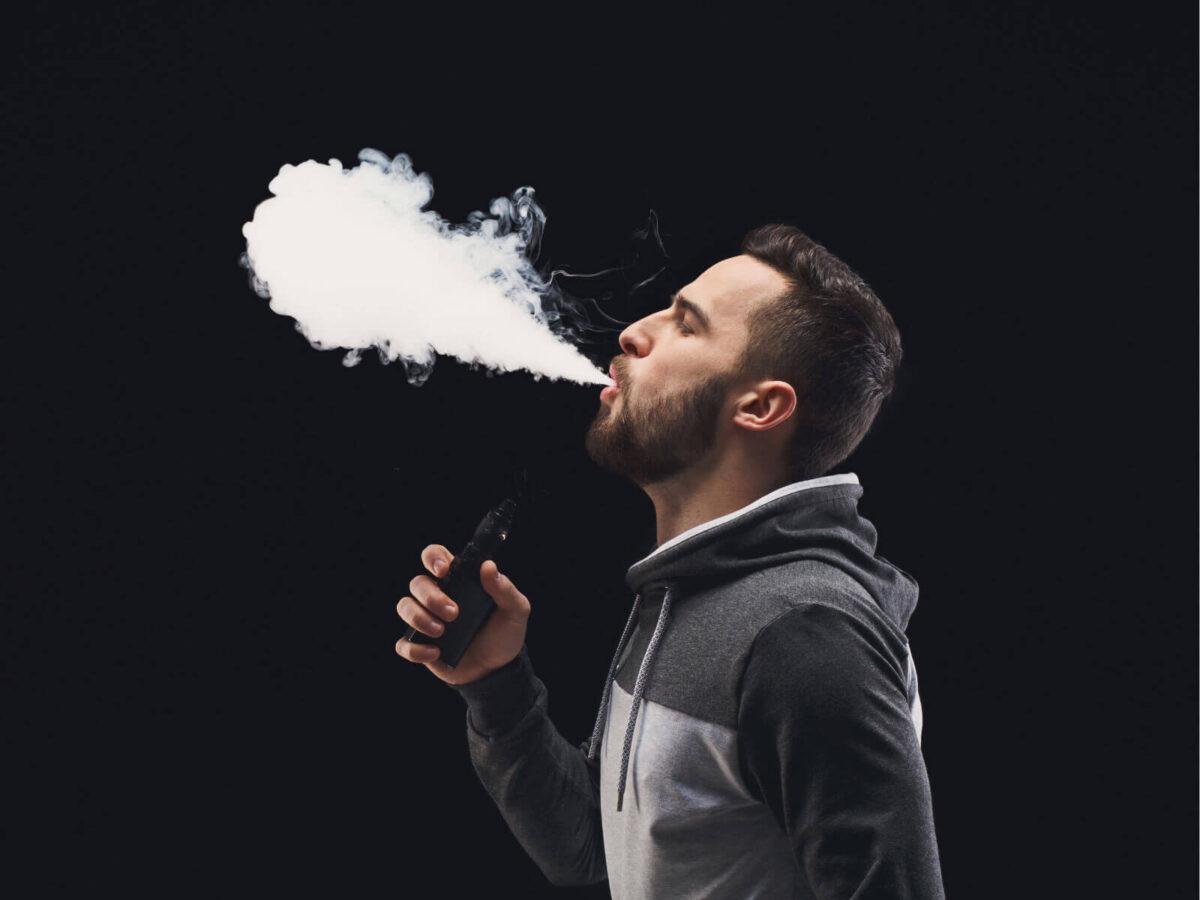
What Does Vaping Do to Your Teeth? The Complete Dental Guide
Vaping was sold as the cleaner alternative, and a lot of people stopped there. Less smell, no tar, no ashtray in the car. Mission accomplished, right?
Except your mouth never really got that memo. Before any of it reaches your lungs, the vapor passes straight over your gums and across your teeth, carrying nicotine and flavoring chemicals along the way. That’s the part of “what does vaping do to your teeth” that doesn’t make it into the marketing.
It settles, interacts with the bacteria already in your mouth, and builds up over weeks and months in ways most people don’t connect back to vaping until a dentist points it out.
How Does Vaping Affect Your Gums
Nicotine narrows blood vessels. That includes the ones feeding your gum tissue. With less blood reaching the area, gum tissue gets short on oxygen and nutrients, so cuts and irritation take longer to settle down.
NYU’s College of Dentistry looked into this and found that vaping weakens the ligament holding each tooth in place, a process dentists call clinical attachment loss. That creates small pockets between the teeth and gums where bacteria can settle in and multiply, which is part of why “does vaping damage teeth” is a question that comes up alongside gum health so often.
The same study found gum disease bacteria showing up in both vapers and smokers, though the bacterial patterns weren’t identical between the two groups. One of the researchers behind the study described vaping as driving its own distinct pattern of bacterial growth, separate from but comparable to what’s seen with cigarettes.
With blood flow reduced, things like redness, swelling, or bleeding don’t show up the way they would otherwise. Recession especially builds up slowly, usually caught by a dentist before the person notices.
Does Vaping Cause Cavities
Most vape liquids are sweet. Even the ones that don’t taste obviously sugary tend to have flavorings that bacteria can feed on, similar to how sugar works.
A study published in iScience found that 42.5% of e-cigarette users had gum disease, compared to 72.5% of cigarette smokers. The numbers are lower than smoking, but still far from nothing.
A 2018 study went further and found that teeth exposed to e-cigarette aerosol developed significantly more bacteria than teeth that weren’t exposed, particularly in the small grooves and pits where decay tends to start anyway.
“Does vaping damage teeth?” mostly comes down to this combination. More bacteria, sweeter surfaces for those bacteria to feed on, and less saliva to wash any of it away. Individually, none of these is a huge deal. Combined, they’re what tips things toward decay.
What Does Vaping Do To Tooth Enamel
Enamel doesn’t regenerate. Once it’s worn down, it’s gone for good, which makes anything that erodes it worth paying attention to.
A lot of vape flavorings lean acidic, and acid is one of the main things that wears enamel down over time. The same 2018 study that looked at bacteria also found early signs of enamel demineralization in teeth exposed to e-liquid aerosol. That’s basically the first stage of enamel breaking down, well before a cavity would show up. It’s one of the clearer pieces of evidence when people ask does vaping damage teeth, since enamel doesn’t come back once it’s gone.
There’s also the dry mouth side of things. Saliva usually deals with small acid exposures throughout the day before they turn into anything. With less saliva around from vaping, acid just sits on the enamel longer than it normally would.
Is Smoking Worse Than Vaping
When you compare the two, vaping usually wins. Winning against smoking is a low bar, though.
A large US cohort study, referenced by the British Society of Periodontology, found no significant link between vaping and self-reported gum disease, bone loss, or tooth loss. It did, however, pick up on more bleeding during brushing and flossing among vapers.
Other research by the same group points to a slightly different story.
Several studies have found that e-cigarettes push the oral
microbiome toward a balance that’s more likely to lead to disease, even though nobody’s entirely sure yet what that means long term.
So, is vaping bad for your teeth the way smoking clearly is? Not in the same way, no. But there’s still plenty of room for damage in that gap, and a lot of the people in these studies smoked at some point, too, which makes it hard for researchers to say with certainty how much of the effect comes from vaping alone.
Can Vaping Cause Dry Mouth
Yes. Propylene glycol, one of the main ingredients in most e-liquids, dries things out wherever it goes. And your mouth is no exception.
It sounds minor, but it isn’t. Saliva is constantly working in the background to manage bacteria and acid. Take that down a notch, and your odds of cavities go up, breath gets worse, and gums get touchier. Food might taste a little flatter for some people, too. Worth mentioning to your dentist if it doesn’t go back to normal.
Does Vaping Cause Bad Breath
Yes. It’s not just the dry mouth. Bacteria build up more than usual, and there’s also residue from the vapor itself sitting in your mouth. Put it all together, and that’s why the smell doesn’t really go away on its own.
Can Vaping Affect Healing After Dental Work
It can. Nicotine restricts blood flow, and healing tissue runs on blood flow, whether that’s after a filling, a cleaning, or pulling a tooth.
Dentists sometimes ask about vaping before a procedure for exactly this reason. It’s less about the habit and more about knowing what to expect afterward.
How Can You Protect Your Teeth If You Vape
None of this is permanent damage waiting to happen. A few habits make a real difference.
Water helps more than people expect. It fights the dry mouth directly and keeps saliva doing its job, which covers both bacteria and enamel.
Brushing and flossing matter more here than they would otherwise, simply because there’s more bacteria to deal with. Dentists often suggest checkups every three to six months for vapers instead of once a year, since problems can build up quietly.
Fluoride and sealants sometimes come up, too. One’s for the enamel, the other’s for the grooves.
Not all e-liquids are equally acidic. The less acidic ones are kinder to your enamel. Doesn’t undo what nicotine does on its own, but it’s one less thing working against you.
FAQs
Does it stain your teeth?
A little, with regular use. Less than cigarettes, though nicotine still tints teeth yellow eventually.
Can it lead to gum disease?
It raises the odds. Blood flow drops and the bacteria in your mouth shift, both of which feed into gingivitis and periodontitis.
Is tooth loss connected to vaping?
A few studies have flagged a link, but it’s early days compared to the decades of research on smoking and tooth loss.
Should your dentist know you vape?
Yes. It changes how they read certain symptoms and plan around healing.
Does the damage go away if you stop vaping?
Partly. Gums and dry mouth usually bounce back. Enamel that’s gone, though, stays gone.
Conclusion
What does vaping actually do to your teeth, then? There’s no single big reveal here. Blood flow drops a little. Your mouth dries out. The bacteria in there shift, and enamel wears down slowly. None of it is dramatic on its own, but it adds up.
It’s generally easier on your teeth than smoking. That said, easier than smoking still leaves room for real problems, and there’s more research linking vaping to gum issues and decay every year.
Haven’t seen a dentist in a while, and you vape? That’s worth fixing. Most of this stuff happens quietly, and a dentist can spot it long before it turns into something bigger.