Blog
Dental hygiene tips for healthy teeth & gums
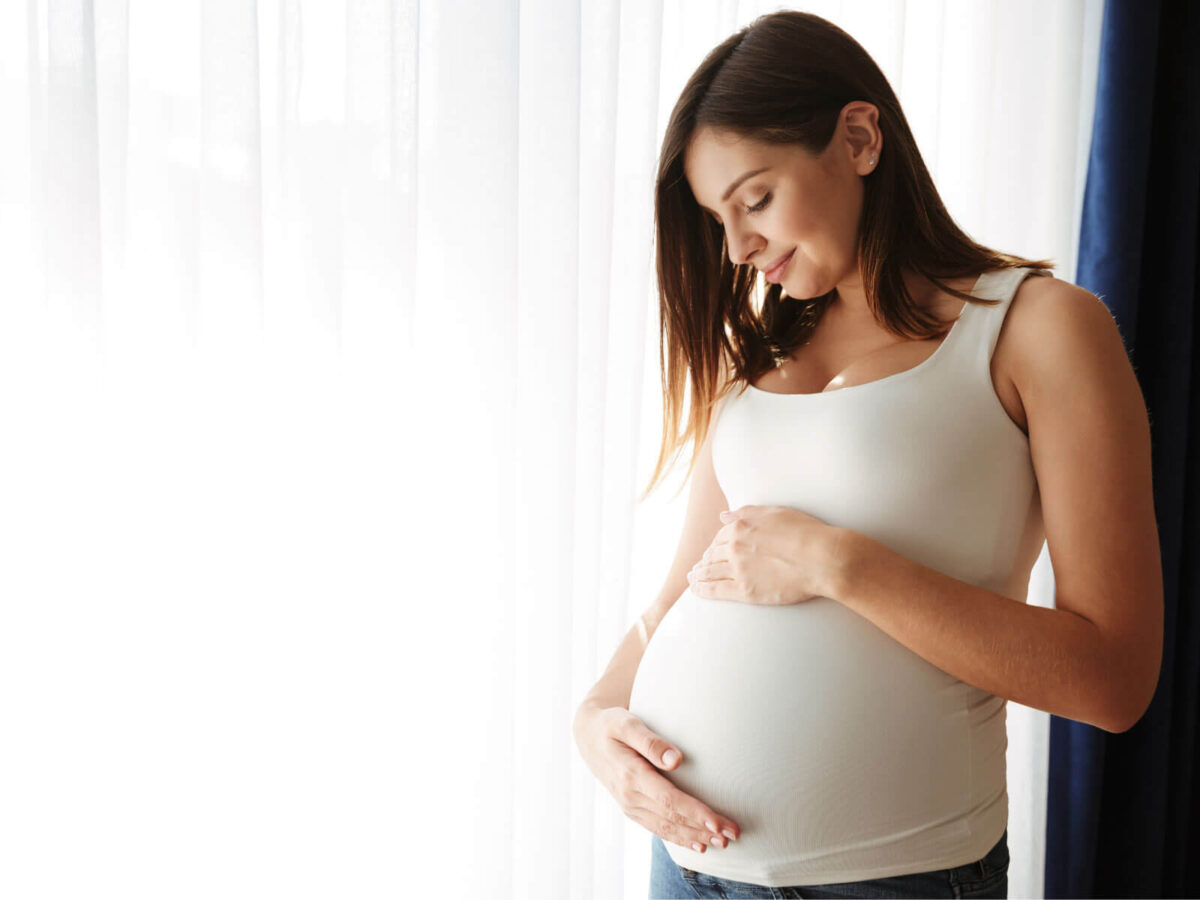
Are Dental X-Rays Safe During Pregnancy? What to Know Before Your Visit
I come across this in almost every prenatal patient I see. They are not sure about X-rays. They would rather wait. They will sort it out once the baby arrives.
That instinct makes sense. Pregnancy sharpens your awareness of anything going near the baby, and radiation is the kind of word that stops people. What I want to do here is give “are dental X-rays safe during pregnancy” a proper answer, because the evidence is clearer than most patients realise, and because putting care off over this concern is not as safe as it feels.
TL;DR
- Are dental X-rays safe during pregnancy? Yes. When clinically necessary and taken with a lead apron, they are safe. The radiation involved is far below any threshold linked to fetal harm.
- The ADA, ACOG, and AAPD – all support dental care throughout pregnancy, X-rays included.
- Delaying necessary treatment is not the neutral decision it feels like. Untreated gum disease showing up in the same picture as preterm birth and low birth weight is not a coincidence the research keeps finding.
What Dental X-Ray Radiation Actually Amounts To
Radiation exposure is measured in microsieverts. A standard bitewing comes in at around 5. A full mouth series runs roughly 35.
That 3,000 annual microsieverts from background radiation works out to about 8 per day from soil, buildings, and the atmosphere alone. A bitewing at 5 microsieverts is less than a single day’s worth of that.
The level at which radiation has been associated with fetal harm sits around 50,000 microsieverts. A review published through the NIH confirmed that dental X-rays with appropriate shielding produce no measurable fetal risk. The gap between a dental X-ray and anything approaching a harmful dose is not a small one.
What the Lead Apron Actually Does
Every patient gets a lead apron regardless of whether they are pregnant, which tells you something. It is not a special precaution for a dangerous procedure. It is routine, and it takes an exposure that was already minimal and brings it to effectively zero at the abdomen.
The apron covers the thyroid and abdomen. A thyroid collar goes around the neck. Digital sensors have replaced film in most practices, and they need a fraction of the dose that older equipment did to get a clear image.
I have looked at the numbers on this more than once. By the time you account for the low baseline dose, the digital equipment, and the shielding, the radiation reaching the fetus is not something I lose sleep over. It does not register as a meaningful exposure.
What Major Health Organizations Recommend
ACOG is direct about it. Dental care during pregnancy, including X-rays when necessary, is safe. Their guidance flags avoiding dental care during pregnancy as something they do not recommend, and names untreated dental disease as carrying its own risks to the pregnancy.
The ADA takes the same position. Preventive care, restorative treatment, and X-rays with shielding. All of it is acceptable throughout pregnancy, and no trimester is off limits for care that is clinically needed. The second trimester tends to be the most comfortable for longer appointments, but that is a practical consideration rather than a safety one.
What I hear more often in clinical settings is not concern about whether X-rays are appropriate. It is frustration that patients are skipping necessary care over a risk that the evidence does not support.
What Delaying Dental Care During Pregnancy Actually Does
Pregnancy does things to the mouth that most patients find out about only after it has already started.
Your gums get more reactive to plaque the moment hormones shift. Morning sickness brings stomach acid past the teeth on a regular basis. Blood flow to the gum tissue increases, so swelling and bleeding that were never an issue before suddenly are. A mouth that was fine at the last checkup can look quite different by week twelve.
Problems that would move slowly otherwise tend to move faster. Someone who puts everything off for nine months can come back postpartum with a situation that did not need to get that complicated.
What I think more patients should know is this. ACOG has documented the link between periodontal disease and preterm birth and low birth weight. That inflammation does not stay in the mouth. An X-ray skipped to be cautious can be the thing that lets a more serious risk go unnoticed.
When Should You Have X-Rays and When Can They Wait
Routine bitewings at a standard recall visit, taken to check between teeth in a patient with no symptoms, can reasonably wait until after delivery. That is a fair call when nothing is actively wrong.
Pain is a different situation. So is a suspected infection, or something a dentist can see but cannot properly assess without an image. Those warrant an X-ray during pregnancy. Skip it, and you skip the diagnosis, which means the treatment waits too, and the problem gets the rest of the pregnancy to run.
Wondering What Dental Care Is Safe Right Now?
An appointment clarifies what needs to happen now and what can wait.
Is It Safe to Have Dental X-Rays While Pregnant in Every Trimester
All three, yes.
The first trimester concern that comes up most often is organogenesis, the period of organ development in early pregnancy. At dental X-ray doses, this concern does not hold up. The exposure is too low to interfere with organ development at any point in the pregnancy.
The second trimester tends to be the most comfortable for longer appointments. Nausea has usually settled, and lying back is still manageable. Third trimester visits are fine when something needs attention, though positioning adjustments help with comfort and circulation. A slight tilt to the left during the appointment is usually enough.
Dental problems do not schedule themselves around trimesters. When something needs an X-ray, the trimester is not the deciding factor.
What to Tell the Dental Office
Mention the pregnancy before the appointment, not once you are already in the chair. It changes how the visit runs.
Lead apron and thyroid collar go on as standard. X-rays get limited to what is clinically necessary. Where there is flexibility on timing, treatment tends to get pushed toward the second trimester.
One thing worth knowing on the medication side. The ADA is clear that untreated pain and infection carry more risk during pregnancy than the local anaesthesia used to treat them. A whitening appointment can wait nine months. An abscess cannot.
FAQ
Are dental X-rays safe during pregnancy?
Yes. A bitewing delivers around 5 microsieverts. That is less than a single day of background radiation, and well under the 50,000 threshold at which fetal risk has been studied.
Is it safe to have dental X-rays in the first trimester?
Yes. The concern about organogenesis does not hold up at dental X-ray dose levels. The exposure is too low to affect organ development, and clinically necessary X-rays should not be put off based on trimester alone.
What if I need a filling or other treatment?
Go ahead with it. An abscess or significant tooth pain during pregnancy is not something to sit on. Most people find the second trimester easier for longer appointments. Nausea has usually settled and lying back is still manageable.
Is it worth telling my dentist I am pregnant?
Yes, before the appointment starts. It means the right shielding goes on, X-rays get limited to what is needed, and the team can make any positioning adjustments that help with comfort.
Conclusion
Are dental X-rays safe during pregnancy? Yes. The exposure is low, the shielding brings it lower still, and every major health organization supports their use when something clinically warrants it.
What tends to get overlooked is the other side of that. The mouth changes during pregnancy. Problems move faster than they otherwise would. Untreated gum disease has documented ties to outcomes that matter for the baby.
For Sinton patients wondering “is it safe to have dental X-rays while pregnant”, the appointment they are thinking about putting off is more likely to protect the pregnancy than to threaten it.
Your Pregnancy Needs Healthy Teeth Too
Most of what you are putting off can happen safely. Some of it really should not wait.