Blog
Dental hygiene tips for healthy teeth & gums
Benefits of Wearing a Night Guard
People usually wake up with a jawache or a dull headache and think it is nothing. It feels random. For many, it is not. Grinding or clenching at night is often the reason, even if they never notice it happening. A night guard helps with that.
Once people understand the benefits of a night guard, the idea usually makes sense. It takes pressure off the teeth. It lets the jaw rest. It also limits the slow damage that builds up over time. This article explains what a night guard actually does and why wearing one at night can quietly prevent bigger problems later on.
What A Night Guard Actually Is
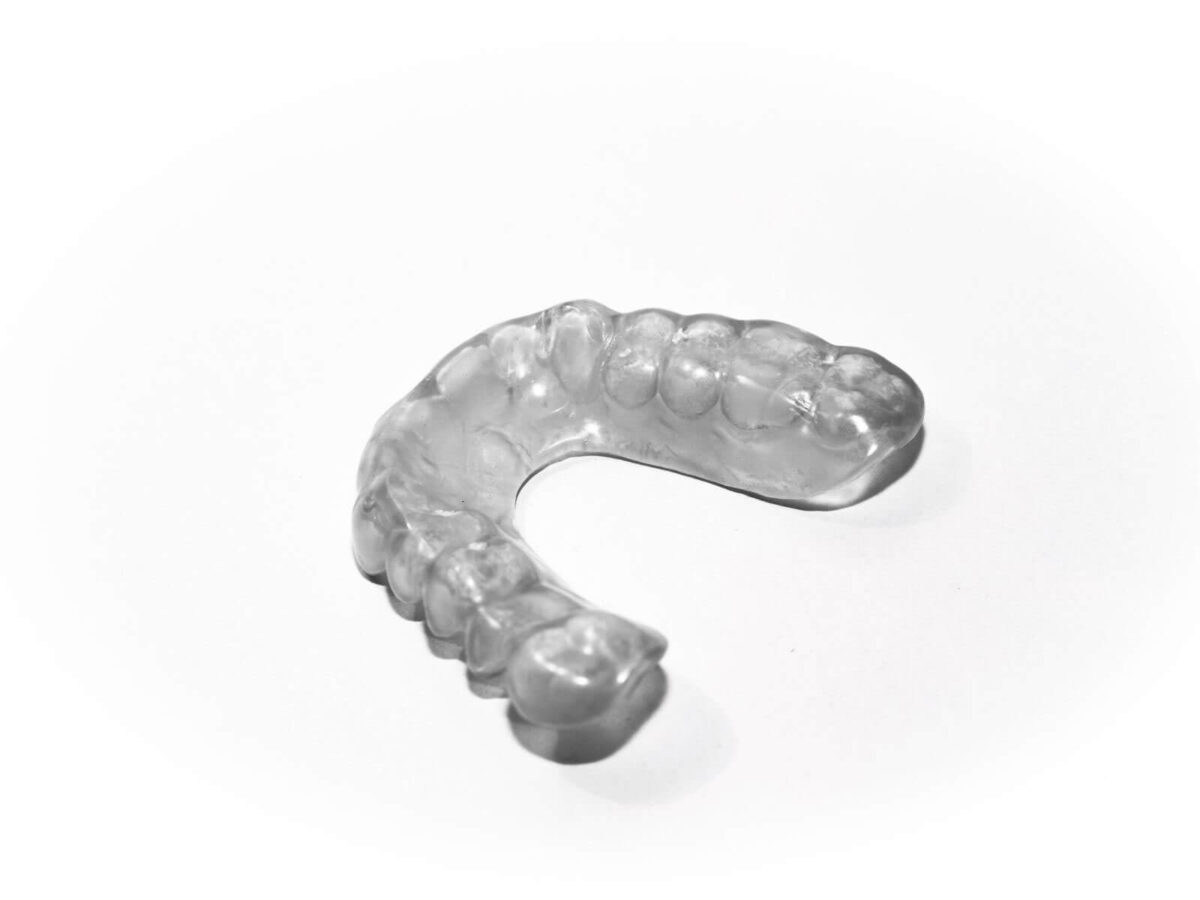
A night guard is a small shield that fits over the teeth at night. It rests between the top and bottom teeth and creates a barrier. That barrier prevents direct rubbing and takes the edge off heavy pressure. Some guards feel soft. Others are more rigid and built to last longer. No matter the design, the idea is simple. Guard the teeth and take pressure off the jaw during sleep.
Protects Teeth From Wear And Cracks
Bite wear is a quiet problem, which is why one of the strongest benefits of wearing a night guard is protection. Grinding slowly damages enamel and flattens teeth without obvious warning. A night guard stops direct contact and reduces that steady wear. Enamel loss cannot be undone. Guarding it now often saves you from pain and dental fixes later.
Reduces Jaw Pain And Tightness
When someone clenches, the jaw stays tense for hours. Nothing relaxes properly. That pressure often shows up later as stiffness or soreness that does not fade quickly. A night guard shifts the contact between the teeth and takes some stress away. The muscles get room to loosen. Pain tends to ease after that. This simple change is one of the benefits of a night guard, especially when days start feeling less uncomfortable.
Lowers Headaches And Facial Pain
Many people with nightly grinding wake with tension headaches or aching behind the ears. This happens because jaw muscles are linked to head and neck muscles. By reducing grinding, a night guard reduces the muscle strain that can turn into a headache. For some, headache frequency drops quite noticeably after starting to wear a guard. It is not a cure for all headaches, but when grinding is a contributor, the guard helps calm that source of pain.
Helps Protect Existing Dental Work
Crowns, bridges, veneers, and fillings feel that stress as well. Grinding can crack or loosen these repairs, and fixing them is costly. One of the practical benefits of a night mouth guard is the extra protection it gives to any dental work. The guard buffers the force and keeps the repairs safer. For people with recent dental work, a night guard is often suggested right away so the investment lasts longer.
Helps Reduce Sensitivity and Cracks
Worn enamel can make teeth sensitive to temperature and pressure. It also leaves the surface more prone to tiny cracks as time passes. Those cracks usually start small, but repeated force can make them worse. A night guard helps by lowering that constant pressure while you sleep. It gives the teeth a break and limits how much force hits the same spots night after night.
Over time, teeth stay healthier and face fewer problems. These are the benefits of a night guard.
Can Improve Sleep Comfort For Some People
Grinding can make sleep feel light and broken. You may not wake up fully, but the body never really settles. For some people, cutting down that grinding with a guard leads to deeper rest. Not perfect sleep, just better sleep. When the jaw is calmer and pain is lower, the body relaxes more easily. Mood improves. Energy comes back. Healing works better overnight.
One of the quieter benefits of wearing a night guard is simply feeling more comfortable from one night to the next.
May Reduce Light Snoring For Some Users
Night guards are not a primary snoring treatment, but they can help in some cases. A guard that changes jaw position slightly may open the airway a bit for certain people and reduce soft snoring. Night guards do not fix snoring for everyone. In some cases, though, people who grind and snore a little notice some relief with the right fit. It helps to ask a dentist if a guard could help in your situation.
Types Of Night Guards And Why Fit Matters
Night guards are generally sold in three styles. Stock guards are not costly, but many people find them bulky and loose. After being warmed, boil-and-bite guards mould to the teeth and usually feel easier to wear. Custom guards are made by a dentist and shaped in a lab to match the mouth closely. These tend to be the most comfortable and durable. Fit really matters. A loose guard can shift, make noise, or wear unevenly over time. Choosing the right fit helps deliver the true nightguard benefits.
How To Choose And When A Dentist Should Be Involved
The right guard depends on a few simple things. How hard someone grinds. If there are crowns, fillings, or any existing dental work to protect. And how the guard feels once it is in the mouth. Mild grinding can often be managed with a boil-and-bite guard to start. Heavier grinding usually needs more protection. Custom guards are often the better choice for people with dental work. A simple exam can also help identify gum or bite issues early. Starting with professional input helps make the choice safer and more practical.
Caring For A Night Guard
A night guard works best when it is kept clean. Rinsing it after use and brushing it gently is usually enough day to day. Dry storage matters more than people think. Heat can change its shape, so hot water is not a good idea. An occasional soak in a mild cleaner helps, but strong products can damage it. Over time, guards wear down. Checking for cracks or thinning helps avoid problems. Simple care keeps it working the way it should.
When To See Help And What To Expect From A Checkup
A night guard should not make things feel worse. If it does, or if grinding seems heavier, a dental visit helps sort out why. The guard may not fit properly, or a different style may work better. There may also be a bite problem that needs attention. Seeing a dentist regularly helps keep an eye on wear and gum health too. That steady check-in is what turns the benefits of wearing a night guard into something long-term.
Final Thought
Using a night guard is a small habit, but it adds protection over time. Teeth wear down more slowly. Jaw pain often eases. Dental work takes less strain. Many people notice the benefits of wearing a night guard quietly, through calmer nights and fewer repairs down the road. A brief dental visit helps confirm if it is the right choice. Fit matters, and bite does too. That quick check often makes things clear.