Blog
Dental hygiene tips for healthy teeth & gums
Different Types of Dental Retainers Explained
Finishing braces feels like the end of the journey. Teeth look straight. Biting feels better. Smiling feels easier. Then the next question shows up, usually with some confusion attached. Retainers. Why are they needed? Which one is given? And whether they really matter. Understanding the types of retainers makes that stage far less frustrating.
Retainers are not an optional extra. Teeth have memory. They try to move back. Retainers hold them in place while the bone and tissues settle. The different types of dental retainers exist because mouths and treatment goals are not all the same.
Why Retainers Are Needed After Braces
Teeth don’t suddenly settle the moment braces come off. Things are still in motion underneath. The bone around the teeth needs time to adjust, and the ligaments that held everything in place during treatment stay flexible for a while. Without some form of support, teeth have a tendency to drift back, often so slowly that people don’t notice it happening.
That’s where retainers come in. They help hold everything steady while the mouth finishes adapting. After months or even years of orthodontic work, that stability matters. Relapse isn’t rare, even when treatment was done carefully and correctly, which is why orthodontists place so much emphasis on retention.
The different types of retainers exist for a reason. Some are removable, some are fixed, and the choice often depends on how teeth tend to move over time.
Removable Retainers And How They Work
Removable retainers are the most familiar option. They can be taken out for eating and cleaning. These are commonly given right after braces.
There are different styles within this category. Each has its own feel and purpose. These removable options make up a large portion of the dental retainer types used today.
They are popular because they are easy to adjust and replace if needed. The downside is consistency. They only work when they are worn.
Hawley Retainers Explained
The Hawley retainer is one of the oldest designs. It uses a thin metal wire across the front teeth and a moulded acrylic base that sits against the roof of the mouth or behind the lower teeth.
This design is durable. It allows minor adjustments over time. It lasts longer than many plastic options if cared for properly.
Some people notice the wire at first. Speech may feel different for a short time. With use, most adapt. Hawley retainers are still widely used among the different types of dental retainers because of their flexibility and longevity.
Clear Plastic Retainers
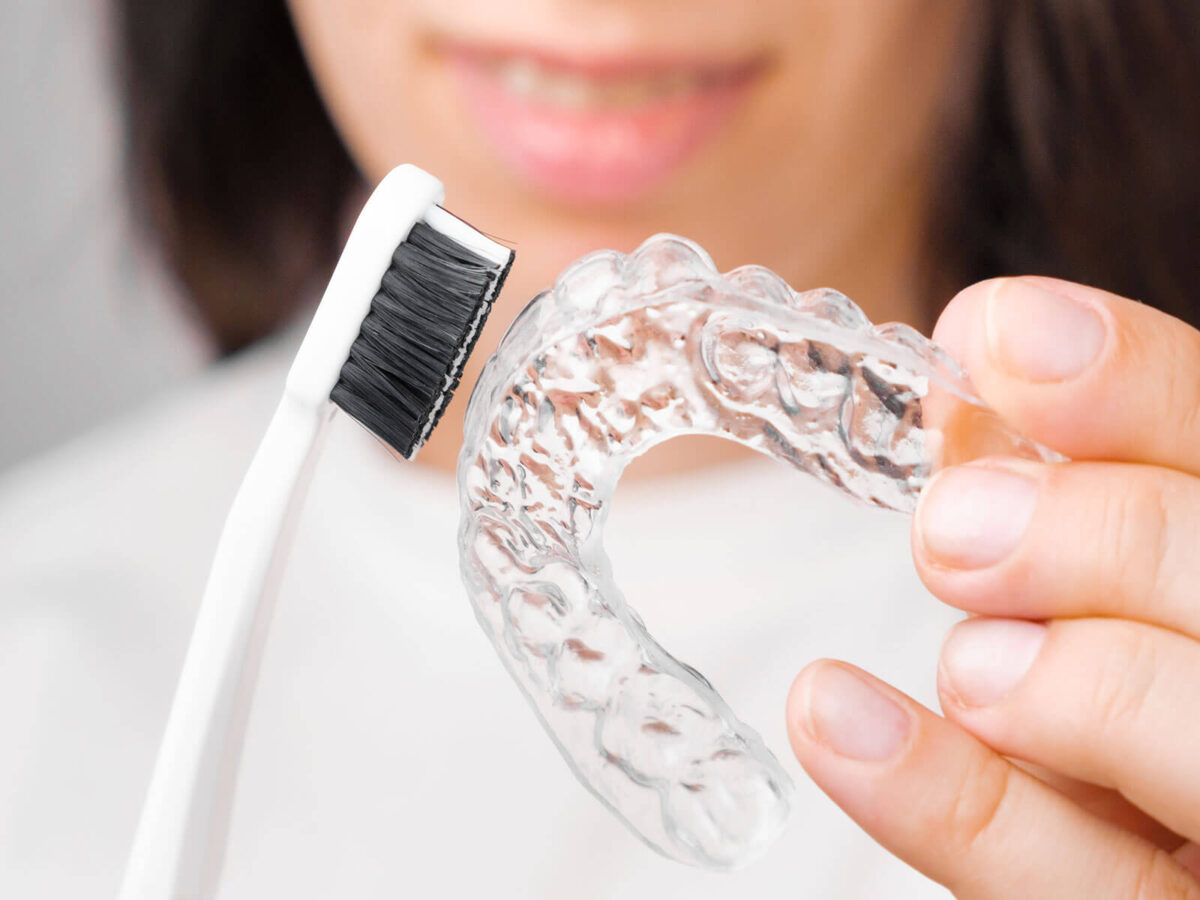
Clear retainers are commonly known as Essix-style retainers. They resemble clear aligners and fit closely over the teeth, which keeps them fairly hard to notice.
Many patients appreciate that they’re discreet and not hard to manage. They’re easy to wear, and cleaning takes very little time. That ease has made them one of the more widely used types of dental retainers.
However, they can wear out faster. Grinding can shorten how long they last, which sometimes means they need to be changed sooner than Hawley retainers.
Fixed Retainers And Why They Are Used
Fixed retainers are bonded to the back of the teeth. A thin wire is attached behind the front teeth, usually on the lower jaw.
This type stays in place all the time. There is nothing to remove or forget. For patients prone to relapse, fixed retainers offer peace of mind.
Among the different types of retainers for teeth, fixed retainers are chosen when long-term stability is a priority. The tradeoff is cleaning. Extra care is needed around the wire.
Upper Vs Lower Retainers
Upper retainers often differ from lower retainers. Upper teeth tend to be more stable. Lower front teeth relapse more easily.
For this reason, fixed retainers are usually used on the bottom teeth, with removable retainers on the top. It’s a common, effective mix.
Understanding this explains why patients sometimes receive more than one of the different types of dental retainers at the same time.
How Long Retainers Need To Be Worn
This question comes up often. The honest answer is longer than most expect. Full-time wear is common at first. Over time, wear may shift to nights only. Some level of retention is usually lifelong. Teeth continue to move with age, and retainers manage that movement.
The retainer someone has often affects more than how long it lasts. It also changes how smoothly it fits into daily routines. Some options are simple to manage. Others take a bit more getting used to over time. That’s why choosing between dental retainer types isn’t only about comfort in the moment. It’s also about how that choice holds up long term and whether it realistically works with everyday habits.
Comfort And Adjustment Period
Most retainers feel a little odd in the beginning. Pressure is expected, and some soreness can show up during the first few days. It’s also common for speech to feel slightly different at first.
That phase doesn’t last forever. As wear becomes more consistent, things usually get easier. Skipping days can interrupt that process and bring the discomfort back.
The experience also depends on the design. Clear retainers often feel snug. Hawley retainers can feel more noticeable because of their shape. Fixed retainers tend to disappear from awareness once the mouth adjusts.
Cleaning And Maintenance
Caring for a retainer is part of making it last. Removable retainers need daily cleaning because plaque builds up quickly on plastic and acrylic. It’s one of those things that’s easier to stay ahead of than fix later.
Fixed retainers require some extra attention during cleaning. It takes practice to get under the wire, and floss threaders or water flossers often help.
When care is ignored, retainers tend to wear out sooner. Proper cleaning often makes retainers easier to live with over time. That seems to apply to all types of retainers, regardless of design differences.
What If The Retainer Breaks Or Is Lost
Retainers are not indestructible. Some crack over time, others bend or loosen without warning. When that happens, teeth can shift quickly. Replacing a retainer sooner helps avoid relapse. That’s usually why follow-up visits still come up after braces. Retainers are treated as part of the process, not something separate.
Cost And Longevity Differences
Hawley retainers often last the longest. Clear retainers may need more frequent replacement. Fixed retainers last for years but may require rebonding.
Price can change based on materials and how often replacements come up. Looking past the initial cost usually gives a better sense of value. That perspective helps people understand what retention really looks like over the long run.
Why Wearing Retainers Is Not Optional
When teeth shift after braces, it’s often tied to retainers not being worn regularly. Movement does not mean treatment failed. It means retention failed. Retainers protect the investment already made.
They preserve results quietly, day after day. Among all orthodontic steps, retention is the one that determines whether results last.
Final Thoughts
The different types of dental retainers exist for a reason. No single option works for everyone. Some people need removable retainers. Others benefit from fixed ones. Many use a combination.
Understanding the types of retainers makes the final stage of orthodontic care less confusing and more manageable. Retainers are not the end of treatment. They are what make the result stick.
If you feel unsure about which types of dental retainers suit you, a follow-up visit helps. A quick check looks at fit, stability, and long-term retention needs. Consistent retention helps keep teeth straight right where they belong, comfortably.