Blog
Dental hygiene tips for healthy teeth & gums
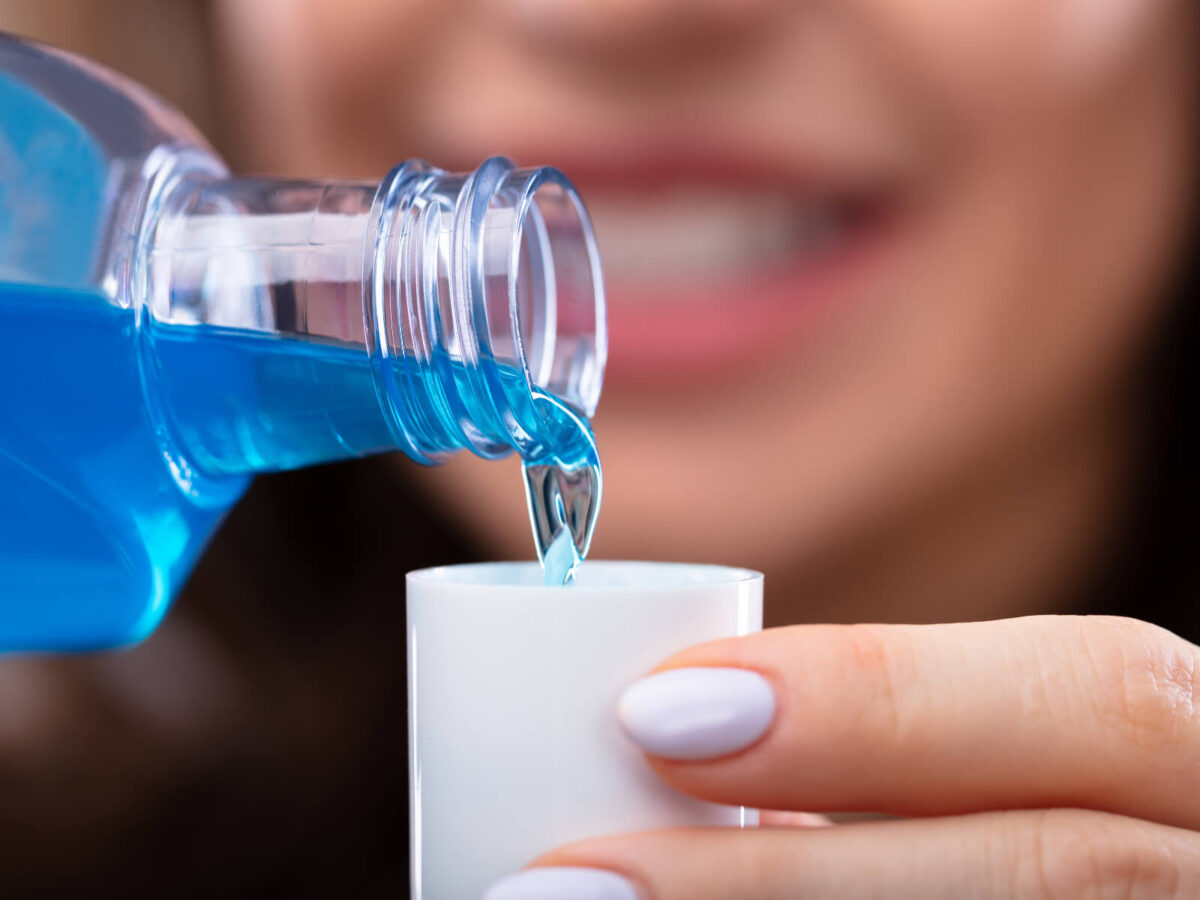
How To Choose The Right Mouthwash For Oral Thrush
You wake up one morning, and something is not right somewhere. Your mouth is parched and your tongue is sore, and you have strange white spots on the inside of your cheeks. You rinse, brush, even gargle with warm salt water—but nothing changes. That chalky, coated feeling sticks around.
Yes. You might be dealing with oral thrush.
It’s more common than most people think. We see it pretty often here at our Sinton Dental Office, TX—especially in folks recovering from illness, taking antibiotics, or managing dry mouth.
The good news? You can treat it. The better news? Having a good mouthwash helps.
So, What’s Oral Thrush Anyway?
A fungus is behind oral thrush. A large amount of “Candida albicans” yeast in your mouth brings on thrush. Normally, it lives in your body without causing problems. But sometimes, the balance in your mouth gets thrown off, and this yeast grows out of control.
That’s when symptoms show up. Random white patches on your mouth, an unusual taste, plus pain in your mouth. In some instances, it makes eating uncomfortable.
If those words sound familiar, do not panic. It can be treated–a lot less scary than it seems.
Why Mouthwash Plays a Role
If you imagine the treatment of an infection, you likely see antibiotics, or pills. But, in case of thrush, mouth washing helps get rid of yeast, soothes inflamed tissue, and discourages spreading.
The trick is in using a rinse that helps you to heal and not one that dries out your mouth more or feeds the yeasts further.
That’s where the right oral thrush treatment mouthwash can make all the difference.
What To Look For In a Mouthwash
The ideal mouthwash should be gentle but effective. Not every over-the-counter rinse will do the trick, though. Some can actually make things worse. In short, these are the things you should be searching for:
1. Antifungal ingredients: In moderate to severe cases, prescription rinses, such as nystatin, are commonly used. They’re made to target fungal infections.
2. Baking soda: Yep, that simple white powder can work wonders. It helps balance pH levels in your mouth, which slows yeast growth.
3. Chlorhexidine: Found in some dentist-recommended rinses, this antimicrobial solution can be really helpful—just make sure it’s prescribed or recommended by your Sinton Dentist, TX.
4. Tea tree oil: Natural, plant-based, and antifungal. Some natural rinses include it for extra support.
5. Hydrogen peroxide (diluted): Used carefully, it helps cleanse the mouth, but only in low concentrations.
What You Should Avoid
Some mouthwashes may seem like they’d help, but they do the opposite. Alcohol-based rinses? Big no. They dry out your mouth, which can make thrush worse. Sugary or sweetened mouthwashes? Yeast feeds on sugar. Enough said. Whitening rinses? They can be too harsh for already sensitive tissue. So stick with gentle, yeast-fighting ingredients—and skip the flashy stuff for now.
Natural Alternatives That Might Help
If you can’t get to the store right away or want to try something while waiting for your dental visit, a few home options can bring some relief:
- Warm salt water rinses (1/2 tsp in a glass of water)
- Baking soda rinse (1 tsp in a cup of water)
- Apple cider vinegar diluted in water (though this can sting if the infection is bad)
These won’t cure a full-blown infection, but they can slow things down and make your mouth feel a little better in the meantime.
When to Call a Dentist
Sometimes, people wait too long. They try every home remedy on the internet, but that white coating doesn’t budge—or it gets worse.
If that happens, don’t wait. Go ahead and call the Sinton Dental Office in TX. Your dentist can take a quick look and tell you what’s going on. If it’s oral thrush, they’ll guide you to the right treatment—maybe a prescription rinse, antifungal meds, or both.
If you treat it in its early stages, you may avoid discomfort for a longer period.
Can It Come Back?
Unfortunately, yes. Thrush can return, especially if the underlying cause isn’t addressed.
To keep it from coming back, your routine matters. Here’s what helps:
- Brush your teeth twice a day and clean your tongue.
- Rinse your mouth after using inhalers.
- Keep dentures clean and remove them at night.
- Avoid smoking.
- Cut down on sugar and processed foods.
And most importantly, schedule regular visits with your Sinton Dentist, TX.
The best way to keep problems away? Keep your mouth clean and in good balance.
Which Mouthwash Is Right For You?
Its recommendations depend on your current health symptoms and past diseases.
If your case provides mild symptoms, a baking soda or tea tree oil rinse should help. If symptoms are stronger or don’t get better after a few days, it is time to consider prescription options. Your dentist may advise you to use nystatin or a chlorhexidine rinse, both are different in terms of the nature of use depending on one’s needs.
Consult your dentist and allow them to help you make up your mind. First steps toward change could help you feel much better sooner.
Final Thoughts
Oral thrush isn’t fun, but it’s manageable. It helps to treat your skin as soon as you can, and choose the right products for it. Not every rinse is going to help, but the best mouthwash for oral thrush can bring fast relief when used properly.
If you’re unsure where to start, your local Sinton Dentist TX, can walk you through your options. Sometimes, all it takes is a simple rinse and a few daily changes to get your mouth back to normal.
And once it’s under control? Keeping it away just means staying consistent—and listening to what your mouth’s trying to tell you.