Blog
Dental hygiene tips for healthy teeth & gums
Invisalign vs. Braces: Which Is the Better Choice for You
Straightening teeth doesn’t follow one script for everyone. Some people like a quieter option that fits into life without much fuss. Others feel better with something more structured and steady. And that’s really when the talk around Invisalign vs braces comes up.
They both do the job of improving alignment, sure, but the experience day to day can feel completely different. Different habits, different adjustments, different comfort levels. Understanding those parts helps a person decide what actually feels right. It also makes the choice between braces vs Invisalign a lot clearer than it seems at first.
How Invisalign Works in Daily Life
Invisalign uses clear aligners shaped to move teeth a little at a time. Each set pushes things forward just enough to notice over the weeks. The trays sit over the teeth like a thin, smooth shell, and they fit so closely that most people barely see them. It’s a big reason someone chooses this over other methods in the whole Invisalign vs braces discussion.
You take the aligners out to eat, which makes meals feel normal again. Brushing and flossing stay simple, too, since nothing blocks the way. That kind of flexibility matters for adults and teens who want straighter teeth without the look or routine of traditional hardware.
How Braces Guide Stronger Movements
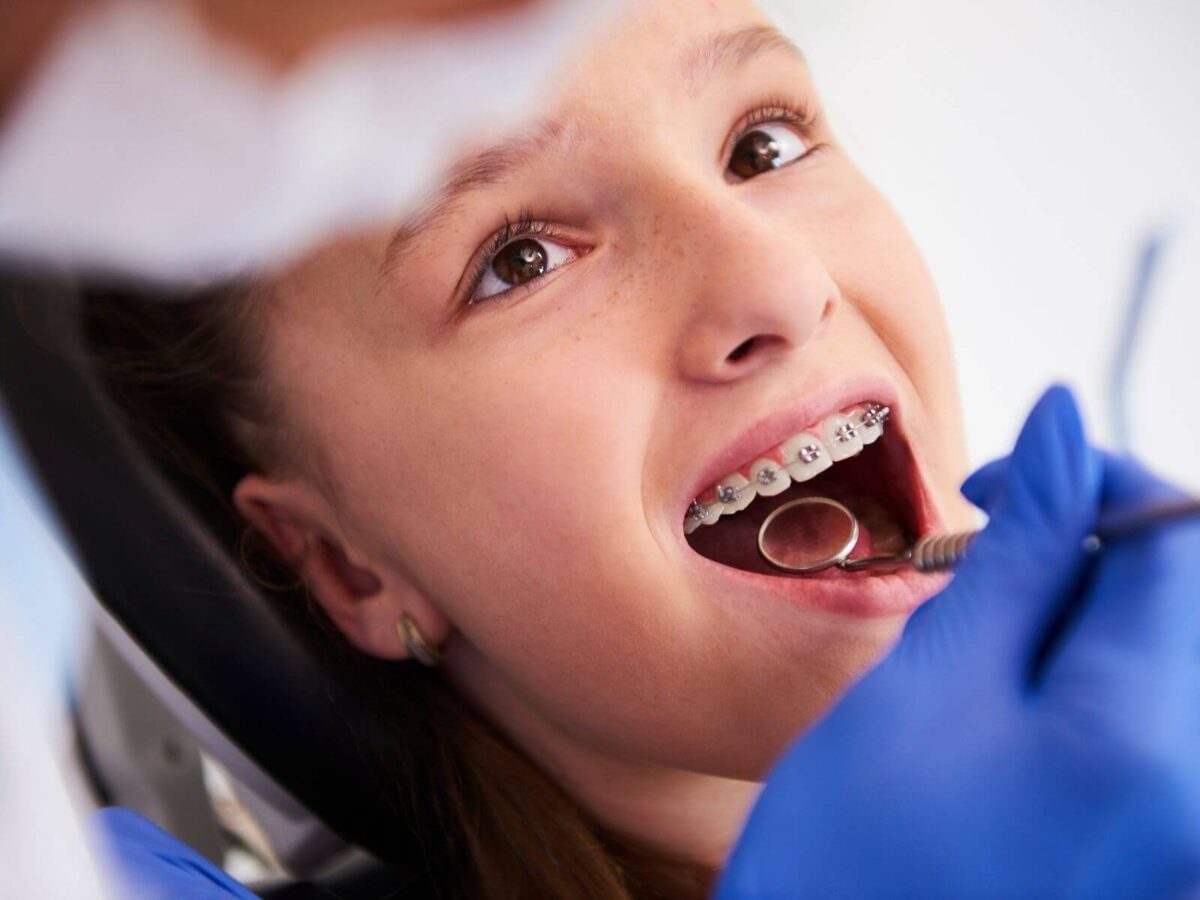
Braces use brackets attached to each tooth with a wire running through them. This system gives the orthodontist precise control over how teeth move. Adjustments during visits slowly shape the smile into alignment. This method has been used for many years and has a strong history of success.
The structure of braces does not depend on patient reminders. They remain in place at all times. For people who want a treatment that stays active without daily worry, braces make a steady process that works constantly.
Comfort and Appearance Throughout Treatment
Many people think about braces vs Invisalign to understand how each option fits into daily habits. Invisalign has a smooth feel and usually causes less rubbing on the cheeks. Braces use brackets, and those can irritate the mouth at first until everything settles in.
Appearance matters just as much. Clear aligners don’t draw attention, while braces are more visible, even with their smaller modern brackets. For most people, the choice ends up being about what feels manageable and what they feel comfortable showing when they smile around others.
Eating and Oral Care
Meals look different depending on the treatment. Because aligners come out before meals, food doesn’t get stuck. Sticky or hard foods feel easier to handle that way. Brushing stays easy each day because the trays come off fully.
Braces require more careful choices with food. Hard or very chewy items may damage the wire or brackets. Cleaning also takes more time because flossing around brackets requires patience and attention. These differences influence decisions when people wonder which is better, Invisalign or braces, for their lifestyle.
How Each Option Handles Complex Cases
It’s common to hear someone ask, “Is Invisalign better than braces?” because they want something simple and smooth. Invisalign helps with many everyday alignment issues and continues to advance each year. But more complex cases often respond better to braces because brackets give orthodontists more control. That’s when expert guidance really matters. The best choice depends on how your teeth sit now and the kind of movement they actually need.
Keeping Up With Treatment
Both treatments need commitment, just in different forms. Aligners only do their job when they’re worn long enough each day. Forgetting them or leaving them out for long periods slows progress. People who enjoy flexibility but stay disciplined often appreciate this method.
Braces stay on all the time. They do not depend on reminders or routines beyond good oral care. This makes them useful for younger patients or anyone who prefers a system that stays active without daily decisions. That steady structure helps explain the difference between braces and Invisalign in long-term success.
Speech and Adjustment Periods
The first days with braces or aligners feel different for everyone. Aligners sometimes cause small speech changes while the tongue adjusts, but that usually settles fast. Most people barely notice it after a short stretch.
Braces can make the start feel a little more noticeable since the brackets sit against the lips and cheeks. They get used to the new shapes slowly. Warm salt water or orthodontic wax can make that adjustment easier. With time, both options feel normal. Each person gets comfortable in their own way.
The Road Ahead and the Results That Follow
Treatment length depends mostly on what the smile needs, not just the method used. Some people finish a little faster with aligners because they stick to the plan. Others move along better with braces because the brackets keep working around the clock. Everyone’s pace is a bit different.
Ask “What is the difference between Invisalign and braces?” and the answer ends up pretty simple. Both are meant to create a balanced, healthier smile. The journey changes, not the goal. And with routine visits, both options stay safe and predictable.
Lifestyle Considerations and Personal Comfort
Daily habits matter when choosing between the two. People who travel often or enjoy many meals away from home may prefer aligners because they come out so easily. Those who prefer not keeping track of anything extra may lean toward braces.
Sports and physical activities also influence the decision. Aligners offer a smooth surface during contact activities. Braces may require more protection depending on the sport. Small details like these help decide what’s better, braces or Invisalign, for each person’s routine.
Finding the Right Fit
Choosing Invisalign or braces isn’t about picking the “better” one. It’s about what suits the patient and what feels easier for them. The dentist or orthodontist watches jaw motion and the mouth’s overall health. Then they steer the patient toward the option that looks like it will help the most.
This clarity helps remove confusion. People leave the appointment knowing the treatment recommended for their needs, not just what sounds appealing. Understanding “Is Invisalign more effective than braces?” becomes easier when guided by someone who studies alignment every day.
So, Which Is Better, Invisalign Or Braces?
Straightening teeth becomes an investment someone carries forever. When the system fits well, confidence shows up at home, at work, and in everyday social moments. It influences oral health for years ahead. That is why choosing carefully is very important. Both options offer strength. Both can transform a smile patiently and safely.
Thinking about appearance, comfort, lifestyle, and dental needs helps the choice become clearer. The final decision should feel natural, not quick.
Ready to Begin Your Alignment Journey
A consultation provides answers based on your teeth, your goals, and your comfort. Whether aligners or braces become the better path, the result aims for a balanced smile that feels good every day. Starting with a simple visit helps set the direction for a confident future.