Blog
Dental hygiene tips for healthy teeth & gums
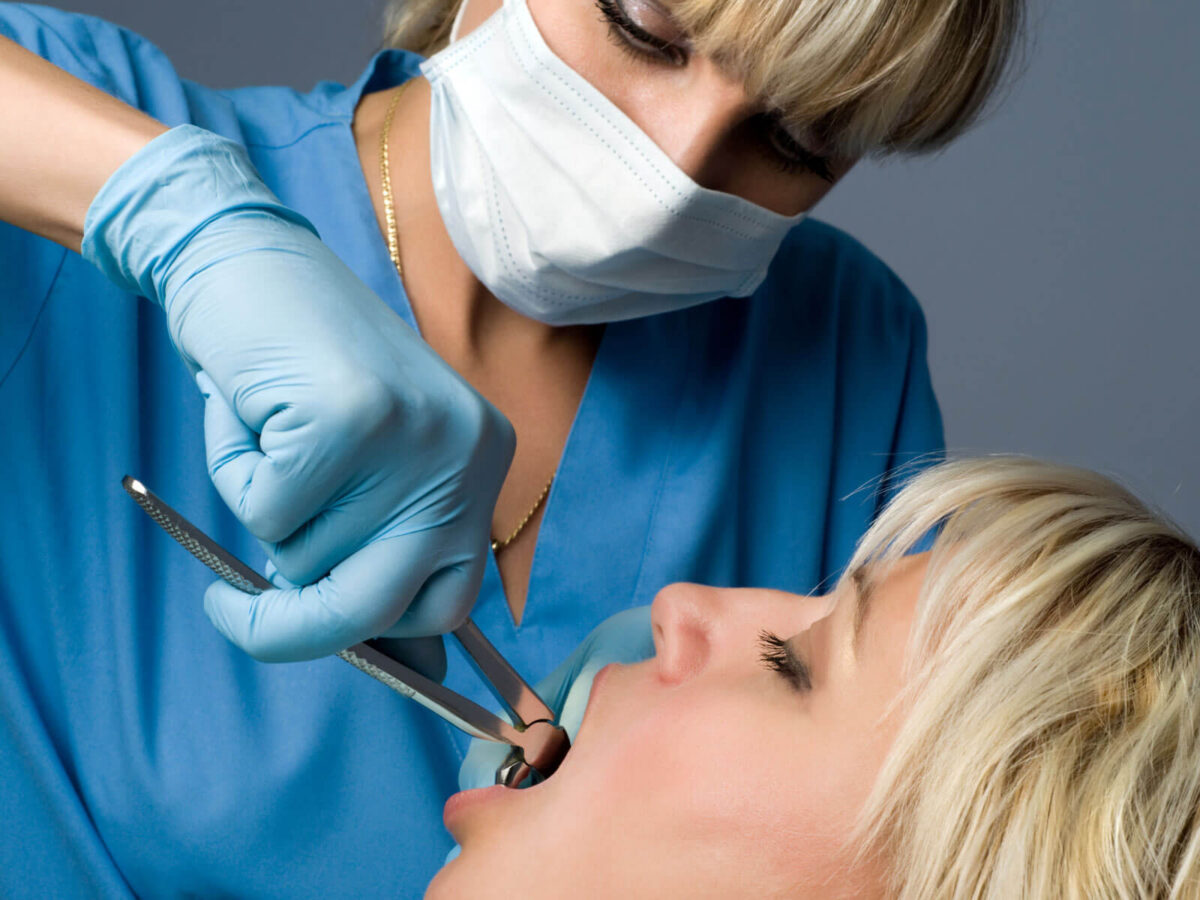
Can You Get a Tooth Extracted and Implanted on the Same Day?
Tooth loss isn’t something people schedule into their lives. It tends to build up quietly, whether that’s a fracture that never quite stabilises or a lingering infection that keeps coming back. Eventually, saving the tooth just isn’t realistic anymore. Once extraction becomes part of the conversation, most people immediately wonder what happens next and whether they’ll be left waiting with a visible gap.
When extraction becomes part of the plan, conversations about same-day tooth extraction and implant treatment tend to follow. Most people don’t love the idea of a gap or a drawn-out timeline. If the tooth can be removed and replaced in the same appointment, it sounds more straightforward than spacing it out over several months.
Still, deciding on an implant same day as extraction isn’t just about convenience. A same-day extraction and implant depends heavily on the condition of the surrounding bone and tissue. The real deciding factor isn’t the calendar, but whether the body is ready to support it properly.
What Is “Same-Day Tooth Extraction and Implant”?
With a same-day tooth extraction and implant, the implant post is placed right after the tooth is removed. All of this happens within the same appointment. Instead of waiting months for healing before moving forward, the replacement process begins immediately while the area is still prepared.
The older approach involved taking the tooth out and pausing there. They waited to place the implant until the bone and gums had recovered. It was predictable, and for many years, it was considered the safest approach.
Over time, research began to show that in certain cases, immediate placement could be just as successful. According to studies summarised by the National Library of Medicine, immediate implants can have survival rates comparable to delayed placement when case selection is appropriate. [Source]
Why Would Someone Choose an Implant Same Day as Extraction?
The biggest reason is time. Healing after an extraction alone can take months before an implant is added. That stretches the overall process significantly. For many patients, that delay feels frustrating.
Bone changes are part of the picture too. Once a tooth is removed, the jawbone in that area doesn’t just stay the same. The American Dental Association has noted that bone loss can begin fairly quickly when the space is left empty. Sometimes, placing the implant at the same time gives the bone support before it has much chance to shift. [Source]
The emotional peace matters more than people admit. If the replacement starts the same day, you don’t walk out feeling like the story paused halfway through. It feels like progress, even if everything still needs time to heal properly.
Is Everyone a Candidate for Same-Day Extraction and Implant?
This is usually the point where timing becomes less about preference and more about what’s actually there. Some extraction sites are strong enough to handle an implant right away, and some simply aren’t. The bone has to be steady and intact enough to support it from the start.
There are situations where everything looks ready, and others where it simply doesn’t. Infection can linger. Bone can feel softer than expected. That’s usually when dentists pause instead of moving straight ahead, not because it’s impossible, but because timing matters more than speed.
It isn’t only the extraction site that matters. Smoking and uncontrolled diabetes can change how the body heals. The American Academy of Implant Dentistry has pointed out that careful evaluation becomes especially important when those factors are part of the picture. [Source]
How Does Healing Work After Same-Day Extraction and Implant?
Even though the implant is placed immediately, healing still takes time. The metal post must fuse with the jawbone in a process called osseointegration. That typically takes several months.
During this period, the visible crown is often placed later, once integration is confirmed. In some front-tooth cases, a temporary crown may be added for cosmetic reasons, but it isn’t usually the final restoration.
Healing isn’t rushed just because placement was immediate. The biology remains the same. The difference is simply when the implant post is inserted.
Are Success Rates Similar to Traditional Implants?
When properly planned, success rates for immediate implants are very high. Research in peer-reviewed journals has shown survival rates above 90 percent when patients are chosen carefully. The outcome tends to depend heavily on who qualifies and how suitable the site is from the beginning. [Source]
However, immediate placement requires precision. The implant must achieve strong primary stability at the time of placement. Without that stability, the risk of failure increases.
This is why a detailed examination, including imaging such as 3D scans, is usually done before recommending an implant on the same day as extraction. Planning determines outcome.
What Are the Benefits and Risks of Same-Day Extraction and Implants?
Some patients prefer the idea of getting it done in one appointment instead of spacing procedures out over months. It can feel less disruptive and easier to move past. There’s also the matter of bone changes after an extraction. The body begins adjusting almost immediately, and in some situations, placing the implant sooner may limit how much that area reshapes over time.
Still, the approach depends heavily on what the site looks like once the tooth is out. If there’s an infection or the bone doesn’t feel stable enough, waiting often makes more sense. The timing tends to follow what the body is showing rather than a fixed plan.
What Should You Expect During the Procedure?
With a same-day tooth extraction and implant, the process doesn’t feel like separate chapters. The damaged tooth is taken out carefully. It is done with an effort to avoid disturbing more bone than necessary. After the tooth comes out, things don’t immediately jump to the next step. There’s a moment where the area is looked at more closely, because it can look different once everything is exposed. Sometimes the area looks ideal. Other times, it doesn’t feel quite as simple as it seemed earlier.
When the bone holds firm, the implant may be placed without much pause. If it doesn’t sit tightly everywhere, extra material can be used around it. After it’s closed, nothing suddenly feels different. Just some swelling and careful eating for a bit.
FAQs
Is same day tooth extraction and implant painful?
During the process, you’re numb. That surprises people. It can feel a bit sore afterwards. It is just part of the healing.
How long does healing take after?
While the implant is placed the same day, the bone takes its time. A few months isn’t unusual before it fully bonds and stabilizes.
Can any tooth be replaced?
Not automatically. Bone strength and infection control determine whether it’s possible.
Is same-day extraction and implant more expensive?
It can be. It may even balance out if fewer surgical appointments are needed. There isn’t one fixed answer.
Does it help you finish treatment sooner?
Yes. It may mean fewer months of waiting around.
Is waiting ever safer?
Sometimes. Stability matters more than speed.
Is Same-Day Tooth Extraction and Implant Right for You?
If you’re preparing for a tooth removal and hoping the replacement can happen immediately, it really comes down to what’s happening beneath the surface. Some situations allow for immediate placement, others don’t. It depends on what the bone looks like once everything is evaluated. A proper consultation with an experienced implant dentist is usually the next move. They’ll review imaging and check the site carefully before recommending a same-day tooth extraction and implant. Getting that clarity early simply makes the decision easier.