Blog
Dental hygiene tips for healthy teeth & gums
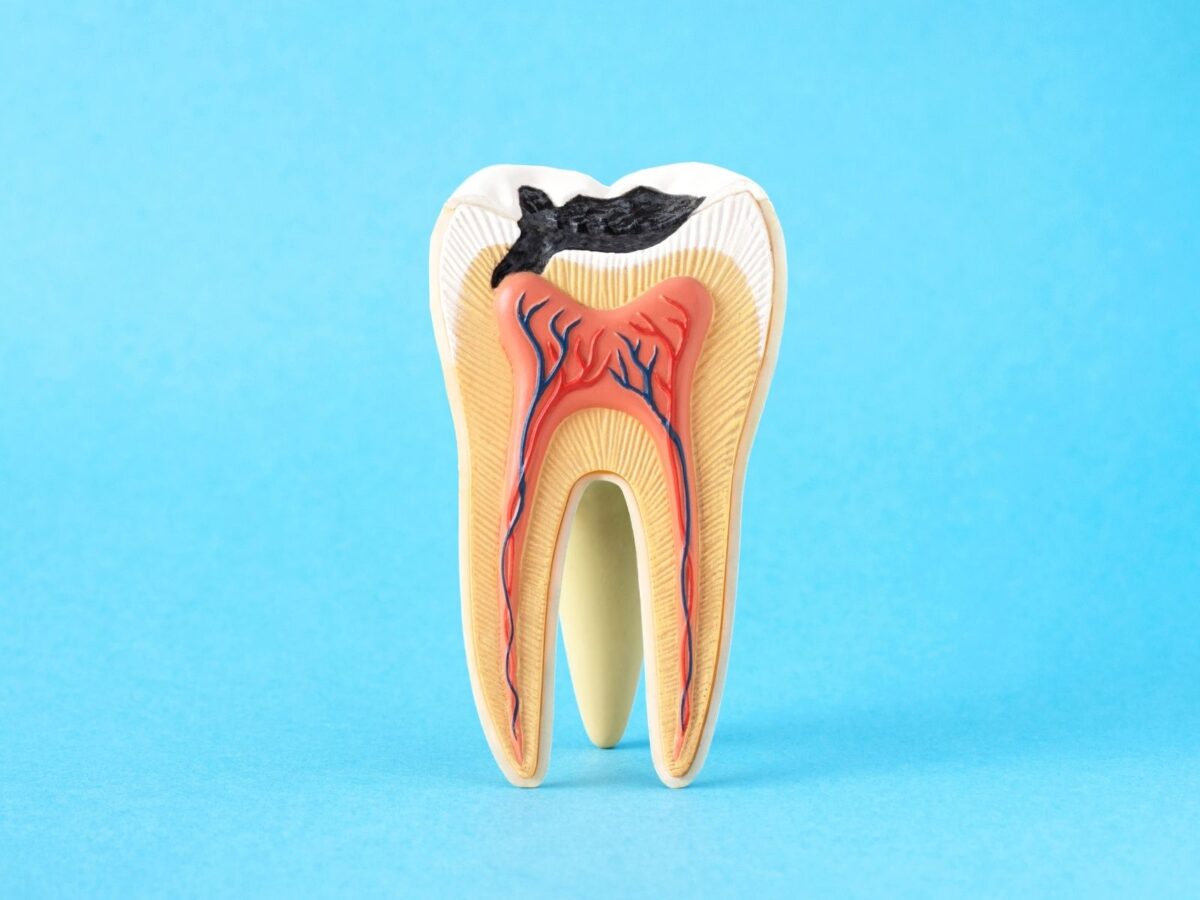
Root Canal Infection: How to Recognize It and What to Do Next
A root canal is supposed to take care of the problem. That’s usually the expectation going in. Something hurts, you get it treated, and you expect it to settle after that. And a lot of the time, it does.
But it is not always that clear. The tooth can feel fine for a few days, or even longer, and then something small starts to feel off again. It’s not sharp pain right away. More like pressure, or a kind of dull discomfort that you can’t ignore but also can’t fully explain. You start noticing it in random moments.
That’s usually when the question comes up—whether this is just part of healing, or if it could be a root canal infection starting to develop.
Why an Infection Can Still Happen
It does not seem like it should happen. The inside of the tooth is already cleaned, so in theory, that should be it. But it does not always work out that simply. The inner structure has tiny spaces and branches, and sometimes those areas don’t get fully cleared out.
Other times, the issue isn’t what was left behind but what happens later. It can come down to something small. A gap, a crack, or even a weak seal. That is sometimes enough for bacteria to slowly get back in. Not very common, but it does happen.
The American Association of Endodontists notes that most root canal treatments do work well, often in the 85–90% range. Still, in some cases, issues can come back. When a tooth root canal infection shows up, it is often linked to something small that did not fully settle.
What It Starts to Feel Like Over Time
The tricky part is how subtle it feels early on. At first, it might just be a slight difference when you bite down. Not pain exactly, just something that does not feel quite right. You notice it briefly, then forget about it. And then it shows up again later. That kind of pattern can repeat for a while before it starts to stand out more.
Sometimes the discomfort stays mild but consistent. Other times, it builds slowly. The gum around the area might feel a little tender. You might also notice some sensitivity to heat that was not there before. It is not always strong enough to stand out right away.
These can be early symptoms of root canal infection, but they do not always feel serious. That is usually why people wait, even without realizing it.
When It’s Just Recovery and Nothing More
After a root canal, the area needs time. The surrounding tissue can stay sensitive for a bit if there was swelling before the treatment. If the root canal is hurting a bit at first, that can be expected. It does not always point to a problem. It is more about whether it settles or starts to feel different.
If it improves gradually, that is usually a good sign. But if it does not really change, or comes back after getting better, it feels different. Not necessarily worse, just… not settling. That’s usually when people begin to question it.
Signs That Don’t Seem Important at First
Not every infection shows up in a way that is easy to point out. Sometimes it is just a small change, and even that is not very clear at first. The tooth might feel a little raised when you bite, or there is some pressure that feels slightly different, but not enough to really call it pain. Just… not quite the same.
You notice it briefly, then you forget about it. It is not something that stays. Sometimes there is even a faint taste, though it is not always there. It is the kind of thing you do not really pay attention to at first. But when it keeps coming back? You just know something is off.
What Happens If You Just Let It Be
It doesn’t always get worse right away. In some cases, it is mild for a short time. This is why it is not thought much of by many people. However, in a few days, the infection begins to spread. It goes past the tooth and begins attacking the surrounding tissue or even bone.
The Mayo Clinic explains that if dental infections are not treated on time, they can lead to bigger issues. Everything may seem under control initially. After a while, it will not be like that.
How Dentists Check What’s Going On
It’s not always visible from the outside. Dentists usually combine what you’re feeling with what they can see through imaging. X-rays help show what’s happening beneath the surface, especially around the root. Sometimes it is clear right away. Other times, it just takes a while to really know what is going on. It is not always obvious in the beginning. A root canal infection is not usually diagnosed from a single symptom. It comes down to the bigger picture.
What Treatment Might Involve
The next step is not always the same. It depends on what is going on with the tooth. Sometimes it can be treated again. It is reopened, cleaned more carefully, and sealed again. It may seem repetitive, but it can help when the problem has not spread too far.
Other times, a small surgical step is needed to clean around the root itself. And in some cases, if the tooth cannot be saved, removal becomes the option. It really varies from case to case.
Why It’s Easy to Put It Off
One of the main reasons people delay getting it checked is that it doesn’t always feel urgent. A tooth root canal infection can stay in that in-between stage where it’s noticeable but not painful enough to act on right away. You adjust to it, or assume it will settle eventually. But that waiting period can stretch longer than expected. It is not about doing things quickly. It is more about not letting it sit for too long.
How Common This Actually Is
Root canals are generally reliable. Most treatments work without issues, and a lot of people do not have complications afterward. Still, reinfection can happen in some cases. That is why symptoms that do not settle are taken seriously. So if something feels off, it’s not unusual to question it.
FAQs
What symptoms should you be careful for?
It can feel like discomfort. Sometimes there is slight swelling. You may notice pressure when biting. Heat sensitivity can also show up.
Can a root canal infection come back again?
It can happen. Not in every case, though. Sometimes bacteria remain. Or they find a way back in later.
Why does it still hurt after the treatment?
At first, some level of discomfort can be expected. That part is expected. But if it stays or comes back, it should be checked.
What is done if there is a tooth root canal infection?
It is all about the situation. Sometimes retreatment works. In other cases, a small procedure is needed. And sometimes, the tooth may need to be removed.
Conclusion
A root canal infection does not always show up the way people expect. It is not always sharp pain or something obvious. Sometimes it is just a feeling that something is not quite right with the tooth. It is easy to overlook in the beginning, mainly when it is not there all the time. But it tends to come back often enough to notice.
If it still feels off after a while, even slightly, getting it checked can help. It is usually quick, and at least you are not left guessing what is going on. Otherwise, you are left trying to figure it out based on small changes that are not always clear.