Blog
Dental hygiene tips for healthy teeth & gums
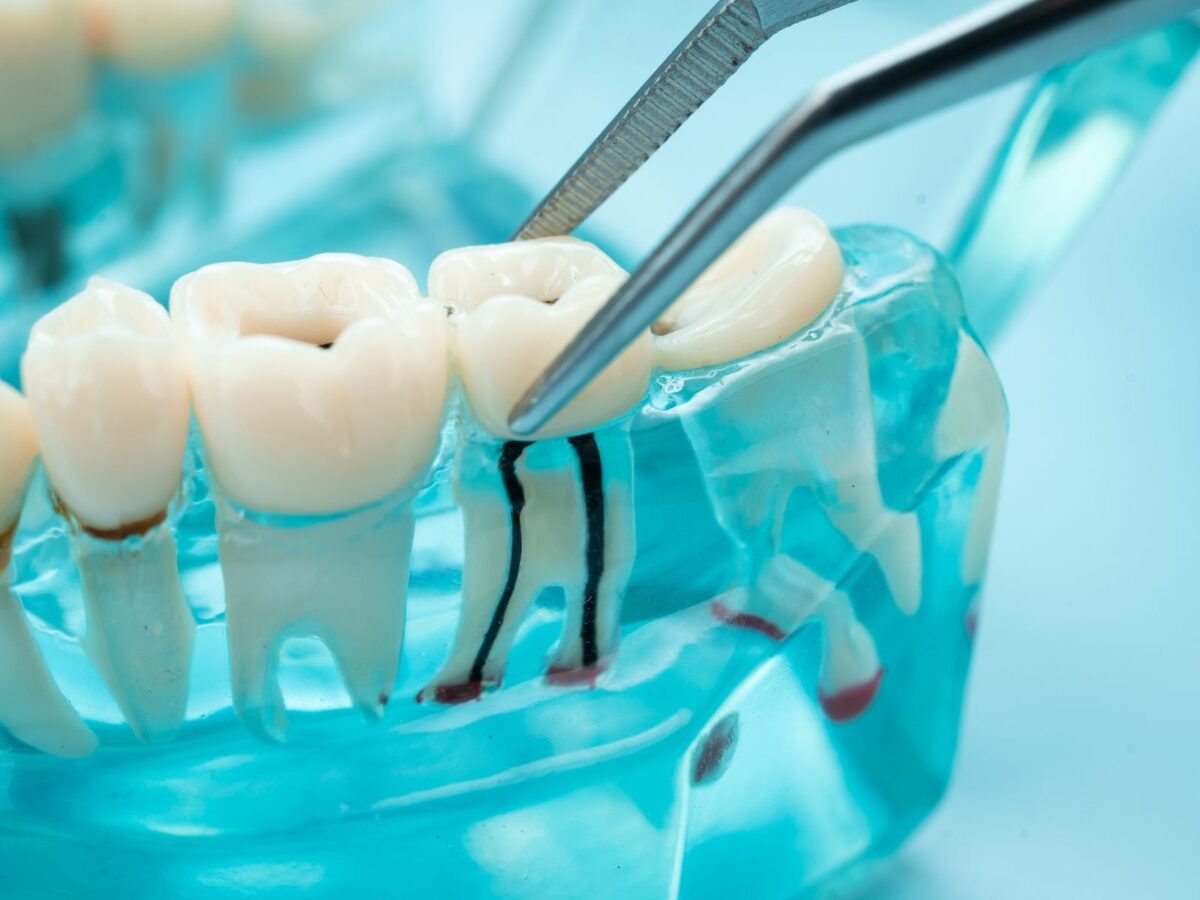
Do You Need an Emergency Root Canal? Signs and What to Expect
Most dental pain doesn’t feel urgent in the beginning. It tends to build gradually. Just a little sensitivity, maybe some discomfort. The kind of thing you notice, but don’t feel the need to act on immediately. It’s easy to put off. For a while, it even seems manageable. Then it changes. The pain becomes sharper, or simply harder to ignore than before. It no longer comes and goes the same way.
That’s when the thought creeps in. Should I get it checked? Should I just wait? And suddenly, the idea of an emergency root canal doesn’t feel so far off.
What Makes a Root Canal an “Emergency”
Not every root canal situation is urgent. Some are planned in advance, scheduled like any other procedure. But an emergency root canal treatment is different. It’s not about timing for convenience. It’s about stopping something that’s actively getting worse. Usually, that “something” is an infection inside the tooth.
And when bacteria reach the inner part of the tooth? They start causing inflammation and pressure that builds quickly. That’s what creates the intense pain people associate with emergencies. It’s not just discomfort anymore. It’s something that interrupts your day, your sleep, sometimes even your ability to eat. That’s when it stops being optional.
When Tooth Pain Starts Feeling Different
This is usually where people start to notice a change. Regular sensitivity comes and goes. It might react to something cold or sweet. And then settle down again. But when it’s something more serious, it doesn’t behave that way. The pain becomes more constant.
It can feel like a steady throbbing. Deep and persistent. Lying down can make it more noticeable. It doesn’t feel like sharp pain that fades. It’s more like pressure that keeps building. Others feel it spreading slightly, toward the jaw or ear. That’s often one of the early signs that an emergency root canal might be needed.
Other Signs That Don’t Always Feel Obvious at First
Pain is often what people notice first. But not always the only sign. Swelling can show up around the gum, sometimes even the face. It may not happen all at once, either. It can build slowly. The area might feel tender. Slightly warm too. In some cases, there’s a small bump on the gum. It may come and go, which can be confusing, but it doesn’t fully disappear.
There can also be sensitivity to heat that lingers longer than expected. Not sharp, just there. When these things start showing up, even in bits and pieces, it usually points to something deeper. That’s often when an emergency root canal treatment starts getting considered.
The American Association of Endodontists also says these kinds of symptoms—pain, swelling, and sensitivity that lingers—are often signs of an infection inside the tooth.
Why Waiting Usually Makes It Worse
This is the part people tend to test. If the pain eases slightly, it’s tempting to wait. To see if it settles on its own. And sometimes it does, briefly, which makes it more confusing. But the underlying issue doesn’t go away.
An infection inside a tooth doesn’t just go away. It might settle for a bit, and that can be misleading. It feels better, so it’s easy to ignore. But it usually comes back. Sometimes worse. Over time, it can spread beyond the tooth into the surrounding tissue.
The CDC has pointed out that untreated dental problems are pretty common. And they don’t just stay the same. It can get more serious over time. And even if waiting feels easier right now, it usually just keeps things going longer than they should.
What Happens During an Emergency Root Canal
The word “emergency” makes it sound more intense than the procedure itself. In reality, the process is similar to a standard root canal. The main difference is timing. It’s done sooner, often to relieve pain and stop the infection from progressing. The area is numbed first.
Then the dentist or endodontist removes the infected tissue from inside the tooth. The space is cleaned. Then it is shaped and sealed. That’s the part that actually relieves the pressure causing the pain. For many people, the relief is noticeable fairly quickly. Not always instantly, but enough to feel the difference.
What You Might Feel After the Procedure
Once the treatment is done, it doesn’t instantly feel back to normal. There can still be some sensitivity. Maybe a little discomfort, too. That tends to last a few days. It’s part of how the area heals, especially if things were inflamed before.
The sharper pain usually eases after the treatment. That’s what most people feel first. If it doesn’t, or somehow gets worse, it’s better to have it looked at again. In most cases, though, things move in the right direction.
How Common Emergency Root Canal Cases Are
Dental infections are more common than people expect. The American Association of Endodontists (AAE) says that over 15 million root canal treatments are performed each year. Many of them are to address infections that have reached a more advanced stage.
While not all of them are emergencies, a significant number begin that way. That’s part of why dentists treat these situations seriously. It’s not rare.
When It’s Actually Urgent vs When It Can Wait
Not every toothache is urgent. That’s where it gets confusing, honestly. Some pain is mild. It comes and goes. You don’t think much of it at first. And sometimes, that’s fine for a bit. But when it starts sticking around, things feel different. If the pain turns constant or gets strong enough to mess with your sleep, that’s usually a sign it’s not something small anymore. Swelling can show up too. Or that weird sensitivity that just lingers. When a few of these start happening together, it’s probably not something to wait on.
What Happens If You Don’t Get It Treated
When it’s left untreated, the infection can spread past the tooth itself. Not always immediately, but it can happen over time. But it can spread into the surrounding areas. The bone, the tissue around it.
And at that point, treatment isn’t as straightforward. Sometimes it’s just not possible to save the tooth. That’s what dentists try to avoid whenever they can. Acting early usually keeps things much easier.
FAQs
1. What is an emergency root canal?
It’s basically a root canal that can’t wait. This is typically done once the pain or infection becomes difficult to overlook.
2. What signs suggest an emergency root canal treatment?
Usually, the signs keep showing up. Pain that sticks around. Sensitivity that doesn’t fade. Maybe even swelling. That’s when it’s worth getting it looked at.
3. Does an emergency root canal hurt?
During the procedure, not really. You’re numbed. Most people actually go in with pain and come out feeling some relief.
4. Can I wait before getting a root canal?
If it’s not too bad? You can give it a little time. Once it gets worse? It’s best to get it checked.
Conclusion
When an infection has spread to a point where it is very hard to just ignore it, that’s when an emergency root canal becomes necessary. It might be mild in the beginning. But with time, if these issues are not treated, they can become worse. That’s when immediate care becomes important.
If the discomfort feels different than before, it’s worth noticing. And if it doesn’t ease up as expected, it’s probably not something to ignore. Getting it examined early helps. It can catch the issue before it turns into something more involved.
Noticing these changes? That’s usually a sign to act. Don’t ignore it. Talk to your dentist about an emergency root canal treatment. A quick consultation can clarify things. It can also help you move forward with more confidence.