Sinton Dental

Categories
Dental care

Plastic Vs. Metal Tongue Cleaner: Which One Is Right For You?

We’re all told to brush and floss, right? But barely anyone talks about cleaning their tongue. Most people skip it without a second thought, and honestly, that might be why your breath still feels off or your mouth feels kind of gross sometimes. A clean tongue means a cleaner mouth overall, and that’s where tongue cleaners come in.

Now, you’ve probably seen both plastic and metal tongue scrapers on the shelf. But which one is better? And more importantly, which one is good for you?

Dentists like those practicing at Sinton Dental Office TX, often recommend tongue cleaning as a simple way to improve your oral hygiene. But let’s dig into the details of which type might be the best fit for your routine.

Why Use a Tongue Cleaner at All?

Here’s the thing: your tongue isn’t just some smooth piece of skin. It’s got texture to it, like a little rug for food bits, bacteria, and whatever else gets left behind. And if you’re not cleaning it regularly? That gunk just piles up. No surprise it leads to bad breath, weird tastes, and stuff your toothbrush can’t fix.

  • Bad breath
  • A coated tongue
  • Altered taste
  • Increased bacteria in the mouth

Using a scraper helps remove that buildup and leaves your mouth feeling fresher. There’s no denying the tongue scraper benefits, it’s a habit that doesn’t take much effort but has a huge impact.

Plastic Tongue Cleaners: Pros and Cons

Plastic tongue cleaners are used most commonly; you can find them anywhere, especially in drugstores. They’re lightweight, come in lots of shapes, and usually cost less than metal ones.

Why Some People Like Plastic Scrapers:

  • Softer and more flexible, so less chance of scraping too hard
  • Affordable and easy to replace, often
  • It is perfect for beginners or people with a strong gag reflex

That said, they don’t always last very long. Plastic can warp or get dull over time, and it’s not the most eco-friendly option. Also, some users find that plastic just doesn’t give them the same “clean” feeling that metal scrapers do.

If you’re using a plastic version and not feeling the full effect, you’re not alone. Several patients at nearby Sinton Dental Office, TX locations have noted that switching to metal made a noticeable difference.

Metal Tongue Cleaners: Why They’re Popular

Made of stainless steel or copper, metal tongue cleaners have become very popular in recent years. They are sturdier, more durable, and feel more effective with just one or two gentle passes.

Why Many Prefer Metal Scrapers:

  • More pressure and control during cleaning
  • Easier to sanitize and reuse long-term
  • Often lasts years without needing replacement

Of course, metal isn’t for everyone. Some people with sensitive tongues may find them a bit intense at first. But with the right technique, metal scrapers are generally safe, and many consider them the best tongue cleaner overall.

Plastic vs. Metal: What’s the Real Difference?

Here’s the honest truth: they both get the job done. But how they do it, and how it feels to you, is what makes them different.

Plastic is great if you’re just starting, want something gentle, or don’t love the idea of metal in your mouth.

Metal is ideal if you want something long-lasting, effective in fewer strokes, and easy to keep clean.

If you’re still not sure what to choose, a Sinton Dentist TX can help assess what works best based on your tongue’s sensitivity and your overall oral health habits.

How to Use a Tongue Scraper Properly

Whichever type you choose, technique matters. Many people end up scraping too hard or do it irregularly. These things can irritate the tongue or make it less effective.

Here’s a quick rundown of what to do:

  • Do it first thing in the morning, before eating or drinking.
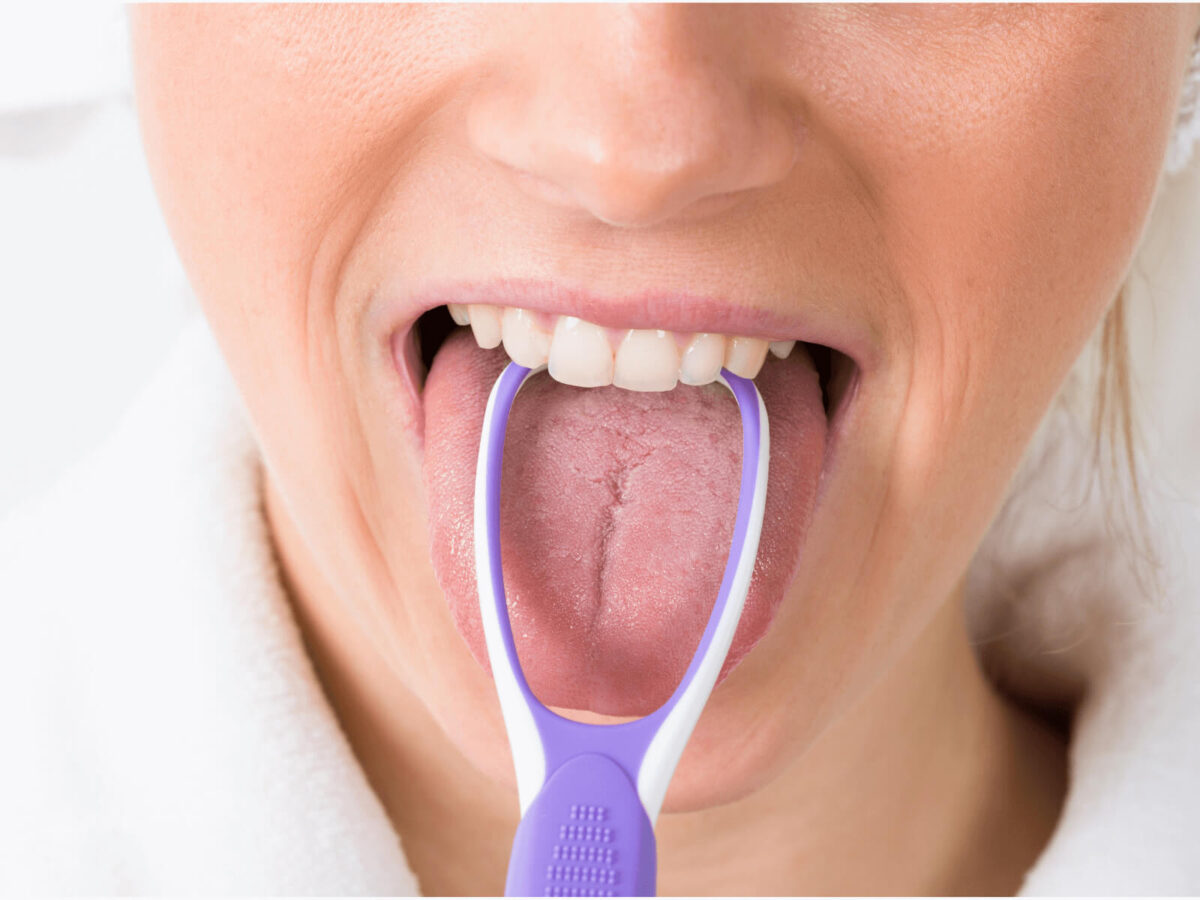
  • Stick your tongue out and place the scraper as far back as you can without gagging.
  • Gently pull forward along your tongue.
  • Rinse off the scraper properly.
  • Rinse your mouth and brush your teeth as usual.

That’s it, just 30 seconds can seriously improve your oral hygiene. And when used consistently, the tongue scraper benefits really start to show: fresher breath, cleaner taste, and fewer bacteria hanging around.

Things to Avoid While Scraping

  • Don’t press too hard. Avoid scraping the top layer off your tongue.
  • Don’t use it only once a week, it works best as a daily habit.
  • And don’t skip cleaning your scraper after each use, especially with metal ones.

Keeping the tool clean is also important. It makes sure you don’t drag yesterday’s germs across your tongue again.

What’s the Best Tongue Cleaner for You?

If you’re someone who values long-term use and doesn’t mind a firmer touch, metal is probably your best bet. If you want a tongue cleaner that is softer and more disposable, plastic will work best for you. So, it basically depends on your personal preferences.

And if you’re unsure, it doesn’t hurt to try both for a few days and see what your mouth likes better. You might be surprised.
If you’re still torn, a quick chat with a professional at Sinton Dental Office TX can help guide you to the right fit based on your oral health needs.

Final Thoughts

Cleaning your tongue isn’t just another wellness trend, it’s a simple, effective way to make your daily routine better. Whether you go with plastic or metal, what matters most is using your scraper consistently and with the right technique.

Want fresher breath and a cleaner mouth? A nice scraper, good routine, and a little more attention to your tongue go a long way.
And if you’re curious about which tool suits your needs best, don’t hesitate to ask a Sinton Dentist TX for advice during your next checkup.
Categories
Dental care

The Role of Sedation Dentistry In Managing Dental Anxiety

Are you comfortable to visit your dentist? If yes, then you are among some of the few individuals. Most people are anxious to sit on the dental chair. And fear of pain or needles makes them more nervous about their visit. Sometimes, it is related to past experiences, while some people have phobias associated with dental visits.

This article is a guide to help you understand the role of sedation dentistry. You can learn how this type of dentistry can calm down patient nerves. This procedure is useful for those who hesitate to visit their dentist even when they have some serious issue. Let us explore this article to understand how this dentistry works.

Sedation Dentistry Explained

The purpose of sedation dentistry is to keep you comfortable during dental procedures. People with dental anxiety can use this procedure to undergo lengthy treatments. Dentists use nitrous oxide, or oral conscious sedation, to make you feel relaxed. Only a few dentists are specialized with certifications to perform this procedure.

Sitting is a compact space while your dentist is using sharp instruments in your mouth seems scary. Most people fear that it might pain a lot. This often leads to the fear of sitting calmly in front of the dentist. These are the responses of a patient with dental anxiety.

A dental expert with special certifications can use the twilight sleep method. This will make you insensitive to pain without losing consciousness. Here are some benefits one can get from sedation dentistry:

  • Reduced Pain Sensitivity
  • Amnesia Effect
  • Improved Cooperation to perform lengthy surgical procedures

Who Needs Sedation Dentistry?

A little nervousness before a procedure is common for almost everybody. But how can your dentist determine that you need sedation dentistry? This procedure is suitable for only a limited number of patients. These include patients with:

  • Dental anxiety.
  • A fear of visiting the dentist.
  • An overly sensitive gag reflex.
  • A fear of needles or aichmophobia.
  • Extreme tooth sensitivity.
  • Feeling claustrophobic while sitting on the dental chair.
  • Decreased sensitivity due to local anesthesia.
  • Difficulty while controlling movements.
  • Special needs include physical, cognitive, or behavioral.

Types Of Sedation Dentistry?

There is not one but many types of sedation methods for dental anxiety patients. The level of anxiousness, health history, and personal preference determine who needs what dentistry.
Here are some common types of sedation dentistry you can explore:

Nitrous Oxide
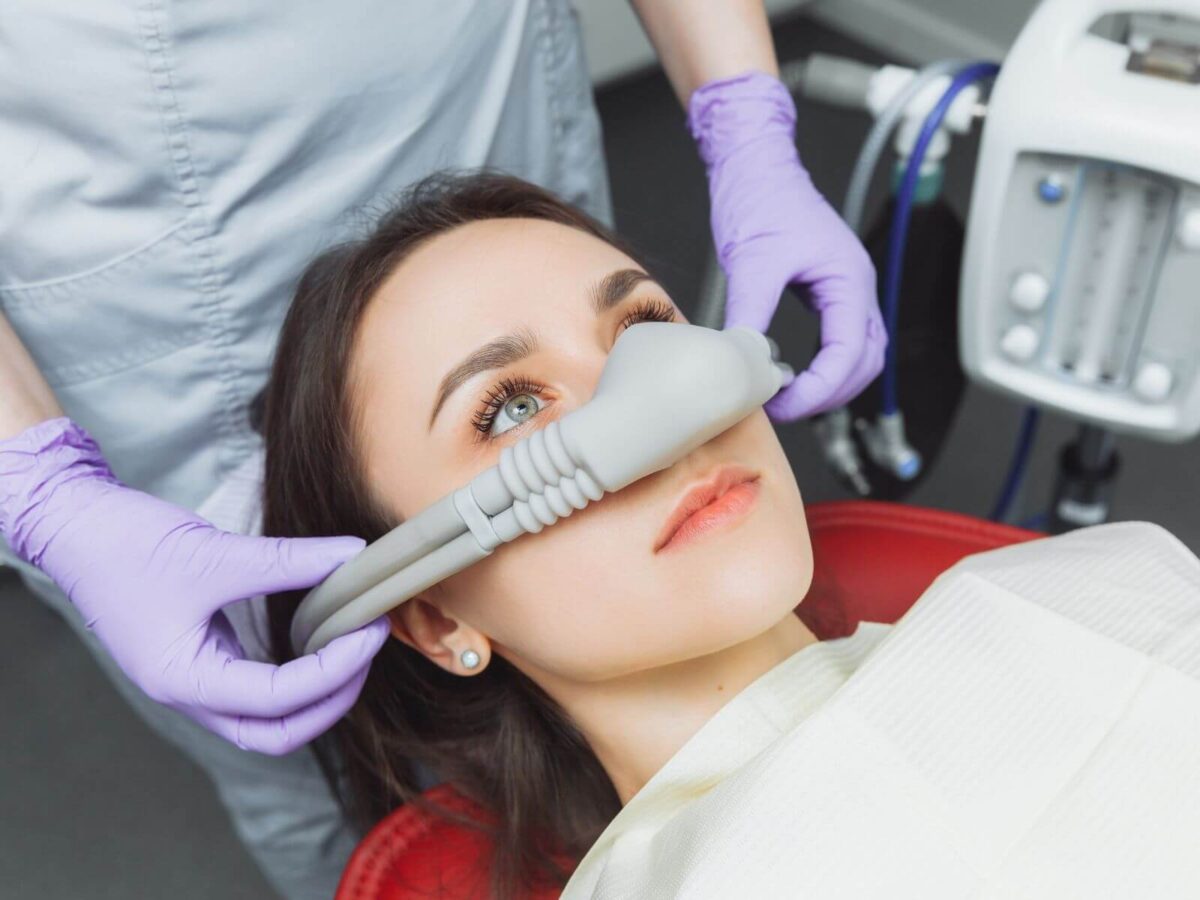
It is also called laughing gas. You need to inhale this through a mask. This will calm your nerves as soon as your body takes it. It quickly leaves your system. This means you can drive back after the procedure. The dentist controls the amount of nitrous oxide you need. He also adjusts the dosage accordingly.

Oral Conscious Sedation
A pill form a medication is always more convenient. It is taken an hour before the procedure. Most dentist recommend triazolam or diazepam. Some dentists also recommend Zaleplon and lorazepam.

If one is not comfortable with a pill form of oral sedation, your dentist might suggest it in syrup form. Midazolam oral syrup is a liquid sedation alternative. This sedation makes you groggy. You might feel sleepy, but continue to communicate with your dentist. You might need a friend or family member to drive you back home.

Intravenous IV Sedation
The deepest type of sedation is this. It is available at your dental office. It is injected directly into your bloodstream. People who have a fear of needles might avoid this as they will be anxious about the IV sedation needle as well. The dentist inserts the IV and keeps an eye on your heart rate. They also adjust the dosage in check, along with the blood pressure and oxygen levels.

Is Sedation Dentistry different from Anesthesia?

Yes, general anesthesia completely makes the patient unconscious. However, sedation dentistry can keep the patient calm yet awake if required. It depends on the dentist and patient’s preference to select which type of sedation method. However, general anesthesia is also used in some dental procedures.

General anesthesia can be used as a type of sedation during dental surgeries in a hospital. This sedation method is less popular. This is because one requires specialized training to administer general anesthesia. Most surgeons appoint an anesthesiologist to keep anesthesia dosage in check.

Risks Associated with Sedation Dentistry

Sedation dentistry is great for calming down a nervous patient. It keeps one comfortable during a lengthy dental procedure. But it might come with a small list of complications. Most of these are short-term risks you need to be aware of:

  • Lingering drowsiness.
  • It can be challenging to predict the effect of oral sedation
  • medications.
  • Dry mouth or xerostomia.
  • Nausea
  • Vomiting
  • Headaches.
  • Bruising from the IV.

Conclusion

Most patients who fear dental exams are children. As parents, you might avoid any type of sedation on your child, but sometimes it becomes essential. Sedation dentistry is a safe procedure. And is performed by licensed dentists who have specialized certifications. This is why the risks are limited and short-term.

A serious dental condition requires diagnosis and treatment. You need to trust your dentist to resolve your oral problems easily. If any questions arise, you can contact them on their emergency number. You can also visit Sinton Dentist TX to consult about your dental anxiety. With guidance from dental experts, you can restore your oral health.

It is better to resolve your problems despite dental anxiety. If ignored, minor oral issues can cause severe complications later. Book your appointment with Sinton Dentist TX Today!