
Sinton Dental

Categories
Dental care

What Is a Pediatric Dentist and What Do They Treat?

Why Parents Often Hear About Pediatric Dentists Unexpectedly

Most people do not sit down one day and search “what is a pediatric dentist” just out of curiosity. Usually, something small leads to that question. A child might say a tooth feels odd. A dentist may notice a cavity that needs treatment. At times, the visit simply feels stressful for the child.

That moment makes parents pause. Adults see a dentist. Children see a dentist. So why would a different type of dentist exist?
The answer has less to do with the teeth themselves and more to do with how quickly childhood changes. Teeth grow, shift, and appear at different stages. That constant change is where pediatric dental care begins to matter.

Why Children’s Teeth Don’t Stay the Same for Long

Anyone who has watched a child grow knows how quickly things shift. In one month, a baby tooth appears. Within a year, that tooth may start loosening. At the same time, adult teeth develop quietly under the gums.

That constant movement makes childhood dentistry slightly different from adult care. Teeth are not just being treated. They are being monitored while they develop. This is the space where pediatric dental care usually fits.

What Is a “Pediatric Dentist” in Everyday Terms

In dental clinics, children are often treated by a pediatric dentist. Their work mainly involves young patients.

Becoming one takes more than dental school alone. After graduation, additional training follows. Those years focus on childhood growth, tooth eruption patterns, and treatment approaches suited for children.

The American Academy of Pediatric Dentistry provides this explanation. Pediatric dentists care for infants and children. They also care for individuals with special health needs.

Communication is another focus. Children respond to dental settings differently from adults, so learning how to guide those visits becomes part of the training.

Why Baby Teeth Often Deserve More Attention Than Expected

Many parents hear the same phrase growing up: Baby teeth eventually fall out, so they aren’t that important. It sounds reasonable at first. But those temporary teeth play several roles while children grow. They help children chew and speak clearly. They also guide permanent teeth into place.

Sometimes decay causes a baby tooth to come out sooner than expected. The space does not always stay open. Nearby teeth may shift little by little. As the permanent tooth begins to erupt, the gap may already be reduced. Pediatric dentistry studies have linked early baby tooth loss with alignment changes.

That possibility is one reason dentists pay close attention to baby teeth even though they are temporary.

Why Cavities in Children Are More Common Than People Think

Childhood tooth decay appears more often than many expect. Sugar from snacks and drinks stays on the teeth. Snacks throughout the day keep bringing sugar to the teeth. Bacteria respond. Acid forms, and enamel slowly begins to weaken.

Cavities in baby teeth are common. The Centers for Disease Control and Prevention reports that more than half of children aged six to eight have experienced them.

Seeing that number often surprises parents. But it also explains why regular dental monitoring during childhood becomes important. Problems tend to appear quietly before they become obvious.

What Pediatric Dentists Usually Treat

Many appointments with a pediatric dentist deal with common dental issues. Cavities remain the most frequent one. Decay can move quickly in baby teeth since their enamel is thinner. Dentists also monitor other changes.

They check how teeth come in and how the bite forms. Thumb sucking may also be discussed if it continues too long. Sometimes the visit focuses more on watching development. Patterns appear gradually over time.

Why Early Dental Visits Are Often Recommended

Some families hold off on the first dental appointment. They prefer to wait until a child grows older. Pediatric dental organizations usually recommend an earlier visit instead. The American Academy of Pediatric Dentistry advises an early first visit. Typically, by the first birthday or within six months after the first tooth shows up.

At that age, the visit is simple. Often short as well. The dentist checks the teeth and talks with parents about daily care. The child also gets used to the dental office. That early comfort can make future visits much easier.

Why Children Sometimes Feel Nervous at Dental Visits

A dental visit can feel strange for a child. The bright light overhead. The sounds from tools. Even the instruments may look strange at first. It is easy for a child to feel uneasy in that setting. Pediatric dentists learn ways to ease those moments. They often show instruments slowly and explain each step in simple words that children understand.

Many clinics offering pediatric dental care are arranged with children in mind. Colourful walls. Smaller chairs. Sometimes cartoons are playing nearby. These details may seem small, but they often shape how children remember their earliest dental visits.

Why Prevention Becomes a Big Part of Pediatric Dentistry

Prevention sits at the center of pediatric dental care. By strengthening enamel, fluoride treatments can make cavities less likely to form. Sealants may also be used. They are placed on molars, covering the deep grooves where food particles and bacteria often collect.

The CDC reports that children without sealants develop nearly three times as many cavities as children who receive them. Preventive treatments may seem small, but they help reduce the likelihood of larger dental procedures later. Sometimes the best dental treatment is the one that prevents a problem entirely.

Why Diet Often Shapes Children’s Dental Health

Daily routines often shape dental health during childhood. Snacks and sweet drinks throughout the day mean teeth meet sugar again and again. That repeated exposure matters. Sugar lingers on teeth. Bacteria react to it and create acid, and the enamel slowly starts losing strength.

Tooth decay is still very common in children. The National Institute of Dental and Craniofacial Research reports this in national data. During checkups, pediatric dentists often bring up diet for that reason.

Small changes can help. Choosing water more often than sugary drinks is one example. Many preventive habits actually begin at home, long before the dental visit.

Why Consistent Visits Help in the Long Run

Dental care does not have to be perfect every day. What usually helps more is consistency. Regular visits let dentists keep track of how teeth are developing. Small problems can be noticed sooner that way. Children who grow comfortable with dental visits often carry that habit forward. The dentist stops feeling stressed. Just part of normal care. As time passes, these habits support better oral health.

FAQs

What kind of care do children usually receive?

It includes checkups and cavity care. It also includes monitoring tooth development.

When should a child go for the first visit?

Usually by age one. The visit helps identify any early dental concerns.

Why are baby teeth important?

They assist with eating and speech while keeping space for adult teeth.

Conclusion

Understanding “what is a pediatric dentist” often begins when parents see how quickly a child’s smile shifts. Teeth come in. Spaces change. Sometimes small problems appear before anyone expects them. Pediatric visits are not only about treating cavities. Dentists also watch development and help children feel relaxed in the chair.

At first, it feels routine. Just a short exam. Maybe a few tips about brushing. But this is often where pediatric dental care begins, helping protect young teeth as they grow. Bit by bit, habits form. Small guidance helps. Has your child skipped dental visits lately? It may be worth planning a checkup soon.
Categories
Dental care

How to Stop Bleeding Gums Naturally and Medically

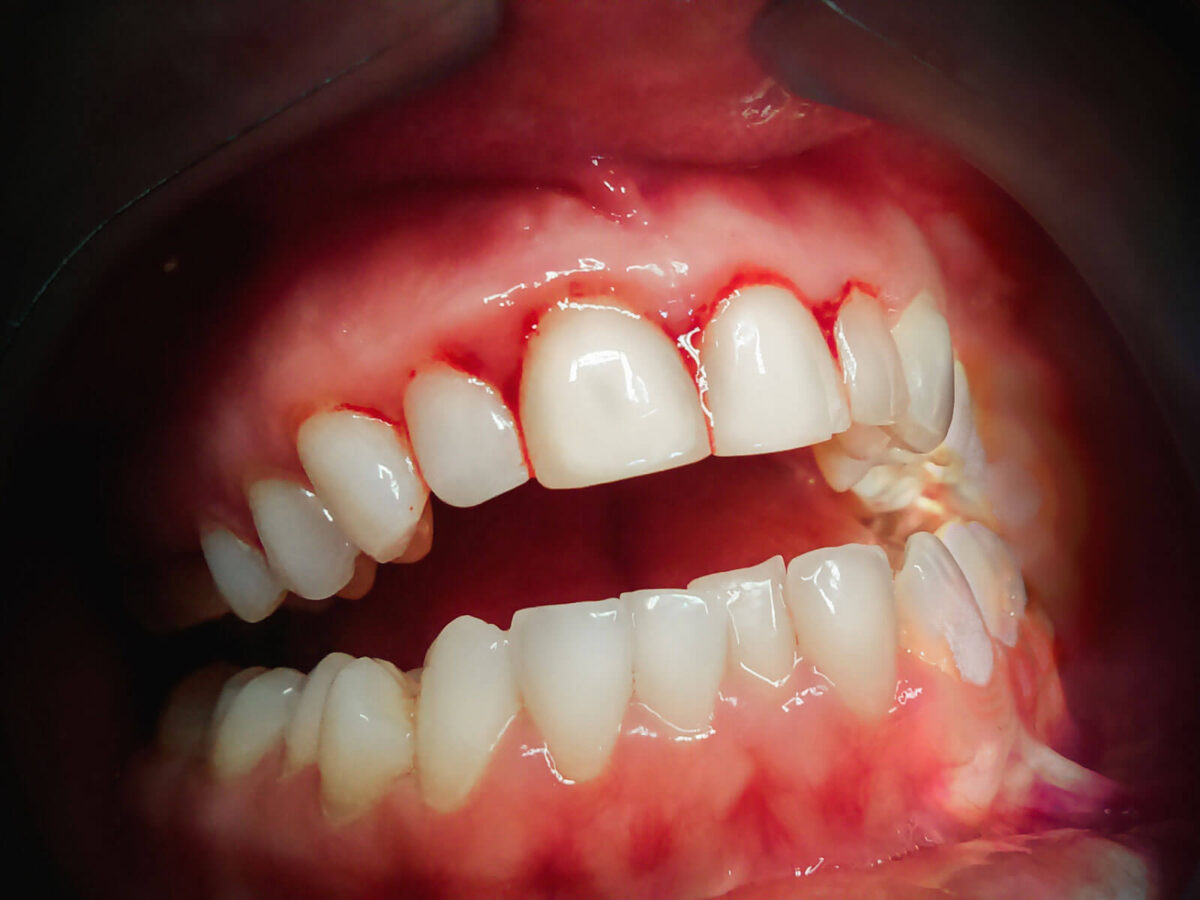
Since there’s usually no pain, it’s easy to brush it off. Many people just figure they were a little too rough and decide to lighten their pressure the following day. They switch angles, slow down, or even change toothbrushes. When the bleeding continues anyway, it suggests that irritation along the gumline may already be present.

This is usually when the focus shifts toward a solution. How serious is it? What should be done next? And ultimately, how to stop my gums from bleeding?

Bleeding often means the gums are irritated. Plaque tends to collect right where the teeth meet the gums, and if it isn’t removed well, the tissue gets inflamed. Inflamed gums bleed more easily. Cleaning more thoroughly and having plaque professionally removed usually helps calm things down.

Why Gums Bleed Even When You Think You’re Brushing Fine

The most common reason gums bleed is swelling. That inflammation usually starts quietly with plaque. There’s always some bacterial buildup near the gumline. If it isn’t cleaned off consistently, the gums begin to respond with irritation. The gums respond by swelling slightly. And swollen tissue bleeds more easily when touched.

The Centers for Disease Control and Prevention reports that close to half of adults over the age of 30 have some form of gum disease. While that statistic may seem concerning, much of it refers to mild inflammation called gingivitis, which is both common and treatable. In most situations, when someone looks up how to stop their gums from bleeding, the issue has developed slowly due to plaque buildup rather than a sudden or severe problem.

Bleeding isn’t caused by one thing alone. Being overly hard with brushing can wear on the gums. Shifts in hormones sometimes leave the gums feeling tender. Some medications can have a similar effect. Even stress can affect immune response, which indirectly influences gum health. But plaque remains the most frequent trigger.

The Natural Changes That Often Make a Difference

Here’s the part most people don’t expect. When they see blood, they stop brushing that spot. It feels sensible at first. If it bleeds, give it a break. But skipping the area often makes the problem linger because plaque stays where it is. The key isn’t avoiding the gumline. It’s cleaning it gently and regularly.

A soft toothbrush used with light pressure along the edge of the gums helps remove buildup without causing more irritation. Scrubbing harder won’t fix it. Being consistent usually does.

If your gums have been inflamed, flossing might not feel great right away. There may even be a little more bleeding at first. That can make you want to stop. But in many cases, it’s just the tissue responding because it hasn’t been cleaned properly in a while. Staying consistent, without being rough, often helps the bleeding reduce over time.

Saltwater can soothe irritated gums for a while, even though it doesn’t treat the cause behind the bleeding. It’s more of a comfort measure. Real improvement often depends on what’s happening outside that quick rinse. Not drinking enough water or regularly skipping balanced meals can quietly affect how gum tissue holds up over time.

When Home Care Isn’t Enough

You can improve your home care and still notice the bleeding sticking around. If it hasn’t eased after a couple of weeks, it’s probably not just a small surface issue.

Plaque that stays on the teeth too long eventually turns into tartar. At that point, it can’t be brushed away at home. The surface becomes rough near the gumline, and that roughness gives bacteria more places to stick and build up. That constant irritation prevents healing. This is where professional bleeding gums treatment becomes important.

A dental hygienist can remove tartar through scaling. The difference afterwards can be noticeable. Gums often feel less tender within days once the source of irritation is gone.

At times, the problem isn’t just along the edge of the gums. It can extend slightly beneath the surface, where home care doesn’t do much. That’s when a deeper cleaning might come up in conversation. Taking care of it sooner tends to keep things simpler.

When It’s More Than Gingivitis

Gingivitis usually causes light bleeding that improves once plaque is removed more consistently. When it’s ignored for too long and moves deeper, though, it becomes a different situation altogether.
In more advanced stages, gum disease affects more than just the gum tissue. It can involve the deeper structures around the teeth, including bone. Since it develops without much noise, many people don’t catch it early. Ongoing bleeding, stubborn bad breath, or gums that appear to shrink are signs that shouldn’t be ignored.

The American Academy of Periodontology has explained that if gum disease continues without treatment, tooth loss can become a real possibility. Early attention makes a difference. That’s why consistent care matters. If you’re repeatedly asking yourself, “How to stop my gums from bleeding”, and the problem keeps returning, a professional evaluation provides clarity.

Why Brushing Harder Doesn’t Help

Many people assume that if something feels unclean, brushing harder will solve it. Gums don’t respond well to force. They respond to consistency. When brushing turns into scrubbing, the gums usually feel it. A small adjustment in angle and gentler movements usually does more. Brushing harder doesn’t clean better. In fact, it can irritate the gums. Some people find electric toothbrushes useful because many of them signal when too much pressure is being used. Sometimes the solution isn’t doing more. It’s doing it differently.

When Health Factors Play a Role

Not every case of gum bleeding comes down to plaque. Pregnancy can temporarily change how the gums respond. Diabetes can alter the body’s inflammatory response, which affects oral tissue too. Medications that thin the blood may also make light bleeding seem heavier than expected.

When it seems out of proportion to your oral care, that’s a conversation worth having. Dentists notice patterns like this, and sometimes your physician should be part of it as well. What shows up in the mouth often connects to overall health.

The Emotional Side of Seeing Blood

Even a little blood in the sink can throw you off. It’s not only about what you see. You start thinking about your habits in your head. Did I skip flossing too often? Did I wait too long between cleanings? But bleeding gums are often an early warning sign, not a crisis.

In many cases, they’re reversible with attention and care. It’s always easier to manage gum concerns early rather than later on. A measured response tends to work better than an alarm.

FAQs

How do you stop bleeding gums fast?

Usually, by cleaning more carefully, not less. Avoiding the spot often makes it linger. If it’s early inflammation, things tend to improve once plaque is removed properly.

Do all cases need a dentist?

Not every time. Some bleeding settles with better home care. If the bleeding sticks around, it’s better not to ignore it.

Why would gums bleed if I already brush daily?

Because frequency isn’t everything. Technique and flossing matter just as much.

Can stress really affect gums?

Yes. The body’s stress response influences inflammation, and the gums aren’t separate from that.

Conclusion

When the question becomes how to stop my gums from bleeding, it’s tempting to brush less. In reality, steady and careful cleaning often makes more of a difference than backing off. Bleeding often signals irritation that can calm down once plaque is properly removed.

And if it doesn’t improve, that’s the time to look into professional bleeding gums treatment instead of guessing. Addressing it early tends to keep things straightforward. Leaving it alone rarely does.