Sinton Dental

Categories
Dental care

Dental Care For Seniors: What Changes As You Age?

As the years move along, the mouth changes too. Teeth are not the same at sixty as they were at twenty. Gums behave differently. Saliva may feel different over time. It sounds minor, yet it plays a big part in eating and comfort. These things affect health more than most people think.

Aging is natural, but oral health for seniors needs more attention as the body changes. A Sinton Dentist TX will often see problems in older adults that rarely show up in younger patients. That is why dental care for seniors has its own set of challenges.

The Way Teeth Change Over Time

With age, enamel thins. It does not happen overnight, but little by little, teeth lose that shield. They become more sensitive. Hot coffee may sting. Cold water may send a sharp feeling. Cracks also appear more easily, even with normal chewing.

Another shift is gum recession. The gums pull back, leaving the roots open. Roots are softer than enamel, so decay sneaks in faster. Dry mouth, often caused by medicine, makes this worse. Saliva normally washes food and bacteria away. Without enough of it, problems build up.

These changes are not always painful at first. Still, they leave teeth weaker. Seniors who visit a Sinton Dental Office TX often come in only when the discomfort is strong, but early checks matter more than ever.

Restorations and Repairs in Older Mouths

Fillings, crowns, and bridges have a limit. They are not meant to last forever. After twenty or thirty years, many need fixing. Seniors may feel a crown loosen or a filling crack.

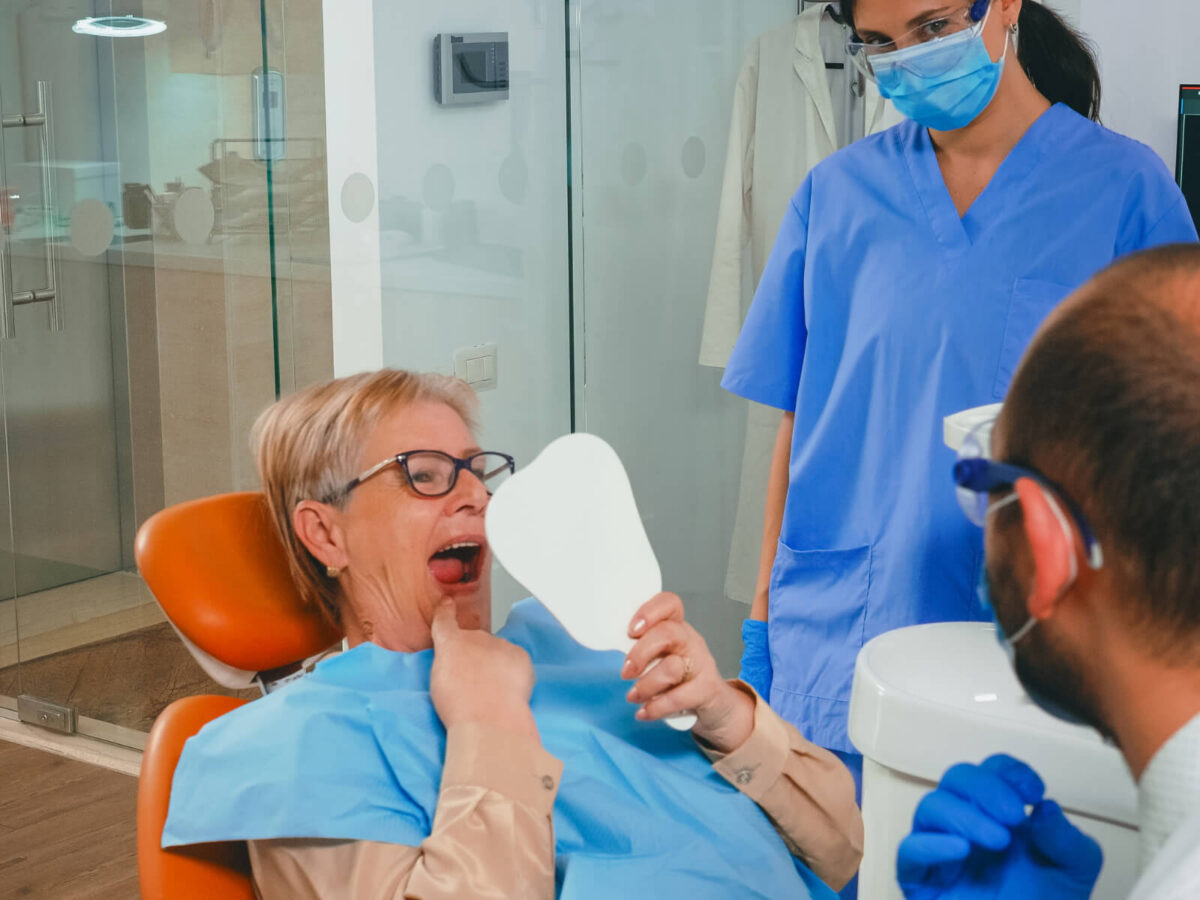
Dentures bring their own troubles. They can rub the gums, slip out of place, or make eating harder. A dentist can adjust them, but many seniors delay visits. That delay can cause sores, infections, and sometimes bone loss.

The jaw itself also changes. Bone density lowers with age. Teeth without support shift. Dental work, no matter how well done, can change over time. A crown or denture that once fit perfectly can shift with time. Regular checkups catch these changes before they become harder to fix.

Gum Health and Its Bigger Impact

Oral health and overall health are closely linked. Seniors with gum disease have a higher chance of heart trouble, diabetes complications, and even memory concerns. Gums may bleed a little at first. That might not look serious, but it is often the start of a deeper infection.

Gum disease grows silently. In seniors, it can move faster because of a weaker immune response. A dentist in Sinton can often see swelling or pockets around the teeth before any pain begins. Healthy gums protect more than just your smile. It helps protect overall health, too.

Everyday Care Becomes Harder

For many seniors, brushing and flossing are no longer simple. Hands may shake. Grip may weaken. Reaching the back teeth can feel impossible. This leads to skipped cleaning, and skipped cleaning means plaque grows.

Dry mouth makes it worse. Some seniors cannot taste food the same way anymore. This leads to more sugar or salt use, which harms both teeth and the body. Special rinses, soft brushes, and tools with larger handles often help. A Sinton Dentist TX can suggest small changes that keep daily care easier.

Nutrition’s Role in Senior Dental Health

Food choices shift with age. Some people eat softer foods because chewing is tough. But softer meals sometimes mean less nutrition. Missing vitamins like calcium or vitamin D weakens teeth further. Lack of protein slows healing in the mouth.

Seniors who don’t eat crunchy fruits or vegetables lose out on natural cleaning. Eating apples or carrots helps scrub teeth. Without these, plaque builds faster. Dentists often guide seniors on food choices that protect both teeth and the body.

Prevention Stays Important

One truth never changes: prevention is easier than repair. Regular cleanings at a Sinton Dental Office TX remove buildup that seniors may miss at home. X-rays check for hidden decay or bone loss.
Checkups also give peace of mind. Many seniors worry about costs, so they wait. Catching a cavity while it’s small is far simpler than dealing with an abscess later. Routine checkups save not just money, but also time and comfort.

Emotional and Social Effects

Dental issues aren’t just about pain. They also shape how seniors see themselves. Missing teeth or loose dentures can even make someone hold back from smiling. Some even stop going out with friends.

Poor oral health for seniors lowers confidence, not just comfort. The emotional impact is big. A strong, healthy smile makes it easier for seniors to stay social, laugh often, and live with joy.

The Link Between Dental Care and Aging Well

Senior oral care is not only about the mouth. Teeth touch almost everything we do each day. When teeth are healthy, eating and talking just feel easier. Smiling too. Without them, life can get unusually hard.

Choosing a dentist is important. A Sinton Dentist TX, familiar with senior care can guide treatment with comfort and confidence. Small adjustments, steady checkups, and honest advice create lasting protection.

Family Support in Senior Dental Care

Taking care of teeth in older age isn’t something most people can handle all by themselves. Memory slips happen. Rides get tricky. Some seniors even avoid going because they don’t want to bother anyone. That’s when family really matters.

It might be as simple as reminding them of a visit. Or driving them to a Sinton Dental Office TX when they don’t feel up to it. Sometimes just sitting nearby while they brush makes the routine feel easier. Little things like that really add up.

Families often notice things first. A bit of swelling. A wince when chewing. Or changes in how someone eats. Seniors might not bring it up, but family members see it and mention it. That’s how issues get caught early.

In the end, dental care feels lighter when it’s shared. With steady support at home and the care of a trusted Sinton Dentist TX, seniors worry less and stay on track. That mix of self and professional care helps keep their smiles steady over the years.

Conclusion

As people age, their teeth change, too. But with regular care, they can still last and stay strong. Regular checkups really help. Daily cleaning matters more than people think. And yes, food choices play a role too.

When seniors visit a trusted Sinton Dental Office TX, they usually find more than just dental work. They find a place that explains things clearly, offers support, and gives treatment that fits their age and stage of life.

So if you or someone close to you has started seeing little shifts in oral health for seniors, do not ignore them. This is the right time to book an appointment. With steady care and the right dentist by your side, a confident smile is not only possible, it is something you can keep at any age.
Categories
Dental care

How To Recognize Gum Disease Symptoms In Diabetic Children

Introduction
If you’re raising a child with diabetes, you already carry a lot on your shoulders. There are blood sugar checks, meal planning, and doctor visits. It feels like you’re always looking one step ahead. But here’s something many parents don’t expect—diabetes affects the mouth too.

At our Sinton Dental Office TX, we often meet parents who say, “I never thought diabetes and teeth were connected.” Yet they are. Gum disease, in particular, shows up more often in diabetic children. And when it does, it can move quickly.

That’s why it is important to point out the early signs. Not to scare anyone, but just so you can spot little changes before they turn serious. When gum disease is caught early, the treatment is usually much easier.

Why Diabetes and Gums Are Linked

You might wonder, “What does blood sugar have to do with gums?” To put it simply—everything. High sugar levels in the blood give bacteria in the mouth a perfect place to grow.

Diabetes can slow down healing and make it harder to fight off infection. A child without it might get over sore gums pretty quickly, but for a diabetic child, it often takes longer. That means what starts as a little swelling can become something bigger.

I’ve seen this play out many times. It’s not neglect. It’s simply how diabetes changes the body’s defense system.

The Earliest Signs Parents Notice

Most kids don’t come running to you saying, “Mom, I think I have gum disease.” They just live with it. So you have to watch closely.

The first clues are often small:

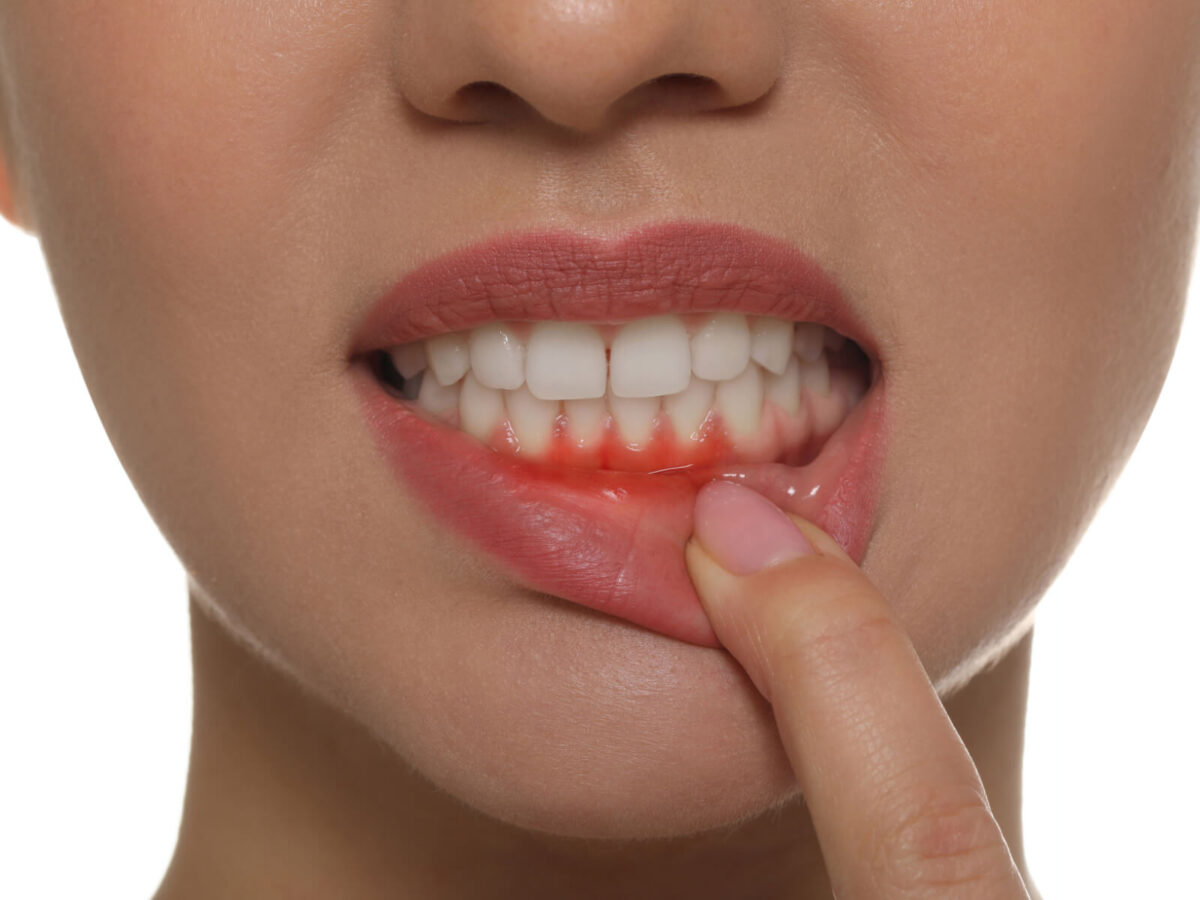
  • Gums that look red instead of pink.
  • A little blood on the toothbrush.
  • Bad breath that lingers even after brushing.
  • A complaint that “my teeth feel sore” when chewing.

I remember one mom who came in worried because her 9-year-old’s gums bled a little when brushing. She thought it was just brushing too hard. But it turned out to be the very beginning of gum disease. We caught it early, and her daughter was fine. That’s how subtle it can be.

When It Gets More Noticeable

If those early signs aren’t caught, things get more obvious. Parents sometimes notice:

  • Gums are shrinking or pulling away from teeth.
  • More frequent bleeding.
  • Loose baby teeth that shouldn’t be loose yet.
  • Complaints of pain with apples, crackers, or other harder foods.

One dad told me he thought his son’s front tooth was “growing crooked.” What really happened was that the gum had pulled back, making it look different. That’s how gum disease can trick parents.

Why Diabetic Kids Are Hit Harder

There are a few main reasons:

  • Weak defense – Diabetes slows the immune system.
  • Slower healing – Small cuts or sores on gums linger.
  • Dry mouth – Less saliva means more bacteria stick around.
  • Plaque buildup – Sugar in the mouth feeds bacteria.

It’s important for parents to hear this: it’s not your fault. Even with brushing and flossing, diabetic children can still face more gum challenges than others.

The Emotional Side For Parents

At our clinic, we had parents sit in my chair with tears in their eyes. They already feel stretched thin managing diabetes. Adding “gum disease” to the list feels unfair.

But we always remind them—you are not failing. You are here, asking questions, getting help. That’s what matters. And you don’t have to do it all alone. Your Sinton Pediatric Dentist is part of your child’s care team, right along with the doctor.

What We Do At The Dentist’s Office

Parents often imagine painful treatments. But for children, it’s very gentle.

Here’s what usually happens:

  • We check the gums with a small mirror and probe.
  • We remove plaque and tartar that brushing misses.
  • We show your child how to brush and floss without hurting their gums.
  • If needed, we talk to their doctor about blood sugar management.

Most kids leave the chair feeling better right away. The soreness lessens once the plaque is gone.

At-Home Habits That Work

This is where parents make the biggest difference. It’s the small steps, done every day, that usually count the most.

  • Use a soft brush, morning and night.
  • Helping with flossing until your child is confident.
  • Keeping snacks low in sugar when possible.
  • Encouraging water over juice to keep the mouth hydrated.

I always tell parents: think of brushing like insulin. It works best when it’s consistent, not when it’s occasional.

When To Call The Dentist Quickly

Sometimes you shouldn’t wait for the next routine visit. Pick up the phone if you see:

  • Constant bleeding gums.
  • Strong or unusually bad breath.
  • Pus, swelling, or pain in the gums.
  • Gums pulling away from teeth.

These are signs that things are moving faster, and a diabetic child can’t afford to wait months to be seen.

Why This Matters Beyond Teeth

Here’s something many families don’t realize: gum disease can make diabetes harder to control. When gums are infected, it can affect blood sugar levels. That means taking care of the mouth is also taking care of diabetes.

We often explain it like this: healthy gums help balance the rest of the body. It’s all connected.

Making Visits Easier For Children

Kids sometimes dread the dentist. For diabetic kids, it can feel like “one more doctor.” To help:

  • Talk about visits in a positive way.
  • Let them bring a comfort item.
  • It’s about helping your smile stay strong.
  • Celebrate small wins, even just sitting in the chair.

When the dentist becomes a normal part of life, children start to relax.

Support For Parents Too

Sometimes the parent needs reassurance more than the child. You might worry, “Am I doing enough? Did I miss something?” Those thoughts are normal.

Remember, gum disease is common in diabetic kids. It’s not about blame. It’s about catching it early and working together. And you have a whole team here to help.

Final Thoughts

Gum disease looks more worrying when diabetes is involved, especially for children. Yet with parents keeping an eye out, daily care, and routine visits, most kids handle it without too much trouble.

Notice the small things red gums, bleeding, unusual breath. Don’t brush them off. Reach out to your Sinton Pediatric Dentist when something doesn’t feel right.

At our Sinton Dental Office TX, we believe every child deserves a smile free from pain. With diabetes, kids need a little more support. That means parents keeping watch at home, dentists checking closely, and sometimes doctors helping out as well.

The best reward is seeing your child smile freely, without any pain or hesitation. That’s when you know every bit of care was worth it.