Sinton Dental

Categories
Dental care

Invisalign vs. Braces: Which Is the Better Choice for You

Straightening teeth doesn’t follow one script for everyone. Some people like a quieter option that fits into life without much fuss. Others feel better with something more structured and steady. And that’s really when the talk around Invisalign vs braces comes up.

They both do the job of improving alignment, sure, but the experience day to day can feel completely different. Different habits, different adjustments, different comfort levels. Understanding those parts helps a person decide what actually feels right. It also makes the choice between braces vs Invisalign a lot clearer than it seems at first.

How Invisalign Works in Daily Life

Invisalign uses clear aligners shaped to move teeth a little at a time. Each set pushes things forward just enough to notice over the weeks. The trays sit over the teeth like a thin, smooth shell, and they fit so closely that most people barely see them. It’s a big reason someone chooses this over other methods in the whole Invisalign vs braces discussion.

You take the aligners out to eat, which makes meals feel normal again. Brushing and flossing stay simple, too, since nothing blocks the way. That kind of flexibility matters for adults and teens who want straighter teeth without the look or routine of traditional hardware.

How Braces Guide Stronger Movements

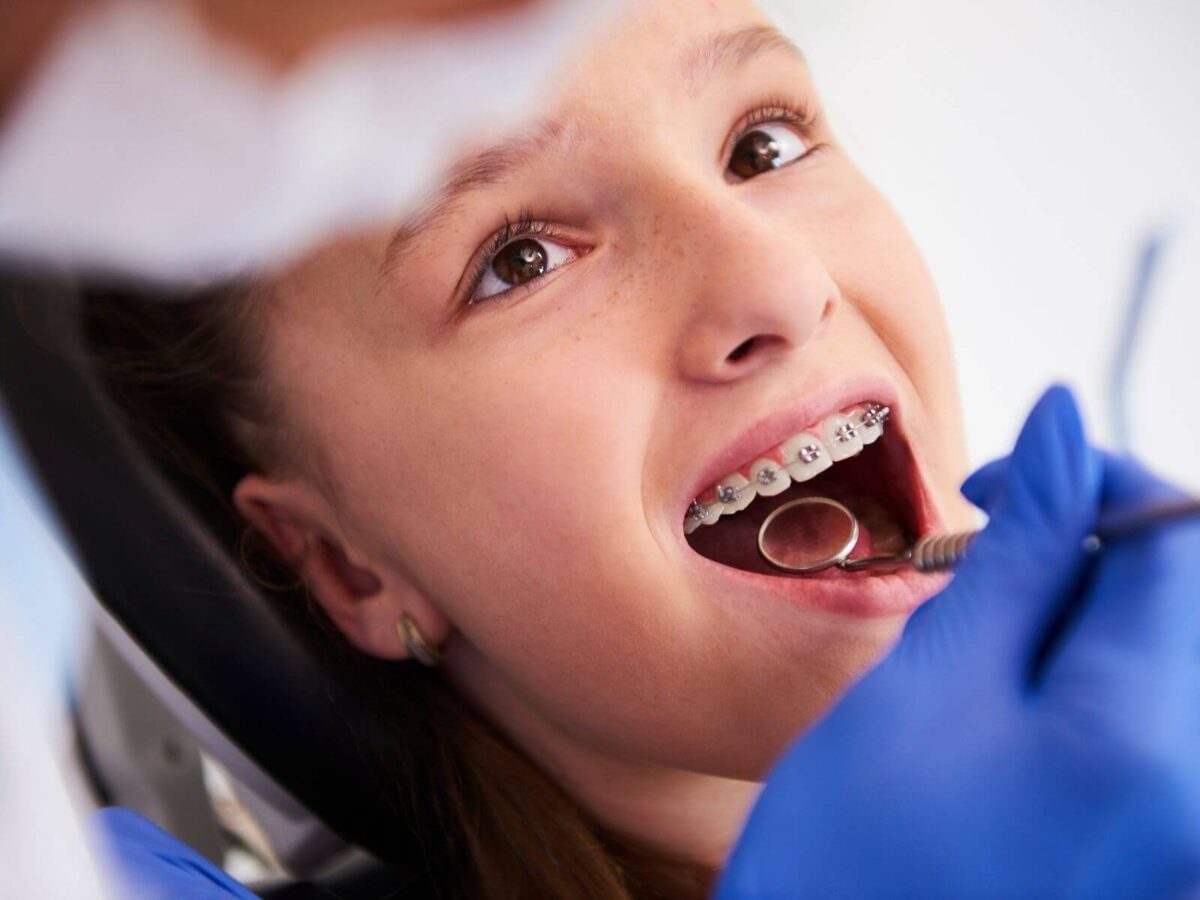
Braces use brackets attached to each tooth with a wire running through them. This system gives the orthodontist precise control over how teeth move. Adjustments during visits slowly shape the smile into alignment. This method has been used for many years and has a strong history of success.

The structure of braces does not depend on patient reminders. They remain in place at all times. For people who want a treatment that stays active without daily worry, braces make a steady process that works constantly.

Comfort and Appearance Throughout Treatment

Many people think about braces vs Invisalign to understand how each option fits into daily habits. Invisalign has a smooth feel and usually causes less rubbing on the cheeks. Braces use brackets, and those can irritate the mouth at first until everything settles in.
Appearance matters just as much. Clear aligners don’t draw attention, while braces are more visible, even with their smaller modern brackets. For most people, the choice ends up being about what feels manageable and what they feel comfortable showing when they smile around others.

Eating and Oral Care

Meals look different depending on the treatment. Because aligners come out before meals, food doesn’t get stuck. Sticky or hard foods feel easier to handle that way. Brushing stays easy each day because the trays come off fully.

Braces require more careful choices with food. Hard or very chewy items may damage the wire or brackets. Cleaning also takes more time because flossing around brackets requires patience and attention. These differences influence decisions when people wonder which is better, Invisalign or braces, for their lifestyle.

How Each Option Handles Complex Cases

It’s common to hear someone ask, “Is Invisalign better than braces?” because they want something simple and smooth. Invisalign helps with many everyday alignment issues and continues to advance each year. But more complex cases often respond better to braces because brackets give orthodontists more control. That’s when expert guidance really matters. The best choice depends on how your teeth sit now and the kind of movement they actually need.

Keeping Up With Treatment

Both treatments need commitment, just in different forms. Aligners only do their job when they’re worn long enough each day. Forgetting them or leaving them out for long periods slows progress. People who enjoy flexibility but stay disciplined often appreciate this method.

Braces stay on all the time. They do not depend on reminders or routines beyond good oral care. This makes them useful for younger patients or anyone who prefers a system that stays active without daily decisions. That steady structure helps explain the difference between braces and Invisalign in long-term success.

Speech and Adjustment Periods

The first days with braces or aligners feel different for everyone. Aligners sometimes cause small speech changes while the tongue adjusts, but that usually settles fast. Most people barely notice it after a short stretch.

Braces can make the start feel a little more noticeable since the brackets sit against the lips and cheeks. They get used to the new shapes slowly. Warm salt water or orthodontic wax can make that adjustment easier. With time, both options feel normal. Each person gets comfortable in their own way.

The Road Ahead and the Results That Follow

Treatment length depends mostly on what the smile needs, not just the method used. Some people finish a little faster with aligners because they stick to the plan. Others move along better with braces because the brackets keep working around the clock. Everyone’s pace is a bit different.

Ask “What is the difference between Invisalign and braces?” and the answer ends up pretty simple. Both are meant to create a balanced, healthier smile. The journey changes, not the goal. And with routine visits, both options stay safe and predictable.

Lifestyle Considerations and Personal Comfort

Daily habits matter when choosing between the two. People who travel often or enjoy many meals away from home may prefer aligners because they come out so easily. Those who prefer not keeping track of anything extra may lean toward braces.

Sports and physical activities also influence the decision. Aligners offer a smooth surface during contact activities. Braces may require more protection depending on the sport. Small details like these help decide what’s better, braces or Invisalign, for each person’s routine.

Finding the Right Fit

Choosing Invisalign or braces isn’t about picking the “better” one. It’s about what suits the patient and what feels easier for them. The dentist or orthodontist watches jaw motion and the mouth’s overall health. Then they steer the patient toward the option that looks like it will help the most.

This clarity helps remove confusion. People leave the appointment knowing the treatment recommended for their needs, not just what sounds appealing. Understanding “Is Invisalign more effective than braces?” becomes easier when guided by someone who studies alignment every day.

So, Which Is Better, Invisalign Or Braces?

Straightening teeth becomes an investment someone carries forever. When the system fits well, confidence shows up at home, at work, and in everyday social moments. It influences oral health for years ahead. That is why choosing carefully is very important. Both options offer strength. Both can transform a smile patiently and safely.

Thinking about appearance, comfort, lifestyle, and dental needs helps the choice become clearer. The final decision should feel natural, not quick.

Ready to Begin Your Alignment Journey

A consultation provides answers based on your teeth, your goals, and your comfort. Whether aligners or braces become the better path, the result aims for a balanced smile that feels good every day. Starting with a simple visit helps set the direction for a confident future.

Categories
Dental care

How Dental Sealants Protect Your Child’s Teeth

When parents ask what helps a child build a strong base in oral health, a nearby dentist in Sinton TX usually points toward small choices that work behind the scenes. Dental sealants rank high among them. These light coatings stay on the chewing surfaces of back teeth and keep sticky food and bacteria from hiding in deep grooves. A Sinton pediatric dentist notices the benefits all the time. Sealants reduce filling needs later and make everyday care more manageable for families.

What Dental Sealants Are

A dental sealant is a tooth colored layer brushed into the narrow pits and fissures on molars and premolars. The material moves into the small grooves and sets into a surface that makes plaque less likely to collect. The clinician cleans and dries the tooth, then adds a mild conditioner for strong bonding. When the material hardens, brushing becomes simpler, and cavity prevention improves because fewer bacteria settle in deep spots.

Why Back Teeth Need Special Protection

Back teeth have all these little shapes and curves, and the chewing surfaces end up with tight grooves where food just sits, no matter how well a child tries. Even careful brushing misses things hiding deep inside those tiny spots, especially while they are still figuring it out. First adult molars show up around six or seven, which leaves them open early. Seeing a dentist in Sinton TX for sealants gives those teeth help right when they need it.

How Sealants Fit Into A Preventive Plan

Sealants fit in as one piece of a practical prevention plan. A Sinton pediatric dentist still reminds parents to stay consistent with daily fluoride brushing, clean between teeth when it feels needed, and keep snacks balanced. Sealants cut down the hidden spots where plaque settles. Many times, they shift a high cavity risk into something easier to handle. By limiting future repairs, they spare families stress and those unexpected dental bills that show up later.

Safety And Materials Parents Ask About

Modern sealants rely on well-researched resins that remain on the tooth surface rather than being absorbed. Only a small amount is used, but the benefit in preventing a filling is meaningful. A Sinton pediatric dentist talks through the material, discusses allergy concerns, and notes why sealants are trusted by professional groups. Simple details and a calm explanation help parents make a confident and comfortable decision.

When Sealants Are Recommended

Clinicians commonly suggest sealants when a permanent molar first erupts. That timing matters because placing a sealant before a tooth is colonised by bacteria reduces the chance cavities start at all. Children who snack often, have difficulty cleaning back teeth, or who had cavities in baby teeth usually get priority. A quick assessment at a dentist in Sinton TX identifies which teeth will benefit most.

How Long Sealants Last

Sealants will not stay in perfect shape forever, though they often work well for years. Their lasting power ties to chewing habits, food choices, and the quality of the bond at placement. Children who grind or chew hard items usually wear them quickly. A regular appointment with the Sinton pediatric dentist looks for wear and adds fresh material if needed. These simple upkeep steps keep protection working without adding major expense.

Do Sealants Replace Daily Care

Sealants are helpful, but they do not replace brushing or fluoride at all, and parents usually hear that early. They just cover the tiny grooves that catch things too easily. Daily fluoride cleaning helps keep enamel solid and lifts plaque from spots that sealants cannot realistically reach. Using the two together works best. A dentist in Sinton TX often explains it as everyday good sense, nothing complicated.

Cost And Insurance Considerations

Sealants cost far less than fillings and often fit within typical child dental plans. Many insurers like covering preventive steps because they cut long-term expenses. A dentist in Sinton TX will go over expected fees and talk through coverage during a visit so parents understand the details. When money feels tight, clinics often schedule sealants alongside a routine appointment to keep everything efficient and simple.

When Sealants Might Not Be The Right Choice

If a tooth already has decay in the grooves, sealing over it is not appropriate. The clinician treats the decay first and then may place a sealant afterwards. Also, very young primary molars that fall out soon may not always need sealants. The decision is about matching the protection to the tooth’s expected life and to the child’s overall risk.

How Sealants Support School And Sports Routines

Parents appreciate that sealants save time and avoid emergency visits that disrupt school days and activities. A Sinton pediatric dentist often schedules sealant appointments around school calendars so families do not miss work or classes. The small appointment gives big peace of mind through busy months when children have little time for an unexpected dental visit.

Tips For Families After Sealant Placement

Once sealants are on, there are no special diet rules to follow. Normal meals are fine. Staying consistent with brushing twice a day and cleaning between teeth helps them hold up. Guiding children toward slow chewing and skipping hard candies stops wear. These habits slip easily into school days and regular family routines.

How Sealants Fit Into A Children’s Dental Care Plan

Sealants show their real strength when used as part of a steady care plan. That plan usually includes routine cleanings, topical fluoride when appropriate, and simple coaching on brushing and snack choices. A Sinton pediatric dentist creates a plan that suits the family and the child’s risk. With time, that steady approach keeps most cavities from developing.

Choosing A Trusted Local Provider

Look for a clinic that explains options simply, that checks sealants at routine visits, and that shows a clear plan for replacement if wear occurs. A dentist in Sinton TX, who works with families and who values calm explanation, makes the process easy. Comfort, clear pricing, and friendly staff matter as much as the material used.

The Lasting Value

Preventing a single filling early usually avoids more complex care later. As a child grows, the difference compounds. Fewer repairs mean fewer appointments and less time away from school and activities. For many families, the return on a small preventive step is measured in less worry and more steady smiles.

Conclusion

Dental sealants give kids a simple layer of protection on chewing surfaces that get messy fast. When a trusted dentist in Sinton TX places them and families keep up brushing at home plus checkups with a Sinton pediatric dentist, the chance of cavities drops a lot. Daily care feels easier for everyone. Sealants stay a practical, affordable step that helps keep young smiles steady and healthy over time.

To find out if sealants suit a child, schedule a consultation with a trusted dentist in Sinton TX. The team will assess risk, explain costs, and place or refresh sealants so children’s dental care stays simple.