Sinton Dental

Categories
Dental care

How Long Do You Have to Wear Braces? Treatment Timeline

Why Do People Ask How Long Do You Have To Wear Braces

For many patients, the first concern about braces is time. People naturally wonder how long they might be wearing them. Brackets and wires can feel like a major step, especially when the treatment length is uncertain. While a clear answer would be ideal, orthodontic care usually depends on several individual factors.

The timeline is rarely identical for two patients. How long do you have to wear braces depends on several personal factors. Tooth alignment matters. Bite structure matters as well. Even small daily habits can influence how quickly teeth begin to shift during treatment. Some patients finish in a little over a year. Others discover that how long you need to wear braces may be closer to two years or slightly longer to achieve stable results.

What Is The Typical Braces Treatment Timeline

Orthodontic treatment moves at a careful pace. There is a reason for that. Teeth do not move instantly. The bone and nearby tissues must adjust as their position changes. For this reason, orthodontists use gentle pressure over time. Small adjustments. Over time, the teeth slowly shift toward better alignment.

Many patients spend close to 18 to 24 months in braces. It is a common estimate, though not a fixed rule. The American Association of Orthodontists explains that treatment time can change from one patient to another. The difficulty of the alignment problem matters. So does how consistently patients follow orthodontic instructions.

Even with that general range, treatment is rarely identical for two people. Each case develops a little differently.

What Factors Influence How Long You Need To Wear Braces

Orthodontists evaluate several factors before estimating “how long do you need to wear braces”. One of the most important considerations is the severity of tooth misalignment. Mild crowding can sometimes be corrected relatively quickly.

Some orthodontic problems are more complex than others. Some bite problems take more attention. Overbites and underbites are common examples. Multiple teeth may need to shift. The way the upper and lower jaws meet may also need adjustment.

How Age Can Affect Orthodontic Treatment Time

A patient’s age can sometimes affect how orthodontic treatment progresses. In younger patients, the bones supporting the teeth are still developing. That ongoing growth can make tooth movement a little easier during treatment.

Many orthodontists recommend early evaluations for children and teenagers. The goal is simple. It gives them the opportunity to observe how the teeth and bite are developing and to catch alignment concerns at an earlier stage.

Adults can still see excellent results with braces. Many people begin orthodontic treatment long after their teenage years. The movement may simply take a little longer. Adult bones are denser. Jaw development is already complete in adults. Because of this, treatment may take slightly longer. Even so, orthodontic results are usually very successful.

What The Early Phase Of Braces Looks Like

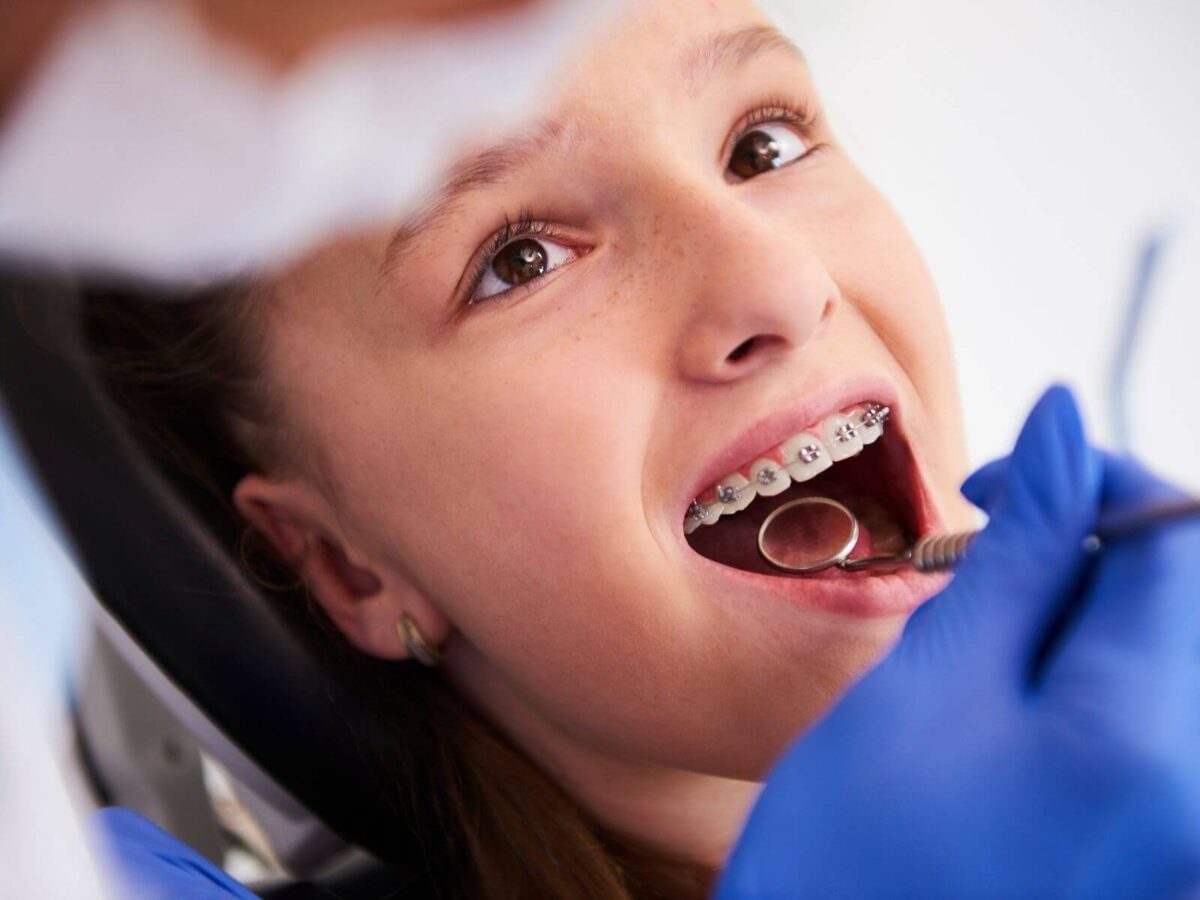
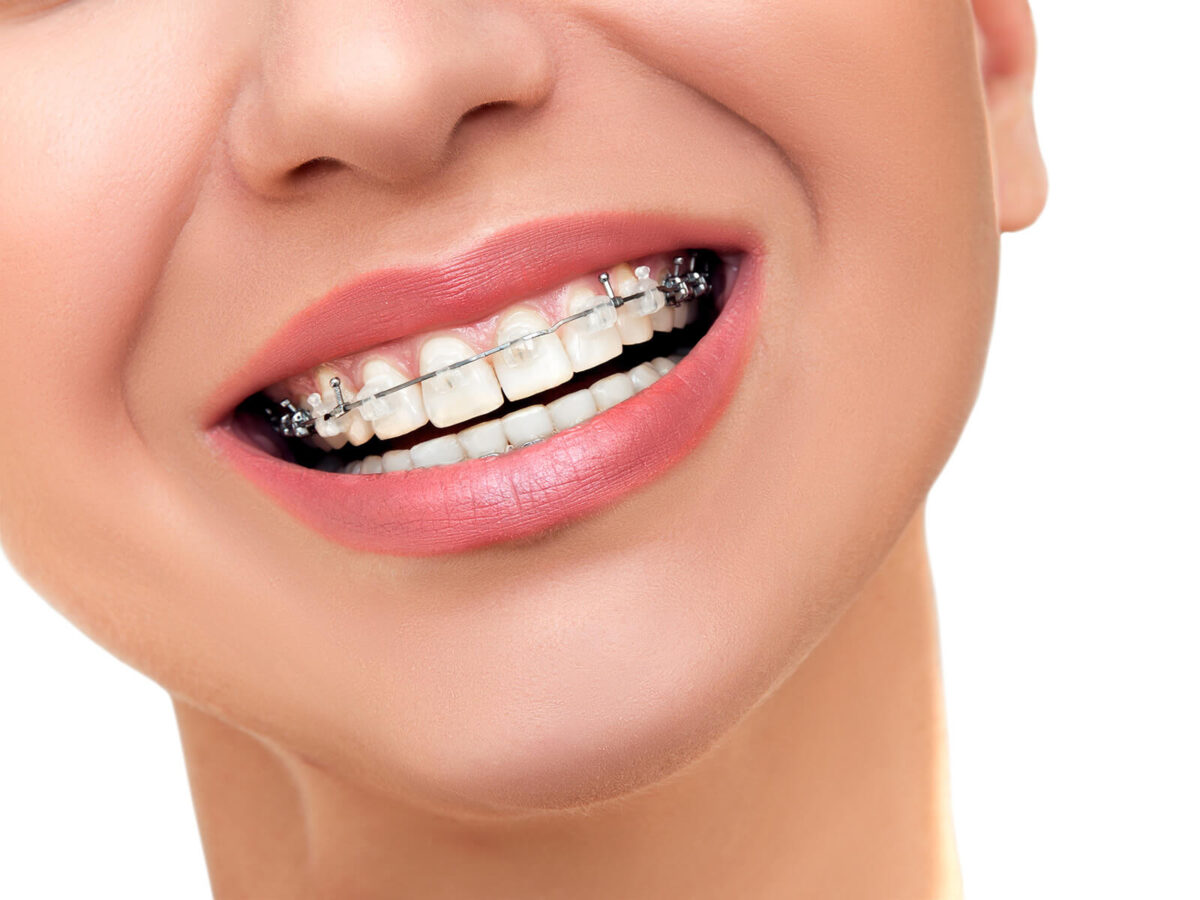
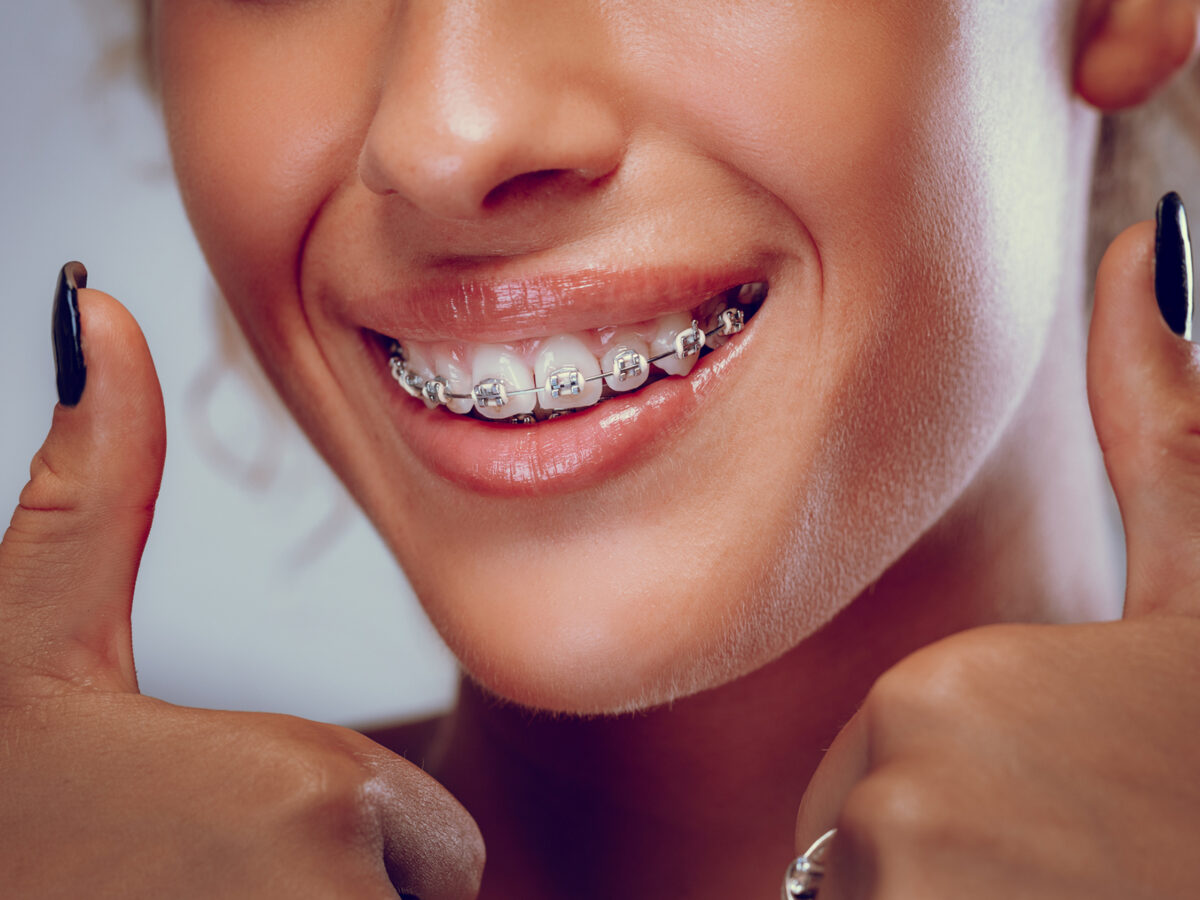
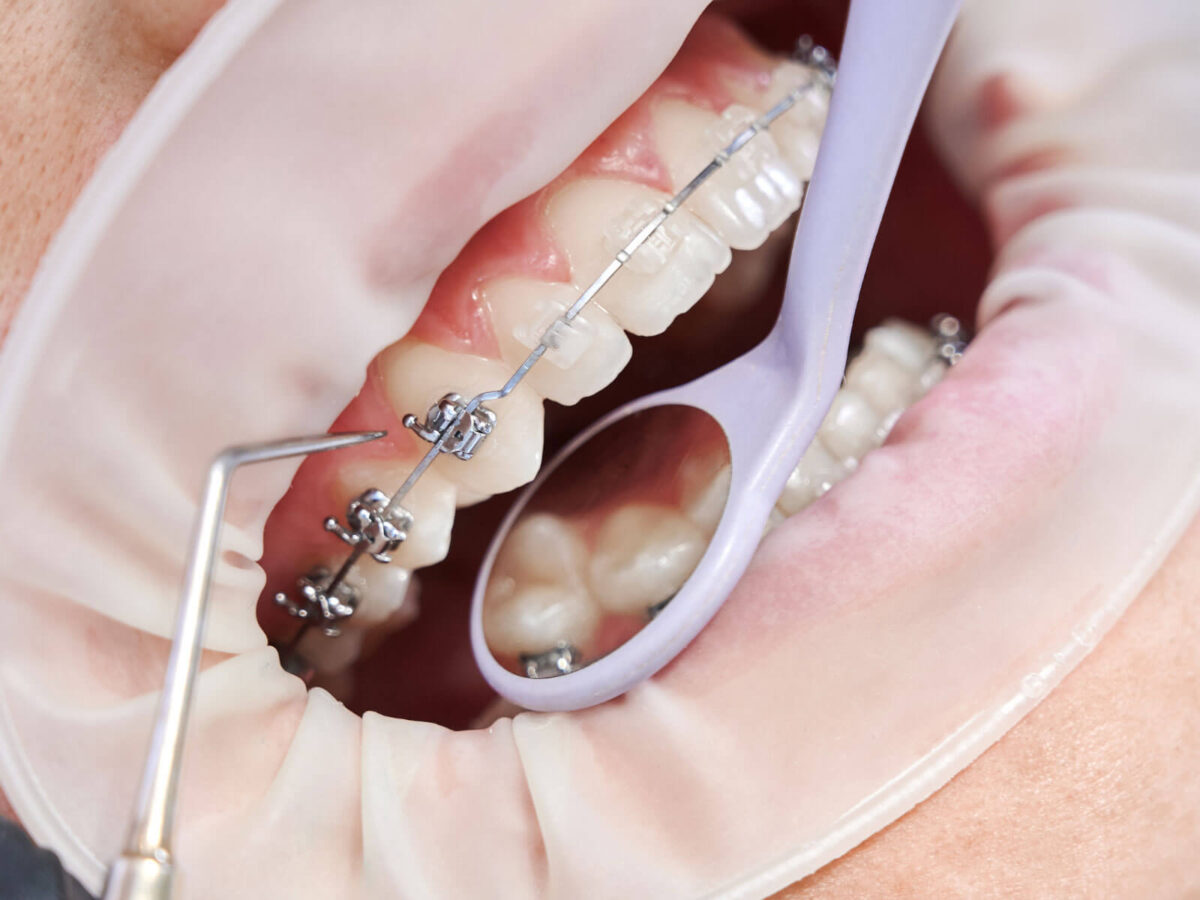
The early phase of braces treatment usually focuses on alignment. Brackets are placed on the teeth, and a thin archwire connects them across the smile. The wire begins applying light pressure. It does not move teeth instantly. Teeth move slowly while gentle pressure guides them into better positions.

In the first few months, changes tend to appear slowly. Teeth that once appeared crowded may begin moving slightly apart. Areas where teeth overlapped often start to straighten. Progress tends to happen little by little. For that reason, patients usually see the orthodontist about every two months so small adjustments can be made along the way.

What Changes During The Middle Stage Of Braces

When the teeth begin straightening, orthodontists also evaluate the bite. The way the upper and lower teeth meet influences more than the look of a smile. It plays an important role in biting and overall oral health.

Rubber bands or other orthodontic appliances may be used during this stage of treatment. They may seem minor at first. They may seem simple, yet they serve a clear function. They guide the teeth and jaw as the bite slowly improves.

When Braces Treatment Nears Completion

Later in treatment, progress begins to feel a little different. By this stage, most of the larger tooth movements are already finished. What remains are smaller adjustments that refine the final alignment.
Orthodontists keep adjusting the braces during this stage. Teeth continue moving slowly over time. Early changes can be hard to notice.

Near the end of treatment, the orthodontist reviews the patient’s bite. They look at how the upper and lower teeth come together when the mouth closes naturally. Comfort matters here. Balance too. Once the alignment looks correct, the braces can come off.

Why Retainers Matter After Braces

Many patients assume orthodontic treatment ends once braces come off. In reality, the retention phase is just as important as the treatment itself. Teeth naturally try to return to their previous positions.

Retainers hold the teeth in place after the braces are removed. The bone also takes time to adjust. It does not happen overnight. The American Association of Orthodontists advises the use of retainers. Without them, the teeth will slowly move back.

How Patient Habits Affect Treatment Duration

Orthodontists design the treatment plan. The timeline, however, often comes down to the patient. Daily habits make a difference.
Sometimes a bracket breaks. Sometimes an appointment gets missed. Rubber bands may not always be worn as instructed. When that happens, progress can slow. Patients who follow instructions closely usually finish treatment closer to the expected timeline.

Why Braces Timelines Differ

Bracing timelines can differ from patient to patient. Mild alignment problems often take less time to correct.

A small gap may close relatively quickly. Minor spacing issues can respond faster too. Crowding is another situation. Bite or jaw alignment problems often require slower adjustments. Orthodontists guide the teeth carefully to maintain balance.

FAQs

How long do braces usually stay on?

Braces often remain for around two years. Some finish sooner. Others need more time. The timeline usually depends on the type of correction needed.

Can small spacing issues be corrected quickly?

Mild crowding is often easier to treat. A few patients may finish in roughly a year. Others take longer because every case is different.

Do braces take longer for some age groups?

No. Not always. Treatment for adults can sometimes move more gradually because the bones have finished developing. Still, orthodontic treatment works well for adults.

Can treatment time be reduced?

The process is designed to move teeth gradually. Rushing it is not safe. Patients who follow instructions closely often stay closer to the expected schedule.

Conclusion

Orthodontic treatment takes time. Patience matters too. Many people ask how long do you have to wear braces and hope for a simple answer. The reality is different. The timeline usually depends on each patient’s dental needs.

Understanding how long do you need to wear braces also means looking at what affects treatment. Alignment problems play a role. Bite correction does as well. Patient cooperation matters too. In the end, the goal is not speed but a healthy, stable smile.

In case you have been thinking of braces or asking yourself how long do you need to wear braces, then you would want an orthodontic appointment as the most effective first step.

An orthodontist is able to examine your teeth and inform you of the treatment process and give you a customized schedule depending on your needs. Premature analysis and correct treatment will contribute to the achievement of the best outcomes and a long-lasting, confident smile.

Categories
Dental care

What Is a Pediatric Dentist and What Do They Treat?

Why Parents Often Hear About Pediatric Dentists Unexpectedly

Most people do not sit down one day and search “what is a pediatric dentist” just out of curiosity. Usually, something small leads to that question. A child might say a tooth feels odd. A dentist may notice a cavity that needs treatment. At times, the visit simply feels stressful for the child.

That moment makes parents pause. Adults see a dentist. Children see a dentist. So why would a different type of dentist exist?
The answer has less to do with the teeth themselves and more to do with how quickly childhood changes. Teeth grow, shift, and appear at different stages. That constant change is where pediatric dental care begins to matter.

Why Children’s Teeth Don’t Stay the Same for Long

Anyone who has watched a child grow knows how quickly things shift. In one month, a baby tooth appears. Within a year, that tooth may start loosening. At the same time, adult teeth develop quietly under the gums.

That constant movement makes childhood dentistry slightly different from adult care. Teeth are not just being treated. They are being monitored while they develop. This is the space where pediatric dental care usually fits.

What Is a “Pediatric Dentist” in Everyday Terms

In dental clinics, children are often treated by a pediatric dentist. Their work mainly involves young patients.

Becoming one takes more than dental school alone. After graduation, additional training follows. Those years focus on childhood growth, tooth eruption patterns, and treatment approaches suited for children.

The American Academy of Pediatric Dentistry provides this explanation. Pediatric dentists care for infants and children. They also care for individuals with special health needs.

Communication is another focus. Children respond to dental settings differently from adults, so learning how to guide those visits becomes part of the training.

Why Baby Teeth Often Deserve More Attention Than Expected

Many parents hear the same phrase growing up: Baby teeth eventually fall out, so they aren’t that important. It sounds reasonable at first. But those temporary teeth play several roles while children grow. They help children chew and speak clearly. They also guide permanent teeth into place.

Sometimes decay causes a baby tooth to come out sooner than expected. The space does not always stay open. Nearby teeth may shift little by little. As the permanent tooth begins to erupt, the gap may already be reduced. Pediatric dentistry studies have linked early baby tooth loss with alignment changes.

That possibility is one reason dentists pay close attention to baby teeth even though they are temporary.

Why Cavities in Children Are More Common Than People Think

Childhood tooth decay appears more often than many expect. Sugar from snacks and drinks stays on the teeth. Snacks throughout the day keep bringing sugar to the teeth. Bacteria respond. Acid forms, and enamel slowly begins to weaken.

Cavities in baby teeth are common. The Centers for Disease Control and Prevention reports that more than half of children aged six to eight have experienced them.

Seeing that number often surprises parents. But it also explains why regular dental monitoring during childhood becomes important. Problems tend to appear quietly before they become obvious.

What Pediatric Dentists Usually Treat

Many appointments with a pediatric dentist deal with common dental issues. Cavities remain the most frequent one. Decay can move quickly in baby teeth since their enamel is thinner. Dentists also monitor other changes.

They check how teeth come in and how the bite forms. Thumb sucking may also be discussed if it continues too long. Sometimes the visit focuses more on watching development. Patterns appear gradually over time.

Why Early Dental Visits Are Often Recommended

Some families hold off on the first dental appointment. They prefer to wait until a child grows older. Pediatric dental organizations usually recommend an earlier visit instead. The American Academy of Pediatric Dentistry advises an early first visit. Typically, by the first birthday or within six months after the first tooth shows up.

At that age, the visit is simple. Often short as well. The dentist checks the teeth and talks with parents about daily care. The child also gets used to the dental office. That early comfort can make future visits much easier.

Why Children Sometimes Feel Nervous at Dental Visits

A dental visit can feel strange for a child. The bright light overhead. The sounds from tools. Even the instruments may look strange at first. It is easy for a child to feel uneasy in that setting. Pediatric dentists learn ways to ease those moments. They often show instruments slowly and explain each step in simple words that children understand.

Many clinics offering pediatric dental care are arranged with children in mind. Colourful walls. Smaller chairs. Sometimes cartoons are playing nearby. These details may seem small, but they often shape how children remember their earliest dental visits.

Why Prevention Becomes a Big Part of Pediatric Dentistry

Prevention sits at the center of pediatric dental care. By strengthening enamel, fluoride treatments can make cavities less likely to form. Sealants may also be used. They are placed on molars, covering the deep grooves where food particles and bacteria often collect.

The CDC reports that children without sealants develop nearly three times as many cavities as children who receive them. Preventive treatments may seem small, but they help reduce the likelihood of larger dental procedures later. Sometimes the best dental treatment is the one that prevents a problem entirely.

Why Diet Often Shapes Children’s Dental Health

Daily routines often shape dental health during childhood. Snacks and sweet drinks throughout the day mean teeth meet sugar again and again. That repeated exposure matters. Sugar lingers on teeth. Bacteria react to it and create acid, and the enamel slowly starts losing strength.

Tooth decay is still very common in children. The National Institute of Dental and Craniofacial Research reports this in national data. During checkups, pediatric dentists often bring up diet for that reason.

Small changes can help. Choosing water more often than sugary drinks is one example. Many preventive habits actually begin at home, long before the dental visit.

Why Consistent Visits Help in the Long Run

Dental care does not have to be perfect every day. What usually helps more is consistency. Regular visits let dentists keep track of how teeth are developing. Small problems can be noticed sooner that way. Children who grow comfortable with dental visits often carry that habit forward. The dentist stops feeling stressed. Just part of normal care. As time passes, these habits support better oral health.

FAQs

What kind of care do children usually receive?

It includes checkups and cavity care. It also includes monitoring tooth development.

When should a child go for the first visit?

Usually by age one. The visit helps identify any early dental concerns.

Why are baby teeth important?

They assist with eating and speech while keeping space for adult teeth.

Conclusion

Understanding “what is a pediatric dentist” often begins when parents see how quickly a child’s smile shifts. Teeth come in. Spaces change. Sometimes small problems appear before anyone expects them. Pediatric visits are not only about treating cavities. Dentists also watch development and help children feel relaxed in the chair.

At first, it feels routine. Just a short exam. Maybe a few tips about brushing. But this is often where pediatric dental care begins, helping protect young teeth as they grow. Bit by bit, habits form. Small guidance helps. Has your child skipped dental visits lately? It may be worth planning a checkup soon.

Categories
Dental care

How to Stop Bleeding Gums Naturally and Medically

Since there’s usually no pain, it’s easy to brush it off. Many people just figure they were a little too rough and decide to lighten their pressure the following day. They switch angles, slow down, or even change toothbrushes. When the bleeding continues anyway, it suggests that irritation along the gumline may already be present.

This is usually when the focus shifts toward a solution. How serious is it? What should be done next? And ultimately, how to stop my gums from bleeding?

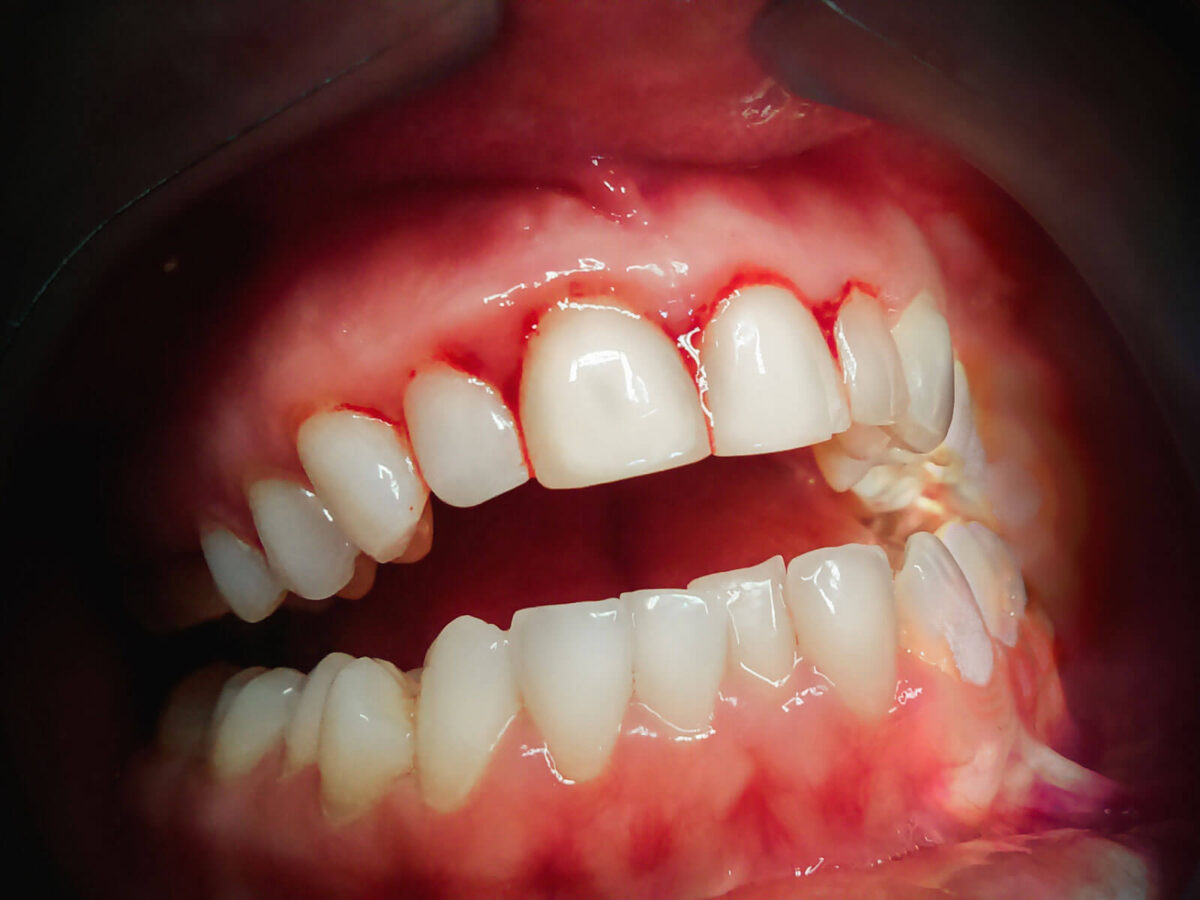
Bleeding often means the gums are irritated. Plaque tends to collect right where the teeth meet the gums, and if it isn’t removed well, the tissue gets inflamed. Inflamed gums bleed more easily. Cleaning more thoroughly and having plaque professionally removed usually helps calm things down.

Why Gums Bleed Even When You Think You’re Brushing Fine

The most common reason gums bleed is swelling. That inflammation usually starts quietly with plaque. There’s always some bacterial buildup near the gumline. If it isn’t cleaned off consistently, the gums begin to respond with irritation. The gums respond by swelling slightly. And swollen tissue bleeds more easily when touched.

The Centers for Disease Control and Prevention reports that close to half of adults over the age of 30 have some form of gum disease. While that statistic may seem concerning, much of it refers to mild inflammation called gingivitis, which is both common and treatable. In most situations, when someone looks up how to stop their gums from bleeding, the issue has developed slowly due to plaque buildup rather than a sudden or severe problem.

Bleeding isn’t caused by one thing alone. Being overly hard with brushing can wear on the gums. Shifts in hormones sometimes leave the gums feeling tender. Some medications can have a similar effect. Even stress can affect immune response, which indirectly influences gum health. But plaque remains the most frequent trigger.

The Natural Changes That Often Make a Difference

Here’s the part most people don’t expect. When they see blood, they stop brushing that spot. It feels sensible at first. If it bleeds, give it a break. But skipping the area often makes the problem linger because plaque stays where it is. The key isn’t avoiding the gumline. It’s cleaning it gently and regularly.

A soft toothbrush used with light pressure along the edge of the gums helps remove buildup without causing more irritation. Scrubbing harder won’t fix it. Being consistent usually does.

If your gums have been inflamed, flossing might not feel great right away. There may even be a little more bleeding at first. That can make you want to stop. But in many cases, it’s just the tissue responding because it hasn’t been cleaned properly in a while. Staying consistent, without being rough, often helps the bleeding reduce over time.

Saltwater can soothe irritated gums for a while, even though it doesn’t treat the cause behind the bleeding. It’s more of a comfort measure. Real improvement often depends on what’s happening outside that quick rinse. Not drinking enough water or regularly skipping balanced meals can quietly affect how gum tissue holds up over time.

When Home Care Isn’t Enough

You can improve your home care and still notice the bleeding sticking around. If it hasn’t eased after a couple of weeks, it’s probably not just a small surface issue.

Plaque that stays on the teeth too long eventually turns into tartar. At that point, it can’t be brushed away at home. The surface becomes rough near the gumline, and that roughness gives bacteria more places to stick and build up. That constant irritation prevents healing. This is where professional bleeding gums treatment becomes important.

A dental hygienist can remove tartar through scaling. The difference afterwards can be noticeable. Gums often feel less tender within days once the source of irritation is gone.

At times, the problem isn’t just along the edge of the gums. It can extend slightly beneath the surface, where home care doesn’t do much. That’s when a deeper cleaning might come up in conversation. Taking care of it sooner tends to keep things simpler.

When It’s More Than Gingivitis

Gingivitis usually causes light bleeding that improves once plaque is removed more consistently. When it’s ignored for too long and moves deeper, though, it becomes a different situation altogether.
In more advanced stages, gum disease affects more than just the gum tissue. It can involve the deeper structures around the teeth, including bone. Since it develops without much noise, many people don’t catch it early. Ongoing bleeding, stubborn bad breath, or gums that appear to shrink are signs that shouldn’t be ignored.

The American Academy of Periodontology has explained that if gum disease continues without treatment, tooth loss can become a real possibility. Early attention makes a difference. That’s why consistent care matters. If you’re repeatedly asking yourself, “How to stop my gums from bleeding”, and the problem keeps returning, a professional evaluation provides clarity.

Why Brushing Harder Doesn’t Help

Many people assume that if something feels unclean, brushing harder will solve it. Gums don’t respond well to force. They respond to consistency. When brushing turns into scrubbing, the gums usually feel it. A small adjustment in angle and gentler movements usually does more. Brushing harder doesn’t clean better. In fact, it can irritate the gums. Some people find electric toothbrushes useful because many of them signal when too much pressure is being used. Sometimes the solution isn’t doing more. It’s doing it differently.

When Health Factors Play a Role

Not every case of gum bleeding comes down to plaque. Pregnancy can temporarily change how the gums respond. Diabetes can alter the body’s inflammatory response, which affects oral tissue too. Medications that thin the blood may also make light bleeding seem heavier than expected.

When it seems out of proportion to your oral care, that’s a conversation worth having. Dentists notice patterns like this, and sometimes your physician should be part of it as well. What shows up in the mouth often connects to overall health.

The Emotional Side of Seeing Blood

Even a little blood in the sink can throw you off. It’s not only about what you see. You start thinking about your habits in your head. Did I skip flossing too often? Did I wait too long between cleanings? But bleeding gums are often an early warning sign, not a crisis.

In many cases, they’re reversible with attention and care. It’s always easier to manage gum concerns early rather than later on. A measured response tends to work better than an alarm.

FAQs

How do you stop bleeding gums fast?

Usually, by cleaning more carefully, not less. Avoiding the spot often makes it linger. If it’s early inflammation, things tend to improve once plaque is removed properly.

Do all cases need a dentist?

Not every time. Some bleeding settles with better home care. If the bleeding sticks around, it’s better not to ignore it.

Why would gums bleed if I already brush daily?

Because frequency isn’t everything. Technique and flossing matter just as much.

Can stress really affect gums?

Yes. The body’s stress response influences inflammation, and the gums aren’t separate from that.

Conclusion

When the question becomes how to stop my gums from bleeding, it’s tempting to brush less. In reality, steady and careful cleaning often makes more of a difference than backing off. Bleeding often signals irritation that can calm down once plaque is properly removed.

And if it doesn’t improve, that’s the time to look into professional bleeding gums treatment instead of guessing. Addressing it early tends to keep things straightforward. Leaving it alone rarely does.

Categories
Dental care

Can You Get a Tooth Extracted and Implanted on the Same Day?

Tooth loss isn’t something people schedule into their lives. It tends to build up quietly, whether that’s a fracture that never quite stabilises or a lingering infection that keeps coming back. Eventually, saving the tooth just isn’t realistic anymore. Once extraction becomes part of the conversation, most people immediately wonder what happens next and whether they’ll be left waiting with a visible gap.

When extraction becomes part of the plan, conversations about same-day tooth extraction and implant treatment tend to follow. Most people don’t love the idea of a gap or a drawn-out timeline. If the tooth can be removed and replaced in the same appointment, it sounds more straightforward than spacing it out over several months.

Still, deciding on an implant same day as extraction isn’t just about convenience. A same-day extraction and implant depends heavily on the condition of the surrounding bone and tissue. The real deciding factor isn’t the calendar, but whether the body is ready to support it properly.

What Is “Same-Day Tooth Extraction and Implant”?

With a same-day tooth extraction and implant, the implant post is placed right after the tooth is removed. All of this happens within the same appointment. Instead of waiting months for healing before moving forward, the replacement process begins immediately while the area is still prepared.

The older approach involved taking the tooth out and pausing there. They waited to place the implant until the bone and gums had recovered. It was predictable, and for many years, it was considered the safest approach.

Over time, research began to show that in certain cases, immediate placement could be just as successful. According to studies summarised by the National Library of Medicine, immediate implants can have survival rates comparable to delayed placement when case selection is appropriate. [Source]

Why Would Someone Choose an Implant Same Day as Extraction?

The biggest reason is time. Healing after an extraction alone can take months before an implant is added. That stretches the overall process significantly. For many patients, that delay feels frustrating.
Bone changes are part of the picture too. Once a tooth is removed, the jawbone in that area doesn’t just stay the same. The American Dental Association has noted that bone loss can begin fairly quickly when the space is left empty. Sometimes, placing the implant at the same time gives the bone support before it has much chance to shift. [Source]

The emotional peace matters more than people admit. If the replacement starts the same day, you don’t walk out feeling like the story paused halfway through. It feels like progress, even if everything still needs time to heal properly.

Is Everyone a Candidate for Same-Day Extraction and Implant?

This is usually the point where timing becomes less about preference and more about what’s actually there. Some extraction sites are strong enough to handle an implant right away, and some simply aren’t. The bone has to be steady and intact enough to support it from the start.

There are situations where everything looks ready, and others where it simply doesn’t. Infection can linger. Bone can feel softer than expected. That’s usually when dentists pause instead of moving straight ahead, not because it’s impossible, but because timing matters more than speed.

It isn’t only the extraction site that matters. Smoking and uncontrolled diabetes can change how the body heals. The American Academy of Implant Dentistry has pointed out that careful evaluation becomes especially important when those factors are part of the picture. [Source]

How Does Healing Work After Same-Day Extraction and Implant?

Even though the implant is placed immediately, healing still takes time. The metal post must fuse with the jawbone in a process called osseointegration. That typically takes several months.

During this period, the visible crown is often placed later, once integration is confirmed. In some front-tooth cases, a temporary crown may be added for cosmetic reasons, but it isn’t usually the final restoration.

Healing isn’t rushed just because placement was immediate. The biology remains the same. The difference is simply when the implant post is inserted.

Are Success Rates Similar to Traditional Implants?

When properly planned, success rates for immediate implants are very high. Research in peer-reviewed journals has shown survival rates above 90 percent when patients are chosen carefully. The outcome tends to depend heavily on who qualifies and how suitable the site is from the beginning. [Source]

However, immediate placement requires precision. The implant must achieve strong primary stability at the time of placement. Without that stability, the risk of failure increases.

This is why a detailed examination, including imaging such as 3D scans, is usually done before recommending an implant on the same day as extraction. Planning determines outcome.

What Are the Benefits and Risks of Same-Day Extraction and Implants?

Some patients prefer the idea of getting it done in one appointment instead of spacing procedures out over months. It can feel less disruptive and easier to move past. There’s also the matter of bone changes after an extraction. The body begins adjusting almost immediately, and in some situations, placing the implant sooner may limit how much that area reshapes over time.

Still, the approach depends heavily on what the site looks like once the tooth is out. If there’s an infection or the bone doesn’t feel stable enough, waiting often makes more sense. The timing tends to follow what the body is showing rather than a fixed plan.

What Should You Expect During the Procedure?

With a same-day tooth extraction and implant, the process doesn’t feel like separate chapters. The damaged tooth is taken out carefully. It is done with an effort to avoid disturbing more bone than necessary. After the tooth comes out, things don’t immediately jump to the next step. There’s a moment where the area is looked at more closely, because it can look different once everything is exposed. Sometimes the area looks ideal. Other times, it doesn’t feel quite as simple as it seemed earlier.

When the bone holds firm, the implant may be placed without much pause. If it doesn’t sit tightly everywhere, extra material can be used around it. After it’s closed, nothing suddenly feels different. Just some swelling and careful eating for a bit.

FAQs

Is same day tooth extraction and implant painful?

During the process, you’re numb. That surprises people. It can feel a bit sore afterwards. It is just part of the healing.

How long does healing take after?

While the implant is placed the same day, the bone takes its time. A few months isn’t unusual before it fully bonds and stabilizes.

Can any tooth be replaced?

Not automatically. Bone strength and infection control determine whether it’s possible.

Is same-day extraction and implant more expensive?

It can be. It may even balance out if fewer surgical appointments are needed. There isn’t one fixed answer.

Does it help you finish treatment sooner?

Yes. It may mean fewer months of waiting around.

Is waiting ever safer?

Sometimes. Stability matters more than speed.

Is Same-Day Tooth Extraction and Implant Right for You?

If you’re preparing for a tooth removal and hoping the replacement can happen immediately, it really comes down to what’s happening beneath the surface. Some situations allow for immediate placement, others don’t. It depends on what the bone looks like once everything is evaluated. A proper consultation with an experienced implant dentist is usually the next move. They’ll review imaging and check the site carefully before recommending a same-day tooth extraction and implant. Getting that clarity early simply makes the decision easier.

Categories
Dental care

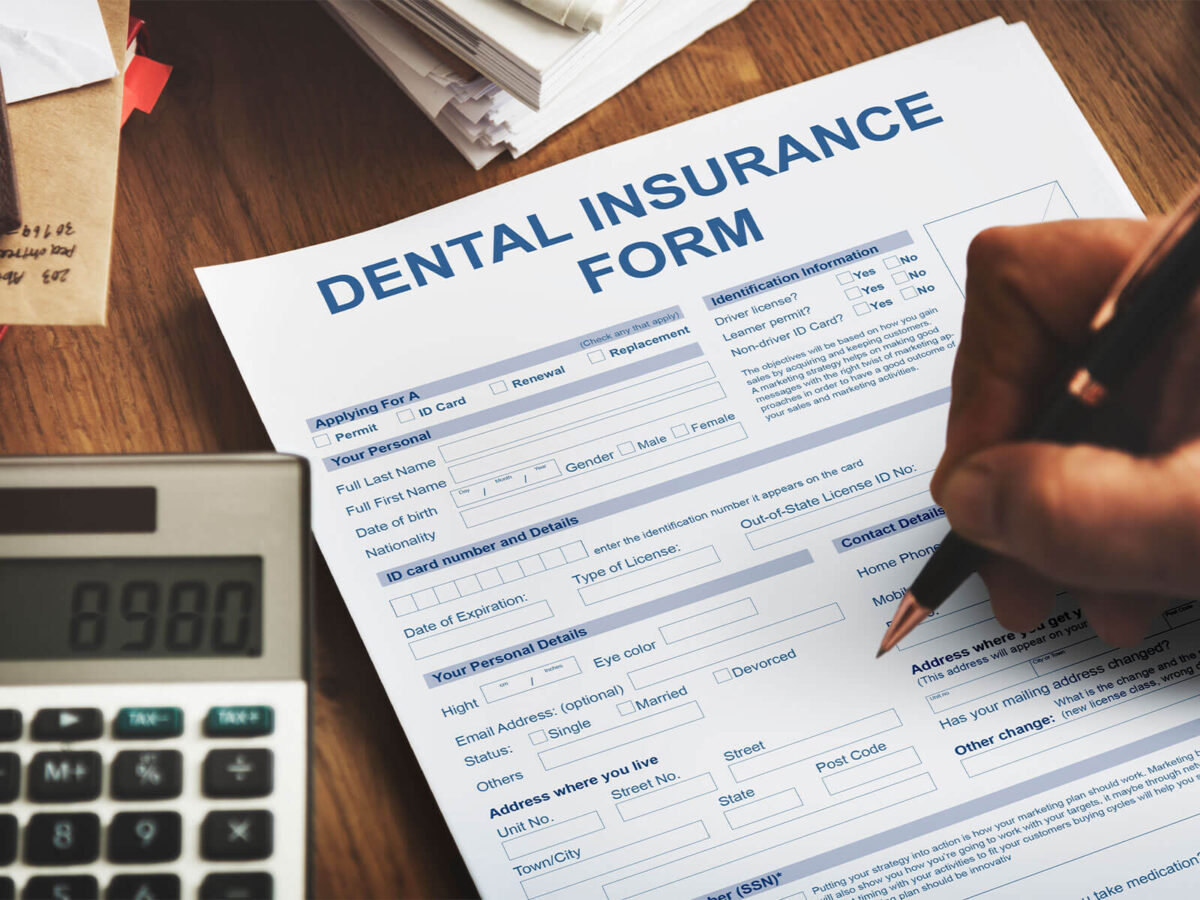
Does Dental Insurance Cover Braces?

After an orthodontic consultation, attention tends to move from treatment details toward cost. The plan may feel solid, but financial questions naturally follow. Braces can offer real benefits, yet the expense alone can raise uncertainty.

That pause usually turns into one question: Does dental insurance cover braces? People ask it because they need to. The answer just isn’t straightforward. Sometimes coverage is there. Sometimes it isn’t. A lot of it comes down to details most people never see until later.

Why Braces And Insurance Feel Complicated

Dental insurance was originally designed around routine care. Cleanings, fillings, basic restorations. Orthodontic treatment doesn’t always fit neatly into that structure.

Braces are long-term. They’re planned. They’re often considered elective, even when alignment issues affect oral health. That classification alone shapes how coverage is handled.

This is why the question does dental insurance covers braces doesn’t have a universal answer.

How Orthodontic Coverage Usually Works

When braces are covered, insurance typically pays a percentage of the total cost rather than covering everything outright. There’s often a lifetime maximum, not an annual one.

That maximum can look reasonable on paper, but then feel small once treatment costs add up. When it’s reached, insurance usually steps back, even though treatment keeps going. It’s an easy thing to miss early on, especially if you expect coverage to carry more of the cost.

Waiting Periods Often Apply

A lot of dental plans don’t make orthodontic coverage available right away. There’s often a waiting period built into the policy, so benefits don’t necessarily start as soon as the plan becomes active. It can take some time before that part of the coverage actually kicks in.

This means braces recommended today might not be covered until months later. For families planning ahead, timing matters more than people expect.

A lot of confusion comes from waiting periods. People hear a positive answer to does dental insurance cover braces, then later realise there was more to it than they expected.

Coverage For Children Is More Common

Orthodontic benefits are more frequently included for children. Many plans define eligibility based on age, often covering treatment started before a certain birthday.

That’s generally why “does dental insurance cover braces for kids” sounds a bit more reassuring. Coverage for children is more commonly built into dental plans, which makes it feel less complicated.

That doesn’t mean coverage is generous. Limits still apply. But inclusion itself is more common.

Adult Coverage Exists, But It’s Less Predictable

Dental plans don’t handle adult orthodontics in a consistent way. One plan might offer some coverage, while another excludes adult treatment entirely. That’s why the question does dental insurance cover braces for adults comes up so often. The answer usually depends on the fine print. Even when coverage is available, it tends to come with lower limits and more restrictions than pediatric benefits. For many adults, that difference isn’t something they expect until they run into it themselves.

Medical Necessity Versus Cosmetic Classification

Insurance companies often separate orthodontic treatment into categories. Some cases are considered medically necessary. Others are labelled cosmetic.

More serious bite problems tend to be treated differently from small alignment issues. When chewing, speech, or jaw comfort is affected, insurance may look at the situation in another way. That difference can play a role in whether coverage applies.

Understanding how a plan defines necessity helps clarify “does dental insurance cover braces” in borderline cases.

Preauthorization Is Often Required

A lot of people assume insurance only comes into play after treatment is finished. With orthodontic care, that’s not always how it works. Many plans want to review the treatment plan first, before they decide how coverage applies. When that review doesn’t happen, problems tend to surface later, usually in the form of denied claims. Preauthorization isn’t a guarantee of payment, but it does help set expectations. This step often gets missed because attention is usually on starting treatment, not paperwork.

Payment Timing Can Feel Confusing

Insurance coverage doesn’t always work the way people picture it at the start. Even when braces are technically covered, the payments usually don’t come all at once. Instead, they’re spread out as treatment goes on. That can mean paying more out of pocket early and then seeing returns show up slowly over time. A lot of people don’t realise that until they’re already in the middle of treatment.

What Insurance Usually Does Not Cover

Insurance doesn’t usually go far beyond standard orthodontic care. Clear aligners, ceramic brackets, or faster treatment can still be options. But they’re often handled as extras rather than covered treatment.

Those choices can still be available, but they usually come with extra cost rather than replacing what insurance already covers. People don’t always expect that. It’s especially surprising for anyone who assumes newer or less noticeable options are handled the same way as traditional braces.

Why Coverage Varies So Widely

Dental insurance plans vary more than people expect. Orthodontic benefits aren’t the same everywhere. Who you work for, which company handles the plan, and where it’s based can all change what coverage actually includes. That’s why two people can have very different experiences with coverage. When people look up does dental insurance cover braces, the answers often conflict, even though both can be accurate based on the plan involved.

What To Ask Before Starting Treatment

Before committing to braces, it helps to ask specific questions. What percentage is covered? What is the lifetime maximum? Does coverage apply to adults? Is preauthorization required? These details matter more than general statements about coverage.

Why Orthodontic Offices Often Help With Insurance

Many orthodontic offices help sort through insurance details, including benefits and estimated costs. That support exists because insurance language is confusing, not because patients are expected to understand it. Using that help can make it clearer whether “does dental insurance cover braces” applies in a specific case.

Out Of Pocket Planning Matters Even With Coverage

Even with insurance, braces usually aren’t fully covered, which surprises a lot of people. It’s easy to assume insurance will take care of most of it, and then later realise there’s still money coming out of pocket. That’s when things can start to feel stressful if it wasn’t planned for. Most orthodontic offices are used to this and usually have ways to spread payments out. Financing, payment plans, or paying in stages come up pretty often once the conversation actually happens.

Insurance Is A Tool, Not The Decision Maker

Insurance often plays a role in the decision, mostly because cost is hard to ignore. Still, it usually shouldn’t be the only thing guiding whether braces make sense. Issues with function, bite stability, or long-term wear on the teeth don’t always line up neatly with what insurance covers. Coverage can help support treatment, but it doesn’t decide whether treatment is actually the right move.

Conclusion

When people ask does dental insurance cover braces, they’re usually hoping things stay simple. What they get instead is a mix of details tied to age, timing, and how plans are written. Definitions matter more than people expect, and small details can quietly change how coverage works.

That’s why confusion often shows up after decisions are already made. Insurance assumptions feel fine at the beginning, then start to feel shaky later on. Looking closer early doesn’t remove the complexity, but it keeps the process from feeling like a surprise.

When braces come up and “does dental insurance cover braces” starts circling around, people usually end up checking with both the orthodontic office and insurance. Getting that out of the way early keeps paperwork from becoming the main focus later.

Categories
Dental care

Different Types of Dental Retainers Explained

Finishing braces feels like the end of the journey. Teeth look straight. Biting feels better. Smiling feels easier. Then the next question shows up, usually with some confusion attached. Retainers. Why are they needed? Which one is given? And whether they really matter. Understanding the types of retainers makes that stage far less frustrating.

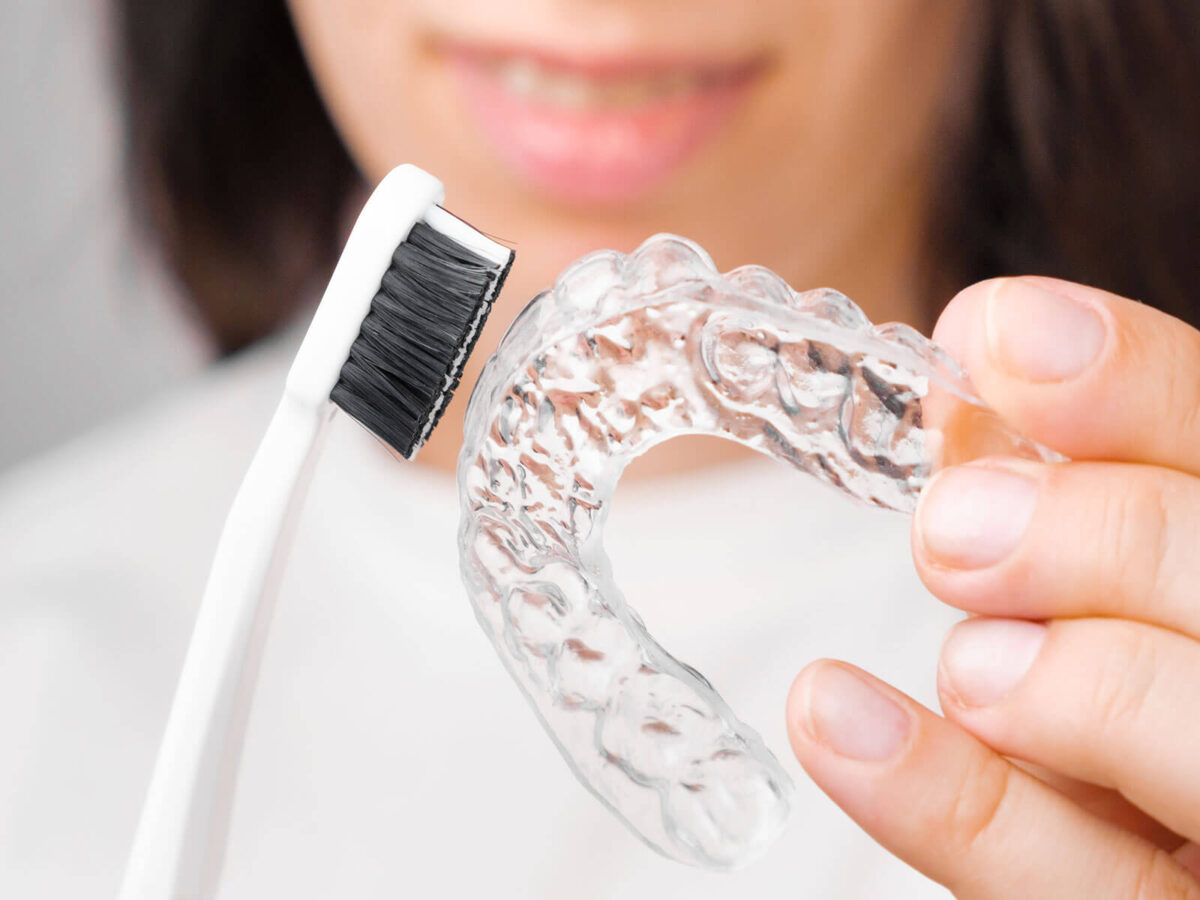
Retainers are not an optional extra. Teeth have memory. They try to move back. Retainers hold them in place while the bone and tissues settle. The different types of dental retainers exist because mouths and treatment goals are not all the same.

Why Retainers Are Needed After Braces

Teeth don’t suddenly settle the moment braces come off. Things are still in motion underneath. The bone around the teeth needs time to adjust, and the ligaments that held everything in place during treatment stay flexible for a while. Without some form of support, teeth have a tendency to drift back, often so slowly that people don’t notice it happening.

That’s where retainers come in. They help hold everything steady while the mouth finishes adapting. After months or even years of orthodontic work, that stability matters. Relapse isn’t rare, even when treatment was done carefully and correctly, which is why orthodontists place so much emphasis on retention.

The different types of retainers exist for a reason. Some are removable, some are fixed, and the choice often depends on how teeth tend to move over time.

Removable Retainers And How They Work

Removable retainers are the most familiar option. They can be taken out for eating and cleaning. These are commonly given right after braces.

There are different styles within this category. Each has its own feel and purpose. These removable options make up a large portion of the dental retainer types used today.

They are popular because they are easy to adjust and replace if needed. The downside is consistency. They only work when they are worn.

Hawley Retainers Explained

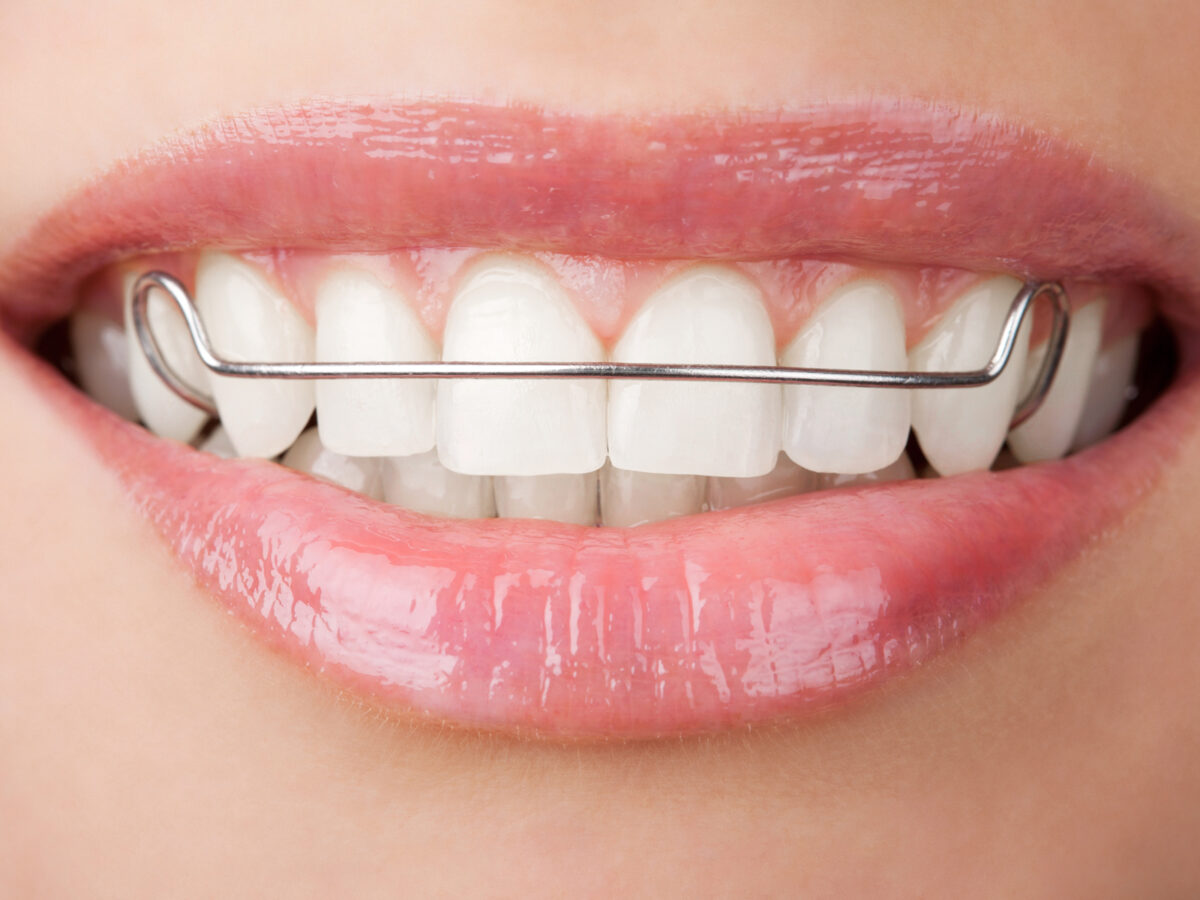
The Hawley retainer is one of the oldest designs. It uses a thin metal wire across the front teeth and a moulded acrylic base that sits against the roof of the mouth or behind the lower teeth.

This design is durable. It allows minor adjustments over time. It lasts longer than many plastic options if cared for properly.

Some people notice the wire at first. Speech may feel different for a short time. With use, most adapt. Hawley retainers are still widely used among the different types of dental retainers because of their flexibility and longevity.

Clear Plastic Retainers

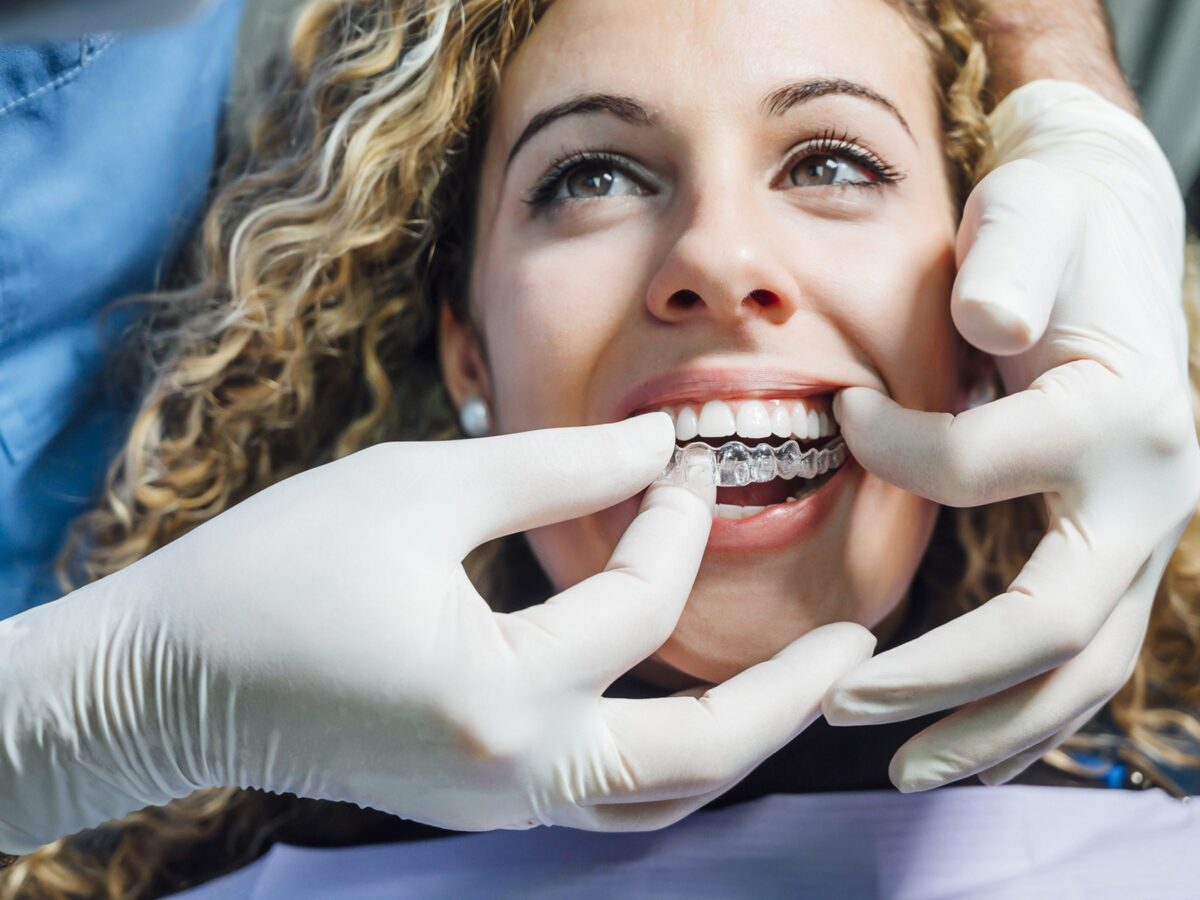
Clear retainers are commonly known as Essix-style retainers. They resemble clear aligners and fit closely over the teeth, which keeps them fairly hard to notice.

Many patients appreciate that they’re discreet and not hard to manage. They’re easy to wear, and cleaning takes very little time. That ease has made them one of the more widely used types of dental retainers.

However, they can wear out faster. Grinding can shorten how long they last, which sometimes means they need to be changed sooner than Hawley retainers.

Fixed Retainers And Why They Are Used

Fixed retainers are bonded to the back of the teeth. A thin wire is attached behind the front teeth, usually on the lower jaw.
This type stays in place all the time. There is nothing to remove or forget. For patients prone to relapse, fixed retainers offer peace of mind.

Among the different types of retainers for teeth, fixed retainers are chosen when long-term stability is a priority. The tradeoff is cleaning. Extra care is needed around the wire.

Upper Vs Lower Retainers

Upper retainers often differ from lower retainers. Upper teeth tend to be more stable. Lower front teeth relapse more easily.

For this reason, fixed retainers are usually used on the bottom teeth, with removable retainers on the top. It’s a common, effective mix.
Understanding this explains why patients sometimes receive more than one of the different types of dental retainers at the same time.

How Long Retainers Need To Be Worn

This question comes up often. The honest answer is longer than most expect. Full-time wear is common at first. Over time, wear may shift to nights only. Some level of retention is usually lifelong. Teeth continue to move with age, and retainers manage that movement.

The retainer someone has often affects more than how long it lasts. It also changes how smoothly it fits into daily routines. Some options are simple to manage. Others take a bit more getting used to over time. That’s why choosing between dental retainer types isn’t only about comfort in the moment. It’s also about how that choice holds up long term and whether it realistically works with everyday habits.

Comfort And Adjustment Period

Most retainers feel a little odd in the beginning. Pressure is expected, and some soreness can show up during the first few days. It’s also common for speech to feel slightly different at first.

That phase doesn’t last forever. As wear becomes more consistent, things usually get easier. Skipping days can interrupt that process and bring the discomfort back.

The experience also depends on the design. Clear retainers often feel snug. Hawley retainers can feel more noticeable because of their shape. Fixed retainers tend to disappear from awareness once the mouth adjusts.

Cleaning And Maintenance

Caring for a retainer is part of making it last. Removable retainers need daily cleaning because plaque builds up quickly on plastic and acrylic. It’s one of those things that’s easier to stay ahead of than fix later.

Fixed retainers require some extra attention during cleaning. It takes practice to get under the wire, and floss threaders or water flossers often help.

When care is ignored, retainers tend to wear out sooner. Proper cleaning often makes retainers easier to live with over time. That seems to apply to all types of retainers, regardless of design differences.

What If The Retainer Breaks Or Is Lost

Retainers are not indestructible. Some crack over time, others bend or loosen without warning. When that happens, teeth can shift quickly. Replacing a retainer sooner helps avoid relapse. That’s usually why follow-up visits still come up after braces. Retainers are treated as part of the process, not something separate.

Cost And Longevity Differences

Hawley retainers often last the longest. Clear retainers may need more frequent replacement. Fixed retainers last for years but may require rebonding.

Price can change based on materials and how often replacements come up. Looking past the initial cost usually gives a better sense of value. That perspective helps people understand what retention really looks like over the long run.

Why Wearing Retainers Is Not Optional

When teeth shift after braces, it’s often tied to retainers not being worn regularly. Movement does not mean treatment failed. It means retention failed. Retainers protect the investment already made.

They preserve results quietly, day after day. Among all orthodontic steps, retention is the one that determines whether results last.

Final Thoughts

The different types of dental retainers exist for a reason. No single option works for everyone. Some people need removable retainers. Others benefit from fixed ones. Many use a combination.

Understanding the types of retainers makes the final stage of orthodontic care less confusing and more manageable. Retainers are not the end of treatment. They are what make the result stick.

If you feel unsure about which types of dental retainers suit you, a follow-up visit helps. A quick check looks at fit, stability, and long-term retention needs. Consistent retention helps keep teeth straight right where they belong, comfortably.

Categories
Dental care

Benefits of Wearing a Night Guard

People usually wake up with a jawache or a dull headache and think it is nothing. It feels random. For many, it is not. Grinding or clenching at night is often the reason, even if they never notice it happening. A night guard helps with that.

Once people understand the benefits of a night guard, the idea usually makes sense. It takes pressure off the teeth. It lets the jaw rest. It also limits the slow damage that builds up over time. This article explains what a night guard actually does and why wearing one at night can quietly prevent bigger problems later on.

What A Night Guard Actually Is

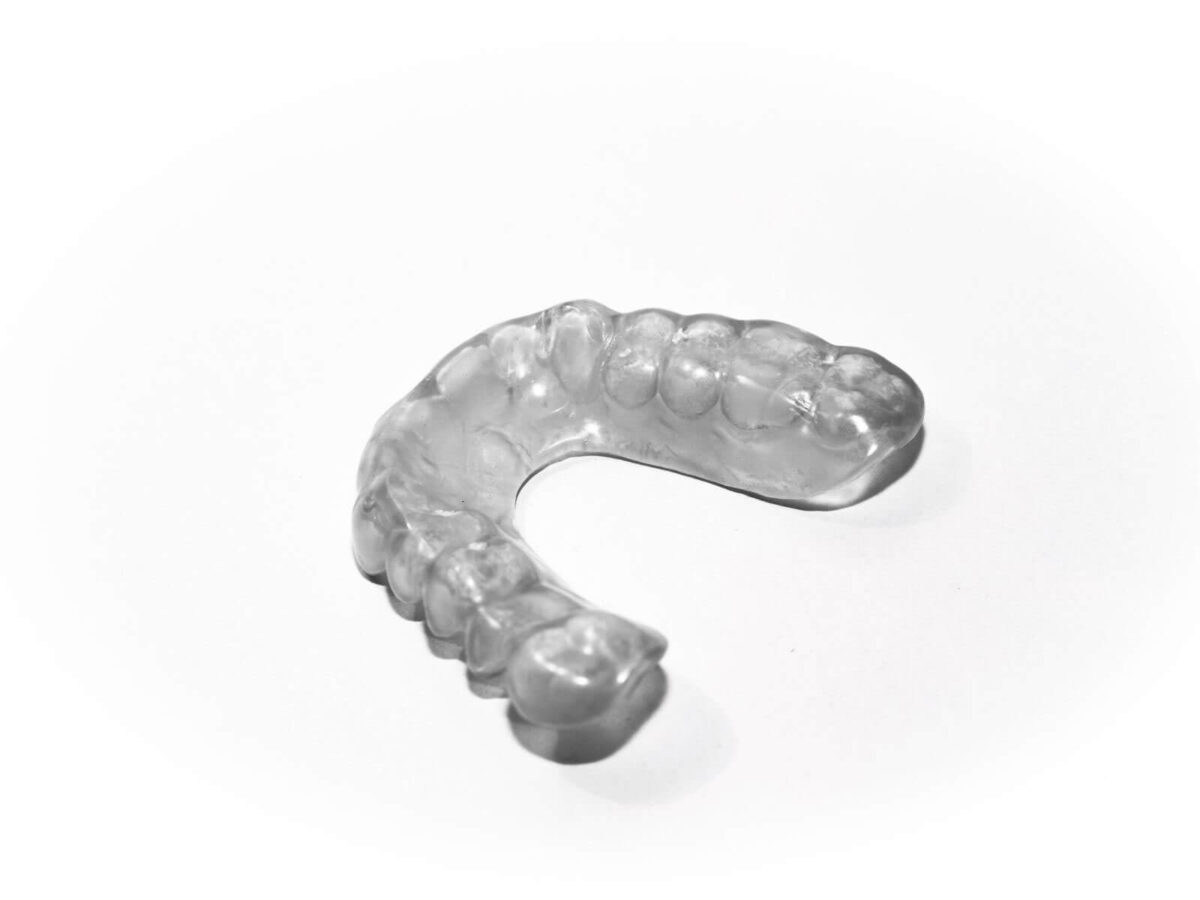
A night guard is a small shield that fits over the teeth at night. It rests between the top and bottom teeth and creates a barrier. That barrier prevents direct rubbing and takes the edge off heavy pressure. Some guards feel soft. Others are more rigid and built to last longer. No matter the design, the idea is simple. Guard the teeth and take pressure off the jaw during sleep.

Protects Teeth From Wear And Cracks

Bite wear is a quiet problem, which is why one of the strongest benefits of wearing a night guard is protection. Grinding slowly damages enamel and flattens teeth without obvious warning. A night guard stops direct contact and reduces that steady wear. Enamel loss cannot be undone. Guarding it now often saves you from pain and dental fixes later.

Reduces Jaw Pain And Tightness

When someone clenches, the jaw stays tense for hours. Nothing relaxes properly. That pressure often shows up later as stiffness or soreness that does not fade quickly. A night guard shifts the contact between the teeth and takes some stress away. The muscles get room to loosen. Pain tends to ease after that. This simple change is one of the benefits of a night guard, especially when days start feeling less uncomfortable.

Lowers Headaches And Facial Pain

Many people with nightly grinding wake with tension headaches or aching behind the ears. This happens because jaw muscles are linked to head and neck muscles. By reducing grinding, a night guard reduces the muscle strain that can turn into a headache. For some, headache frequency drops quite noticeably after starting to wear a guard. It is not a cure for all headaches, but when grinding is a contributor, the guard helps calm that source of pain.

Helps Protect Existing Dental Work

Crowns, bridges, veneers, and fillings feel that stress as well. Grinding can crack or loosen these repairs, and fixing them is costly. One of the practical benefits of a night mouth guard is the extra protection it gives to any dental work. The guard buffers the force and keeps the repairs safer. For people with recent dental work, a night guard is often suggested right away so the investment lasts longer.

Helps Reduce Sensitivity and Cracks

Worn enamel can make teeth sensitive to temperature and pressure. It also leaves the surface more prone to tiny cracks as time passes. Those cracks usually start small, but repeated force can make them worse. A night guard helps by lowering that constant pressure while you sleep. It gives the teeth a break and limits how much force hits the same spots night after night.

Over time, teeth stay healthier and face fewer problems. These are the benefits of a night guard.

Can Improve Sleep Comfort For Some People

Grinding can make sleep feel light and broken. You may not wake up fully, but the body never really settles. For some people, cutting down that grinding with a guard leads to deeper rest. Not perfect sleep, just better sleep. When the jaw is calmer and pain is lower, the body relaxes more easily. Mood improves. Energy comes back. Healing works better overnight.

One of the quieter benefits of wearing a night guard is simply feeling more comfortable from one night to the next.

May Reduce Light Snoring For Some Users

Night guards are not a primary snoring treatment, but they can help in some cases. A guard that changes jaw position slightly may open the airway a bit for certain people and reduce soft snoring. Night guards do not fix snoring for everyone. In some cases, though, people who grind and snore a little notice some relief with the right fit. It helps to ask a dentist if a guard could help in your situation.

Types Of Night Guards And Why Fit Matters

Night guards are generally sold in three styles. Stock guards are not costly, but many people find them bulky and loose. After being warmed, boil-and-bite guards mould to the teeth and usually feel easier to wear. Custom guards are made by a dentist and shaped in a lab to match the mouth closely. These tend to be the most comfortable and durable. Fit really matters. A loose guard can shift, make noise, or wear unevenly over time. Choosing the right fit helps deliver the true nightguard benefits.

How To Choose And When A Dentist Should Be Involved

The right guard depends on a few simple things. How hard someone grinds. If there are crowns, fillings, or any existing dental work to protect. And how the guard feels once it is in the mouth. Mild grinding can often be managed with a boil-and-bite guard to start. Heavier grinding usually needs more protection. Custom guards are often the better choice for people with dental work. A simple exam can also help identify gum or bite issues early. Starting with professional input helps make the choice safer and more practical.

Caring For A Night Guard

A night guard works best when it is kept clean. Rinsing it after use and brushing it gently is usually enough day to day. Dry storage matters more than people think. Heat can change its shape, so hot water is not a good idea. An occasional soak in a mild cleaner helps, but strong products can damage it. Over time, guards wear down. Checking for cracks or thinning helps avoid problems. Simple care keeps it working the way it should.

When To See Help And What To Expect From A Checkup

A night guard should not make things feel worse. If it does, or if grinding seems heavier, a dental visit helps sort out why. The guard may not fit properly, or a different style may work better. There may also be a bite problem that needs attention. Seeing a dentist regularly helps keep an eye on wear and gum health too. That steady check-in is what turns the benefits of wearing a night guard into something long-term.

Final Thought

Using a night guard is a small habit, but it adds protection over time. Teeth wear down more slowly. Jaw pain often eases. Dental work takes less strain. Many people notice the benefits of wearing a night guard quietly, through calmer nights and fewer repairs down the road. A brief dental visit helps confirm if it is the right choice. Fit matters, and bite does too. That quick check often makes things clear.

Categories
Dental care

Invisalign vs. Braces: Which Is the Better Choice for You

Straightening teeth doesn’t follow one script for everyone. Some people like a quieter option that fits into life without much fuss. Others feel better with something more structured and steady. And that’s really when the talk around Invisalign vs braces comes up.

They both do the job of improving alignment, sure, but the experience day to day can feel completely different. Different habits, different adjustments, different comfort levels. Understanding those parts helps a person decide what actually feels right. It also makes the choice between braces vs Invisalign a lot clearer than it seems at first.

How Invisalign Works in Daily Life

Invisalign uses clear aligners shaped to move teeth a little at a time. Each set pushes things forward just enough to notice over the weeks. The trays sit over the teeth like a thin, smooth shell, and they fit so closely that most people barely see them. It’s a big reason someone chooses this over other methods in the whole Invisalign vs braces discussion.

You take the aligners out to eat, which makes meals feel normal again. Brushing and flossing stay simple, too, since nothing blocks the way. That kind of flexibility matters for adults and teens who want straighter teeth without the look or routine of traditional hardware.

How Braces Guide Stronger Movements

Braces use brackets attached to each tooth with a wire running through them. This system gives the orthodontist precise control over how teeth move. Adjustments during visits slowly shape the smile into alignment. This method has been used for many years and has a strong history of success.

The structure of braces does not depend on patient reminders. They remain in place at all times. For people who want a treatment that stays active without daily worry, braces make a steady process that works constantly.

Comfort and Appearance Throughout Treatment

Many people think about braces vs Invisalign to understand how each option fits into daily habits. Invisalign has a smooth feel and usually causes less rubbing on the cheeks. Braces use brackets, and those can irritate the mouth at first until everything settles in.
Appearance matters just as much. Clear aligners don’t draw attention, while braces are more visible, even with their smaller modern brackets. For most people, the choice ends up being about what feels manageable and what they feel comfortable showing when they smile around others.

Eating and Oral Care

Meals look different depending on the treatment. Because aligners come out before meals, food doesn’t get stuck. Sticky or hard foods feel easier to handle that way. Brushing stays easy each day because the trays come off fully.

Braces require more careful choices with food. Hard or very chewy items may damage the wire or brackets. Cleaning also takes more time because flossing around brackets requires patience and attention. These differences influence decisions when people wonder which is better, Invisalign or braces, for their lifestyle.

How Each Option Handles Complex Cases

It’s common to hear someone ask, “Is Invisalign better than braces?” because they want something simple and smooth. Invisalign helps with many everyday alignment issues and continues to advance each year. But more complex cases often respond better to braces because brackets give orthodontists more control. That’s when expert guidance really matters. The best choice depends on how your teeth sit now and the kind of movement they actually need.

Keeping Up With Treatment

Both treatments need commitment, just in different forms. Aligners only do their job when they’re worn long enough each day. Forgetting them or leaving them out for long periods slows progress. People who enjoy flexibility but stay disciplined often appreciate this method.

Braces stay on all the time. They do not depend on reminders or routines beyond good oral care. This makes them useful for younger patients or anyone who prefers a system that stays active without daily decisions. That steady structure helps explain the difference between braces and Invisalign in long-term success.

Speech and Adjustment Periods

The first days with braces or aligners feel different for everyone. Aligners sometimes cause small speech changes while the tongue adjusts, but that usually settles fast. Most people barely notice it after a short stretch.

Braces can make the start feel a little more noticeable since the brackets sit against the lips and cheeks. They get used to the new shapes slowly. Warm salt water or orthodontic wax can make that adjustment easier. With time, both options feel normal. Each person gets comfortable in their own way.

The Road Ahead and the Results That Follow

Treatment length depends mostly on what the smile needs, not just the method used. Some people finish a little faster with aligners because they stick to the plan. Others move along better with braces because the brackets keep working around the clock. Everyone’s pace is a bit different.

Ask “What is the difference between Invisalign and braces?” and the answer ends up pretty simple. Both are meant to create a balanced, healthier smile. The journey changes, not the goal. And with routine visits, both options stay safe and predictable.

Lifestyle Considerations and Personal Comfort

Daily habits matter when choosing between the two. People who travel often or enjoy many meals away from home may prefer aligners because they come out so easily. Those who prefer not keeping track of anything extra may lean toward braces.

Sports and physical activities also influence the decision. Aligners offer a smooth surface during contact activities. Braces may require more protection depending on the sport. Small details like these help decide what’s better, braces or Invisalign, for each person’s routine.

Finding the Right Fit

Choosing Invisalign or braces isn’t about picking the “better” one. It’s about what suits the patient and what feels easier for them. The dentist or orthodontist watches jaw motion and the mouth’s overall health. Then they steer the patient toward the option that looks like it will help the most.

This clarity helps remove confusion. People leave the appointment knowing the treatment recommended for their needs, not just what sounds appealing. Understanding “Is Invisalign more effective than braces?” becomes easier when guided by someone who studies alignment every day.

So, Which Is Better, Invisalign Or Braces?

Straightening teeth becomes an investment someone carries forever. When the system fits well, confidence shows up at home, at work, and in everyday social moments. It influences oral health for years ahead. That is why choosing carefully is very important. Both options offer strength. Both can transform a smile patiently and safely.

Thinking about appearance, comfort, lifestyle, and dental needs helps the choice become clearer. The final decision should feel natural, not quick.

Ready to Begin Your Alignment Journey

A consultation provides answers based on your teeth, your goals, and your comfort. Whether aligners or braces become the better path, the result aims for a balanced smile that feels good every day. Starting with a simple visit helps set the direction for a confident future.

Categories
Dental care

How Dental Sealants Protect Your Child’s Teeth

When parents ask what helps a child build a strong base in oral health, a nearby dentist in Sinton TX usually points toward small choices that work behind the scenes. Dental sealants rank high among them. These light coatings stay on the chewing surfaces of back teeth and keep sticky food and bacteria from hiding in deep grooves. A Sinton pediatric dentist notices the benefits all the time. Sealants reduce filling needs later and make everyday care more manageable for families.

What Dental Sealants Are

A dental sealant is a tooth colored layer brushed into the narrow pits and fissures on molars and premolars. The material moves into the small grooves and sets into a surface that makes plaque less likely to collect. The clinician cleans and dries the tooth, then adds a mild conditioner for strong bonding. When the material hardens, brushing becomes simpler, and cavity prevention improves because fewer bacteria settle in deep spots.

Why Back Teeth Need Special Protection

Back teeth have all these little shapes and curves, and the chewing surfaces end up with tight grooves where food just sits, no matter how well a child tries. Even careful brushing misses things hiding deep inside those tiny spots, especially while they are still figuring it out. First adult molars show up around six or seven, which leaves them open early. Seeing a dentist in Sinton TX for sealants gives those teeth help right when they need it.

How Sealants Fit Into A Preventive Plan

Sealants fit in as one piece of a practical prevention plan. A Sinton pediatric dentist still reminds parents to stay consistent with daily fluoride brushing, clean between teeth when it feels needed, and keep snacks balanced. Sealants cut down the hidden spots where plaque settles. Many times, they shift a high cavity risk into something easier to handle. By limiting future repairs, they spare families stress and those unexpected dental bills that show up later.

Safety And Materials Parents Ask About

Modern sealants rely on well-researched resins that remain on the tooth surface rather than being absorbed. Only a small amount is used, but the benefit in preventing a filling is meaningful. A Sinton pediatric dentist talks through the material, discusses allergy concerns, and notes why sealants are trusted by professional groups. Simple details and a calm explanation help parents make a confident and comfortable decision.

When Sealants Are Recommended

Clinicians commonly suggest sealants when a permanent molar first erupts. That timing matters because placing a sealant before a tooth is colonised by bacteria reduces the chance cavities start at all. Children who snack often, have difficulty cleaning back teeth, or who had cavities in baby teeth usually get priority. A quick assessment at a dentist in Sinton TX identifies which teeth will benefit most.

How Long Sealants Last

Sealants will not stay in perfect shape forever, though they often work well for years. Their lasting power ties to chewing habits, food choices, and the quality of the bond at placement. Children who grind or chew hard items usually wear them quickly. A regular appointment with the Sinton pediatric dentist looks for wear and adds fresh material if needed. These simple upkeep steps keep protection working without adding major expense.

Do Sealants Replace Daily Care

Sealants are helpful, but they do not replace brushing or fluoride at all, and parents usually hear that early. They just cover the tiny grooves that catch things too easily. Daily fluoride cleaning helps keep enamel solid and lifts plaque from spots that sealants cannot realistically reach. Using the two together works best. A dentist in Sinton TX often explains it as everyday good sense, nothing complicated.

Cost And Insurance Considerations

Sealants cost far less than fillings and often fit within typical child dental plans. Many insurers like covering preventive steps because they cut long-term expenses. A dentist in Sinton TX will go over expected fees and talk through coverage during a visit so parents understand the details. When money feels tight, clinics often schedule sealants alongside a routine appointment to keep everything efficient and simple.

When Sealants Might Not Be The Right Choice

If a tooth already has decay in the grooves, sealing over it is not appropriate. The clinician treats the decay first and then may place a sealant afterwards. Also, very young primary molars that fall out soon may not always need sealants. The decision is about matching the protection to the tooth’s expected life and to the child’s overall risk.

How Sealants Support School And Sports Routines

Parents appreciate that sealants save time and avoid emergency visits that disrupt school days and activities. A Sinton pediatric dentist often schedules sealant appointments around school calendars so families do not miss work or classes. The small appointment gives big peace of mind through busy months when children have little time for an unexpected dental visit.

Tips For Families After Sealant Placement

Once sealants are on, there are no special diet rules to follow. Normal meals are fine. Staying consistent with brushing twice a day and cleaning between teeth helps them hold up. Guiding children toward slow chewing and skipping hard candies stops wear. These habits slip easily into school days and regular family routines.

How Sealants Fit Into A Children’s Dental Care Plan

Sealants show their real strength when used as part of a steady care plan. That plan usually includes routine cleanings, topical fluoride when appropriate, and simple coaching on brushing and snack choices. A Sinton pediatric dentist creates a plan that suits the family and the child’s risk. With time, that steady approach keeps most cavities from developing.

Choosing A Trusted Local Provider

Look for a clinic that explains options simply, that checks sealants at routine visits, and that shows a clear plan for replacement if wear occurs. A dentist in Sinton TX, who works with families and who values calm explanation, makes the process easy. Comfort, clear pricing, and friendly staff matter as much as the material used.

The Lasting Value

Preventing a single filling early usually avoids more complex care later. As a child grows, the difference compounds. Fewer repairs mean fewer appointments and less time away from school and activities. For many families, the return on a small preventive step is measured in less worry and more steady smiles.

Conclusion

Dental sealants give kids a simple layer of protection on chewing surfaces that get messy fast. When a trusted dentist in Sinton TX places them and families keep up brushing at home plus checkups with a Sinton pediatric dentist, the chance of cavities drops a lot. Daily care feels easier for everyone. Sealants stay a practical, affordable step that helps keep young smiles steady and healthy over time.

To find out if sealants suit a child, schedule a consultation with a trusted dentist in Sinton TX. The team will assess risk, explain costs, and place or refresh sealants so children’s dental care stays simple.

Categories
Dental care

How Regular Dental Visits Can Help Detect Oral Cancer Early

A quick check in the clinic can do more than freshen a smile. A routine visit often spots subtle changes that a person will not notice at home. That is one of the clearest benefits of regular dental exams. A Sinton Dentist TX looks for signs in the mouth, tongue, and throat that hint at something serious. Finding an abnormal spot early makes a huge difference to what comes next. It gives people options and clearer paths to treatment when needed.

Why Early Detection Matters

When cancer is small, it is easier to treat. Early detection reduces the chance that treatment will be extensive. Less tissue may need removal. Fewer complex surgeries may be required. That practical advantage often leads to better outcomes. A clinician in Sinton knows that catching a change in its earliest days shifts the conversation from crisis to careful planning. That shift matters for healing and for how someone recovers in their daily life.

How A Sinton Dentist TX Looks For Signs

A clinician begins by looking at the mouth under bright light and gently feeling areas that might need attention. They watch for patches that do not heal or spots that seem tender. If something needs confirmation, they take an image or recommend a biopsy. A visit to a Sinton Dental Office TX makes these checks routine. The benefits of regular dental exams with a Sinton Dentist TX include better chances for early oral cancer detection.

Common Early Warning Signs To Watch For

Not every sore means trouble. Many come and go without worry. But certain changes need a good look, like a sore that sticks around, a lump that was not there before, or patches that stay white or red. A Sinton Dentist TX will check these areas and suggest what to do next. Small signs matter more than most people realise.

The Role Of Routine Screening During Cleanings

Routine cleanings already bring a person into the chair twice a year for many. That schedule is a natural chance to perform oral cancer screening. Hygienists and dentists both look for concerning signs while they work. Because the mouth is checked repeatedly over time, slow changes are visible. A small patch that appears on one visit and grows by the next is a clear signal. Detecting change across visits beats relying on a single moment of self-check alone.

Who Needs Oral Screening More Than Others

Some people carry a higher risk. Tobacco use, heavy alcohol use, a history of head and neck radiation, and certain viruses increase the odds of oral cancer. Older age and a long family history also matter. For those with risk factors, a Sinton Dentist TX may suggest more frequent checks. The aim is to match screening to risk, so clinic time focuses on where it helps most. That targeted approach keeps care effective and efficient.

How Dental Images Help Spot Hidden Problems

Images reveal what the eye cannot see. Dental X-rays help with bone changes and with some hidden growths. They do not replace visual inspection, but they add useful context. When a clinician combines a careful look with images, the assessment is more complete. The technology available in a Sinton Dental Office TX supports this layered view. It is a practical, measured way to reduce surprises.

Why Biopsy And Referral Are Part Of The Process

When an area does not look right, a biopsy may be needed. It is a simple, careful sample that goes to the lab for answers. The results decide what comes next. If early cancer signs appear, a fast referral is made. Close link between a Sinton Dentist TX and medical teams helps shorten delays and gives the patient clearer direction.

The Emotional Value Of Regular Exams

Beyond clinical outcomes, there is an emotional benefit. Routine screening reduces fear of the unknown. People who keep regular visits tend to feel more in control. They know the clinician watches their mouth and will call if something needs attention. That peace of mind matters. It reduces the anxiety that comes from delayed diagnosis and creates a practical rhythm of preventive care.

How Clinics Make Screening Comfortable And Clear

A good clinic explains each step plainly. The clinician describes what they are checking and why. If an abnormality appears, the conversation stays factual and calm. The patient receives clear options and a suggested timeline. That clarity reduces panic and helps people make thoughtful decisions. A Sinton Dental Office TX aims for steady, understandable guidance rather than alarmist language.

Home Observations

You can help by seeing what changes over time. If a sore will not fade, if a lump appears, or if a patch keeps changing colour, it is worth bringing up. Jotting down when it began and how it reacts to food or brushing gives the clinician a clearer picture. It also helps a Sinton Dentist TX judge whether extra tests should happen earlier.

How Smoking And Alcohol Influence Screening Frequency

Because tobacco and alcohol raise risk, clinicians often recommend closer monitoring for users. A person who smokes and drinks heavily may be offered more frequent exams. The extra vigilance is practical. It narrows the window in which a small change could grow unchecked. The clinic frames this as prudent care rather than panic. The goal is early detection and a clearer treatment path if needed.

Screening During Routine Exams Versus Specialist Exams

Routine dental exams are the first line. They catch most early signs. When a finding seems uncertain, the clinician may refer to an oral surgeon or an ear, nose and throat specialist. That specialist’s opinion adds more tests if needed. The initial screening in a trusted dental office often shortens the path to a definitive diagnosis. Early referral when appropriate speeds treatment and reduces delays.

How Early Detection Changes Treatment Options

When detection comes early, treatment is often less extensive. Small lesions may be removed with a focused procedure rather than a wide excision. Radiation and chemotherapy options are more effective at earlier stages. The overall recovery tends to be smoother. That medical reality is why the benefits of regular dental exams include not just earlier detection but also gentler treatment and better quality of life after therapy.

Conclusion

Regular dental visits are practical tools for early oral cancer detection. A Sinton Dentist TX uses visual exams, targeted imaging, and timely referral to spot subtle changes. The benefits of regular dental exams include earlier treatment options, less invasive procedures, and clearer recovery paths. Routine checks also reduce emotional strain by keeping patients informed. Simple vigilance at home combined with steady clinic screening forms a powerful defence.

Call To Action

For a calm, routine check and steady help with early oral cancer detection, make time for an exam with a trusted Sinton Dentist TX at a Sinton Dental Office TX. These visits keep things on track and ease worry. If a sore or a patch stays longer than it should, call the clinic early.

Categories
Dental care

5 Signs You Might Need A Deep Dental Cleaning

A gentle check at the dentist often finds things people miss. That is especially true with gums. A routine polish keeps teeth bright, but it does not always reach the pockets where bacteria hide. When that happens, a Sinton Dentist TX may recommend a deep dental cleaning Sinton. The goal is simple. A good cleaning lets the gums breathe and start healing.

A short chat with the hygienist, a few quick measurements, and a careful look usually tell the story. These five signs often show when it’s time for a Sinton Dentist TX visit. They’re easy to notice and worth checking early.

Sign One: Gums Bleed, Usually During Brushing or Flossing

When gums keep bleeding, that’s not normal. It’s usually a sign they’re swollen. Bacteria move in and start poking at the gum tissue. You can clean all you want, but once that stuff hardens underneath, it’s out of reach.

A short chat with the hygienist, a few quick measurements, and a careful look usually tell the story. These five signs often show when it’s time for a deep dental cleaning Sinton. They’re easy to notice and worth checking early.

Sign Two: Persistent Bad Breath That Does Not Go Away

Bad breath that does not fade after brushing often points to bacteria living under the gums. Surface plaque is one thing. Bacteria in pockets produce gases that smell, and those gases stick around until the bacteria are controlled.

If someone notices persistent breath problems, a Sinton Dentist TX looks for hidden pockets and evaluates how thoroughly the mouth is cleaned at home. When the source is subgingival bacteria, a deep dental cleaning Sinton reduces the bacterial load, and many patients report that their bad breath improves soon after treatment.

Sign Three: Gums Look Swollen or Pull Away From Teeth

When gums swell or start to move back from the teeth, it shows stress below the surface. Those exposed roots feel tender and can decay faster if left unprotected. Swelling with or without pain is a sign that the immune system is reacting to bacteria in ways that impair normal attachment to the tooth.

A clinician at a Sinton Dentist TX evaluates both the visible tissue and the pockets that lie beneath. When recession or swelling accompanies deeper pockets, cleaning under the gum line and smoothing root surfaces helps the gums re-adapt. That process often starts with a deep dental cleaning Sinton.

Sign Four: Teeth Feel Loose, or the Bite Feels Different

As bone support drops, the tooth may start to move a little, and your bite might not feel the same. That loss is often a slow process. People notice that a tooth feels different when the change becomes advanced. Bone loss usually begins when infection and inflammation aren’t caught soon enough. Stopping the problem early helps preserve bone and protect your smile for years.

A deep dental cleaning Sinton aims to remove the bacteria and tartar that fuel bone loss. A Sinton Dentist TX takes measurements, and sometimes images, to track how bone and tissue respond. If a tooth moves even a little, get it checked soon. A thorough cleaning and careful home care can help it stay steady.

Sign Five: You Have Frequent Gum Infections or Repeated Pockets

Some mouths respond to care better than others. For a few people, pockets and infections recur despite home care. That pattern often reflects areas where bacteria hide, or where bite forces make cleaning harder. Repeated local infections are a reason to act with a targeted clinic approach.

A Sinton Dentist TX looks for patterns, not just a single episode. When pockets return or infections flare, the clinician may plan deeper cleaning, local antimicrobial steps, and a maintenance schedule. That combination often controls the problem without moving to surgery.

How a Deep Dental Cleaning Actually Works

Before the cleaning, the hygienist takes some quick measurements. They check a few points around each tooth to see how deep the gums go. Those numbers reveal if bacteria have settled below the gums. If pockets are too deep, the clinician uses scaling to remove tartar and hard deposits under the gum. Root planing follows. That step smooths rough areas, so bacteria have fewer places to hide.

The procedure is done with care for comfort. Local numbing reduces sensitivity. Most people feel just a little sore after the cleaning. Healing begins quickly, and with steady brushing and flossing, the gums firm back up in no time.

When Deep Cleaning Is Combined With Other Treatments

A deep cleaning often sits at the heart of treatment. The clinician may include local antimicrobials to target bacteria that don’t respond easily. They may recommend a short course of oral medicine in certain cases. Bite evaluation sometimes reveals mechanical stresses that make pockets worse. A custom guard for night-time grinding, or small adjustments to how teeth meet, can reduce forces that reopen pockets.

A Sinton Dentist TX builds a tailored plan. The deep clean removes the immediate problem, and the follow-up steps prevent recurrence. That layered approach improves the benefits and keeps visits minimal over time.

Benefits of Deep Cleaning

Many people feel better fast. Bleeding often drops dramatically. Swelling reduces, and breathing can improve. Over months, pocket depths shrink, and clinicians measure that progress. The most important benefit is stopping a slow process that could otherwise lead to bone loss and tooth loss.

A Sinton Dentist TX will explain expected outcomes. The cleaning itself is only one piece. The lasting benefit comes from combining clinic care with steady home routines and timely maintenance visits.

Before and After Your Deep Cleaning Visit

Preparation is simple. Bring a list of medicines and mention any health concerns at your Sinton Dentist TX visit. A deep dental cleaning Sinton may be split into two short sessions for comfort. Mild tenderness fades quickly, and a warm salt rinse or soft foods help.

Who is Most at Risk

Smoking, diabetes, and family history raise gum risks. Some medicines do too. Treating problems early protects tissue and avoids bigger procedures later.

A Sinton Dentist TX assesses risk at the first sign of trouble. Acting early with a deep clean often avoids the need for more invasive options. It also saves time and cost in the long run.

Questions to Ask

Ask about the budget and the number of visits needed. Check what the follow-up schedule looks like. Ask if the plan includes antimicrobials or a guard. Also, ask about comfort options and what the short-term recovery looks like.

Questions are always a good thing at a Sinton Dentist TX. Straight answers help reduce stress and build trust in the treatment plan.

Call to Action

If gums bleed regularly, breath is a concern, or teeth feel loose, schedule a check with a trusted Sinton Dentist TX. A clinic offering deep dental cleaning Sinton will measure pocket depths, make the best plan, and help build a maintenance schedule so gum health improves and stays strong.

Categories
Dental care

Oral Health: A Small But Important Part of a Healthy Body

Staying healthy often brings food and workouts to mind first. Teeth hardly ever come up. But your mouth actually affects your health way more than most people think.

It is not only about avoiding cavities or bad breath. Oral care helps the whole body stay balanced and strong. Your dentist at Sinton Dental Office TX, sees this connection every single day. The state of your mouth can affect how your body feels and functions.

That is the real importance of oral hygiene for body health. A clean, healthy mouth keeps everything else in better shape, too.

Oral Health Counts

Your mouth is home to bacteria. Most are fine, but a few can create issues if they gather. Skip brushing, and the bad ones take over. They don’t stay put. They move through your bloodstream and spread inflammation in different parts of the body.

This is one reason why oral health matters so much. Bleeding or swollen gums are not just small mouth problems. They can signal an infection that your body is struggling with. A clean mouth does more than keep your teeth safe. It often means a healthier you overall.

Oral Health and Heart Health

Your gums and heart are connected more than you’d think. When gums get infected, bacteria can go into your blood. That can make your arteries swollen. To deal with that, your heart works harder. It sounds strange, but your Sinton Dentist TX sees how connected they are. Looking after your gums with gentle brushing and cleanings can support heart health.

Diabetes and Oral Health

Diabetes and gum health go hand in hand more than people think. When blood sugar is high, gums weaken. Infections in your gums make sugar harder to control. It turns into a frustrating loop if ignored.

That is why people with diabetes should never skip dental visits. Your Sinton Dental Office TX can spot early signs of gum issues and help prevent them. Cleaning out gum infections can help control your blood sugar. Healthy gums make taking care of diabetes a lot simpler.

The Mouth and the Immune System

Imagine your mouth as a gate for your body. Everything passes through it. A clean mouth lets your immune system relax. When bacteria stick around, your body keeps fighting. That steady drain can leave you worn out and more likely to fall ill.

Chronic gum issues keep your body’s defenses on high alert all day. That constant reaction wears you down. So keeping your mouth clean does more than protect teeth. It gives your immune system a break. That is one of the quiet but powerful parts of the importance of oral hygiene for body health.

Oral Health During Pregnancy

When you’re pregnant, your body changes in many ways, and so do your gums. Hormones can make them sensitive and swollen. If ignored, that can lead to gum disease. Research shows it could raise the risk of an early birth or a smaller baby.

It may sound scary, but it’s actually easy to manage. Gentle cleaning, careful brushing, and regular visits to your Sinton Dentist TX keep things under control. Healthy gums help keep both mom and baby safe.

Chewing: The First Step

Everything starts in your mouth. Chewing breaks the food apart. Saliva softens it so your stomach can handle it. Weak teeth or painful chewing can affect digestion. That may upset your stomach and make nutrient absorption more difficult.

Your Sinton Dental Office TX can help fix this. When your teeth work well, your stomach does too. A strong mouth supports a healthy gut. It’s a simple connection that many people overlook.

Mental Health and Your Smile

Your smile can shape how you feel. Fresh breath and clean teeth make confidence come naturally. You speak more and laugh freely. If you are dealing with pain or bad breath, you start to hide it. That discomfort can slowly affect your mood.

Improving your oral health can lift your confidence instantly. You feel more comfortable in social situations. You worry less. That is another reason why oral health matters so deeply. It shapes your feelings just as much as it affects your health.

Ignoring Oral Health Has Real Consequences

Skip cleaning, and plaque starts to build. Your gums might swell or bleed. Leave it unchecked, and gum disease moves in. It spreads to the bone and makes teeth loose.

You might not notice at first, but damage happens quietly. Once the bone weakens, it is hard to reverse. That is why regular dental checkups at your Sinton Dentist TX matter. Dentists catch the tiny issues before they grow. Prevention is always simpler than repair.

Easy Everyday Habits That Work

Looking after your mouth can be simple. Brush twice a day. Use fluoride toothpaste and take your time. Two minutes really make a difference. Brush twice a day. Use fluoride toothpaste and take your time. Two minutes really make a difference. Floss once daily. It removes the tiny food bits your brush can’t reach.

Drink water during the day. It cleans your mouth and rinses away acids. Try to eat less sugar because bacteria feed on it. Crunchy fruits and vegetables are a better choice. And don’t forget those regular visits to your Sinton Dental Office TX. Your teeth might look good, but a short checkup keeps them healthy. Doing small things every day protects your teeth and your health.

What Dentists Actually Check

A dental visit is more than a cleaning session. It’s a health review through your mouth. Many health issues start showing early signs in your gums or tongue. A Sinton Dentist TX with experience can spot trouble early, before it gets worse. Your dentist examines your mouth carefully. They may offer advice on cleaning or what to eat. The visit is quick, yet it can show so much about your health.

Good Habits Begin Early

Healthy habits begin young. Kids who learn to brush properly keep those habits as adults. Parents can make brushing fun for them. Use colourful brushes or make it part of bedtime routines. For adults, the trick is keeping up the habit. Have a toothbrush nearby and don’t skip flossing.

Once oral care turns into a habit, it just becomes part of your day. Eating feels easy, sleep comes better, and confidence shows up naturally. Your mouth plays a quiet but powerful role in keeping your body balanced. That is the true importance of oral hygiene for body health.

Visit Your Sinton Dentist, TX

If you have been putting off a dental visit, this is a good time to change that. Your trusted Sinton Dental Office TX helps you look after your smile while protecting your overall health. Stay on top of checkups and good habits. Your mouth and body will feel the difference. Now is a good time to book your visit and stay on top of your smile and overall health.

Categories
Dental care

The Role of 3D Imaging In Planning Dental Implant Surgery

If you’ve ever thought about how dentists plan dental implant surgeries so precisely today, the secret lies in one incredible technology, and that is 3D imaging.

Gone are the days when implant placement was based on flat X-rays and educated guesswork. Now, dentists can literally see every contour of your jaw in three dimensions before even beginning the procedure.

A Sinton Dentist TX, will tell you that 3D imaging isn’t just a fancy tool. It’s the base for accuracy, safety, and long-term success in modern implant dentistry.

Why 3D Imaging Changed Everything

For years, traditional dental X-rays have done their job well, but they only show so much. You can see height and width, but not depth. And depth makes all the difference in implant surgery.

3D imaging for dental implants gives your dentist a full picture of what’s happening beneath the surface. They can see your bone, nerves, and surrounding tissue. When your dentist sees everything clearly from the start, the surgery flows easily and the results follow the plan.

Imagine trading your paper map for a GPS. You suddenly see the full landscape, not just the surface. That clarity allows your Sinton Dental Office TX, to plan your treatment with incredible precision.

How It Works

3D imaging uses a system called cone beam computed tomography, or CBCT. It works a lot like a regular CT scan, only it’s built for the smaller, detailed spaces of your mouth and jaw.

As the scan runs, the machine moves around your head. The scanner takes a series of quiet shots from all sides. When they’re merged, your dentist gets a complete 3D picture of your mouth and jaw.

The whole scan is over in under a minute, and you won’t feel a thing. What’s amazing is just how much detail it captures. Your dentist can zoom in on a single tooth or study your entire jawbone structure in full depth. For dental implant surgery planning, that kind of visibility is priceless.

The Power Of Precision

Every patient’s anatomy is different. Bone density, nerve position, and even sinus space can vary from person to person. That’s why implants can’t be placed with a one-size-fits-all approach.

With 3D imaging, a Sinton Dentist TX can map exactly where your implant should go, down to fractions of a millimeter. They can see the ideal angle, depth, and position before ever making an incision.

Having that 3D view makes placement safer and more accurate, keeping nerves and tissues protected. It also helps the implant lock in with the bone for strength that stays with you. Put simply, 3D imaging makes accuracy the norm, not the exception.

A Treatment You Can Trust

Implant surgery used to involve more guesswork. Even with skilled dentists, there was always a small margin of uncertainty. 3D imaging changes that completely.

Your Sinton Dental Office TX, can now plan your entire surgery virtually before it happens. They can visualize the bone height, width, and density. They can even simulate how the implant will fit.

That kind of detailed planning results in gentler surgery and a quicker recovery. It also gives patients peace of mind, knowing their dentist has every step mapped out. The best part? It dramatically lowers complications because everything has been measured and rehearsed in advance.

From Scan To Surgery

After your 3D scan, your dentist uses specialized software to analyze the images. They can place a digital “implant” inside the virtual model of your jaw and adjust its position until it’s perfect.

When the plan’s set, a custom guide helps your dentist place the implant in the exact spot mapped out on screen. It’s where technology meets true craftsmanship. The computer takes care of precision. The dentist gives skill and clarity. Together, they give a result that looks natural and feels stable. That’s the essence of dental implant surgery planning with 3D imaging.

Better Results That Last

When implants are placed with precision, everything else falls into place, quite literally. The crown fits better. The bite feels more natural. The bone heals more evenly
A Sinton Dentist, TX, knows that the secret to long-lasting implants isn’t just good materials. It’s a perfect placement. And that’s exactly what 3D imaging helps achieve.

Even years later, patients gain from this early attention to detail. A well-planned implant doesn’t just restore your smile. It supports your jawbone and helps your face keep its natural structure.

Know What to Expect

For many patients, the best part is the calmness of mind. A 3D model turns a complex process into something easy to visualize.

Your dentist can show exactly how the implant fits, why it’s placed there, and how the process keeps you safe from start to finish. That level of honesty helps form confidence. Instead of just being told what will happen, you can see every detail with your own eyes.

A Sinton Dental Office TX often uses these visualizations during consultations to explain every step of the process. Patients walk out feeling informed, not anxious.

Faster Recovery, Fewer Surprises

3D imaging lets your dentist plan every detail in advance. Because of that, surgeries become cleaner and more efficient. Your gums stay calm with little to no swelling.

You spend less time in the chair and get back to smiling sooner. It’s a quiet shift in dentistry where technology and simplicity work together beautifully.

Why Every Implant Should Start With 3D Imaging

3D imaging lays the groundwork for everything that follows.

Without it, even a skilled dentist is limited by what they can’t see. With it, every move is guided by precision and clarity.

A Sinton Dentist TX, will always recommend a 3D scan before any implant procedure, no matter how simple. It’s not a small add-on. It’s the blueprint behind the entire result.

A solid plan keeps everything on track. It prevents errors and makes sure the outcome meets your expectations.

Looking Ahead

Dentistry keeps evolving, but 3D imaging still leads the way. It is one of the biggest leaps the field has ever taken. What started as an advanced option is now becoming standard care.

In the coming years, these scans will connect seamlessly with digital impressions and 3D printing, making dental implant surgery planning even faster and more precise.

A Sinton Dental Office TX that embraces this technology isn’t just keeping up. It’s giving patients safer, smarter, and more predictable care. It’s a new kind of dentistry. One where science and artistry meet to bring every smile back to life.

Call To Action

If you’re thinking about dental implants, start your journey with a Sinton Dentist, TX, who uses 3D imaging for dental implants. It’s the key to accurate, safe, and long-lasting results.

Schedule your visit at a trusted Sinton Dental Office, TX, to see how new imaging can change dental implant surgery planning from unsure to exact. Your smile deserves precision. And technology has finally made it possible.

Categories
Dental care

Effects of Aging on Dental Health

People expect wrinkles and gray hair with age. But teeth and gums? They sometimes catch people by surprise. Aging does not spare the mouth. Aging changes how the teeth look, how the gums work, and how restful the jaw is. Oral health and aging remain deeply interconnected throughout life.

A Sinton Dentist TX will tell you this straight. Like the body, the mouth undergoes aging. Some changes are inevitable, while others result directly from daily practices and the degree of dental care received over the years.

Teeth Over Time

Enamel is the tough outer shell of your teeth, and it doesn’t disappear overnight. It wears down little by little. Chewing for decades, sipping coffee every morning, and clenching at night wears teeth down. Over time, it shows as cracks or chips that make them look older.

When someone gets to their 60s or 70s, their teeth have been through decades of daily use. They’ve chewed thousands of meals, ground through stressful nights, and sometimes endured cavities or fillings. A Sinton Dental Office TX sees it daily: teeth showing the story of years gone by.

Gum Shifts

Gums don’t stay put forever. With age, they recede a little, exposing more of the tooth. This makes teeth look longer. But it also makes them more sensitive. Hot tea, cold water, and even sweet food can sting.

Receding gums also increase the risk of root decay. Roots don’t have the strength of enamel, which makes them more at risk. That’s why senior care focuses on gums just as much as teeth. Because once the gums weaken, everything else follows.

Dry Mouth Trouble

Something many don’t expect with aging is dry mouth. Medications for blood pressure, diabetes, or even allergies can reduce saliva. Saliva is more than simple moisture. It works all day to protect your teeth and fight bacteria that can harm your smile over time.

Without enough saliva, cavities show up faster. Dentures rub more.

Talking and swallowing feel harder. A Sinton Dentist TX often checks medication lists before even looking at the teeth. Because the mouth and medicine cabinet are more connected than most realize.

Bone and Bite Changes

As bones lose density with age, the jaw is not spared. Teeth may shift. Bites feel different. After a while, dentures may not feel the same. Natural teeth can shift too, and those tiny spaces are perfect for trapping food.

These changes don’t happen overnight; they creep in quietly. A Sinton Dental Office TX might notice them before the patient does. That’s one reason regular visits matter so much, especially for seniors.

The Risk of Oral Disease

Aging raises the risk of gum disease and oral cancer. Not from neglect, but because tissues naturally weaken as the years pass. Healing slows. And decades of habits like smoking, drinking, or even just too much sugar, all add up.

Early detection becomes critical. Dentists trained in senior oral health care know what to look for. A small sore on the tongue. A red patch on the gum. Things that might seem harmless but aren’t.

Everyday Challenges

It’s not just the science of aging. It’s the daily reality. Arthritis makes holding a toothbrush tough. Poor eyesight means missed spots while brushing. Dentures need cleaning, but feel like a hassle.

That’s where family steps in. That’s where a supportive Sinton Dentist TX steps in too. With tools like electric brushes, easy flossers, and simple routines, seniors can stay independent while keeping their teeth healthy and protected.

Nutrition and Teeth

Chewing changes with age. Hard foods become harder to manage. When seniors lose teeth or dentures lose their fit, healthy options like fruits and vegetables are often avoided. Softer foods take their place, though they provide less nutritional value.

The result? Nutrition takes a hit. And nutrition and dental health are more connected than many think. Weak teeth limit diet. A poor diet weakens teeth. It’s a cycle. A Sinton Dental Office TX often reminds families that good food is part of senior oral health care, not separate from it.

The Emotional Side

Smiles change with age. Some seniors hide theirs. When teeth are stained, missing, or dentures slip at the wrong moment, it makes people embarrassed. That embarrassment grows over time, and pretty soon they don’t laugh the way they used to. For some, it even makes them pull back from people altogether.

It extends past chewing or brushing; maintaining oral health is equally about confidence. A Sinton Dentist TX often sees how a brighter, healthier smile lifts spirits. Seniors who feel comfortable with their teeth smile more. And smiling, as simple as it sounds, improves quality of life.

The Cost of Waiting

Sometimes older adults delay care. They think, “It’s just part of aging.” Or they don’t want to bother with appointments. But small issues turn big quickly. A cavity becomes an infection. A loose tooth leads to bone loss.

That’s why regular exams at a Sinton Dental Office TX matter. Even if nothing feels wrong. Even if it seems unnecessary. Prevention costs less, in money, in stress, and in health, than waiting until pain forces action.

Families and Support

Dental health for seniors isn’t just about the seniors. Families play a role, too. Adult children reminding parents of checkups. Caregivers helping with daily brushing or rinsing. Support makes the difference between neglected teeth and healthy ones.

Dentists often work closely with families. Offering children’s oral hygiene tips when kids are small, and senior oral health care guidance when parents grow older. The cycle of care runs both ways.

Technology Helps

Modern dentistry makes aging easier. Lightweight dentures. Stronger crowns. Implants that feel natural. Simple digital X-rays that catch hidden issues. These tools mean seniors don’t have to settle for “good enough.”

A Sinton Dentist TX combines these tools with personal care. Because at that age, comfort and trust matter as much as the treatment itself.

Looking Ahead

Aging is not the end of healthy teeth. It just means adjusting how care is given. It means staying aware of small changes and acting before they grow. It means blending routine, diet, checkups, and support.

And it means recognizing that smiles still matter, no matter the age. A Sinton Dental Office TX sees this every day; seniors walking out not just with healthier teeth, but with lighter hearts.

Final Thought

The effects of aging on the mouth are real. Teeth wear down. Gums recede. Saliva slows. But none of it means dental health is lost. For seniors, strong smiles last when there’s a steady routine, family support, and regular visits to a trusted Sinton Dentist TX.

So if you’re caring for a parent, or if you’re a senior yourself, don’t think it’s too late. Visit your dentist. Ask questions. Make small changes. Because the story of aging and dental health doesn’t have to be one of loss. It can be one of strength. And every smile, at every age, should get that care.

Categories
Dental care

Dental Care For Seniors: What Changes As You Age?

As the years move along, the mouth changes too. Teeth are not the same at sixty as they were at twenty. Gums behave differently. Saliva may feel different over time. It sounds minor, yet it plays a big part in eating and comfort. These things affect health more than most people think.

Aging is natural, but oral health for seniors needs more attention as the body changes. A Sinton Dentist TX will often see problems in older adults that rarely show up in younger patients. That is why dental care for seniors has its own set of challenges.

The Way Teeth Change Over Time

With age, enamel thins. It does not happen overnight, but little by little, teeth lose that shield. They become more sensitive. Hot coffee may sting. Cold water may send a sharp feeling. Cracks also appear more easily, even with normal chewing.

Another shift is gum recession. The gums pull back, leaving the roots open. Roots are softer than enamel, so decay sneaks in faster. Dry mouth, often caused by medicine, makes this worse. Saliva normally washes food and bacteria away. Without enough of it, problems build up.

These changes are not always painful at first. Still, they leave teeth weaker. Seniors who visit a Sinton Dental Office TX often come in only when the discomfort is strong, but early checks matter more than ever.

Restorations and Repairs in Older Mouths

Fillings, crowns, and bridges have a limit. They are not meant to last forever. After twenty or thirty years, many need fixing. Seniors may feel a crown loosen or a filling crack.

Dentures bring their own troubles. They can rub the gums, slip out of place, or make eating harder. A dentist can adjust them, but many seniors delay visits. That delay can cause sores, infections, and sometimes bone loss.

The jaw itself also changes. Bone density lowers with age. Teeth without support shift. Dental work, no matter how well done, can change over time. A crown or denture that once fit perfectly can shift with time. Regular checkups catch these changes before they become harder to fix.

Gum Health and Its Bigger Impact

Oral health and overall health are closely linked. Seniors with gum disease have a higher chance of heart trouble, diabetes complications, and even memory concerns. Gums may bleed a little at first. That might not look serious, but it is often the start of a deeper infection.

Gum disease grows silently. In seniors, it can move faster because of a weaker immune response. A dentist in Sinton can often see swelling or pockets around the teeth before any pain begins. Healthy gums protect more than just your smile. It helps protect overall health, too.

Everyday Care Becomes Harder

For many seniors, brushing and flossing are no longer simple. Hands may shake. Grip may weaken. Reaching the back teeth can feel impossible. This leads to skipped cleaning, and skipped cleaning means plaque grows.

Dry mouth makes it worse. Some seniors cannot taste food the same way anymore. This leads to more sugar or salt use, which harms both teeth and the body. Special rinses, soft brushes, and tools with larger handles often help. A Sinton Dentist TX can suggest small changes that keep daily care easier.

Nutrition’s Role in Senior Dental Health

Food choices shift with age. Some people eat softer foods because chewing is tough. But softer meals sometimes mean less nutrition. Missing vitamins like calcium or vitamin D weakens teeth further. Lack of protein slows healing in the mouth.

Seniors who don’t eat crunchy fruits or vegetables lose out on natural cleaning. Eating apples or carrots helps scrub teeth. Without these, plaque builds faster. Dentists often guide seniors on food choices that protect both teeth and the body.

Prevention Stays Important

One truth never changes: prevention is easier than repair. Regular cleanings at a Sinton Dental Office TX remove buildup that seniors may miss at home. X-rays check for hidden decay or bone loss.
Checkups also give peace of mind. Many seniors worry about costs, so they wait. Catching a cavity while it’s small is far simpler than dealing with an abscess later. Routine checkups save not just money, but also time and comfort.

Emotional and Social Effects

Dental issues aren’t just about pain. They also shape how seniors see themselves. Missing teeth or loose dentures can even make someone hold back from smiling. Some even stop going out with friends.

Poor oral health for seniors lowers confidence, not just comfort. The emotional impact is big. A strong, healthy smile makes it easier for seniors to stay social, laugh often, and live with joy.

The Link Between Dental Care and Aging Well

Senior oral care is not only about the mouth. Teeth touch almost everything we do each day. When teeth are healthy, eating and talking just feel easier. Smiling too. Without them, life can get unusually hard.

Choosing a dentist is important. A Sinton Dentist TX, familiar with senior care can guide treatment with comfort and confidence. Small adjustments, steady checkups, and honest advice create lasting protection.

Family Support in Senior Dental Care

Taking care of teeth in older age isn’t something most people can handle all by themselves. Memory slips happen. Rides get tricky. Some seniors even avoid going because they don’t want to bother anyone. That’s when family really matters.

It might be as simple as reminding them of a visit. Or driving them to a Sinton Dental Office TX when they don’t feel up to it. Sometimes just sitting nearby while they brush makes the routine feel easier. Little things like that really add up.

Families often notice things first. A bit of swelling. A wince when chewing. Or changes in how someone eats. Seniors might not bring it up, but family members see it and mention it. That’s how issues get caught early.

In the end, dental care feels lighter when it’s shared. With steady support at home and the care of a trusted Sinton Dentist TX, seniors worry less and stay on track. That mix of self and professional care helps keep their smiles steady over the years.

Conclusion

As people age, their teeth change, too. But with regular care, they can still last and stay strong. Regular checkups really help. Daily cleaning matters more than people think. And yes, food choices play a role too.

When seniors visit a trusted Sinton Dental Office TX, they usually find more than just dental work. They find a place that explains things clearly, offers support, and gives treatment that fits their age and stage of life.

So if you or someone close to you has started seeing little shifts in oral health for seniors, do not ignore them. This is the right time to book an appointment. With steady care and the right dentist by your side, a confident smile is not only possible, it is something you can keep at any age.

Categories
Dental care

How To Recognize Gum Disease Symptoms In Diabetic Children

Introduction
If you’re raising a child with diabetes, you already carry a lot on your shoulders. There are blood sugar checks, meal planning, and doctor visits. It feels like you’re always looking one step ahead. But here’s something many parents don’t expect—diabetes affects the mouth too.

At our Sinton Dental Office TX, we often meet parents who say, “I never thought diabetes and teeth were connected.” Yet they are. Gum disease, in particular, shows up more often in diabetic children. And when it does, it can move quickly.

That’s why it is important to point out the early signs. Not to scare anyone, but just so you can spot little changes before they turn serious. When gum disease is caught early, the treatment is usually much easier.

Why Diabetes and Gums Are Linked

You might wonder, “What does blood sugar have to do with gums?” To put it simply—everything. High sugar levels in the blood give bacteria in the mouth a perfect place to grow.

Diabetes can slow down healing and make it harder to fight off infection. A child without it might get over sore gums pretty quickly, but for a diabetic child, it often takes longer. That means what starts as a little swelling can become something bigger.

I’ve seen this play out many times. It’s not neglect. It’s simply how diabetes changes the body’s defense system.

The Earliest Signs Parents Notice

Most kids don’t come running to you saying, “Mom, I think I have gum disease.” They just live with it. So you have to watch closely.

The first clues are often small:

  • Gums that look red instead of pink.
  • A little blood on the toothbrush.
  • Bad breath that lingers even after brushing.
  • A complaint that “my teeth feel sore” when chewing.

I remember one mom who came in worried because her 9-year-old’s gums bled a little when brushing. She thought it was just brushing too hard. But it turned out to be the very beginning of gum disease. We caught it early, and her daughter was fine. That’s how subtle it can be.

When It Gets More Noticeable

If those early signs aren’t caught, things get more obvious. Parents sometimes notice:

  • Gums are shrinking or pulling away from teeth.
  • More frequent bleeding.
  • Loose baby teeth that shouldn’t be loose yet.
  • Complaints of pain with apples, crackers, or other harder foods.

One dad told me he thought his son’s front tooth was “growing crooked.” What really happened was that the gum had pulled back, making it look different. That’s how gum disease can trick parents.

Why Diabetic Kids Are Hit Harder

There are a few main reasons:

  • Weak defense – Diabetes slows the immune system.
  • Slower healing – Small cuts or sores on gums linger.
  • Dry mouth – Less saliva means more bacteria stick around.
  • Plaque buildup – Sugar in the mouth feeds bacteria.

It’s important for parents to hear this: it’s not your fault. Even with brushing and flossing, diabetic children can still face more gum challenges than others.

The Emotional Side For Parents

At our clinic, we had parents sit in my chair with tears in their eyes. They already feel stretched thin managing diabetes. Adding “gum disease” to the list feels unfair.

But we always remind them—you are not failing. You are here, asking questions, getting help. That’s what matters. And you don’t have to do it all alone. Your Sinton Pediatric Dentist is part of your child’s care team, right along with the doctor.

What We Do At The Dentist’s Office

Parents often imagine painful treatments. But for children, it’s very gentle.

Here’s what usually happens:

  • We check the gums with a small mirror and probe.
  • We remove plaque and tartar that brushing misses.
  • We show your child how to brush and floss without hurting their gums.
  • If needed, we talk to their doctor about blood sugar management.

Most kids leave the chair feeling better right away. The soreness lessens once the plaque is gone.

At-Home Habits That Work

This is where parents make the biggest difference. It’s the small steps, done every day, that usually count the most.

  • Use a soft brush, morning and night.
  • Helping with flossing until your child is confident.
  • Keeping snacks low in sugar when possible.
  • Encouraging water over juice to keep the mouth hydrated.

I always tell parents: think of brushing like insulin. It works best when it’s consistent, not when it’s occasional.

When To Call The Dentist Quickly

Sometimes you shouldn’t wait for the next routine visit. Pick up the phone if you see:

  • Constant bleeding gums.
  • Strong or unusually bad breath.
  • Pus, swelling, or pain in the gums.
  • Gums pulling away from teeth.

These are signs that things are moving faster, and a diabetic child can’t afford to wait months to be seen.

Why This Matters Beyond Teeth

Here’s something many families don’t realize: gum disease can make diabetes harder to control. When gums are infected, it can affect blood sugar levels. That means taking care of the mouth is also taking care of diabetes.

We often explain it like this: healthy gums help balance the rest of the body. It’s all connected.

Making Visits Easier For Children

Kids sometimes dread the dentist. For diabetic kids, it can feel like “one more doctor.” To help:

  • Talk about visits in a positive way.
  • Let them bring a comfort item.
  • It’s about helping your smile stay strong.
  • Celebrate small wins, even just sitting in the chair.

When the dentist becomes a normal part of life, children start to relax.

Support For Parents Too

Sometimes the parent needs reassurance more than the child. You might worry, “Am I doing enough? Did I miss something?” Those thoughts are normal.

Remember, gum disease is common in diabetic kids. It’s not about blame. It’s about catching it early and working together. And you have a whole team here to help.

Final Thoughts

Gum disease looks more worrying when diabetes is involved, especially for children. Yet with parents keeping an eye out, daily care, and routine visits, most kids handle it without too much trouble.

Notice the small things red gums, bleeding, unusual breath. Don’t brush them off. Reach out to your Sinton Pediatric Dentist when something doesn’t feel right.

At our Sinton Dental Office TX, we believe every child deserves a smile free from pain. With diabetes, kids need a little more support. That means parents keeping watch at home, dentists checking closely, and sometimes doctors helping out as well.

The best reward is seeing your child smile freely, without any pain or hesitation. That’s when you know every bit of care was worth it.

Categories
Dental care

Periodontal Diseases And Malocclusion: Prevention And Treatment

Most people don’t connect gum problems with the way their teeth line up. But they can be linked in ways that surprise you. At Sinton Dentist TX, we see it more often than you’d expect.

Healthy gums hold teeth in place like anchors. A steady bite spreads pressure evenly. When one slips, the other can follow. The trouble is, it often happens so slowly that you don’t notice at first.

If gum disease weakens the bone, teeth might shift. That movement can throw off how your teeth line up. On the other side, if your bite is already uneven, brushing gets tricky. Plaque sneaks into tiny gaps. Over time, it can cause sore gums and bleeding. Sometimes, it even pulls them away from your teeth.

The Truth About Periodontal Disease

Gum disease starts quietly. In the early stage, it’s called gingivitis. You might see redness or swelling near the gumline. Your toothbrush might come away with a little blood. At this stage, it’s not too late to reverse it.

If it’s left untreated, it can turn into periodontitis. Here, the infection moves deeper. It begins damaging the bone and tissues that keep your smile steady. This stage is harder to control. Once the bone is gone, it’s tough to get back.

Plaque is the primary cause. It’s gooey and loaded with bacteria. If brushing or flossing misses spots? It hardens and turns into tartar. At that point, regular brushing won’t remove it. That’s when you need a cleaning at a Sinton Dental Office, TX.

Smoking. Stress. Bad food. Some illnesses. They make things go faster. Even genetics can play a role. Some people are more prone to gum issues, no matter how careful they are.

Understanding Malocclusion

Malocclusion means your bite is off. Teeth might be packed tight, spaced out, or twisted around. Sometimes it’s barely there. Other times, it’s easy to see.

Some people are born with it. Others develop it from habits like thumb sucking or mouth breathing as a child. Injuries or accidents involving the jaw can cause this as well.

When teeth don’t meet evenly, pressure is not shared equally. Certain teeth take more force than others. They wear down quicker. Jaw joints can also get sore.

Cleaning becomes another problem. Teeth that tilt can leave narrow gaps where food gets stuck. Your toothbrush might glide right over them without touching the plaque inside.

How They Connect

Unhealthy gums lose their grip on teeth. Over time, teeth shift or loosen. That movement changes your bite. Even if your teeth were straight before, gum loss can make them drift.

Now flip it around. A bad bite makes cleaning harder. You miss certain areas. Plaque grows in those missed spots. Bacteria cause gum irritation. And here we are, back to gum disease.

At Sinton Dentist, TX, we treat both issues together. If you only fix one, the other can undo your progress.

Simple Gum Disease Prevention

Healthy gums come from little daily habits. Clean your teeth twice a day. Grab a soft brush. Go for a toothpaste with helpful ingredients. Angle the brush so it reaches the gumline. Move in small circles. You’re cleaning, not scraping.

Floss daily. It gets to places your brush can’t. If you skip it, you’re leaving about a third of your tooth surfaces dirty. Mouthwash can help if your dentist recommends it.

Your diet matters. Sugar feeds the bugs in your mouth. Fruits and veggies that crunch help clean your teeth while you’re eating. Dairy helps make your teeth strong.

And yes, regular dental visits matter. At a Sinton Dental Office TX, cleanings remove tartar and stop gum problems before they start.

Straightening the Bite

Fixing malocclusion depends on the cause and severity. Braces can move teeth into a better position. Clear aligners help with mild to medium cases and are easier to hide.

Sometimes, just reshaping a tooth can help it fit better. But if things are worse, surgery might be needed to fix the jaw alignment.

A balanced bite means chewing is easier and less stressful on teeth. It also makes cleaning simpler. Straight teeth give plaque fewer places to hide.

Why Treat Both at the Same Time

Think of gum disease and malocclusion as a loop. If one starts, it can make the other worse. Treating both breaks that loop.

Gum infection comes first on the treatment list. This might involve deep cleaning procedures like scaling and root planing under the gums. Sometimes antibiotics are added.

Once the gums are stable, orthodontic work can begin. Moving teeth in unhealthy gums is risky. Your dentist will check gum health throughout the process.

Correcting the bite can even improve gum health. When teeth are aligned, brushing and flossing work better.

How Professional Care Fits In

Even the best brushing can miss spots. Professional cleanings go where toothbrushes can’t. At a Sinton Dental Office in TX, we can clean under the gums and smooth rough surfaces so plaque doesn’t stick as easily.

For bite work, regular check-ins keep everything moving safely. Making small fixes now can stop bigger issues down the road.

Dentists can also spot early signs of trouble — before you feel pain or notice changes. Finding issues early protects your teeth and saves you money.

Daily Habits That Help

  • Brush your teeth. Two minutes. Twice a day.
  • Floss once a day. Before bed works.
  • Mouthwash? Only if your dentist says.
  • If you grind your teeth, use a nightguard.
  • And don’t chew on ice, pens, or hard candy. Just don’t. 

These steps sound simple, but they build the base for a healthy mouth.

The Long Game

When detected soon enough, gum disease can be stopped and may even be reversed. Fixing malocclusion takes time. But it’s worth it. Teeth last longer. Chewing gets easier. And your smile looks better.

Healthy gums hold teeth steady. A straight bite keeps them cleaner. Each helps the other. When both are in good shape, the whole mouth benefits.

When to Book a Visit

If you see bleeding gums, bad breath that won’t go away, or shifting teeth, don’t wait. If your bite feels off or if chewing hurts, get it checked.

At Sinton Dentist TX, we address gum health and bite problems together. Both help keep your smile strong.

Final word — Most people don’t realize how linked gums and bites are. Keeping them healthy helps prevent problems and keeps your smile confident.

Categories
Dental care

Brighten Your Smile With Professional Teeth Whitening

You know that feeling when you look in the mirror and think, “Hmm. My teeth used to look whiter than this.” It happens to everyone. Life gets busy. You drink coffee in the morning. Tea in the afternoon. Maybe a soda here and there. Then one day, you notice your teeth aren’t as bright as they used to be.

At our Sinton Dental Office in TX, patients ask about this all the time. They’ll sit in the chair and say, “I brush every day. But my teeth still look yellow. Is there anything I can do?” The good news? Yes, there is. That’s where professional teeth whitening treatment comes in.

Why Do Teeth Lose Their Brightness?

It’s not just about brushing. Even if you brush twice a day, stains still happen. Teeth are porous. They have tiny little holes you can’t see. Over time, dark drinks and certain foods get inside those pores. Coffee does it. So does tea. Wine stains, too. Even healthy things like berries can leave color behind.

And let’s not forget time. As you get older, your enamel thins. That makes your teeth look darker. It happens to almost everyone. Even people who do everything right.

Drugstore Kits Vs. Professional Whitening

There’s a big difference. Whitening strips from the store help a little. But they’re not very strong. Sometimes they work unevenly. One tooth might get whiter than the others. And if you don’t use them carefully? You can make your gums sore.

At our Sinton Dental Office in TX, we’ve seen people come in with problems from home kits. Some had sensitive teeth. Some burned their gums. Others just didn’t get the results they wanted. That’s why dentist teeth whitening is safer.

How Does Professional Whitening Work?

It’s pretty simple. But there’s a science to it. We use a stronger gel than anything you can buy at the store. The gel breaks apart stains inside your enamel.

At our Sinton Dentist, TX office, we apply the gel carefully. We protect your gums. We keep the gel only on your teeth. Then we use a light to activate the gel. It takes about 45 minutes.

Here’s What to Expect During Treatment

First, you’ll come in for a quick checkup. We look at your teeth. We check your gums. If everything looks healthy, we go ahead and start. Here’s the next step.

Step 1: Getting Things Ready
We cover your lips and gums. Only your teeth are exposed. That keeps everything comfortable.

Step 2: Whitening
We place the gel on your teeth. It stays there for a little while. We may do it in a few rounds. It really comes down to how white you want your smile.

Step 3: Rinse and Smile
After the gel does its job, we rinse everything off. Then you take a look at your smile in the mirror. Most people say, “Wow! That’s so much brighter already!”

Will It Hurt?

Most people say no. Some people feel a little tingle during the treatment. Some don’t feel anything at all. A little sensitivity after is normal. It goes away quickly.

At our Sinton Dental Office in TX, we adjust the process if you’re worried about sensitivity. We’ll never push you to go brighter than what feels comfortable.

How White Will My Teeth Get?

That depends on your enamel. Everyone’s teeth react differently. Some people get a few shades lighter. Some people get a lot lighter. At your appointment, we’ll talk about what’s realistic for you. No fake promises. Just honest expectations.

How Long Does Whitening Last?

Usually, it lasts several months. Sometimes even longer. It depends on your habits. If you drink coffee every day, stains might come back sooner. But if you keep up with cleanings and brush well, the results stick around longer. At our Sinton Dentist, TX office, we’ll show you how to keep your smile bright after treatment.

Can Everyone Do Teeth Whitening?

Most people can. But there are a few exceptions. If you’ve got cavities, we’ll need to take care of those first. Got crowns or veneers? Whitening won’t affect their color. Just something to keep in mind. At our Sinton Dental Office TX, we always check before we whiten. We’ll let you know if you’re a good candidate. And if not, we’ll talk about other options.

What About At-Home Whitening Trays?

We offer those too. Some people like the idea of whitening slowly at home. We can create custom trays that fit your teeth perfectly. You’ll get professional-strength gel to use at home. It’s safer than store-bought kits because it’s made just for you. You’ll still see great results. Just at your own pace.

Why Choose Professional Whitening?

It’s faster. It’s safer. And the results are more even. At our Sinton Dentist, TX office, we’ve done hundreds of whitening treatments. We know how to keep your teeth safe while still getting them bright.

Does Whitening Damage Teeth?

This is a common question. Nope, it won’t hurt your enamel if it’s done properly. The gel lifts stains. It doesn’t scrape or weaken your teeth. At our Sinton Dental Office in TX, we always make sure your teeth are healthy before starting. We’ll never recommend whitening if it isn’t safe for you.

Conclusion

Life leaves marks on your teeth. Coffee. Tea. Time. Your favorite foods can slowly dull your smile. But that doesn’t mean your smile has to stay that way forever. Whitening treatments can help you get that bright, familiar look back. It’s quick. It’s safe. And it actually works.

Thinking about trying dentist whitening? Stop by our Sinton Dental Office, TX. We’ll guide you through each step. Got something special coming up? Let us know. We’ll plan it so your smile’s ready right on time. No stress. No pressure. Just a brighter smile waiting for you.

Categories
Dental care

Can You Get A Root Canal With A Chipped Tooth?

A Root Canal? For a Chipped Tooth?

Most people don’t think a chipped tooth is serious. Maybe you bit down too hard on something. Or you slipped and accidentally hit your tooth. Or maybe it happened during sports. Either way, you run your tongue over it, feel that sharp little edge, and think, “Hmm, that’s annoying.” But do you call the dentist? Usually not. Especially if it’s not hurting. You may catch yourself thinking, “I’ll deal with it when I’ve got time.”

Here’s the thing, though. Sometimes a chipped tooth really is no big deal. Other times? It’s the start of something worse.

So, Can A Chipped Tooth Really Need A Root Canal?

Yes. It can. Not always. But sometimes it does. And that surprises a lot of people. Because when you think of a root canal procedure, you probably picture a tooth that’s completely falling apart. Or one with a huge, painful cavity. But teeth are complicated.

Inside every tooth is soft tissue called the pulp. That’s where the nerves are. That’s where the blood supply flows. If a chip cuts deep enough to reach it, or bacteria get in, that’s when a root canal might be needed. It’s not just about the outside or how the tooth looks. It’s what’s going on inside. You can’t see it. But yes, it still matters.

Is That Chipped Tooth Something to Worry About?

Here’s the tricky part. Sometimes it’s obvious. Other times? Not really. If biting down causes pain, your tooth is trying to tell you something. If hot coffee or cold water suddenly feels like an ice pick in your tooth, that’s another.

Sometimes the tooth starts to change color. It might get darker. Or look greyish. Other times, the gum near the tooth swells up a bit. Or feels tender. And sometimes? It doesn’t hurt at all at first. But a few weeks go by, and suddenly you’re in pain. That’s why it’s smart to let your Sinton Dentist TX check it early.

What Actually Happens During A Root Canal?

Let’s clear this up. People hear “root canal” and think it’s this horrible, scary thing. But honestly? It’s not nearly as bad as you’ve heard. Most people say it feels like getting a filling. It just takes a little longer.

Here’s what happens:

First, the dentist numbs the tooth really well. So you don’t feel anything. Then they clean out the damaged pulp from inside the tooth. After that, they fill the space with a special material to seal it. And usually? You’ll get a crown afterward. That protects the tooth from breaking again since it’s a little weaker after a root canal procedure. That’s it. And most of the time, people leave the office thinking, “Wow, that wasn’t so bad.”

Why Would A Chip Lead To A Root Canal Anyway?

Chip a tooth? That tiny break leaves a way in. Sometimes it’s just the surface—the outer enamel. But other times, the damage goes deeper. That’s when bacteria can sneak past the surface and find their way inside.

Once the pulp is infected, it doesn’t fix itself. And if you wait, it spreads. Sometimes it turns into an abscess. That’s not something you want to deal with.

So a root canal isn’t just fixing a crack. It’s stopping something worse from taking over. Catching it before the pain really sets in.

Can You Just Wait And See What Happens?

A lot of people try that. They chip a tooth. It doesn’t hurt right away. So they wait. Sometimes they get lucky. Other times? Not so much.
The problem is, by the time the tooth starts hurting, the damage is usually worse. The infection could be spreading. The tooth might be cracked deeper than you thought. At that point, you might not have many options left. That’s why your Sinton Dentist TX will always tell you: it’s better to get it checked sooner rather than later.

Chipped a Tooth? Here’s What a Dentist Might Do

If the chip is small, the dentist might just smooth it out. Or use bonding to fix the shape. Sometimes they use a veneer. Other times, they’ll recommend a crown. It shields the tooth and helps it stay strong. But if the chip cracked deep enough to reach the pulp? That’s when getting a root canal is the next step.

Your Sinton Dental Office TX might take an X-ray to see how deep the damage goes. Or do a test to check if the nerve is healthy.

How Can You Prevent A Chip From Getting Worse?

First, don’t chew on ice. That’s one of the most common ways people chip their teeth. Hard candy is another culprit. If you’re playing sports, throw on a mouthguard. Wear it even for a casual game out back. And if you grind your teeth at night? Get a night guard. Grinding causes tiny cracks over time. And eventually, those turn into chips.

But most importantly, if you’ve already chipped a tooth? Don’t ignore it. Even if it seems small. Even if it’s not bothering you yet. Have your Sinton Dentist TX take a look. It might be nothing. But it could be something you don’t want to risk leaving alone.

The Bottom Line—Get It Checked

Nobody wakes up hoping for a root canal. But if you need one, it’s not the end of the world. It’s actually a good thing because it means you get to keep your tooth. Without it, you might eventually need to have the tooth pulled. And replacing a tooth is usually a bigger hassle.

So if you’ve chipped a tooth, call your Sinton Dentist TX. Let them check it out. That way, you’ll know what’s really happening.

Categories
Dental care

How To Manage Dental Emergencies For The Whole Family

One minute, everything’s fine. The next, your kid runs in holding their mouth and screaming. Or maybe you wake up with pain so sharp it makes your eyes water. Dental emergencies never send a warning. They just show up and throw the whole day off. When it’s your kid or your partner in pain, it’s hard to think. Even harder when it’s you.

That’s why it really helps to know what to do before it happens. A trusted Sinton Family Dentist can help walk you through it. But even before you make that call, a few things can really help.

Stay Calm

First things first. You’ve got to breathe. Easier said than done, yes. But panic doesn’t help. Especially when kids are staring at your face to see if it’s really bad.If you hold it together, they usually do too.

Even when it hurts, you still need to tell them it’s okay. Dental emergencies are scary because of the unknown. But the truth is, most are treatable. And most family dental emergencies don’t mean permanent damage when handled quickly.

Common Dental Emergencies and What To Do Right Away
These are the things a Sinton Dentist TX runs into all the time, especially with families who have kids.

1. A knocked-out tooth
Time matters here. If it’s a permanent tooth, pick it up by the crown (not the root), rinse it with water gently, and try placing it back in the socket if you can. If not, tuck it in milk and head straight to the dentist.

2. A chipped or broken tooth
Rinse the mouth with warm water, save the broken piece if you can, and cover any sharp edges with dental wax until you can be seen.

3. Toothache
Gently floss to see if anything’s stuck. Avoid aspirin directly on the gum. It can burn tissue. Press something cold on the swollen spot and get in touch with your Sinton Family Dentist quickly.

4. Lost filling or crown
Dental cement from a pharmacy can help as a temporary fix. It’s not perfect, but it protects the exposed tooth until you get in.
These things feel big in the moment. But with the right steps, most don’t turn into long-term problems.

Keep a Family Dental Emergency Kit

This one’s a lifesaver and super simple to set up. Grab a small pouch or box and toss in the basics: Gauze pads, dental wax, a small container with a lid, clove oil, over-the-counter pain relievers, and salt packets (for rinsing).

Throw in the number of your Sinton Dentist TX too. Or better yet, write it on the outside of the kit in bold. Having that kit on hand means you’re not tearing through drawers while someone’s crying in the background. You’ve got what you need. And that kind of calm helps everyone feel safer, even you.

When In Doubt, Don’t Wait

A lot of people try to “wait it out.” They figure maybe the pain will go away. Or they don’t want to bother the dentist after hours. But dental problems don’t fix themselves. What starts small can turn into a big infection if you leave it alone. That’s where emergency dental care really matters. Give us a call. Even if it’s the weekend. Even if it’s not during business hours.

Most Sinton Family Dentists have after-hours numbers or emergency protocols for exactly this reason. If something feels off, it’s worth the call. And if it turns out to be nothing serious, at least you’ll know. That peace of mind is priceless.

Teach Kids How To Handle It Too

You can’t stop every bump, fall, or hard bite. But you can teach your kids what to do next. Help them understand that being scared is completely fine. Show them the steps: rinse, stay still, take a breath. If something feels weird or hurts, they don’t need to panic. They just need to come find you. You’ll handle it together.

Kids watch how you handle things. If you stay steady, they start to learn how to do the same. Even when it hurts. That’s something your Sinton Family Dentist will appreciate too. Kids who show up prepared, not petrified.

Follow Up Is Just As Important

When the emergency’s done, it’s easy to move on and forget. But that follow-up visit still really matters. Your dentist may need to look for hidden cracks or nerve trouble. They may check for signs of infection. Sometimes they’ll recommend extra care or a backup plan if saving the tooth isn’t possible. Skipping this part means risking bigger issues later. So even if the pain fades, don’t skip that next step. Book it. Show up. Stay consistent. That’s how your family keeps healthy smiles for years to come.

You Don’t Have To Handle This Alone

Here’s the thing. You don’t need to be a dental expert. You don’t have to know everything. What you do need is a plan. And a dentist who’s ready when you need them most.

A good Sinton Family Dentist isn’t just someone you see twice a year for cleanings. They’re part of your safety net. So ask them what their emergency hours are. Save the number. Keep their info in your phone and on your fridge. Because when the emergency hits, you won’t have time to Google. You’ll want to already know exactly where to go and who to call.

Final Thoughts

Dental emergencies are always sudden. They never show up at a good time. But they don’t have to wreck your day. Knocked-out tooth, weird ache, bleeding. There’s help for all of it.

Take a breath. Grab your kit. Call your Sinton Dentist TX. Just take it one step at a time. You’ve got this. And your family does too.

Categories
Dental care

Benefits of Choosing A Porcelain Bridge For Missing Teeth

No one really sees it coming, but losing a tooth is more common than people think. Whether it’s from an accident, decay, or something else, it can hit your confidence hard. But don’t worry, today’s tooth replacement options are better than ever.

One of the best choices for many people is a porcelain dental bridge. If you’re near a reliable Sinton Dentist TX, you’ll find expert care and real solutions. Let’s break down why this option might be the right one for you.

So, What Is A Porcelain Bridge?

Yes it sounds fancy at first. But it’s just a way to fill the spot where your tooth used to be, that’s all.

It stays put by hooking onto the teeth beside it, with a fake one in between. It is made out of strong porcelain that blends right in with your smile.

Your Sinton Dental Office TX will design it to suit your smile. It’s a great fix that doesn’t involve surgery or long recovery time.

It Looks Like a Real Tooth

The good thing with a porcelain bridge is the fact that it looks so natural. You won’t have to worry about anyone noticing it doesn’t belong. Porcelain picks up light a lot like real teeth do. That’s why it has that natural, healthy shine people notice. The bridge isn’t just stuck in and forgotten. It’s shaped and colored to look like your real teeth, so nothing stands out. When you talk or smile, it just blends in. That’s what people like most. It still feels like their smile, not something fake or too perfect-looking.

Non-Surgical Way to Fix the Gap

Not everyone is up for surgery when it comes to implants, and that’s totally fine. A porcelain bridge is a simpler option. You don’t need surgery or anything major to get it done. The teeth next to the gap just get shaped a bit to hold the bridge. They kind of put it on carefully and then see how it feels in your mouth. If it feels a little off, they’ll adjust it until it sits just right. After that, it usually holds strong and doesn’t give much trouble.

If you’re seeing a skilled Sinton Dentist TX, the procedure is smooth and comfortable. You walk out with a full smile and zero stitches to worry about.

It Helps You Eat, Speak, and Smile Normally Again

Missing teeth don’t just mess with how your smile looks. They can throw off how your whole mouth works. Chewing only on one side gets old fast. Even talking can feel weird. A porcelain bridge brings that balance back. You’ll enjoy eating your favorite foods and speaking with ease. Many don’t notice how much a missing tooth affects them until it’s fixed.

A quick visit to your Sinton Dental Office TX can fix this in just a few appointments.

Keeps the Rest of Your Teeth From Shifting

When a tooth falls out, the teeth nearby may start to move. They lean into the empty space. Soon, your bite might feel off. A porcelain bridge stops teeth from moving around. It keeps your smile steady and your teeth in the right place. This helps avoid jaw pain and uneven chewing. Fixing it early can stop bigger problems later. Dentists often suggest a bridge when you lose a tooth.

It’s Durable Enough to Last for Years

You can bite and chew with a porcelain bridge just like you would with real teeth. And if you take care of it, like brushing and all that, it can honestly last a long time. Some people keep the same one for over ten years, no problem. So yes, you won’t be running back every few years to get a new one.

You just brush, floss, and get regular cleanings at your Sinton Dental Office TX. It’s a low-maintenance fix with long-term benefits and very few downsides. Durability is a big reason why so many people choose this option.

Great for People Who Can’t Get Implants

Dental implants aren’t for everyone. Sometimes your jawbone isn’t strong enough. Or there’s an underlying health issue. In cases like this, a porcelain dental bridge can be a smart choice. No bone grafts, no long healing, and no waiting months between visits. It’s a quicker, easier way to get your smile back, without big medical steps.

Your Sinton Dentist TX can help you decide if a bridge is the right choice for you. For many folks, it turns out to be the more comfortable choice.

It Boosts Your Confidence

There’s something really powerful about smiling without holding back. Even losing one tooth can mess with how you feel day to day.

Most people won’t notice, but you do. It changes how you see yourself. A porcelain bridge can bring that balance back. It helps you smile like you mean it again, without second-guessing anything. You’ll feel better chatting, laughing, and just being yourself.

It might be a dental fix, but the impact is way bigger than that. And that’s something a great Sinton Dentist TX understands completely.

Final Thoughts

Deciding on the replacement of a missing tooth is very important, and you are not alone in this. Your local Sinton Dental Office TX can guide you through every option step by step. A porcelain dental bridge gives you a simple, effective way to restore your smile.

It’s more than just about how it looks. It’s how it feels, too. You want it to feel like it belongs there. Like it fits in without feeling weird. That’s what really counts. You just feel like yourself again. Not like you’ve had work done. Choosing this option could be exactly what helps you move forward with comfort and ease.

Categories
Dental care

Are Dental Crowns Covered By Insurance? Here’s What To Know

Getting a dental crown isn’t something most people plan for. It usually comes after a surprise, like a cracked tooth or an old filling that finally gave out. And the first question that pops up? Is health insurance going to handle this cost for me?
Fair question.

Let’s break it down, simply, just like your local Sinton Dentist TX would do in the chair.

First Off, What Is A Dental Crown?

Quick refresher. If a tooth gets weak or damaged, a dental crown is put over it to help keep it strong. It restores the shape. The strength. The function. And yeah—it makes the tooth look like new.

Dentists use them for teeth that are cracked or badly worn down. They’re often placed on teeth that have had a root canal to protect and strengthen them. Sometimes they’re needed to support a large filling. Or maybe for cosmetic reasons.

But whatever the reason, they’re not cheap. That’s why crown dental insurance coverage matters.

So… Does Insurance Cover Crowns?

The short answer? Sometimes. It depends on the situation. It depends on the type of insurance. And it depends on how your provider views that crown—necessary or cosmetic. If it’s considered medically necessary (like after a root canal or for a broken tooth), you’re more likely to get coverage. If it’s just to make your smile look better, maybe not.

In any case, the typical dental crown insurance plan helps with your costs. But rarely the full cost.

What Does “Covered” Really Mean?

Here’s the tricky part. Even if a crown is listed as “covered,” that doesn’t always mean it’s fully paid for. Dental insurance usually works with percentages. A small subset of plans covers nearly all of the major work to fix teeth. Others might offer more or less. That means if a crown costs $1,200 and your plan covers 50%, you’re still looking at a $600 bill. Some plans also have yearly maximums. Once you hit that limit, you’re paying out of pocket until your benefits reset.

Not sure where your plan stands? That’s where your Sinton Dental Office TX can really help. Most offices will check with your provider and give you a breakdown before starting anything.

What About The Type of Crown?

That matters too. Big time.

Crowns come in different materials. Some are all metal, others look more natural, like porcelain. Some are stronger. Some look better. Some cost a lot more.

Insurance companies often have opinions on this. They might only cover the cost of a metal crown, even if your front tooth needs porcelain to look right.

So if you choose a higher-end crown, you could be paying the difference.

Again, talk to your dentist. A good Sinton Dentist TX will walk you through your options, both medically and financially.

Do All Dental Plans Include Crowns?

Not necessarily.

Some basic plans don’t include major restorative care at all. They might just cover cleanings, X-rays, and fillings.

To get crown coverage, you might need a more comprehensive plan.
Also, be aware of waiting periods. Some plans won’t cover crowns during the first 6–12 months after you sign up. That’s to prevent people from joining just for one big procedure and then canceling.

What If You Don’t Have Insurance?

Let’s say you don’t have coverage, or your plan doesn’t include crowns. You still have options.

Many Sinton Dental Office TX locations offer in-house plans. Kind of like a membership. You pay a set fee each year and get discounts on treatments, including crowns.

Some places also offer financing. Monthly payments instead of one big bill. That way, you don’t have to delay care and risk the problem getting worse.

Because trust me, a damaged tooth rarely gets better on its own.

Is A Crown Worth The Cost?

Absolutely.

If you ignore dental care, you can end up with an infection, loss of teeth, or more expensive procedures down the line. A crown isn’t just about looks. It’s all about making sure your mouth is functioning properly.

Think of it like a long-term investment. One that will relieve your problems and cost less in the long run. And if insurance helps reduce the expenses? Take advantage of it.

Quick Tip Before You Schedule Anything

Always ask for a pre-treatment estimate.

Most dental offices can submit a request to your insurance provider before the procedure. It’ll show exactly what’s covered and what you’ll pay. It takes a little time, but it can save you from surprise bills.

A trusted Sinton Dentist TX will handle that for you. No stress, no guesswork.

Final Thoughts: Don’t Skip the Crown Over Cost

We get it. Dental work is expensive. And insurance doesn’t always cover everything. If you don’t attend to these issues now, they may get worse as time goes on.

If you’re not sure what your crown dental insurance coverage looks like, call your provider. Or better yet, have your dentist check for you.

Need help understanding your dental crown plans? Your local Sinton Dental Office TX is just a call away. They deal with this stuff every day and can help you make the smartest choice for your health—and your wallet.

Wrapping It Up

So, are dental crowns covered by insurance? Sometimes yes. Sometimes no. But there’s always a way to find out before you’re stuck with a huge bill. Make sure the crown is medically necessary. Try to ask plenty of questions and get all the important details clearly written down on paper.

Chat with your Sinton Dentist TX, about the choices you have. They can explain what your insurance may cover and what costs you might need to handle.

Categories
Dental care

How To Choose The Right Mouthwash For Oral Thrush

You wake up one morning, and something is not right somewhere. Your mouth is parched and your tongue is sore, and you have strange white spots on the inside of your cheeks. You rinse, brush, even gargle with warm salt water—but nothing changes. That chalky, coated feeling sticks around.

Yes. You might be dealing with oral thrush.
It’s more common than most people think. We see it pretty often here at our Sinton Dental Office, TX—especially in folks recovering from illness, taking antibiotics, or managing dry mouth.
The good news? You can treat it. The better news? Having a good mouthwash helps.

So, What’s Oral Thrush Anyway?

A fungus is behind oral thrush. A large amount of “Candida albicans” yeast in your mouth brings on thrush. Normally, it lives in your body without causing problems. But sometimes, the balance in your mouth gets thrown off, and this yeast grows out of control.

That’s when symptoms show up. Random white patches on your mouth, an unusual taste, plus pain in your mouth. In some instances, it makes eating uncomfortable.

If those words sound familiar, do not panic. It can be treated–a lot less scary than it seems.

Why Mouthwash Plays a Role

If you imagine the treatment of an infection, you likely see antibiotics, or pills. But, in case of thrush, mouth washing helps get rid of yeast, soothes inflamed tissue, and discourages spreading.
The trick is in using a rinse that helps you to heal and not one that dries out your mouth more or feeds the yeasts further.

That’s where the right oral thrush treatment mouthwash can make all the difference.

What To Look For In a Mouthwash

The ideal mouthwash should be gentle but effective. Not every over-the-counter rinse will do the trick, though. Some can actually make things worse. In short, these are the things you should be searching for:

1. Antifungal ingredients: In moderate to severe cases, prescription rinses, such as nystatin, are commonly used. They’re made to target fungal infections.

2. Baking soda: Yep, that simple white powder can work wonders. It helps balance pH levels in your mouth, which slows yeast growth.

3. Chlorhexidine: Found in some dentist-recommended rinses, this antimicrobial solution can be really helpful—just make sure it’s prescribed or recommended by your Sinton Dentist, TX.

4. Tea tree oil: Natural, plant-based, and antifungal. Some natural rinses include it for extra support.

5. Hydrogen peroxide (diluted): Used carefully, it helps cleanse the mouth, but only in low concentrations.

What You Should Avoid

Some mouthwashes may seem like they’d help, but they do the opposite. Alcohol-based rinses? Big no. They dry out your mouth, which can make thrush worse. Sugary or sweetened mouthwashes? Yeast feeds on sugar. Enough said. Whitening rinses? They can be too harsh for already sensitive tissue. So stick with gentle, yeast-fighting ingredients—and skip the flashy stuff for now.

Natural Alternatives That Might Help

If you can’t get to the store right away or want to try something while waiting for your dental visit, a few home options can bring some relief:

  • Warm salt water rinses (1/2 tsp in a glass of water)
  • Baking soda rinse (1 tsp in a cup of water)
  • Apple cider vinegar diluted in water (though this can sting if the infection is bad)

These won’t cure a full-blown infection, but they can slow things down and make your mouth feel a little better in the meantime.

When to Call a Dentist

Sometimes, people wait too long. They try every home remedy on the internet, but that white coating doesn’t budge—or it gets worse.
If that happens, don’t wait. Go ahead and call the Sinton Dental Office in TX. Your dentist can take a quick look and tell you what’s going on. If it’s oral thrush, they’ll guide you to the right treatment—maybe a prescription rinse, antifungal meds, or both.

If you treat it in its early stages, you may avoid discomfort for a longer period.

Can It Come Back?

Unfortunately, yes. Thrush can return, especially if the underlying cause isn’t addressed.

To keep it from coming back, your routine matters. Here’s what helps:

  • Brush your teeth twice a day and clean your tongue.
  • Rinse your mouth after using inhalers.
  • Keep dentures clean and remove them at night.
  • Avoid smoking.
  • Cut down on sugar and processed foods.

And most importantly, schedule regular visits with your Sinton Dentist, TX.

The best way to keep problems away? Keep your mouth clean and in good balance.

Which Mouthwash Is Right For You?

Its recommendations depend on your current health symptoms and past diseases.

If your case provides mild symptoms, a baking soda or tea tree oil rinse should help. If symptoms are stronger or don’t get better after a few days, it is time to consider prescription options. Your dentist may advise you to use nystatin or a chlorhexidine rinse, both are different in terms of the nature of use depending on one’s needs.

Consult your dentist and allow them to help you make up your mind. First steps toward change could help you feel much better sooner.

Final Thoughts

Oral thrush isn’t fun, but it’s manageable. It helps to treat your skin as soon as you can, and choose the right products for it. Not every rinse is going to help, but the best mouthwash for oral thrush can bring fast relief when used properly.

If you’re unsure where to start, your local Sinton Dentist TX, can walk you through your options. Sometimes, all it takes is a simple rinse and a few daily changes to get your mouth back to normal.
And once it’s under control? Keeping it away just means staying consistent—and listening to what your mouth’s trying to tell you.

Categories
Dental care

How Your Diet Affects Your Oral Health

Let’s be honest—when most people think about keeping their teeth healthy, they usually just think of brushing and maybe flossing if they remember. Maybe the occasional dental checkup. But here’s something most folks overlook: what you eat matters just as much. If you’ve ever wondered how your food choices play a role in your dental well-being, this one’s for you. Your local Sinton Dentist, TX breaks it all down.

The Mouth-Diet Connection

Think of your mouth as the front line. Everything you eat passes through it. It’s no surprise—what you eat plays a huge role in your dental health.

Every bite and drink you have during the day leaves an impact, even if you don’t realize it. Some help strengthen your teeth. Others? Not so much.

That’s why more dentists are talking openly about how food plays a massive role in preventing decay, gum disease, and even bad breath.

Sugar: The Silent Saboteur

You’d be surprised where sugar shows up—soft drinks, cookies, even in stuff like ketchup or dressings. Once it hits your mouth, the bacteria waste no time turning it into acid, and that acid starts to wear away at your enamel. The result? Cavities.

And don’t be fooled—natural sugars from fruit or juice can still cause damage if they hang around on your teeth too long.

If you’re sipping sugary drinks all day, you’re giving harmful bacteria a buffet. Your Sinton Dental Office, TX, will tell you—cutting back on sugar is one of the best things you can do for your teeth.

Acidic Foods Aren’t Much Better

Foods like oranges, tomatoes, and even vinegar taste great, but they’ve got a lot of acid. Eat too much of them, and over time, that acid can slowly wear away your enamel, making your teeth more vulnerable.

That doesn’t mean you have to cut them out completely. But rinsing with water afterward helps. So does waiting 30 minutes before brushing.

Your teeth need some time to recover after being exposed to acids. Brushing too soon? That could actually wear down enamel faster.

Snacking Can Be Sneaky

It’s not just what you eat—it’s how often.

Frequent snacking means constant acid attacks on your teeth. Even healthy snacks like dried fruit or crackers can leave behind residue that bacteria love.

That’s why your Sinton Dentist TX might recommend sticking to designated mealtimes and limiting the snacking in between. It gives your saliva time to neutralize acids and do its job—protecting your teeth.

Foods That Help

Here’s the part you’ll like—some foods are actually good for your teeth. Think about foods like cheese or a plain cup of yogurt. They’re full of calcium and other nutrients that work behind the scenes to keep your enamel strong and help repair what daily wear might chip away.

Foods like cheese and leafy greens help keep your teeth and gums strong, while crunchy fruits gently clean your teeth and get saliva flowing.

A balanced diet with these foods can work wonders—your Sinton Dental Office TX would certainly agree.

Water Is a Game Changer

If you do one thing today to boost your oral health, make it this: drink more water.

Water rinses away food particles, keeps your mouth moist, and helps prevent dry mouth. It also dilutes acids and helps regulate your mouth’s pH balance.

Fluoridated water goes a step further—it helps strengthen enamel.
Your Sinton Dentist TX might even tell you that water is more important than brushing if you had to choose one (but please don’t test that theory).

Hidden Dangers in “Healthy” Foods

Some foods seem healthy, but can harm your teeth. Dried fruit sticks with sugar, smoothies are both sweet and acidic, and granola bars often sneak in extra sugar. Even foods that are good for you can take a toll on your teeth. Checking labels can make a real difference.

Alcohol and Oral Health

Wine, beer, and spirits can make your mouth dry, leaving you with less saliva. Since saliva helps protect your teeth, not having enough of it means your teeth miss out on that natural shield.

Some types of alcohol come loaded with sugar and acid, both tough on your teeth. If you enjoy a glass now and then, rinse with water after. Don’t go straight to bed without brushing.

Your Sinton Dental Office, TX, has probably seen plenty of patients who thought their teeth were fine—until alcohol slowly took its toll.

Special Diets and Your Teeth

Your diet—vegan, keto, paleo—can shape your oral health more than you’d think. Some diets fall short on nutrients like calcium or B12, while others may lead to dry mouth or enamel wear. The good news? You don’t need to give up your diet—just tweak it a bit to keep your teeth healthy.

Your Sinton Dentist, TX, can help you identify gaps and recommend supplements or tweaks.

What Your Dentist Wants You to Know

Brushing and flossing are important. Still, if your diet’s harsh on your teeth, it can cancel out all that effort. Eventually, it could start affecting your smile. That’s why what you eat matters.

The good news is, it’s easy to resolve. A few smart swaps in your diet can improve your dental health fast.

Your Sinton Dental Office, TX can help guide you based on your personal needs and eating habits, ensuring personalized recommendations and support every step.

Final Thoughts

You probably don’t think about your teeth when you eat, but maybe you should. Some foods quietly protect your smile. Others? They can gradually wear it down.

If you’re unsure where you stand, a trusted Sinton Dentist TX can guide you with care, clarity, and real solutions.

Make smart choices, eat with care, and keep in contact with your Sinton Dental Office, TX. Your teeth will thank you.

Categories
Dental care

7 Health Benefits of a Tongue Scraper

Let’s be real, most of us brush our teeth every day without a second thought. Some floss, while some rinse with mouthwash. But scraping your tongue? That one usually gets skipped. Maybe it sounds a little odd, or maybe you just didn’t know it made a difference. But trust us, it does.

At your local Sinton Dentist, TX, we get a lot of questions about simple ways to boost oral hygiene. And tongue scraping? It’s at the top of that list.

Here’s why this tiny tool deserves a place next to your toothbrush and what your mouth and body gain from using it.

1. It Cuts Down on Bad Breath

Let’s start with the most obvious perk: fresher breath. If you’ve ever brushed your teeth, popped a mint, and still felt like you have bad breath, your tongue might be the reason.

Bacteria, food particles, and dead cells hang out on the surface of your tongue. And when they stick around, they smell. A tongue scraper physically removes that gunk.

So if you’ve ever caught yourself doing the breath-check hand cup (we’ve all been there), this little routine might be your best bet.

2. It Helps Your Taste Buds Work Better

That white or yellowish coating that builds up on your tongue? It can dull your sense of taste. When your taste buds are buried under buildup, you’re not really tasting your food you’re tasting through a filter.

After just a few days of regular tongue scraping, many people notice they can actually taste food more clearly. Spices pop. Coffee feels richer. Sweet treats are sweeter.

Basically, your mouth wakes up.

3. It Improves Overall Oral Hygiene

It’s not just about teeth. When your tongue is clean, your whole mouth feels fresher, and there’s less room for bacteria to hide.
The surface of your tongue can trap all kinds of stuff throughout the day. Giving it a gentle scrape helps clear out the buildup before it starts messing with your teeth or gums.

Patients at our Sinton Dental Office TX often see the difference during cleanings. Less buildup. Fewer problem areas. Cleaner breath. It’s a win all around.

4. It Supports a Healthy Immune System

Here is one you might not expect. Everything that happens to your body pretty much starts with your mouth. It’s more connected to your overall health than most people realize. And when harmful bacteria settle in, they don’t just stay put. They can travel.

Tongue scraping removes some of those unwelcome guests before they make it to your bloodstream or digestive system. In that sense, it’s a small act that supports your immune health.

You’re not just cleaning your mouth, you’re reducing the overall bacterial load your body has to deal with.

5. It Can Help with Digestion

A cleaner tongue means your taste buds aren’t buried under buildup, so food actually tastes like it should. It might sound small, but when you’re actually tasting your food better, you’re more likely to take your time chewing. That gives your gut a head start and over time, it adds up.

6. It Makes You More Aware of Your Oral Health

After a while, you just get a feel for what’s normal in your mouth. So if something weird pops up, you catch it faster.

You’ll notice changes faster, like new coatings, discoloration, or soreness, which can be early signs of something off.

And that’s exactly what we want. The sooner something is spotted, the easier it is to treat. At Sinton Dentist TX, we always tell patients—your mouth talks to you. Scraping is one way to listen and stay proactive about your oral health and general well-being.

7. It’s Quick, Easy, and Affordable

A tongue scraper isn’t some fancy gadget. Most cost less than $10 and last for months. It takes less than a minute to use. And the difference you feel? Pretty immediate.

No batteries, no chargers, no complicated how-to videos. Just a quick sweep across the tongue once or twice a day, and you’re good to go.

It’s one of the lowest-effort, highest-reward habits you can build into your oral care routine.

A Few Tips to Do It Right

If you’re new to tongue scraping, here’s how to get started:

  • Choose the right tool. Metal scrapers (usually stainless steel) tend to last longer and are easier to clean, but plastic ones are gentler if you’re sensitive.
  • Be gentle. You’re not trying to scrub paint off a wall. Start from the back of your tongue (as far as is comfortable) and glide forward. Rinse the scraper between each pass.
  • Make it a habit. Morning is ideal—your tongue accumulates bacteria while you sleep—but nighttime works too. Just be consistent.

And if you ever feel pain, bleeding, or anything that doesn’t feel right, stop and give your Sinton Dental Office TX a call. We’ll take a look and let you know if something else is going on.

Final Thoughts

It’s surprising how something that takes, what, 10 seconds?—can make your breath better, help your body fight off junk, and even make you feel a bit more sure of your smile.
The health benefits of tongue scraping are real, and the best part? It’s an easy fix.

Got more questions about building a stronger oral routine? Your trusted Sinton Dentist TX, is here to help. If you’re curious or unsure where to start, your dental team can help sort it out—tools, technique, all of it. The small routines we barely think about? Sometimes those are the ones that stick and actually make a difference.

Categories
Dental care

Plastic Vs. Metal Tongue Cleaner: Which One Is Right For You?

We’re all told to brush and floss, right? But barely anyone talks about cleaning their tongue. Most people skip it without a second thought, and honestly, that might be why your breath still feels off or your mouth feels kind of gross sometimes. A clean tongue means a cleaner mouth overall, and that’s where tongue cleaners come in.

Now, you’ve probably seen both plastic and metal tongue scrapers on the shelf. But which one is better? And more importantly, which one is good for you?

Dentists like those practicing at Sinton Dental Office TX, often recommend tongue cleaning as a simple way to improve your oral hygiene. But let’s dig into the details of which type might be the best fit for your routine.

Why Use a Tongue Cleaner at All?

Here’s the thing: your tongue isn’t just some smooth piece of skin. It’s got texture to it, like a little rug for food bits, bacteria, and whatever else gets left behind. And if you’re not cleaning it regularly? That gunk just piles up. No surprise it leads to bad breath, weird tastes, and stuff your toothbrush can’t fix.

  • Bad breath
  • A coated tongue
  • Altered taste
  • Increased bacteria in the mouth

Using a scraper helps remove that buildup and leaves your mouth feeling fresher. There’s no denying the tongue scraper benefits, it’s a habit that doesn’t take much effort but has a huge impact.

Plastic Tongue Cleaners: Pros and Cons

Plastic tongue cleaners are used most commonly; you can find them anywhere, especially in drugstores. They’re lightweight, come in lots of shapes, and usually cost less than metal ones.

Why Some People Like Plastic Scrapers:

  • Softer and more flexible, so less chance of scraping too hard
  • Affordable and easy to replace, often
  • It is perfect for beginners or people with a strong gag reflex

That said, they don’t always last very long. Plastic can warp or get dull over time, and it’s not the most eco-friendly option. Also, some users find that plastic just doesn’t give them the same “clean” feeling that metal scrapers do.

If you’re using a plastic version and not feeling the full effect, you’re not alone. Several patients at nearby Sinton Dental Office, TX locations have noted that switching to metal made a noticeable difference.

Metal Tongue Cleaners: Why They’re Popular

Made of stainless steel or copper, metal tongue cleaners have become very popular in recent years. They are sturdier, more durable, and feel more effective with just one or two gentle passes.

Why Many Prefer Metal Scrapers:

  • More pressure and control during cleaning
  • Easier to sanitize and reuse long-term
  • Often lasts years without needing replacement

Of course, metal isn’t for everyone. Some people with sensitive tongues may find them a bit intense at first. But with the right technique, metal scrapers are generally safe, and many consider them the best tongue cleaner overall.

Plastic vs. Metal: What’s the Real Difference?

Here’s the honest truth: they both get the job done. But how they do it, and how it feels to you, is what makes them different.

Plastic is great if you’re just starting, want something gentle, or don’t love the idea of metal in your mouth.

Metal is ideal if you want something long-lasting, effective in fewer strokes, and easy to keep clean.

If you’re still not sure what to choose, a Sinton Dentist TX can help assess what works best based on your tongue’s sensitivity and your overall oral health habits.

How to Use a Tongue Scraper Properly

Whichever type you choose, technique matters. Many people end up scraping too hard or do it irregularly. These things can irritate the tongue or make it less effective.

Here’s a quick rundown of what to do:

  • Do it first thing in the morning, before eating or drinking.
  • Stick your tongue out and place the scraper as far back as you can without gagging.
  • Gently pull forward along your tongue.
  • Rinse off the scraper properly.
  • Rinse your mouth and brush your teeth as usual.

That’s it, just 30 seconds can seriously improve your oral hygiene. And when used consistently, the tongue scraper benefits really start to show: fresher breath, cleaner taste, and fewer bacteria hanging around.

Things to Avoid While Scraping

  • Don’t press too hard. Avoid scraping the top layer off your tongue.
  • Don’t use it only once a week, it works best as a daily habit.
  • And don’t skip cleaning your scraper after each use, especially with metal ones.

Keeping the tool clean is also important. It makes sure you don’t drag yesterday’s germs across your tongue again.

What’s the Best Tongue Cleaner for You?

If you’re someone who values long-term use and doesn’t mind a firmer touch, metal is probably your best bet. If you want a tongue cleaner that is softer and more disposable, plastic will work best for you. So, it basically depends on your personal preferences.

And if you’re unsure, it doesn’t hurt to try both for a few days and see what your mouth likes better. You might be surprised.
If you’re still torn, a quick chat with a professional at Sinton Dental Office TX can help guide you to the right fit based on your oral health needs.

Final Thoughts

Cleaning your tongue isn’t just another wellness trend, it’s a simple, effective way to make your daily routine better. Whether you go with plastic or metal, what matters most is using your scraper consistently and with the right technique.

Want fresher breath and a cleaner mouth? A nice scraper, good routine, and a little more attention to your tongue go a long way.
And if you’re curious about which tool suits your needs best, don’t hesitate to ask a Sinton Dentist TX for advice during your next checkup.

Categories
Dental care

The Role of Sedation Dentistry In Managing Dental Anxiety

Are you comfortable to visit your dentist? If yes, then you are among some of the few individuals. Most people are anxious to sit on the dental chair. And fear of pain or needles makes them more nervous about their visit. Sometimes, it is related to past experiences, while some people have phobias associated with dental visits.

This article is a guide to help you understand the role of sedation dentistry. You can learn how this type of dentistry can calm down patient nerves. This procedure is useful for those who hesitate to visit their dentist even when they have some serious issue. Let us explore this article to understand how this dentistry works.

Sedation Dentistry Explained

The purpose of sedation dentistry is to keep you comfortable during dental procedures. People with dental anxiety can use this procedure to undergo lengthy treatments. Dentists use nitrous oxide, or oral conscious sedation, to make you feel relaxed. Only a few dentists are specialized with certifications to perform this procedure.

Sitting is a compact space while your dentist is using sharp instruments in your mouth seems scary. Most people fear that it might pain a lot. This often leads to the fear of sitting calmly in front of the dentist. These are the responses of a patient with dental anxiety.

A dental expert with special certifications can use the twilight sleep method. This will make you insensitive to pain without losing consciousness. Here are some benefits one can get from sedation dentistry:

  • Reduced Pain Sensitivity
  • Amnesia Effect
  • Improved Cooperation to perform lengthy surgical procedures

Who Needs Sedation Dentistry?

A little nervousness before a procedure is common for almost everybody. But how can your dentist determine that you need sedation dentistry? This procedure is suitable for only a limited number of patients. These include patients with:

  • Dental anxiety.
  • A fear of visiting the dentist.
  • An overly sensitive gag reflex.
  • A fear of needles or aichmophobia.
  • Extreme tooth sensitivity.
  • Feeling claustrophobic while sitting on the dental chair.
  • Decreased sensitivity due to local anesthesia.
  • Difficulty while controlling movements.
  • Special needs include physical, cognitive, or behavioral.

Types Of Sedation Dentistry?

There is not one but many types of sedation methods for dental anxiety patients. The level of anxiousness, health history, and personal preference determine who needs what dentistry.
Here are some common types of sedation dentistry you can explore:

Nitrous Oxide
It is also called laughing gas. You need to inhale this through a mask. This will calm your nerves as soon as your body takes it. It quickly leaves your system. This means you can drive back after the procedure. The dentist controls the amount of nitrous oxide you need. He also adjusts the dosage accordingly.

Oral Conscious Sedation
A pill form a medication is always more convenient. It is taken an hour before the procedure. Most dentist recommend triazolam or diazepam. Some dentists also recommend Zaleplon and lorazepam.

If one is not comfortable with a pill form of oral sedation, your dentist might suggest it in syrup form. Midazolam oral syrup is a liquid sedation alternative. This sedation makes you groggy. You might feel sleepy, but continue to communicate with your dentist. You might need a friend or family member to drive you back home.

Intravenous IV Sedation
The deepest type of sedation is this. It is available at your dental office. It is injected directly into your bloodstream. People who have a fear of needles might avoid this as they will be anxious about the IV sedation needle as well. The dentist inserts the IV and keeps an eye on your heart rate. They also adjust the dosage in check, along with the blood pressure and oxygen levels.

Is Sedation Dentistry different from Anesthesia?

Yes, general anesthesia completely makes the patient unconscious. However, sedation dentistry can keep the patient calm yet awake if required. It depends on the dentist and patient’s preference to select which type of sedation method. However, general anesthesia is also used in some dental procedures.

General anesthesia can be used as a type of sedation during dental surgeries in a hospital. This sedation method is less popular. This is because one requires specialized training to administer general anesthesia. Most surgeons appoint an anesthesiologist to keep anesthesia dosage in check.

Risks Associated with Sedation Dentistry

Sedation dentistry is great for calming down a nervous patient. It keeps one comfortable during a lengthy dental procedure. But it might come with a small list of complications. Most of these are short-term risks you need to be aware of:

  • Lingering drowsiness.
  • It can be challenging to predict the effect of oral sedation
  • medications.
  • Dry mouth or xerostomia.
  • Nausea
  • Vomiting
  • Headaches.
  • Bruising from the IV.

Conclusion

Most patients who fear dental exams are children. As parents, you might avoid any type of sedation on your child, but sometimes it becomes essential. Sedation dentistry is a safe procedure. And is performed by licensed dentists who have specialized certifications. This is why the risks are limited and short-term.

A serious dental condition requires diagnosis and treatment. You need to trust your dentist to resolve your oral problems easily. If any questions arise, you can contact them on their emergency number. You can also visit Sinton Dentist TX to consult about your dental anxiety. With guidance from dental experts, you can restore your oral health.

It is better to resolve your problems despite dental anxiety. If ignored, minor oral issues can cause severe complications later. Book your appointment with Sinton Dentist TX Today!

Categories
Dental care

Why You Should Never Ignore A Missing Tooth

One often performed dental operation is tooth removal. You could believe the process is over once your tooth is removed. Still, there are several strong reasons you should not wait long to see the consequences of missing a tooth.

Sinton Dental Office TX offers a range of treatments to enhance patients’ teeth and deliver lovely smiles. Working with you, their dentists determine your dental goals and create a course of action to reach them.

What are the Causes of Missing Teeth

Teeth fall out and need to be pulled out occasionally. Untreated gum disease can cause tooth loss, and an injury to the head or mouth can also knock a tooth out. Also, an adult tooth did not come in to replace a lost baby tooth. Often, severe tooth decay leads to tooth removal.

One or more lost teeth can start a series of surprising medical problems. Ignoring these lost teeth and the voids they leave behind can have long-range effects. Expert dentists thus advise you against ignoring the consequences of a missing tooth.

What are Some Missing Tooth Complications

The following points explain some of the complications of a missing tooth:

Eating Issues
Many people understand that the first stage of digestion involves biting and chewing food. Upper and lower teeth align to tear and chew food, preparing it for the stomach. A missing tooth indicates no surface against which to work on the other arch of teeth.

Bone Erosion
The tissue of your jawbone interacts with tooth roots. The little movements of your teeth when you chew stimulate the bone around them, an interactive process that maintains the health of bone tissue.

The consequences of missing a tooth are that you miss those interactions. You could thus experience localized bone loss. It is the only tooth replacement method that replaces a lost tooth, restoring both the crown and the root.

Moving Teeth
When missing, the remaining natural teeth can move out of position. Though they seem solid and static, teeth can travel gently across the jaw and rearrange themselves. Orthodontists use braces to straighten tooth misalignments, specifically using these characteristics.

Inappropriate look
A single lost tooth might not have much impact, but when you are missing several teeth, your facial structure may sag or collapse into the void, giving you an older-looking face than your age.

Compromised Hygiene
Between ineffective chewing and moving teeth, food can lodge more readily in areas where a tooth used to be or where shifting teeth provide hideaways. Brushing and flossing might not be as effective as they once were.

Unclear Speech
Your capacity to talk depends on your teeth in a secondary but significant way. Change the count of teeth in your mouth, and you can suddenly have difficulty making sounds and words.

Lower Confidence
Losing teeth might also undermine your confidence. If you feel your missing teeth will make people judge you, you may retreat socially. You can get anxiety and depression as your self-esteem suffers.

Fortunately, your dental loss problem has a solution. Expert dentists present several choices to return your mouth to peak functional order. They could advise a bridge, dentures, or implants to fix the issue. Your physician will customize treatment depending on your particular needs at your consultation.

Existing Treatments to Overcome the Consequences of Missing a Tooth

No matter if you lose a tooth because of gum disease, an accident, or a sports injury, it can be very bad. Lots of things can help you fill in those holes in your smile and keep your teeth healthy. Great dentists can give you crowns, bridges, and tooth implants.

Dental implants or dentures are two major choices when considering missing tooth solutions. Each option has its own perks and drawbacks. While dentures offer a more affordable and straightforward way to replace a missing tooth—or even several—they can be challenging to keep clean and maintain over time.

Therefore, the expert dentists in Texas advise implants as the best choice for replacing lost teeth. Having installed dental implants for many years, your dentist can help you choose the ideal implant to restore your smile.

Both are tried-and-true, successful remedies for tooth loss. Usually, patients must be in good health and have sufficient gum bone density to sustain a dental implant to qualify for them. Your dentist will evaluate your teeth holistically and suggest the best action for your circumstances.

Conclusion

You might not be bothered by the appearance or feel of a missing tooth, but you run an increased risk of having more significant dental issues without filling that void. Call or click to set up a consultation with an expert dentist in Texas right now to fight the consequences of missing a tooth.

Categories
Dental care

How To Minimize Discomfort After Wisdom Tooth Removal

Getting a tooth extracted might create stress for many patients. The widespread dental procedure receives painless outcomes through experienced dental professionals, contemporary dental equipment, and soft sedation protocols. A certain degree of discomfort after tooth extraction is typical. You can control your unpleasant symptoms from the extraction treatment.

What Makes Wisdom Teeth Such a Problematic Matter?

People develop wisdom teeth as adults, while their other teeth have previously secured permanent positions. These new teeth do not have enough room to fit properly, so extraction is the typical solution. 

A wisdom tooth partially exposed through the gum becomes an ideal spot where food can easily become trapped. The partially exposed position of wisdom teeth creates a significant challenge even for people who consistently follow their oral care routine, which may result in infection and tooth decay.

A wisdom tooth that successfully emerges through the gum line will still present potential complications. The anomalous growth of these teeth leads to mouth interior irritation while affecting the nearby gum tissues. Such teeth have the potential to apply pressure that affects the structure of neighboring teeth.

Monitoring the development of wisdom teeth becomes possible through regular appointments with a wisdom tooth extraction dentist during the teenage years and early adult stages.

Our dental clinic maintains extensive knowledge regarding the course of action after oral surgical procedures. You will find 8 effective methods for quick recovery in the following text.

Apply ice to the swelling

The dental tooth extraction procedure leaves the patient with painful consequences and visible post-operative effects. Some patients develop minor bruising and jaw discomfort shortly after the tooth extraction. Cold helps decrease swelling, and it serves as an effective pain reliever.

The prevention of frostbite requires completely refraining from using ice directly on the skin’s surface. You might be unable to sense numbness because of the ice’s therapeutic effects or because it has stayed too long in the area. You should hold ice-wrapped towels for 15-minute intervals, then remove them for the next 15 minutes.

Use a hot compress

A hot compress works when you lack access to ice for pain reduction and swelling control. Use similar timing when using hot compresses because alternating between 15 minutes of use and 15 minutes of rest is equally essential. 

Applying heat helps eliminate facial stiffness through improved blood circulation, which reduces swelling in the area. The most efficient pain relief tools include hot water bottles and heating pads, which can be replaced with a hot, wet washcloth. The optimal temperature for your compressor should be around 115°F (46°C), but you must test against comfort levels.

Sip drinks

Most beverages should be avoided during the first two days following an oral tooth-removal procedure. Hydration requires water consumption, but other drinks create resistance to the healing process. 

Drinking after surgery always requires the use of straws to be strictly avoided. A blood clot must form to ensure proper wound healing because straws have the ability to remove the clot physically. 

Review the provided order to determine safe times to drink your preferred beverages while healing occurs.

  • Pop: 48 hours+. Bubbles from pop beverages such as other carbonated drinks risk removing the developing blood clot.
  • You should select iced coffee whenever you need your morning coffee before the 24-48 hour waiting period. Hot beverages lead to discomfort and worsen the healing area.
  • Alcohol: 48 hours+. Using alcohol with pain medications presents extreme safety dangers to a person’s health. Our advice is to delay consuming medication until your pain medications are finished. 
  • Acidic Drinks: 1 week+. Consuming acidic beverages such as lemonade or orange juice will irritate wounds, preventing healing. Iced coffee provides a suitable alternative to acid-containing beverages with citric acid content.
  • Eat soft foods

You can discuss food choices based on your understanding of permitted beverages. The soreness in your jawbone and your mouth area may become more comfortable in the postoperative period, yet maintaining an eating habit remains essential. Proper healing requires enough nourishment.

Soft food choices lessen chewing pain and prevent stitches and blood clots from coming loose. Do not consume small items such as nuts and seeds because they might become stuck in the socket. Make smooth materials from your regular foods or pick from these proposed options. 

  • Smoothies
  • Blended soups/broth (cooled)
  • Scrambled eggs
  • Apple sauce
  • Pudding
  • Apply pressure inside your mouth

The bleeding process is completed within four hours after surgery, although it can extend up to twenty-four hours. The body typically leaks small amounts of blood two weeks after dental surgery. Genital gauze pressure will prevent bleeding from dental surgery. 

The extraction site needs only a prepared piece of gauze to help stop bleeding. Hold the gauze pad gently between your teeth for 45 minutes to one hour and use the supplies your dental clinic gave you if needed, or try a damp teabag as an alternative. 

Place a moistened black tea bag over the wounded site for 30 minutes because its tannins help blood clot like a semi-solid substance to stop blood flow. Please contact our office for help during significant bleeding episodes.

Follow directions for medications  

Most patients find following this instruction difficult. People who handle pain well can manage it with basic Advil pills as their threshold is stronger. When you can tolerate OTC painkillers to manage your pain, you should continue using them exactly as the bottle instructs. However, some people will require doctor-approved pills for pain relief. Comply exactly with the dental care instructions for potent pain medication usage.

The antibiotic prescriptions stand separately from other medication protocols. Your dentist alone can provide the proper directions since these medicines require a prescription from dental offices. Patients most often fail to take all their prescribed antibiotics as directed. Follow your dentist’s directions to take all medications as recommended.

The bacteria cannot develop resistance to antibiotics when you take your full prescribed medication as directed.

Maintain oral care once recommended

Proper dental care practices help you preserve healthy teeth and gums. Since you’ve recently had your wisdom teeth removed, it’s essential to take extra care of your oral health during the recovery process. Your usual oral care habits may need to be adjusted following oral surgery to promote healing and avoid complications.

Check out our tips below to maintain your Oral Health and General Well-being during this important time.

  • Some dentists let patients clean their teeth very carefully after surgery, while other doctors advise waiting one day. Begin brushing again as soon as you feel able to do so gently. Take care when brushing around the wound. 
  • A regular mouthwash is not allowed for wisdom tooth extraction patients. Warm salt water rinses become possible on the day following your surgery. Rinse your mouth with salt water 3 to 5 times daily or after meals. 
  • You can begin flossing your teeth one day following the extraction procedure, but must exercise caution near the surgical site.
  • You raise the risk of dry sockets when you forcefully spit water or toothpaste following wisdom tooth removal. Urant liquids are directly in the sink to keep blood clots from breaking down.

Rest

Rest is essential for recovery. Our bodies perform most of the healing process during sleep, regardless of what brought us to rest. New patients struggle to sleep properly due to surgical pain in the early recovery phase. Follow the medicine instructions your dentist gives you. Place two pillows under your head to help decrease swelling during sleep.  

Conclusion

Patients must understand that tooth extractions hurt and their recovery will be painful, too. The treatment plan your dentist recommends becomes simple to handle when you follow it while taking proper medications.

Do you need to have your wisdom tooth or another tooth extracted? Get in touch with Sinton Dentist.

Categories
Dental care

Understanding Dental Implant Overdentures?

This is where a confident, nice smile comes in, changing the attitude and enhancing self-esteem. Still, missing teeth can cause serious difficulty in everyday life, such as chewing, speaking, and smiling, causing pain and distress.

But now, the modern world of dentistry offers such an empowering solution: the placement of overdentures over implants. These secure and natural-looking prosthetics give the best of both worlds: implant anchorage and denture ease. This paper discusses what they are, how they work, and why they may be the best bet for bringing back your smile and saving oral health.

What Are Overdentures with Implants?

Overdentures on dental implants are the forward-thought solution for edentulous patients. Although the design and form of the implants are based on prosthetic philosophy and require a way of anchoring to the edentulous jaw to be facilitated, their function is not superior to conventional dentures.

Titanium implants are surgically introduced into the jaws to provide strong denture anchors. Over time, these implants and the bone become fused, giving better support and preventing further bone loss. These approaches usually are recommended by Sinton Dentist TX professionals as an effective long-term alternative to repairing old-fashioned dentures.

How Implant Supported Dentures Work?

The whole series of procedures to get implant overdentures is all-important in ensuring maximum comfort and durability over time.

  • Initial consultation- A complete evaluation of your oral health at Sinton Dental Office, TX, will be done by your dentist, and this will seek to find out whether you are a candidate for implant overdentures. This procedure may also entail an X-ray or a scan to assess the bone density and the general condition of the teeth.
  • Implant placement- If the patient is indeed approved for the procedure, he or she will be treated with the surgical placement of titanium implants into the jawbone. These serve as artificial tooth roots, providing a sturdy base for the denture.
  • Healing Period- Within the course of a few months, the implants will integrate into the jawbone in a process called osseointegration. It ensures the stability and long-term success of implant-supported overdentures.
  • Denture Attachment- Once healing is complete, custom-made dentures are securely attached to the implants, offering a snug, comfortable, and natural-looking fit.

This approach will finally give me a nice functional and aesthetic smile, which has done fantastic for restoring confidence and beneficially treating overall oral health.

Advantages of Implant Overdentures

One might choose implants over traditional dentures for several solid reasons, including the following:

  • More excellent Stability- They reduce or even eliminate slipping or discomfort during eating and speaking.
  • Better Comfort- They sit snugly in place and do not irritate the gums.
  • Improved Jawbone Health- The implants stimulate the jawbone and prevent its deterioration.
  • More Natural Appearance- They look like teeth and feel like teeth.
  • Long Life- If well-maintained, implant overdentures will last many years.

Wouldn’t that be nice, to consume your favorite meals without separation worries? That’s what exploded dentures strain right there!

Are You a Good Candidate for Implant Overdentures?

While not everyone qualifies for dental implant overdenture treatment, many with missing teeth may still benefit from this revolutionary treatment. Ideal candidates typically carry a few more characteristics that may help the procedure’s success.

In general, here is a set of criteria based on which the dentist will consider you an ideal you should:

  • Have suffered considerable tooth loss sufficient to interfere with your critical daily activities of eating and speaking.
  • Have adequate jawbone density to support the titanium implants properly.
  • Be in a generally good state of health and fit to undergo minor surgical operative procedures.
  • Find traditional dentures lacking fit, stability, comfort, and performance, hence the search for a more reliable alternative.

If you are unsure whether implant-supported dentures are right for you, consulting with a Sinton Dental Office, TX specialist for direction is a great idea. The doctor will assess your oral health, discuss your goals, and develop a treatment plan to restore your smile and confidence.

The Process of Getting Implant Overdentures

A few important steps should be followed to reach a new smile through overdenture implants.

Step 1: Consultation & Examination

  • A Sinton dentist in TX examines your oral cavity health with inclusive X-rays and scans.
  • A personalized treatment plan is created.

Step 2: Placement of the Dental Implants

  • The implants are placed surgically into the jawbone.
  • Months involved in healing and fusion.

Step 3: Overdenture Fixation

  • Once healed, custom-designed overdentures are attached.
  • Adjustment is made for comfort and functionality.

Having teeth that are solid and natural-looking with no wobbling would just be wonderful. That is the real beauty of it: the implant-supported dentures!

How to Care for Your Implant Overdentures

Maintaining oral health is essential for ensuring your implant overdentures’ longer life and functionality. Here are a few care tips on how to do this practically:

  • Oral cleaning- brush your overdentures daily and clean around the implants before leaving them.
  • Routine Dental Check-Ups: Schedule regular appointments with Sinton Dental Office TX for preventive examinations.
  • Avoid Hard Foods, Minimize the chances of damaging your dentures.
  • Brush with a Soft-Bristled Brush- Save on excessive wear and tear on your dentures and implants.

If properly cared for, implant overdentures can serve their purpose of giving comfort and confidence for many more years to come.

Conclusion: Finding the Right Dental Solution

The significance of your choice of dental solution on your quality of life is much more profound than you might think. Implant overdentures are comfortable, stable, and aesthetic. Traditional dentures cannot offer that. Implant-supported dentures may be right for you if missing teeth or ill-fitting dentures have plagued you.
At Sinton Dental Office TX, we build our approach based on quality dental solutions that each patient requires. The experienced team will hold your hand throughout the process to allow a smooth transition into a confident and healthy smile.
Prepared to Change Your Smile?
If you are ready to have dental implant overdentures, there is no need to think twice! Call Sinton Dental Office TX for an appointment for a consultation right now, and your way to a beautiful smile will begin. Contact us now!

Categories
Dental care

Metal Retainers Vs. Clear Retainers: A Detailed Comparison

Alignment treatments provide people with a perfect smile and require persistence with retainers after completing treatments for teeth straightening. After achieving successful tooth alignment, there exists a potential risk of orthodontic relapse.

Clear and metal retainers stand as the primary selection for the best retainer options. Continue reading to understand clear retainers against metal retainers and select the right one for yourself.

Clear Retainers

Clear retainers support the new smile by providing clear braces. Your dental specialist will decide the duration of wear, but most patients need to keep retainers in for 20 to 22 hours per day based on their particular tooth condition.

Clear retainers have become highly popular among orthodontic patients because of their transparent appearance. People who plan to get these clear retainers should understand the key benefits and drawbacks.

Advantages of Clear Retainers

Aesthetics
The significant advantage of clear retainers lies in their almost invisible nature, which allows you to maintain your smile without wearing down your appearance in public.

Custom-fit
Clear retainers stop teeth from shifting backward by fitting onto the teeth as plastic dental appliances. Every individual needs to submit dental impressions to receive the perfect customized retainer. Users experience no difficulties wearing them because clear retainers receive individualized production.

Comfortable
Besides being beneficial to users, clear retainers offer supreme comfort. Users can wear the custom-fit tray device throughout the day because its trimmed design provides a comfortable experience. You have complete control over when you want to remove your retainers because expert supervision is unnecessary.

Easy to Clean
The preservation of oral hygiene conditions is an essential requirement for orthodontic devices. The maintenance of oral hygiene, together with retainers’ durability, becomes possible with proper cleaning. Since they can be taken off, you can easily clean these aligners. A soft-bristled brush alongside non-abrasive toothpaste provides the best method for cleaning the removable devices.

Disadvantages of Clear Retainers

Fragile
The plastic composition of clear retainers is a disadvantage, as this substance remains easily breakable when not correctly cared for. Improper storage of these devices allows scratching to occur and warps to appear due to poor containment.

Clear aligners become significantly stained after prolonged use by those who consume many nicotine-laced teas and coffees. Highly inadequate cleaning methods can lead to yellow discoloration of your device. Retainers lose their effectiveness after discoloration appears, and you might need to get new ones.

Adherence to the Instructions
Due to their simple removal, patients find it challenging to follow prescribed wear time commitments with clear retainers. Failure to follow the prescribed retainer use period can negatively affect teeth alignment results.

Metal Retainers

Metal retainers, sometimes recognized as Hawley retainers, consist of a combination of metal wires attached to acrylic or plastic materials. Those behind the braces must put the wire around all their teeth to maintain equal tension and position them correctly.

Advantages of Metal Retainers

Durable
Stalwart’s strong construction defines metal retainers as one of the most reputable dental retainers. The metal wire element makes these retainers highly damage-resistant, producing an extended solution to maintain alignment benefits.

Effectivity
People with complex alignment cases benefit enormously from these retainers because their metal wire forms a stronger hold than others.

Disadvantages of Metal Retainers

Visible
Metal retainers reveal themselves clearly to the eye because of their visible nature. Metal wire retainers stand out more than clear retainers because they appear prominently visible to others. People who value their complete teeth aesthetics object to such retainers because they find them unappealing, thus causing visual turn-offs.

Impact on the Oral Hygiene

Metal retainer’ wires make it difficult for patients to maintain oral hygiene. The cables prevent effective tooth brushing.

Discomfort
Patient discomfort occurs initially since metal wires inside retainers create irritation that leads to the formation of sores on the gums or tooth interiors.

Not Easily Adjustable
The need for outside help and the necessity of orthodontic adjustments for metal retainers prevent patients from making minor changes. Your orthodontist has to perform all alterations because of tooth positioning.

Which Retainer Is Best for You?

The type of retainer you select post-orthodontic treatment depends on multiple factors according to the following aspects a patient should consider:

  • Aesthetics
  • Comfort
  • Durability
  • Lifestyle
  • Orthodontic needs

Selection Between Metal Retainers and Clear Aligners

Your unique needs and personal preferences determine the most suitable choice between metal and clear retainers. Consider the following factors:

  • Your lifestyle requires simple maintenance, so you should decide on clear retainers if appearance matters to you.
  • People concerned about costs should opt for metal retainers as they are more affordable.
  • The best retainer selection depends on your dental condition; consult your dentist for professional advice.

Further recommendations for selecting proper retainers include the following points:

  • Consult your dentist because they have the knowledge to guide you through the selection process according to your requirements.
  • Some dentists advise patients to combine metal retainers with clear retainers as part of their treatment plan, depending on the different tooth requirements throughout the teeth retention period.
  • Any chosen retainer must be worn regularly because this practice remains essential for successful teeth retention.

Conclusion

The essential teeth retainer functions as a device for permanent retention of properly aligned teeth. The various types of retainers prove effective since metal and clear retainers serve their specific purposes.

You should base your smile retention decision on a complete analysis of the advantages and drawbacks connected to different types of retainers. Your retention phase receives a perfect solution through Sinton Dental, which provides clear retainers designed to ensure comfort. Acquire your retainers immediately to keep your smile strong indefinitely.

Categories
Dental care

White Spots On Teeth: How To Get Rid of Them

You probably didn’t realize that trivial white marks on your teeth could signal more concerning oral health issues. Most people overlook teeth spots and white markings as cosmetic trouble, yet these symptoms often reveal different dental conditions. Understanding what these marks represent is vital before eliminating them from your teeth.

White spots signify different tooth conditions, which may affect your enamel layer or indicate more advanced dental problems. Recognizing snowy spots in their early appearance will help you maintain dental health and minimize discomfort so you can preserve a smile you can be proud of.

What Are White Spots on Teeth?

White marks on teeth go by the name of white spots and function as discrepant white patches on tooth surfaces. Tooth enamel hypomineralization triggers these marks, stripping the mineral content out of teeth. White spots on teeth create rough patches that affect your teeth’ usually smooth, glossy appearance. People develop white spots differently depending on their circumstances; these spots may already exist in childhood or appear later because of food choices or inadequate dental care.

What Causes It to Happen?

Acidic Foods. Premature enamel damage results from acidic foods such as citrus fruits, tomatoes, and vinegar that show low pH levels. Removing enamel allows dentin to show through, resulting in visible white tooth spots.

Sugary Treats. Drinks and foods containing high levels of sugar trigger bacterial growth in your mouth tissues. Bacterial acids cut into enamel until they cause tooth decay. The progress of decay produces white spots on teeth.

Fluoride Levels. Moderate fluoride consumption benefits dental health; however, excessive fluoride exposure results in a tooth disorder called fluorosis. Fluoride exposure above appropriate levels can interrupt tooth development, leading to white, chalky speckling or streaks, often visible in severe fluorosis manifestations.

Nutritional Deficiencies. Your teeth require vitamins and minerals, including calcium, which work with vitamin D to maintain dental health. White spots and patches form on teeth when your enamel weakens because your body lacks nutrients.

Enamel Loss. Acid erosion of enamel occurs from three sources, including brushing too hard, teeth clenching, and the natural progression toward aging. Noise white spots and streaks form when thinning or roughness develops on your enamel.

Dry Mouth. Saliva reduces acids in your mouth and helps remove food debris between teeth. When your mouth lacks saliva due to specific medical conditions or drugs, your risk of developing tooth decay and white spots significantly increases.

Try these amazing remedies if you have white spots on your teeth:

1. Brushing your teeth:
Your daily tooth-brushing habit stands as your number one oral hygiene secret. The key is to brush your teeth twice daily and completely reach every tooth surface. You should brush your teeth right after eating anything sweet. The use of fluoride rinse helps keep your teeth free of germs. People who need braces benefit from specialized dental tools that allow improved brushing and flossing beyond traditional methods using wires.

2. Avoid acidic foods:
Excess consumption of acidic food items frequently results in white spot formation on teeth. Exposure to acidic foods and beverages will damage the protective enamel on your teeth. Protection comes from the tooth enamel’s outer layer, yet its removal or wear down may trigger white spots and complications in oral health.

3. Oil pulling:
Apply coconut oil as your choice when preparing this home treatment. The antibacterial properties, along with antifungal properties, are found in coconut oil. Mouth-swishing two spoonfuls of coconut oil for ten minutes will help your oral health. After spitting out the oil, wash your mouth with warm water.

The fatty acid content of coconut oil fights dental stains and eliminates tooth surface irregularities known as white spots.

4. Lemon:
White spots from teeth disappear when you use the citric acid in lemons. Put lemon juice into a bowl while adding a small amount of salt. The tooth whitening mixture needs two to three minutes of tooth surface application before washing it out with water. Using this combination treatment, you can eliminate stains while providing beneficial nutrition to your gums and eliminating oral odor.

5. Turmeric:
Turmeric has been used for millennia to clean teeth and successfully eliminate dental stains while fading white spots. Mix turmeric powder with both salt and lemon juice into a standard paste. Gently spread the paste on your teeth during two minutes of careful hand washing for removal via water rinse. Finally, rinse it with water.

6. Vinegar:
The acidic components of vinegar function as a successful solution for eliminating white spots that appear on teeth. Creating a thick paste requires only mixing baking soda and vinegar. You can benefit from using this paste when you brush your teeth. You should apply this method one time per week for improved outcomes.

7. Practice good oral hygiene:
Use your electric toothbrush twice daily when brushing your teeth by moving gently circular motions toward your gum line. After each meal, wash your mouth with water to clear away food pieces and acidic substances from your teeth.

8. Eat a tooth-healthy diet:
Your dental enamel remains protected by avoiding sugar and citrus consumption, preventing white spots and additional health problems. Everything you consume through your mouth affects total health throughout your body.

9. Consider a Waterpik:
Waterpik water flossers offer a safe method to eliminate plaque near braces because this precaution helps prevent white spots. Studies indicate water flossers match traditional flossing techniques for effectiveness, although they demonstrate more straightforward implementation.

10. Monitor children’s fluoride intake:
Children’s protection from dental fluorosis starts with checking their daily brushing routine. Each time children brush their teeth, they must use toothpaste the size of a pea. Children should avoid swallowing toothpaste while brushing. You should control your child’s exposure to fluoride because this compound exists in discrete drinking beverages and various fish and local water supplies.

11. Visit your dentist:
Professionals recommend you schedule two annual dental routine appointments for teeth cleaning and oral health examinations with your dentist. A professional dental cleaning through your dentist enables superior teeth cleaning than at home combined with skilled warning sign detection such as white spots, tooth decay, sleep apnea, and gingivitis.

Conclusion

The appearance of your teeth suffers from white spots, yet developing proper treatment strategies is critical. You can initiate preventive tasks to prevent white spots from developing on your teeth through your newfound understanding.

Our professionals at Sinton Dental offer focused expertise in helping people achieve their best smile results. We guarantee spectacular dental service for white spot treatments and routine check-ups, so you can trust us to help achieve your optimal oral health and confident smiling appearance. Contact our office for a personalized treatment plan for your dental requirements.

Categories
Dental care

How Salt Water Rinse Eases Pain After Dental Implants

To maintain the effectiveness of your new dental implants, you must follow proper aftercare procedures after surgery. The proper mouthwash routine at the correct times ensures your dental implants heal properly and reduces the risk of complications.

We will teach you what you need to know about treating your mouth safely after implant surgery, advanced methods to care for your teeth during recovery, and why you should always follow your dentist’s recommendations. Ready to dive in and learn how to care for your investment in your oral health? Let’s get started.

Saltwater rinses help you heal by creating an environment where bacteria struggle to survive.
Saltwater rinses help reduce bacteria while promoting healing thanks to their special antibacterial and healing effects, which excel at treating sore throats and healing mouth tissues.

The high sodium content of salt water solutions elevates the mouth’s pH to create alkalinity. The protective acidic environments that bacteria thrive in are not friendly to their survival in an alkaline mouth rinse. Saltwater rinses reduce bacteria growth in your mouth by maintaining a favorable balance.

The healing qualities of salt arise from its ability to contain the same mix of minerals as our body. Saltwater rinses mix with your body’s natural fluids without hurting your mucous membranes, yet many medicinal types of mouthwash can trigger irritation.

How Do I Rinse Using Saltwater?

  • To perform a saltwater rinse, Mix one teaspoon of salt in warm water, then stir until salt dissipates before using mouthwash motions for 30 seconds.
  • Repeat this process a few times a Week.
  • Avoid swallowing the salt water.

Benefits of Salt Water on Teeth

1) Reduces Bacteria
Using saltwater to rinse your mouth works well to control harmful bacteria inside teeth. Saltwater forms a hostile bacteria environment that prevents decay due to tooth problems. Using saltwater rinses helps clear away food residue that forms at the tooth roots or between teeth. Saltwater frequently rinses in the mouth to protect you from oral infections and clean your teeth.

2) Protects From Gum Disease
Many people worldwide experience gum disease problems in their oral health. Too much plaque and bacteria build up in the mouth before they cause gum infections and swelling. You can prevent gum disease by using salt water to rinse your mouth. Saltwater rinses eliminate oral bacteria and reduce gum swelling, which helps stop gum disease before it starts.

3) Heals Toothache
Many patients experience tooth pain ranging from low to intense levels. Your toothache may develop from cavities, gum problems, or damage to your teeth. People have used salt water gurgling as an age-old method to relieve dental pain. Salt water cleans while addressing inflammation thanks to its natural disinfectant and anti-inflammatory effects that help numb tooth pain.

4) Tooth Extraction Healing
Saltwater rinsing helps clean your tooth extraction site and speeds up healing when you start treatment 24 hours after the extraction.

5) Avoid Tonsil Stones and Bad Breath through Salt Water Gargling
People develop tonsil stones and suffer from bad breath when bacteria build up in their mouth and throat. Using salt water to rinse your mouth and throat destroys bacteria that cause tonsil stones and bad breath. The antibacterial qualities of salt work effectively when combined with warm water to create natural disinfection.

When Should You Start Using a Salt Water Solution After Dental Implant Surgery?

First Day
The first 24 hours after your dental implant surgery. You must not interfere in the healing process. During the first 24 hours:

  • Avoid Rinsing: Do not add water or rinse solution to your mouth after surgery. This blood clot formation protects your implant and helps the healing process work correctly.
  • No Spitting or Sucking: Stay away from activities that make your mouth pull because it can displace the blood clot needed for healing. Sucking actions in your mouth can upset the blood clot position and create health risks.

Days 1 to 3: Gentle Care
You can start light mouthwash sessions to clean your mouth the next day while stopping potential infections. Here’s how to do it safely:

  • Salt Water Rinse: Start your daily cleanup by mixing half a teaspoon of salt with warm water for mouth rinsing. Use gentle motion to move the salt water solution in your mouth for 30 seconds. Perform mouthwashes twice or thrice daily with a special focus after eating.
  • Avoid Commercial Mouthwashes: Hold off on commercial mouthwash treatment until your healing process finishes. Most commercial mouth rinses contain additives and alcohol that disturb your recovery process.

Days 4 to 7: Increasing Frequency
As you progress into the second half of the first-week post-surgery, you can increase the frequency of your rinsing routine:

  • Continue Salt Water Rinses: Use the salt water rinse for 3-4 treatments daily.
  • Add Antibacterial Rinses (If Advised): Start using the antibacterial mouthwash chlorhexidine precisely as your dentist instructs. The antibacterial rinses help lower infection levels and speed up recovery.

Week 2 and Beyond: Establishing Routine
By the second week, the initial healing phase is typically well underway, and you can gradually return to a more regular oral hygiene routine:

  • Regular Brushing and Flossing: Brush your teeth with a soft brush and ensure you clean around and near the implant space. To avoid irritation, perform dental care exercises with gentle movements near the surgery site. Wait to floss the implant area until it feels better.
  • Mouthwash Use: Toothpaste companies now make safe mouthwash options for dental use that doctors approve. Use only soft and non-irritating rinses to prevent damage to the healthy healing process.

Conclusion

After implant surgery, you should rinse your mouth to support healing. Use salt water rinses on the first day after surgery, and then switch to brushing and flossing for a complete healing process. Abide by your dentist’s prescribed care instructions at Sinton Dental and notify them immediately about symptoms that feel different from usual. Following care instructions enables your dental implant to become a stable and realistic replacement for missing teeth.

Categories
Dental care

The Best Way To Replace Missing Teeth

Missing teeth affect your confidence and the way you carry yourself. Smiling with missing teeth also affects your appearance. Missing teeth can be due to various reasons, but they also result in several dental problems. They impact the teeth’ alignment and change the bite. Most people do not realize the importance of teeth until they lose one.

Many problems are associated with tooth loss. You need to replace them immediately to avoid these issues. This article provides information about replacement teeth if one loses teeth. These alternatives can help one restore their smile and improve teeth alignment just like before.

Benefits of Dental Implants

Dental implants are common alternatives used to replace missing teeth. These are reliable ways and offer a permanent replacement option. Whether it is a single tooth or multiple, dental implants can be fixed using screws and fused in the jawbone permanently. Once the dental implant heals, a crown is placed over it for better protection.

Dental implants enhance aesthetics by providing a natural look and feel to missing teeth. They are lifelong placements and do not need frequent dental exams. They may be expensive, but they offer reliable options for replacing missing teeth. You also need a more extended healing period as they involve surgical procedures.

Fixed Bridge

A fixed bridge is placed between two implant teeth. They are cemented together and fill the missing teeth to provide a natural look and appearance. It is affordable and only requires a few dental visits. They also provide sufficient support from neighboring teeth if one has a few teeth missing.

One requires multiple dental visitations to get a fixed bridge replacement. It feels and functions like natural teeth, but this procedure might take time. Also, adjacent teeth must be healthy to provide a practical location for missing teeth.

Resin-Retained Bridge

The resin-retained bridge is much less invasive than a fixed bridge replacement. This is a good alternative for missing teeth, but it cannot endure much pressure while chewing. It is attached to healthy teeth, and it is less durable than a fixed bridge. It is also much more affordable than a fixed bridge. A fixed bridge is a much better alternative to a resin-retained bridge for missing teeth.

Partial Denture

Removable dentures are a more straightforward option for missing teeth, similar to dental implants. They are a great option if one has few teeth missing compared to complete dentures, which are pretty expensive. They are attached to the right place and can act as false teeth for support. Partial dentures can be easily repaired and customized.

However, there are some cons related to partial dentures. They can be uncomfortable and require regular cleaning and maintenance. They also do not appear natural as dental implants but provide support. Partial dentures are an affordable option for replacing missing teeth.

Complete Dentures

Removable complete dentures are much less expensive and less invasive procedures to replace missing teeth. These dentures can replace not only some but almost all teeth. They provide aesthetics, are functional, and are much more comfortable than partial dentures. People who do not have many healthy teeth left can select this alternative to transform their appearance.

The complete dentures cannot be worn for 24 hours and require some rest. It is better to dip them in a cleansing solution overnight to let the gums rest and clean the dentures. You can also select complete removable dentures to support your teeth. You can resume normal functions such as chewing, biting, and smiling like before.

Most Affordable Way to Replace Missing Teeth

When considering all options for missing teeth replacement, it is essential to consider the value of money. Many options are available for missing teeth replacement, but the right one must come under budget and require less maintenance. The impact on oral health, comfort, aesthetics, and appearance are all essential factors.

You must consult experts at Sinton Dentist, TX, to find the right alternative for missing teeth. Permanent tooth replacement can be an effective solution, but it is pretty expensive. Also, partial removable dentures are affordable but do not provide long-term benefits. You can diagnose yourself to determine which replacement option is right for you.

Conclusion

Replacement of missing teeth is essential for overall oral health. Missing teeth can not just affect your aesthetics but can worsen your jawbone and neighboring teeth. It affects your bite and teeth alignment and requires immediate replacement. Dentures are cost-effective, and dental bridges are comfortable. Every replacement tooth option has its pros and cons. It depends on your preference and budget to select the right fit for you.

You can contact experts at Sinton Dentist, TX, to explore missing teeth replacement options. With detailed information and the right consultation, you can select the right missing teeth replacement under your budget.

Categories
Dental care

Yellowing Teeth In Children: Causes And Solutions

Depending on your child’s age, you may have noticed their teeth becoming yellow and discolored. In 2018, tooth decay was among Australian children’s most prevalent non-communicable diseases. This is particularly concerning, as poor dental health in early childhood significantly increases the risk of developing dental diseases later in life.

Tooth Discolouration in Children

Staining may be intrinsic or extrinsic. Extrinsic staining is a temporary condition that causes teeth to turn yellow for several reasons. Discoloration from the outer surface is usually not a long-term problem and can be solved by adjusting the child’s oral health. On the other hand, intrinsic discoloration is within the tooth enamel, often resulting from diseases or drugs.

The primary cause of yellow teeth in children does not obscure the tooth, making the discoloration quite apparent. However, there is no definitive shade for tooth discoloration. In most cases, the hue is a visual indicator of the underlying reason for the discoloration.

Other colors include:

  • Black: occurs from trauma
  • Brown: happens by accident or when taking dark drinks
  • Orange: happens due to the buildup of bacteria
  • White: occurs from tooth decay
  • Blue, Red, or Purple: happens from traumas or eating forbidden foods

9 Things that Make Your Teeth Yellow or Otherwise Discolored

1. Poor Oral Hygiene
A thick film or sticky plaque continuously forms on the teeth if one does not brush and floss regularly. If the deposits stay on the teeth, they form calculus on the teeth’ surface through mineralization. Plaque contains stain particles from food and waste products from bacteria, and tartar traps these stains, leading to teeth staining and discoloration. Daily brushing and using the correct toothpaste, toothbrush, mouthwash, and floss help remove yellow stains and waste.

2. Pigmented Foods & Drinks
Some pigmented foods, such as black tea, coffee, white and red wine, dark and light sodas, and sports drinks with artificial colors, can lead to tooth discoloration and yellowing due to the presence of acid that stains teeth or dissolves the enamel. Pigmented drinks taken in the long run without regular teeth brushing commonly accompany yellow teeth.

3. Smoking
Smoking develops an unhealthy dependency on nicotine, which is toxic for your teeth; it causes yellowish or brownish surface stains. Uncontrolled smoking leads to stained teeth, which have a deep yellow color that is hard to fade or remove.

4. Biological Parameters
In some cases, staining is hereditary. If one of the parent’s teeth is stained yellow, your teeth would be shaded the same. Four natural hues other than white are reddish brown, reddish yellow, grey, and reddish grey.

In addition, plaque may become more persistent as time progresses, and teeth can even appear darker in color. This is due to abrasive wear in enamel caused by daily activities. The enamel layer diminishes due to the rigorous chewing process and the constant presence of acidic products.

5. Antibiotics
Antibiotics, as we have seen, can cause profound changes in the teeth, particularly if taken in large quantities or at specific developmental stages of the teeth. Certain antibiotics eliminate particular bacteria in the mouth and can cause oral thrush or other health problems.

Tetracycline antibiotics have been regarded as causing discoloration of teeth, as pointed out in a research study. This results in a yellow discoloration by tetracycline and oxytetracycline and a grey-brown discoloration by chlortetracycline.

According to research, out of the entire Tetracycline group of antibiotics, oxytetracycline falls under the list of reasons for yellow teeth. As a result, if you have taken tetracycline antibiotics at some point, you may need an in-office bleaching of your stained teeth.

6. Accidents
There are also cases of tooth discoloration that may result from trauma or an accident. An accident may harm the outside layer of the teeth, known as the enamel, and or hdamagethe interior of the teeth. This causes discoloration, which would require the services of a dentist.

Preventing and Treating Yellow Teeth in Children

1. Visit Your Dentist Regularly
One should visit a dentist at least twice a year so that the first sign of tooth staining can be detected. Regular appointments with dental practitioners also allow the removal of some bacterial deposits or excessive plaque that would otherwise contribute to staining. Most importantly, a dentist can develop the right treatment plan for your child’s dental problem. Stain formation is best prevented by avoiding yellow teeth early and maintaining good dental health.

2. Proper Methods of Hygiene
Establishing accurate, correct, and proper cleaning and ridding devices such as brushing, flossing, and utilizing the appropriate kind of toothpaste from childhood may play an excellent role in avoiding discoloration. Less brushing leads to more formation of plaque, which is one of the causes of yellowing-like dental plaque. Brushing by a child properly is the best method to ensure that both white baby teeth and the new incoming adult teeth remain healthy, preventing the shift of the color to yellow adult teeth.

3. Restriction of Some Foods and Beverages
While not all dark foods can be excluded, it’s recommended to decrease their intake, especially when combined with acids and colored products that contain pigments. Encourage your child not to consume dark-colored food products and drinks such as carbonated, sports drinks, and fruit juices. These beverages dissolve the softer portion of the enamel in the teeth and make it easier for food stains to set since their teeth are yellow.

4. Choosing the Right Dental Products for Children
Providing proper dental gadgets and items to children at the appropriate ages increases the children’s dental habits.

For example, instead of young people using large quantities of toothpaste that contain fluoride, children should use an amount equivalent to that of a pea, which has a whiter shade, and control the amounts of fluoride in the mouth simultaneously. If practiced right from childhood, this oral hygiene routine will ensure the adult teeth are bright and not yellowish.

Conclusion: Preventing Dental Trauma

Introducing the children with measures to observe during active play minimizes the risks of falling and getting facial injuries. Children engaging in any sporting activity should wear protection gear such as mouthguards. In this way, you can address the problem of the instances that dentists call dental trauma injuries, where discolorations are prevented before they can happen, and ensure that the color of their teeth never ends up becoming a dark or gray shade in case of injury.

It is usual for children’s permanent teeth to be slightly yellow, but this can be prevented by practicing good dental hygiene and eating a balanced diet. You can contact Sinton Pediatric Dentist, as they provide quality service to ensure your children have good and healthy teeth.

Categories
Dental care

Is It Even Possible For Dental Implants To Get Rusty?

Many individuals have thought, “Can my dental implants corrode?” The notion of possessing a rusty object in one’s mouth evokes images similar to a horror film, yet the question is genuine.

Implants are made of metal, and we all know that metal can rust. Sinton Dentist TX suggested these facts to put your mind at ease! Read the blog carefully to understand the concept of dental implant rust and the solution to this problem.

What Are Dental Implants Made Of?

Most tooth implants are made of titanium or titanium alloys. Iron and steel rust, but aluminum and copper do not. It is important to know that when titanium comes into contact with water or air, an oxide layer forms around it to protect it and act as a screen.

Titanium is great for tooth implants because it blends in perfectly with bone. Implants are also made of zirconia, a solid material that is strong and looks good. Titanium and zirconia don’t rust in the wet environment of your mouth.

What About Implants Made of Stainless Steel?

Because Titanium is both new and cheap, it is often mixed up with older materials. It is probably why you’ve heard of implants turning black. When acids and salt are present, stainless steel can rust over time. But these days, dental implants don’t use stainless steel.

Is It Possible for the Mouth to Rust?

Technically, rust is a reddish-brown flaky layer that forms when metal combines with oxygen and water. It doesn’t happen with Titanium, though. Hence, there is very little chance of dental implant rust.

Titanium does not decompose but rather develops a protective oxide layer that wards off further corrosion. Titanium can withstand the constant changes in pH, acids, and saliva in the mouth without dissolving or becoming ineffective.

Things That Might Not Work Well With Dental Implants

Dental implants don’t have to worry about rust. But there are other things to keep an eye out for, as mentioned by Sinton Dentist TX:

1. Infection around the implant
Plaque buildup causes swelling and redness around the device. The implant isn’t hurt, but the bone and muscle around it can get weaker.

2. The quality of implants is not good
If you buy cheap implants from a company you don’t trust, the materials they use might not last as long and won’t rust or wear down as well. Pick a skilled dentist who only uses high-quality implants every time.

3. Not doing enough maintenance
If you don’t take care of your teeth and gums, you could get gum disease, infections, or other problems that could make the implant feel unsteady, not rusty.

How to Keep Your Implants Healthy

If you take good care of your implants, they will last a lifetime. Sinton Dentist TX has mentioned a few tips for increasing the life of your implants.

  • Brush and floss your implants every day. Brush your teeth twice daily to keep plaque away!
  • Try to steer clear of anything that might irritate the skin around the implant, like rough materials.
  • If you keep up with regular cleaning and inspections, your implants will stay in great shape.
  • Stay away from hard or sticky foods. Too much pressure or sticky remains can damage the structure or supporting tissue of your implant.

How to Tell If Your Implant Needs Care

Even though implants don’t rust, they can show signs of failing or problems that need to be fixed right away. Watch out for these signs, and if you are having any of these problems, immediately contact Sinton Dentist TX.

  • The device is becoming less secure.
  • Gums that are bleeding near the implant.
  • A taste of metal (this doesn’t happen often).
  • Pain or swelling that won’t go away around the implant.

Some Misconceptions About Dental Implants

Here are some myths people have about tooth implants:

  • First, “Implants Will Rust Like Metal.” We already talked about how metal doesn’t rust, so this myth is no longer true.
  • “Implants Can Trigger Metal Detectors.” You won’t have to worry about tooth implants, though. Most of them are too small and non-magnetic and won’t pass airport security.
  • The final argument, “Implants Should Be Frequently Replaced,” states that with great attention, your implants should endure for decades or possibly a lifetime.

Final Verdict: Dental Implants Do Not Rust

In response to your main inquiry, dental implants are impervious to corrosion. Dental implants are fabricated from modern, durable materials like titanium and zirconia. Due to the acidic and moist environment of the mouth, they do not undergo corrosion and possess an extended lifespan.

Now, you don’t have to worry about rusting if you’re thinking about getting tooth implants. Instead, focus on finding a good dentist, taking care of your teeth, and enjoying the confidence that comes with having a beautiful, healthy smile.

Want to know more about dental implant durability? Don’t be afraid to ask Sinton Dentist TX—they’re there to make sure everything goes smoothly!

Categories
Dental care

4 Ways To Avoid A Dental Emergency

Dental emergencies can happen at any time, even when we least expect them. If you don’t treat a broken, lost, or infected tooth, it can get worse and cause more serious problems in the future. The good news is that the most common dental problems are easy to avoid.

That’s why we wanted to give you some easy ways to stop them. It will keep your smile strong and healthy, giving you the best oral health possible by the end of the year. Here are the tips given by Sinton Dentist TX to avoid a dental emergency.

Dental Emergencies: Common Causes

Accidents happen, and dental emergencies can happen unexpectedly. Before knowing emergency dental tips, you must know their causes, which can help you prevent them.

  • Dental injury is a key cause. It can happen via falls, sports injuries, or biting on something hard. Such accidents might cause cracked or broken teeth, dislocated teeth, or oral scrapes and bruises.
  • Untreated tooth decay is also common. If left untreated, cavities can deepen and reach the dental nerve, causing severe pain and infection. It often requires rapid attention from your dentist.
  • Poor oral hygiene also causes dental crises. Lack of brushing and flossing encourages bacteria to grow in our mouths, causing gum disease and tooth infections that may require emergency treatment.
  • Chewing ice cubes or using teeth as instruments can potentially cause dental emergencies. These actions place unnecessary pressure on our teeth and may cause fractures.

Understanding these causes of dental emergencies helps you make informed oral health decisions and take preventive steps.

4 Ways for Dental Emergency Prevention

Sinton Dentist TX suggests these ways to prevent any kind of dental emergency –

#1 Brushing and Flossing

Brushing your teeth carefully in a hurry can seem like a chore. Taking the extra time to brush your teeth well twice a day does make a difference, though. When you brush your teeth, you should move the brush in gentle circles while pointing it toward your gums.

It can help keep plaque and tartar from building up. It keeps you from getting cavities or gum disease, which can make you need to go to the dentist right away. Every night before bed, floss your teeth but don’t brush them first.

It gets rid of the germs and food that are stuck between your teeth and can’t be reached by your toothbrush. Not flossing can lead to gum disease and other issues in the future. Carefully floss for a few minutes. Your gums will thank you.

#2 Enamel Protection

The enamel on a tooth is stronger than any bone, but acids are always attacking it. Over time, these acids slowly wear away the enamel. For teeth to stay strong and healthy, the body needs minerals like calcium and fluoride.

You can get these from dairy products, green leafy veggies, and fluoride-containing products. If the enamel is healthy, the tooth is less likely to get cavities or an infection. Not only that, but it can also handle more force.

#3 Avoid Bad Habits

Teeth aren’t meant to bite on nails, open packages, or chew on hard things like ice. These habits can hurt the outside of a tooth, making it more likely to get an infection or decay. If you bite down on something hard, it might break or shift your tooth.

You should try to break any habits that could cause a dental problem right away. Put on a mouth guard. Many cracked and broken teeth occur during sports, so try to protect your teeth with a mouth guard or a helmet. It helps make hits to the faceless pain when playing sports.

#4 Visit Your Dentist

Find a dentist’s office that is easy to get to and quick in case of an emergency. For all the oral care you may need, choose a specialist with a good track record and background. Always go to the dentist. Sinton Dentist TX recommends going at least once every six months.

In addition to the regular check-up, the visit may include expert cleaning and whitening of the teeth to keep them in good shape. Talk to a professional if you have any minor pains. Next, if you notice any problems with your oral health, you should always see a dentist.

It could be something as easy as sores, pain, or chipped or cracked teeth. Fixing a small issue is better than dealing with a much bigger health problem later on. You can always plan for it on a monthly or quarterly basis.

Sinton Dentist TX: Your 24*7 Emergency Dentist

Finally, some dental problems may be unavoidable because of accidents or genetics, but many can be avoided with planning and good dental care. By following these tips, you can keep your oral health in great shape and lower the risk of unexpected dental problems.

Call Sinton Dentist TX if you need an emergency dentist in Texas. We offer affordable emergency dental care so you can get the care you need when you need it. Find out more about our emergency dental care on our website.

Categories
Dental care

5 Vitamins Needed For Teeth And Gums

Maintaining healthy teeth and gums is about more than just brushing and flossing· A balanced diet with essential vitamins plays a crucial role in oral health, providing the necessary nutrients for strong teeth and gums· At Sinton Dental Office TX, we often emphasize the importance of vitamins and minerals for a healthy smile· Here, we’ll discuss five essential vitamins that can make a big difference in maintaining optimal dental health·

1· Vitamin C: Protecting Gum Health

Vitamin C is vital for healthy gums, as it strengthens the connective tissues that hold teeth in place· Without enough vitamin C, gums may become weak, inflamed, and more prone to bleeding, which can ultimately lead to periodontal disease if untreated·

Citrus fruits like oranges, lemons, and grapefruit are rich sources of vitamin C. Other good sources include strawberries, bell peppers, and broccoli· Since vitamin C helps reduce inflammation and improve healing, it’s a key vitamin to incorporate into your diet, especially if you’re aiming to prevent gum issues·

At Sinton Dental Office TX, we encourage our patients to consume foods rich in vitamin C daily, as it’s one of the simplest ways to support gum health·

2· Vitamin D: Enhancing Calcium Absorption

Vitamin D is essential for calcium absorption, which plays a direct role in building strong teeth· Without adequate vitamin D, our bodies cannot effectively absorb calcium, which can weaken teeth and make them more susceptible to decay· Additionally, vitamin D has been shown to play a role in reducing inflammation, which can protect against gum disease·

Natural sunlight is one of the best sources of vitamin D, but it can also be found in foods like fortified milk, fatty fish (such as salmon and tuna), and egg yolks· Regularly getting enough vitamin D helps your teeth maintain their structural integrity and supports gum health, making it a valuable nutrient in dental care·

3· Vitamin A: Supporting Saliva Production and Enamel Health

Vitamin A isn’t only good for vision; it’s also critical for saliva production and maintaining the integrity of tooth enamel· Saliva is our mouth’s natural cleanser, washing away food particles and bacteria that can cause plaque and decay· Moreover, saliva contains essential minerals that support enamel, keeping teeth strong·

Sweet potatoes, carrots, and leafy greens like spinach and kale are rich sources of vitamin A· Incorporating these foods into your diet promotes adequate saliva production, helping your mouth remain balanced and less prone to bacteria growth· At Sinton Dental Office TX, we’ve found that patients with a sufficient intake of vitamin A tend to have healthier enamel and better saliva flow·

4· Vitamin K: Helping with Healing and Bone Health

Vitamin K works in synergy with vitamin D to enhance bone health and strength, which includes the bones supporting your teeth· It also plays a role in blood clotting, an essential process for healing· Without enough vitamin K, dental procedures or even minor cuts in the mouth could bleed excessively, slowing healing and increasing the risk of infection·

Leafy greens, such as kale and spinach, as well as broccoli, offer a good supply of vitamin K· Including vitamin K-rich foods in your diet ensures better recovery from any dental treatment and contributes to the health of the jawbone that holds your teeth firmly in place·

5· B Vitamins: Reducing Inflammation and Sores

The B-complex vitamins, particularly B6 and B12, are beneficial in reducing inflammation, maintaining healthy gums, and preventing mouth sores· Deficiencies in B vitamins can lead to oral problems such as gum inflammation, cracked lips, and sores around the mouth·

Foods like whole grains, meat, fish, and leafy greens are excellent sources of B vitamins· For those with dietary restrictions, fortified cereals, and supplements can help meet daily B vitamin needs· At Sinton Dental Office TX; we often see that patients with sufficient B vitamin levels experience fewer gum issues and are less likely to encounter painful mouth sores·

Conclusion

Oral health is a reflection of your overall nutrition, and vitamins play a vital role in ensuring that your teeth and gums stay healthy and resilient· Incorporating vitamins C, D, A, K, and B-complex into your diet promotes strong teeth reduces inflammation, and supports overall gum health· While supplements can help, getting these nutrients from a well-rounded diet is most effective·
At Sinton Dental Office TX, we’re committed to helping our patients maintain optimal oral health through proper nutrition and regular dental care· Schedule a visit with us to discuss more ways to support your dental health and ensure a bright, healthy smile for years to come!

Categories
Dental care

The Benefits of Porcelain Veneers For Achieving A Beautiful Smile

A nice smile makes you feel good about yourself, looks good, and lets people know you’re healthy. Sinton Dentist TX recommends porcelain veneers because they make smiles look better. Thin porcelain veneers cover the front of your teeth to fix problems and make them look better and more natural.

This process is becoming popular because it can be used in many ways and has long-lasting effects. It has made many people smile. Porcelain veneers have many advantages. This article will explain how they work and why they’re great for people who want a perfect smile.

Understanding Porcelain Veneers

The front sides of teeth are covered with thin medical-grade porcelain veneers. Each veneer matches the original teeth’ shape, size, and color for a smooth look. As veneers can improve looks and function, they are a flexible way to improve your appearance.

At the first visit for porcelain veneers, the Sinton Dentist TX examines the teeth and talks with the patient about what they want to happen. Once a treatment is decided upon, the dentist removes half a millimeter of enamel from the teeth to prepare them for the veneers.

The next step in getting the perfect veneer fit is creating a mold of the teeth. After they are made, special glue sticks the veneers to the teeth. It makes the smile look natural and lasts a long time.

Porcelain Veneers: Features You Need to Know

Veneers made of porcelain are often put on teeth to make them look better. You should know these things about them:

  • Tooth veneers might help if you’ve tried everything to whiten your teeth, but nothing has worked. Veneers in the white tone the patient wants quickly make the smile brighter and cover up any discolorations.
  • If you take good care of your porcelain veneers, they won’t stain like natural teeth. Coffee, tea, red wine, and other drinks won’t affect their color for years.
  • Veneers can hide crookedness, chipping, and gaps better than braces or aligners. They can also align teeth perfectly.
  • Grinding, chewing hard foods, and getting wounded can damage teeth. Sinton Dentist TX, recommends that broken teeth can be made healthy again with porcelain veneers. This restoration gives weaker teeth functional support and improves appearance.

Functionality Of Porcelain Veneers

Porcelain veneers improve oral health and well-being beyond their cosmetic appeal. Sinton Dentist TX mentions some of its functionality that is beneficial for you.

Durability and Results
Porcelain veneers can last 10–15 years or longer with good care. Patients seeking a long-lasting treatment should choose porcelain, which can resist normal biting and chewing. Nail-biting, ice chewing, and teeth grinding can harm veneers, so avoid these.

Stain Resistance
Porcelain doesn’t stain easily, so veneers stay brighter and last longer than enamel. When they get veneers, people don’t have to worry about coffee, wine, or smoke spots on their teeth. People who want a beautiful smile that doesn’t need much care like porcelain veneers.

Enamel Removal
Porcelain veneers require less enamel removal than crowns or other treatments. Veneers are less invasive for cosmetic enhancements because they preserve most natural teeth. This careful way of removing enamel makes veneers last longer and lessens tooth pain.

Porcelain Veneers: Psychological Benefits

When you smile, you feel better about yourself, and it’s easier to talk to people at work and in public. People self-conscious about their teeth feel better when they talk or stand in public after getting veneers.

If someone feels bad about laughing, they might not laugh or smile publicly for fear of being judged. A cosmetic dental veneer can reduce these fears by changing the grin, allowing people to express themselves and have more rewarding relationships.

Take Care of Your Porcelain Veneer

Although porcelain veneers are durable, they need regular care to look good and last. Sinton Dentist TX suggests these tips for caring for your porcelain veneers.

  • Poor oral hygiene might shorten the veneer’s lifespan. Brushing and flossing regularly prevents decay and gum disease.
  • Ice and nuts can chip veneers; sticky foods may stress veneers over time.
  • Night guards can protect veneers against nighttime grinding.
    Veneers must be checked often to detect problems early.

Final Thoughts: Porcelain Veneers for a Beautiful Smile

When you get porcelain veneers, your smile will look better, work better, and last longer. They can make you feel better about how you look, keep your mouth healthy, and give you a style that fits you. They can also fix flaws in the way teeth look and work.

Getting porcelain veneers is a great way to make your smile look better. You should get them because they look good and last a long time. They can improve the look of your smile and boost your confidence, making you happy if you take good care of them.

Your teeth don’t have to be white, straight, or in the right place for you to have a great smile. Sinton Dentist, TX, is the place to go if you need porcelain veneers.

Categories
Dental care

When you should get your Dental Veneers Replaced?

A dental veneer is one of the most common cosmetic treatments used to enhance the look of teeth. They are thin porcelain or resin shells that can mask damage, stains, and, in some cases, misalignment. Although veneers are made of very strong material, they are only resistant for a certain period. They may look worn out and faded, and their state of functionality might decline.

In this article, we will provide you with the signs that tell you when it is time to replace dental veneers and what to expect from the process. If you have a veneer and you are confused about whether to replace it or not, you should consult a Sinton Dentist TX.

1. Lesions That Have Cracks In The Veneers

The other common indicator that you need to replace your veneers is when they get damaged in some way such as chipping or cracking. Despite this, porcelain veneers are not invulnerable; they can be chipped by hard foods, an accident, or by grinding your teeth.

It means that any damage to this veneer not only a bad appearance of the teeth but can cause other dental problems the more. If ignored, the problem may culminate into other more severe problems like sensitivity or even decay under the veneer.

2. Discoloration Or Staining

After some years, veneers firsthand change their color and may look like having stains or are just stained. Like any other material used in cosmetic dentistry, porcelain veneers may have their share of staining even if they resist it.

Composite resin veneers are more susceptible to staining than anything else if you are a regular consumer of coffee, tea, wine, or other products that cause stains. If your cosmetic veneer has stained, chipped, or cracked and no longer blends in with the rest of your teeth, an overlay veneer might be your best solution to get a bright new look. Your Sinton Dentist TX can advise you on the options of new veneers, which would complement the other teeth perfectly.

3. Recuperative Attachments Of The Gums

It leads to the Visibility of Veneers’ Interalization One of the usual occurrences in as we grow older is that the gum pulls back. If this occurs, the outer layer of a tooth can wear away or break off revealing the edges of your veneers thus making them less appealing.

If your veneers are now exposed because of the gum recession, it may be best for you to go to your Sinton Dental Office TX. Your dentist may suggest that you get new veneers or help you find another solution for your receding gums.

4. Veneers Are Loose Or Feel Detached

Veneers are permanently fixed to your teeth, but in the long run, the cement that holds it slips, and the veneer can fall off entirely. This can be so due to the natural development of flaws or as a result of misuse. The solution that we suggest is to go and consult the dental surgeon since if your veneer feels loose, then it will be sociable to damage the natural teeth that it covers.

A replacement of dental veneers will prevent a situation where your smile is destroyed and your teeth are left exposed. If you feel that any of them has become loose, do not take any chances, just visit your Sinton Dental Office in TX, and get the veneer fixed or replaced.

5. Veneers No Longer Fit Properly

Inappropriate placement of veneers may result in discomfort or pain in the jaws in addition to this, your natural teeth may be damaged. Visiting your Sinton Dentist TX from time to time will also enable him or her to examine the tightness of the veneers and rectify any problem at an early stage.

Whenever you find that your veneers are uncomfortable, or do not feel like before, then it implies that you will need to see a dentist for a replacement.

6. Veneers Are Over 10 Years Old

Veneers are rather strong, but they are not created to last for a lifetime. Dental veneers have an average lifespan of between 10-15 years if well maintained from the time of placement. After this period, they may begin to appear faded or discolored or they may even crack.

This is the case even if your veneer still appears perfect to the naked eye: it is a best practice, so to speak, to replace those veneers after this amount of time when oral health and aesthetics are a concern. In case your veneers have worn out or you are nearing 10-15 years since they were placed you should discuss the possibility of the dental veneers requiring replacement with a Sinton Dentist TX.

Conclusion

That being said, none of the dental veneers are permanent, but this method is indeed a great way to improve your smile. When to get your dental veneers replaced is vital regarding your oral health and the general appearance of your teeth. If you have seen any chips, cracks, or discoloration in your veneers, then you should visit a Sinton Dentist TX. If you require your dental veneers to be replaced, your dentist will walk you through the process to achieve a proper appearance of natural teeth.

Categories
Dental care

Am I A Good Candidate For Invisalign?

You have likely heard about the usage of clear aligners. Patients can improve their smiles with Invisalign trays without experiencing the drawbacks of traditional or permanent braces.

Many of our patients are curious to learn more about the system and want to know if Invisalign is the best option for teeth alignment. Most consumers start by considering the benefits of traditional appliances, including stainless steel braces. But how can you determine if Invisalign is the best option for you?

Numerous factors must be taken into account. You should ask your orthodontist about the approximate cost, duration of treatment, benefits, and eligibility requirements.

Who Is A Good Candidate For Invisalign?

Even though Invisalign aligners are removable for eating, drinking, and cleaning your teeth, good candidates for the system are those who have the self-control to wear them for the whole course of treatment.

Invisalign is an excellent choice if you want your orthodontic treatment to be discrete and detest the idea of wearing metal braces to work or school. It is particularly good if the orthodontic adjustments you need to make are simple or relatively minor.

However, traditional braces could be a good option for those who already have bridgework, need to correct their bite for their rear teeth, need to reposition their teeth vertically, or have other complex problems.

1. Your Case Is Straightforward

In most instances, misaligned teeth may be corrected
ed with Invisalign. It can be effective for people with minor problems like underbite, overbite, crossbite, open bite, gaps, or crowding of teeth. But, it is not for everybody.

Once a dentist or an orthodontist evaluates your situation, he can tell you whether going for Invisalign is appropriate. In other, more complicated cases, you may need dental surgery or not have your teeth aligned well without using conventional braces.

2. Responsibility Towards Invisalign

To some extent, only people of a certain age can use Invisalign because it can only be effective if you agree to wear it. Unlike conventional braces, Invisalign trays can be removed, which means you can take them off if you want to. The system depends on your ability to wear the trays on your teeth for a certain number of hours in a day. In some cases, this means that you will have to wear them all the time except when you are eating.

Since they can be taken off, some people feel that they will never wear them. They may even misplace them. Such individuals will probably not get far with Invisalign because they will likely slow down their process.

If you aren’t very committed to changing your teeth or you know you lose important items easily, Invisalign is probably not the solution for you.

3. You Have All Your Permanent Teeth

Most orthodontists won’t work on teeth for cosmetic reasons if not every one of your permanent teeth is in place. That is because they can’t figure out how the kid’s permanent teeth will grow.

To have Invisalign, you must have all of your permanent adult teeth. However, some people may still have one or two baby teeth until they are adults. If this is the case, you may need more orthodontic treatment before you get Invisalign Aligners.

4. Good Oral Hygiene

If one wants to have Invisalign trays, one must practice proper oral hygiene. It is not enough to have a healthy mouth; one must also be able to properly clean the trays so they are not a source of infections or other problems.

This goes hand in hand with the argument that one has to be responsible enough to wear Invisalign trays. They should be cleaned periodically, and the trays need a lot of care from time to time. Otherwise, acquiring replacements for any of the inverters could be expensive.

Also, you will have to check whether your mouth is disease-free or has any issues, and you brush your teeth frequently before a dentist or orthodontist admits you.

5. You Don’t Smoke

Since your Invisalign trays will be in most of the time, you can’t smoke or use tobacco products. This can alter the trays themselves and contaminate them. If you smoke too often and also take out your trays when you want to smoke, you might find that your Invisalign is not as effective as it should be because you’re not wearing them for long enough during the day.

Also, smoking is immensely bad for your teeth and any part of your body that is alive. If you are considering having Invisalign and smoking, it might be high time you quit smoking.

6. You’re Old Enough

You must also have all of your adult teeth and be old enough to wear Invisalign. Invisalign, for instance, can be fixed at any age, which means there is no upper age limit when it comes to tooth alignment. However, most orthodontists are reluctant to hand out sets to teenagers or children, even if they have all their adult teeth intact.

This is partly because the Invisalign trays used are removable and, hence, require care when handling them.

This adds an additional task to the wearer’s schedule that they may not have with other fixed braces that cannot be removed.

Final Thoughts

Invisalign is not for everyone, but that statement means you might not be a good candidate. It doesn’t mean everyone cannot get it.

The dentist may feel that you have another dental problem that needs fixing before you can be placed on the Invisalign program. Sometimes, there might not be any other solution for you than wearing braces or having surgery.

This also means that the two corrective treatment methods can be used sequentially – you can apply the first one, regular metal braces, then switch to a more aesthetically pleasing Invisalign system once your teeth are slightly aligned.

Are you willing to learn about an option for Invisalign? Contact the Sinton Dentist TX to make the first appointment. You can also make your appointment online.

Prepare for those cheesy pictures with a bright and wide smile than you can ever imagine sooner than you know it.

Categories
Dental care

7 Simple Tricks For Overcoming Dental Anxiety

Do you fall under those people who feel uncomfortable just by thinking of going to the dentist, or maybe you have severe dentist phobia? Are you among those who fail to visit the dental clinic for routine check-ups due to fear? For those who have a dental phobia or dental fear, there is nothing better than to try to find a good dental clinic and come across a nice dentist who will listen to the patient and consider his or her state of anxiety. If he understands your concern, he will help you handle your worry during the process. Being assured that your dentist knows your worries and fears may also help you relax throughout the appointment. Here are 7 simple tricks that can help you overcome your dental anxiety from Sinton Dental & Orthodontics :

1. You must share your worries with your dentist

Your dentist will want to know if you are afraid of a certain procedure so that he or she can make the necessary preparations. You can talk to your dentist about your problems before the procedure, and he will guide you in coping with your fear. There are taped performances of any kind of worry you may experience about dental treatments to lessen nervousness about them. You may also discuss various kinds of sedatives and how the medications will take effect so that you have better knowledge about the available choices for your sedation at the dental clinic.

Patients who come for an appointment can, at times, experience anxiety before and even during the appointment. There could be many things that you could fear, including the process itself and the pain involved. That is why it is always recommended that you talk to your dentist about your concerns and fears. In this way, you will be able to address what you are afraid of and, find ways to ease your mind.

2. Agree on a signal

It is also best to discuss with your dentist when a hand signal is used to indicate that the procedure is hurting you and you need a break. For instance, you could perhaps use your hand to indicate that you want to stand up for a mere five minutes, leave the room to stretch, or use the washroom. This will ensure your dentist knows when you are ready for him or her to come back.

3. Bring a supporter with you

It is rather helpful to have someone to help one remain calm since anxiety is a considerable thing. You can discuss your fears and concerns with them if you feel uncomfortable about speaking to your dentist directly. It can also be a distraction when the procedure is being carried out and you feel anxious. It is normal to feel nervous when going for a dental appointment; hence, do not be embarrassed when asking your friends or family to join you during the appointment. In addition, you might require a person to explain some of the fears you are likely to meet at the dental office. Talking about your anxieties to another person goes a long way in reassuring you and making you feel less nervous before and during the appointment.

4. Take distractions to make your mind wander during procedures

Many patients who are scared of dentists take a book or magazine they can read when seated in the dentist’s chair. It also prevents them from constantly dwelling on the procedure in their body. Patients can also bring a music-playing device of their preference to listen to music, especially songs. If they receive several treatments simultaneously, they can watch a movie on a portable device during the treatment session. Other items they can come with are earphones to use when listening to music and sunglasses for when the lights in the operatory are too bright. All dental offices give earpieces to patients to wear while in the facility until they are served.

5. Consider sedation dentistry

Sedation dentistry is the use of sedation drugs to help patients become relaxed or sleepy during dental procedures. These sedatives are available in oral and intravenous forms. Nitrous oxide is very popular in dentistry, while oral conscious sedation is also commonly employed in dental practice. These are usually given together to ensure the dentist gets the best result and the patient is as comfortable as possible. Be sure to discuss with your dentist which type of sedation is most appropriate for you.

Summing It Up

Contemporary dentist offices like Sinton Dental & Orthodontics are collaborative and have welcoming environments that support dynamic, seamless oral health and luster. Do visit them for all your dental needs.

Categories
Dental care

Dental Crowns: Your Solution To Stronger And Healthier Teeth

Are you aware that dentists often perform one of the most popular restorative procedures, called dental crowns, nowadays? When it comes to improving a patient’s smile, dentists may use dental crowns to repair damaged teeth, protect weak teeth, or fill in gaps. But how do these work, and why would you need one? Let’s delve into the world of dental crowns and see why they might just be perfect for you.

What are Dental Crowns?

A custom-made cap that is made to fit over a decayed tooth is what is referred to as a dental crown. But why would you possibly consider getting one? Maybe your tooth has been chipped or eaten away by cavities. However, with a dental crown, your teeth can be strong again and look attractive. It feels like giving it back to life!

Sinton Dental & Orthodontics have experienced professionals who are capable of creating a crown that matches the shade and shape of your teeth. Have you ever wondered what makes such a difference when it comes to crowning? All lies in accuracy and quality materials.

Dental Crowns Benefits

Dental crown benefits are plentiful, which makes them highly sought-after by patients looking forward to better oral health. So, what are the benefits of dental crowns?

  • Restoration of Functionality: A crown can restore normal biting and chewing without pain while eating food substances. With your new dental crown, you can now enjoy your steak or apples with ease.
  • Protection for Damaged Teeth: In case you have a cracked or weakened tooth, a crown will act as protective gear so as not to allow further damage to this tooth. How much does just an ordinary crown save from related problems?

But wait, there is more: it also improves how your teeth appear, thereby providing brighter smiles and boosting self-esteem in individuals. Get a smile that not only looks good but feels confident with a Sinton Dentist TX.

What to Expect from the Tooth Crown Procedure

Have you been wondering how the tooth crown procedure is conducted? Let’s break it down for you below.

Initially, your dentist will clear away any damaged parts of the tooth and then prepare it for crowning. This step aims at fitting the crown properly. Have you ever thought about why this step is so vital? It’s all about making a strong base that will hold up your new crown.

Afterward, an impression of your particular tooth is taken and sent to a lab where your custom-made crown is created. Meanwhile, a temporary crown will be placed on the tooth to protect it. When ready, it will be fitted by the dentist into position, ensuring no gaps between teeth. A brand-new tooth appearance!

Types of Dental Crowns

There are various dental crown options available, each with its advantages. Which type suits you best? Know here.

  • Porcelain Crowns: These crowns have a natural look since they closely mimic real teeth in color and transparency levels. These are perfect if you’re worried more about how they look aesthetically.
  • Metal Crowns: These crowns are composed of gold, palladium, or other metals and are extremely tough. Though they may not be able to blend with your natural teeth as well, their strength is long-lasting.

Porcelain-Fused-to-Metal (PFM) Crowns: PFM crowns represent a balance between appearance and durability. They have a metal core for strength, covered by a porcelain exterior for a natural look.

Sinton Dental & Orthodontics will assist you in selecting the most suitable crown for you so that your smile looks and feels perfect.

Care Tips for Dental Crowns

Once you have your dental crown, you’ll want to ensure it lasts as long as possible. So, how can you care for your crown?

  • Practice Good Oral Hygiene: Brushing twice a day and flossing daily will keep your crown and the surrounding teeth in top condition. Have you been giving your crown the care it deserves?
  • Avoid Hard Foods: While dental crowns are strong, they aren’t invincible. Chewing on ice or hard candies can cause damage. Know the essential habits to keep your crown away from risk.
  • Regular Dental Check-ups: Visiting Sinton Dentist TX for regular check-ups will help ensure your crown remains in excellent condition. Your dentist can spot any potential issues before they become bigger problems.

Why Choose Sinton Dental & Orthodontics for Your Crown?

You should get the greatest dental treatment possible. At Sinton Dental & Orthodontics, experts pride themselves on offering top-notch care tailored to your needs. But what sets them apart?

  • Personalized Care: They recognize the individuality of each patient. Our team takes the time to listen to your concerns and provide solutions that fit your lifestyle.
  • Advanced Technology: Utilizing the latest dental technology, they ensure that your crown is crafted and placed with precision. Visit them and experience the difference that state-of-the-art equipment can make in your dental care.
  • Comfortable Environment: Visiting the dentist can be nerve-wracking. That’s why Sinton dentists strive to make your experience as comfortable and stress-free as possible. Have you ever felt at ease in a dental chair? If not, it’s time to contact them!

Conclusion

Dental crowns are more than just a solution for damaged teeth—they’re a way to restore your smile’s strength and beauty. Whether you’re dealing with a chipped tooth, a large filling, or simply want to improve your appearance, a crown could be the perfect answer.

At Sinton Dental & Orthodontics, we’re here to guide you through the tooth crown procedure, ensuring you receive the best care possible. Ready to take the next step toward a healthier, stronger smile? Contact an expert Sinton Dentist TX today and discover how they can help you achieve the smile you’ve always wanted. After all, isn’t it time you felt confident in your smile again?

Categories
Dental care

How To Choose The Best Family Dentist In Sinton, TX

The right family dentist is a key aspect of one’s oral health and that of their loved ones. With the many alternatives available in the market, you may feel overwhelmed finding the perfect one for your family. This guide will take you through choosing the best family dentist in Sinton, TX to give your family the best dental care they deserve.

Understanding Your Family’s Dental Needs

Before starting your search for a Sinton family dentist it is important to have an understanding of what specific dental needs your family has, whether it is just about regular checkups and cleanings or if there are other areas that you would like addressed, such as orthodontics or cosmetic dentistry. Knowing what services you require will help narrow down your options.

Why Regular Check-Ups Are Important

Family dental care starts with regular dental check-ups which helps in early detection of any developing problems hence keeping their teeth and gums healthy. Are these check-ups only scheduled for you but also for your children? Consistent visits to a family dentist in Sinton can prevent more severe problems down the line.

Specialized Services for Unique Needs

Does anyone in your household need braces or teeth whitening? Some offer specialized services, including pediatric dentistry, while others specialize in orthodontics. Ensure that such services are being offered by a Sinton family dentist.

Researching Potential Dentists

After identifying your needs, start researching potential dentists. The internet has plenty of information including reviews, testimonials, and professional websites that will guide you towards making informed choices.

Checking Online Reviews

Inquire from other patients who have had encounters with him on his professionalism, office environment, and quality of care by looking at online reviews about the particular Sinton family dentist under consideration. If there seems to be some repetition when it comes to negative feedback then this should trigger some concern over how satisfied most clients are.

Visiting Professional Websites

Numerous family dentists have websites that give a breakdown of their operations, qualifications, and office policies. Take time to go through such sites. Is there enough information about what they do? Well-maintained websites can indicate how much a dentist values his or her patients.

Evaluating Experience and Qualifications

Critical elements to consider when making this choice are the experience and qualifications of the best family dentist in Sinton. You need a dentist who is well experienced and competent as well as keeps up with new developments in dental care that come up from time to time.

Years of Practice

How many years has Dr been practicing as a family dentist Sinton? They will be able to expertly deal with any dental problem since they have already encountered them.

Continuing Education and Certifications

Does this specialist take part in continuous education exercises? It is easier for someone who chooses to keep on learning even after getting into practice to learn about any new issue that may arise regarding dental care for families. In addition, certifications from reputable dental associations are also an added advantage.

Considering Office Environment and Accessibility

The environment of the dental office and its accessibility play a significant role in your overall experience. Such an inviting atmosphere makes it easy for children especially to visit dental offices.

Office Atmosphere

Is it clean, modern, child-friendly? A good place where you can feel free while visiting your desired dentist in Sinton. TX. They can greatly improve your experience when they are friendly with you during their treatment period.

Place and Timetable

How convenient is it to reach the dental office? Make sure you consider how easy it is to access a dentist when at work, home, or your kids’ school. Additionally, look if the working time fits into your schedule. Flexible working hours may make attending regular appointments more manageable.

Questions to Ask During Your First Visit

Your first visit to a potential family dentist is an excellent opportunity to ask questions and assess whether they are the right fit for your family.

What Services Do You Offer?

Ensure the Sinton family dentist offers all the services you need, from preventive care to specialized treatments. It’s essential to confirm that they can meet your family’s long-term dental needs.

How Do You Handle Dental Emergencies?

Understanding how the dentist handles emergencies can provide peace of mind. Do they offer same-day appointments for urgent issues? Knowing this can be crucial in case of an unexpected dental problem.

Conclusion

Selecting the best family dentist in Sinton, TX, requires careful consideration of your family’s needs, the dentist’s qualifications, and the office environment. By taking the time to research and ask the right questions, you can find a Sinton family dentist who provides exceptional care in a comfortable setting. Prioritizing your family’s dental health today ensures a lifetime of healthy smiles. Whether you need routine check-ups or specialized services, the right dentist can make all the difference in your family’s dental care journey. Don’t hesitate to reach out to a family dentist Sinton, and schedule a consultation to find the perfect dental home for your family.

Categories
Dental care

How To Whiten Your Teeth While Wearing Braces

Dental braces are commonly used to align your teeth. Many people discover that their teeth need to be positioned correctly. However, this isn’t the only result of misaligned teeth; your smile can also be negatively impacted. An overbite, TMJ, and other jaw problems can also result from misaligned teeth. Wearing braces is a wise approach.

However, there is a slight drawback to braces: How can one ensure that they keep their dentures clean and white?

Why do teeth discolor while in dental braces?

Teeth discoloration with braces wear can occur for several reasons. The first and most frequent reason is food particles. They get lodged between the wires and brackets, eventually staining the area.

Red wine, tea, and coffee are a few more drinks that can eventually discolor teeth. Lastly, because braces restrict the toothbrush bristles from thoroughly cleaning all parts of the teeth, they might occasionally result in discolored teeth. Cleaning in between your teeth is considerably more challenging.

Tips for a Brighter Smile: How to Whiten Teeth

Teeth whitening is significant as many factors lead to the formation of stains on the teeth. Below are a few methods to keep your teeth white while using braces:

At-Home Teeth Whitening
Numerous over-the-counter teeth whitening solutions can be used for at-home teeth whitening, such as whitening strips, toothpaste, and gels that can be applied directly to teeth.

Whitening Toothpaste
Your daily routine can remain unchanged while using whitening toothpaste to help whiten your teeth. Since whitening toothpastes have mild abrasives, they can be used to eliminate external stains from the surface of your teeth. These formulations mostly use polishing rather than bleaching to alter the tooth’s look.

Some whitening toothpastes have more recent formulations capable of eliminating inherent stains. These toothpastes are highly effective with their innovative whitening composition, using millions of active oxygen bubbles to lighten tooth stains.

In just three days, it begins to lighten the teeth. You can acquire a whiter smile at home by using whitening instead of regular toothpaste and brushing your teeth twice daily for two minutes.

Whitening Strips
Whitening strips are made of flexible plastic and are used to put a tiny coating of bleaching solution directly onto your teeth. Usually, hydrogen peroxide is the active component. Even though strips are affordable and practical, if your teeth need to be positioned, they could be challenging to stick straight to the enamel.

The strip application process takes 30 to 60 minutes for them. Please read the label carefully and follow all instructions to avoid any issues. Improper use can result in tooth discomfort, gum inflammation, and enamel erosion.

Whitening Solutions
Custom protective trays and whitening solutions are another at-home whitening technique. This custom tray minimizes the amount of gel that touches your gums, lowering the chance of irritation.

Teeth Whitening with a professional

Professional Teeth Whitening procedures use various techniques, such as in-office procedures that combine potent whitening ingredients with cutting-edge technologies like laser or LED light activation for quicker results.

In-Office Whitening
A firmer peroxide gel is used for in-office teeth whitening procedures at dental clinics than at-home alternatives. When using the whitening gel, your dentist will take all necessary precautions to safeguard your gums by applying a protective gel. Everybody may react to it uniquely.

Take-Home Trays
Brightening your teeth with a take-home tray is a convenient and speedy method. Your dentist will take an impression of your teeth to create custom trays that exactly fit your teeth. After they are delivered, your dentist will provide you with instructions on how to use your trays at home.

How to Keep Your Teeth White While Wearing Braces

Cleaning in and around your braces multiple times a day is still necessary, even if you want to have your teeth professionally whitened. Although your braces may present some challenges, these are easily overcome with perseverance and hard work.

Mouth Rinse
After consuming any food or beverage, especially sugary or acidic, thoroughly rinse your mouth with water. It is beneficial for your oral health and cleaning and clearing debris from your braces, which can lead to plaque. Even if you cannot brush immediately away, make it a point to do this.

Try An Interproximal Brush
Orthodontists advise using interproximal brushes to target particles intermingled between your braces, sometimes called “in-betweeners.” It is small enough and just sufficiently movable to get into places where a larger brush cannot.

Conclusion

If your objective is teeth whitening, it might be a good idea to avoid eating anything acidic or sugary while wearing braces. It will lessen any potential discoloration as much as possible and facilitate getting your teeth whitened.

Even though you’re wearing braces, you’re still eating three square meals a day, and the food particles and plaque could easily get tangled in the wires and brackets. That may eventually harm or discolor your gums and teeth. Using the above methods can help you keep your teeth cleaner and whiter.

Categories
Dental care

Understanding And Managing Teething Pain

When a baby first starts to teeth, it’s an important growth stage, but it can be painful for both the baby and the parents. Understanding how teething works and how to deal with pain can make this time more bearable. This blog post will talk about signs, symptoms, and ways to ease the pain of teething, as suggested by a pediatric dentist.

What Does “Teething” Mean

When a baby is teething, their main teeth, also called “baby teeth,” come in from the gums. For most babies, this starts around six months, but it can happen to any newborn at any time. According to pediatric dentists, this lasts until the child is three years old when all twenty main teeth come in.

Major Teething Symptoms

Teething can cause symptoms that range from mild to serious. Some common signs that a baby is teething are –

  • Babies who are teething often make more saliva.
  • Babies can’t sleep well as they are in pain or anxiety.
  • Babies bite and chew to ease the gum pain and other oral irritations.
  • The gums might get red or swell up where the new tooth is coming in.
  • Some babies also suffer from diarrhea and get weaker during teething.
  • Too much drooling may get a rash around your kid’s mouth and chin.
  • Babies who have inflamed teeth may also not want to eat, which is called anorexia.

Tips for Dealing with Growing Pain

Teething can be helped by home remedies, treatments that calm the baby, or even medical help. Here are some ways that work during teething pain relief:

  • Teething Toys

Toys and rings for teething help babies by giving them something to chew on. This helps your teeth grow and eases pain. Toys should be safe and easy to clean.

  • Cold Compress

A low temperature can help gums become less sensitive and swell up. You can put a cool spoon, a chewing ring that doesn’t freeze, or a clean, wet cloth in the fridge. Just let your baby bite on these cool things to calm them down.

  • Gentle Massage

Using a clean finger to gently massage your baby’s gums will help relieve any discomfort they may be feeling. This could potentially aid in soothing your infant. Moreover, it will foster a stronger bond between them and promote a sense of relaxation.

  • Breast Milk

Breastfeeding helps ease a baby’s teething pain. A sucking bottle is another option. Sucking helps alleviate discomfort and diverts attention away from it. Make sure the nipple of the bottle is appropriately sized for the child’s age so they may drink it comfortably.

  • Painkiller Medicines

If your baby is in pain, you can give them Aspirin or Tylenol. Check with your doctor to make sure it’s safe for your baby’s size and weight before giving it to them.

  • Teething Biscuits

Teething biscuits are good for you and your baby. They’re made to be chewed and slowly broken down to ease sore gums. Keep an eye on your baby while they eat to avoid swallowing.

When Should You Go to the Pediatric Dentist

While teething is a normal part of growing up, it’s sometimes best to talk to a pediatric dentist. If your child has any of these signs, you should call your doctor as soon as possible:

  • More than 100.4°F (38°C)
  • Diarrhea, vomiting, and a rash that doesn’t go away
  • Long-term, personal temperance from food and drink
  • Constant crying and irritability that can’t be fixed with normal comforts

Conclusion

Teething is a normal and essential part of a baby’s development despite its unpleasantness. If you wish to assist your child in overcoming these obstacles, you must be aware of the signals. In addition, they require explicit directions for pain management.

Remember that each baby is unique, so what affects one may not affect another. This blog comprises some techniques to alleviate your child’s teething pain. If your baby is experiencing serious symptoms or is scared, take them to their preferred pediatric dentist.

Categories
Dental care

How To Encourage Good Oral Hygiene In Your Child

Teeth serve a variety of purposes, which include helping us talk, eat, and smile. Now, as a parent, the responsibility falls on you to ensure your child has healthy teeth for their overall well-being.

The Sinton Dentist TX recommends parents cultivate good dental habits in their children early on. By doing so, you promote their oral health and they start to understand the importance of oral hygiene. So, here are some fun tips that can help you to establish a good oral hygiene routine for your little ones.

  • Allow your child to choose their toothbrush and toothpaste with their favorite color and character.
  • Encourage your child to read books or watch videos that contain information about dental hygiene.
  • Instruct them to brush their teeth for 2 minutes; you can play their favorite song in the background to track the time limit.
  • Offer rewards when they practice good oral hygiene; here, avoid sugary treats and opt for healthy alternatives such as fruits or nuts
  • Engage in fun activities after taking your child to Sinton Dentist TX clinic.

Gateway to Dental Health

1. Getting the Right Amount of Fluoride:

Your child should get the right amount of fluoride, which is found in soil and water. This mineral helps to strengthen the tooth enamel, which is the hard outer teeth covering. This hardening of the tooth enamel helps to prevent cavities.

There are many ways to ensure your child gets the right amount of fluoride:

  • Check your drinking water for fluoride. Or, you can consult the Sinton Dentist TX to know about fluoride supplements for your child
  • Talk to your dentist about fluoride treatments that are safe to administer to your child
  • Children start to rinse and split when they are 6 years old, which is a good time to ask your dentist whether they can use fluoride toothpaste

2. Brushing Regime:

Brushing twice a day, once in the morning and again at night before going to bed, is always advisable. This helps to remove food particles and bacteria from the teeth and gums. If you fail to do so, the acid action can cause the teeth to break down.

Dental experts recommend that parents brush their children’s teeth from birth. Also, you should use a wet washcloth to wipe your baby’s gum tissue after feeding them. Then, when your baby develops teeth, you can use a soft toothbrush with fluoridated toothpaste to brush their teeth after meals.

Remember, you have to guide your children to brush their teeth until they can do so on their own.

3. Flossing Practice:

Plaque and bacterial elements in between teeth cannot be removed by a toothbrush; flossing helps to do so. You can use floss sticks to remove the plaque and bacteria that lead to the production of acids that cause cavities.

You can start flossing your child’s teeth during the early stages. Regular flossing boosts blood supply to the gum tissue and this reduces their risk of gum diseases and cavities.

4. Using Sealants:

Sealants are made of plastic and they protect the surfaces of the teeth. This includes the back teeth chewing surfaces where cavities tend to develop in children. You can visit the Sinton Dentist TX with your child to apply sealants on their teeth.

The first step of the sealant application procedure, the tooth is cleaned. Sealant material is then inserted into the grooves of the tooth. These dental fixtures are then hardened with a special curing light.

5. Consuming a Balanced Diet

As parents, you should ensure your child eats a balanced diet to keep them healthy. Their diet must contain a variety of foods from the five major food groups. These include fruits, vegetables, grains, fish/poultry/meat, and cheese/yogurt/milk.

Besides that, your child’s meal must contain both food and drinks. That’s because more saliva is produced when a meal is consumed. In the process, the food gets washed off from the mouth while preventing the harmful action of acids.

Children must also avoid eating unhealthy snacks between meals when they are hungry. Instead, you can give them healthy snacking alternatives, such as fresh fruit, breadsticks, unflavored popcorn, yogurt, and nuts.

Additionally, do not allow your child to eat sugary foods and beverages. In doing so, you reduce their chances of tooth decay.

The Academy of Paediatrics recommends providing children with only 6 to 8 ounces of juice per day. They should also drink juice only at meals. If they feel thirsty in between meals, give them water.

Summing It Up

Your child’s first visit to a dentist should be when they are 1 year old. The dentist can then analyze your child’s teeth to detect any tooth problems. Pediatric dentists are specialists who treat children’s dental issues, and you can learn more about proper child oral care by consulting them. If your child is experiencing tooth pain or loses a permanent tooth, only visit the Sinton Dentist TX for the best dental treatment.

Categories
Dental care

Common Treatments Performed By A Family Dentist

A family dentist helps people of different age groups, from children to seniors, prevent various diseases and keep their teeth healthy. To get more information on general dentistry for the entire family, take the time to contact a Sinton family dentist. They will be able to assist you in addressing the specific problems and demands of every individual in your family. In this article, some of the general procedures that family dentists conduct will be explained in detail.

Preventive Care

Routine Check-ups and Cleanings:

Regular dental tests and professional cleanings are important for preventing oral fitness troubles. A Sinton family dentist can conduct thorough examinations to discover any symptoms of deterioration, gum disease, or other problems early on. Professional cleanings cast off plaque and tartar buildup, decreasing the chance of cavities and gum ailment. These regular visits are critical for maintaining desirable oral health and catching oral health troubles even before they become serious issues.

Dental Sealants:

Dental sealants are a preventive treatment commonly recommended for children. A Sinton family dentist applies a thin, protective coating to the chewing surfaces of the back teeth, where cavities are most likely to develop. Sealants act as a barrier, preventing food particles and bacteria from getting trapped in the grooves of the teeth. With this simple, painless procedure, children and even adults can significantly reduce their risk of cavities.

Fluoride Treatments:

Fluoride is a mineral that aids in providing strength to the enamel and helps with resistance from the cavity. Fluoride treatments are most effective for those in their tender years though even grown-up individuals require the remedy if their teeth are susceptible to the cavity.

Restorative Treatments

Fillings:

Dental caries is a prevalent problem that concerns people of all ages. When a cavity is diagnosed, the Sinton family dentist can help remove the decayed part of the tooth, and proceed to fill it. Filling helps to restore the tooth to its normal form and perform necessary functions as well as prevent new decay formation. Current fillings available in the market are mostly esthetic, and hence they are like other teeth’ color allowing them to blend with other teeth.

Crowns:

Dental crowns are used to restore enamel that might be severely decayed, cracked, or damaged. A crown is a custom-made cap that covers the entire enamel, presenting energy and safety. A Sinton family dentist can design a crown to protect your natural enamel’s shape, length, and color, making sure you have a long-lasting and aesthetically beautiful smile.

Root Canal Therapy:

When the inner pulp of a tooth becomes infected or inflamed, root canal therapy is often necessary to save the tooth. During this procedure, a Sinton family dentist will remove the infected pulp, clean and disinfect the root canals, and fill them with a biocompatible material. The tooth is then sealed and typically covered with a crown to restore its function and appearance.

Cosmetic Treatments

Teeth Whitening:

A bright, white smile can boost your confidence and improve your overall appearance. Professional teeth whitening treatments are more effective and longer-lasting than over-the-counter products. They can remove stains and discoloration, giving you a dazzling smile.

Veneers:

Veneers are thin, custom-made shells that cover the front surface of teeth. They can correct a variety of cosmetic issues, such as chipped, stained, or misaligned teeth. A dentist will design and place veneers to enhance the appearance of your smile, providing a natural and aesthetically pleasing result.

Pediatric Care

Pediatric Dentistry:

Children have unique dental needs that require specialized care. A pediatric dentist understands how to create a comfortable and positive environment for young patients. From routine check-ups and cleanings to preventive treatments like sealants and fluoride applications, a family dentist ensures that children receive the best possible care to maintain their oral health.

Orthodontic Assessments:

Early orthodontic assessments are essential for identifying and addressing alignment issues in children. A Sinton family dentist can evaluate your child’s teeth and jaw development and recommend appropriate treatments if necessary. Early intervention can prevent more complex orthodontic problems in the future.

Conclusion

Finding a Sinton family dentist helps everyone in the family meet their dental needs, with special attention given to each member. With general, restorative, aesthetic, and children’s services, a family dentist is well-equipped to meet and care for all your oral health needs. Frequent checkups with a Sinton family dentist also make detecting problems easier; you can easily get them treated and maintain good oral hygiene for your family.

Categories
Dental care

How A Cosmetic Dentist Can Fix Your Chipped or Cracked Teeth

The pain sometimes entailed by a chipped or cracked tooth can be both physically hard and emotionally stressful. Although this is possible now with the up-to-date cosmetic dentistry technologies, there is the option of hiding imperfections. In this piece, we are going to discuss how a qualified cosmetic dentist can restore your smile and your self-esteem through a simple process of treating your chipped or cracked teeth.

Understanding Everything About Chipped and Cracked Teeth

Fractured or cracked teeth can be due to diverse factors, for instance, sudden trauma, chewing on hard objects, or tooth decay. These problems do not only affect the look of the smile but can also cause qualified sensitivity and pain and also trigger other dental problems if they remain unattended. However, immediate dental consultation should be sought to forestall complexities and restore dental growth.

Initial Assessment and Diagnosis

When a dental cosmetologist examines the problem, the very first thing he does is have a thorough inspection. This can be done in the form of direct inspection or with the aid of X-rays or scans to evaluate the extent of the damage. As a result of the conducted examination, your dentist will provide you with recommendations for the proper treatment plan, elaborated and clarified by the specific features of your case.

Main Treatment Options for Chipped Teeth

1. Dental Bonding: Minor chips can be treated with an easy dental bonding procedure, which is the right choice. The dentist lays the composite resin directly on the chipped area, using the dental tool to apply the resin to the teeth, leaving no tooth gap. By using this technique, the dentist can complete the job in no time, the patient won’t feel any pain or discomfort, and this can make a tooth look several years younger.

2. Porcelain Veneers: Veneers are thin sheets of translucent material customized to cover the front part of teeth. They are one of the best alternatives for restoring more significant patches and making the teeth more appealing. Veneers not only mold the tooth back to its proper shape but also give it that nice white shade and even out its alignment.

3. Dental Crowns: When a chuck or a fracture interferes with the tooth’s overall structure, there might be a need for a crown to be installed. Crowns are fixed, cap-like dental prostheses that strengthen, improve functionality, and give the aesthetic appearance to a tooth encasing the entire tooth.

Treatment Options for Cracked Teeth

1. Dental Bonding: Just like a chipped tooth, a dental bonding procedure is usually used for minor cracks to prevent tooth decay. The resin material, which can be colored to match the natural tooth color, fills the opening and stops the damage from going further while simultaneously preserving and improving the look and the aesthetics of the teeth.

2. Dental Crowns: A dental crown provides the highest level of protection and reinforcement for the tougher and deeper cracks that cause damage that threatens the tooth. The crown reverses the damage to the tooth structure, and the crack will not progress.

3. Root Canal Therapy: Dental procedures can repair a crack that affects the enamel and dentin layers. This treatment consists of two stages: removal of affected/infected tissue, cleaning the tooth, and placing a crown (restoration of tooth function and cosmetic appearance).

The Benefits of Cosmetic Dentistry for Chipped or Cracked Teeth

  • Improved Aesthetics: With aesthetic dentistry, you can restore the natural aesthetics of broken or chipped teeth, greatly enhancing your smile and boosting your self-confidence.
  • Enhanced Function: Repairing damaged teeth through filling and crowns helps in comfortable biting and chewing, aiding you to enjoy your favorite foods without pain or inconvenience.
  • Prevention of Further Damage: Early treatment of broken or cracked teeth reduces the onset of other dental complications, such as tooth decay, infection, or tooth loss.

Conclusion

A savvy cosmetic dentist is capable of working out any abnormality and helping you get your regular dental health back. The chipped or cracked scenarios cause a huge difference. Dental bonding, veneers, crowns, and root canal treatment (RCT) are examples of the most widely used professional methods to fix the most common dental issues. Don’t let the damaged tooth bridge your charming smile- visit a cosmetic dentist who will cheer you up with the best smile covering the damaged teeth.

Categories
Dental care

When To Worry About Baby Teeth Not Falling Out

Baby teeth, which are also known as milk teeth, are very important for a child’s mouth growth. Premolars help you speak, chew, and shape your face in general. They do this by making room for your permanent teeth. 

Most of the time, babies explode at regular times, but if this doesn’t happen, parents may start to worry. Here are some signs that your tooth exfoliation is not proper and what that might mean.

How Long It Takes for Teeth to Come Out

The first teeth come in between the ages of six and twelve months. A child’s first tooth usually comes in around the time of their first birthday. The expected time for normal tooth eruption of each type of tooth is different:

  • Upper Teeth:
    • Central incisor: 8 to 12 months
    • Lateral incisor: 9 to 13 months
    • Canine (cuspid): 16 to 22 months
    • First molar: 13 to 19 months
    • Second molar: 25 to 33 months
  • Lower Teeth:
    • Central incisor: 6 to 10 months
    • Lateral incisor: 10 to 16 months
    • Canine (cuspid): 17 to 23 months
    • First molar: 14 to 18 months
    • Second molar: 23 to 31 months

Most kids get all of their baby teeth between the ages of 27 and 33 months, which is around 3 years old. However, each child is different, and some may have delayed tooth exfoliation because of several reasons.

When Is Delayed Tooth Eruption a Concern?

The major reasons to worry about delayed tooth exfoliation are – 

  • Unusual Timing

Sometimes, a tooth doesn’t come in at the right time. This is called delayed tooth release. For most kids, their first tooth comes in between the ages of 12 and 24 months. For remaining baby teeth, eruption after 4 years is likely unusual. You should see a pediatric dentist if you want to know if the way your child is teething is normal for their age.

  • Underlying Causes

Infants who were born early or with a low birth weight are more likely to have delays in growth and development. Some families are genetically more likely to have children with delayed tooth growth. Some health problems can affect how teeth grow, which is a general problem. Getting enough of some nutrients can help your teeth grow.

  • Possible Risks

Delaying tooth arrival can lead to several orthodontic problems

  • The development of permanent teeth may be slowed down if there isn’t enough room.
  • If baby teeth are kept in too long, the adult teeth may come in later than they should.
  • If your teeth aren’t lined up right, it can affect how you bite and talk.

Tooth loss that happens later than planned could make it hard to learn how to talk. Kids may feel bad about themselves and doubt themselves when they see that their friends have their permanent teeth coming.

When to Ask an Expert for Help

If your child is twelve months old and still doesn’t have any baby teeth. You should take them to the doctor. With early assistance, you can be sure to get treatment on time and be closely watched. Get your child checked out by a dentist if their last baby teeth start to come in around the time they are 45 months old. 

After looking at the patient, the dentist can tell you what to do next. As long as the teeth aren’t coming in right away, it’s best to get a professional’s advice to ensure your child’s mouth is healthy and developing properly. It is important to take your child to the doctor often so you can keep an eye on how their teeth are growing.

Conclusion

Parents need to know about their child’s mouth health. If you want your child to have the cutest smile, trust your gut and get help if you need it! To find out more about tooth exfoliation, talk to your child’s dentist or read reliable tooth health resources.

Categories
Dental care

Can Tooth Pain Create Other Issues?

Tooth pain is not only uncomfortable but can also lead to various other dental and overall health issues if left untreated. At Sinton Dental & Orthodontics, we understand the importance of addressing tooth pain promptly to prevent further complications. In this article, we’ll explore how tooth pain can create other issues and why seeking timely dental care is crucial for your oral and overall well-being.

Understanding All About Tooth Pain

Before going deep into the article, let us first see what tooth pain is. Tooth pain can manifest in different forms, including sharp, throbbing, or persistent discomfort in or around a tooth. It can be caused by various factors such as tooth decay, gum disease, dental trauma, or infections. Ignoring tooth pain can lead to more severe dental problems and impact your daily life.

What Are the Effects of Untreated Tooth Pain?

Below are some common side effects of untreated tooth pain that you must know of:

1. Spread of Infection: A common consequence of untreated tooth pain is the spread of infection. If a tooth becomes infected due to decay or trauma, the infection can spread to nearby teeth, gums, or even into the jawbone. If the infection enters the bloodstream, this can result in abscesses, severe pain, and systemic health issues.

2. Gum Disease Progression: Persistent tooth pain can be a sign of underlying gum disease, also known as periodontal disease. If left untreated, gum disease can progress, leading to gum recession, tooth loss, and increased risk of systemic conditions such as heart disease and diabetes.

3. Tooth Loss: Ignoring tooth pain can ultimately lead to tooth loss. Severe decay, infections, or trauma that are not addressed quickly can compromise the tooth’s structure and require extraction. Tooth loss can affect your ability to chew, speak, and smile confidently.

4. Chronic Pain and Discomfort: Consistent tooth pain can result in chronic discomfort and affect your quality of life. It can interfere with eating, sleeping, and daily activities, leading to frustration and decreased well-being.

5. Impact on Overall Health: Dental issues stemming from untreated tooth pain can have implications for your overall health. Oral infections and inflammation can contribute to systemic conditions such as cardiovascular disease, respiratory infections, and complications during pregnancy.

What is the Importance of Timely Dental Care?

Timely dental care treatment can do wonders for your overall health and keep other issues at bay. Seeking prompt dental care at Sinton Dental & Orthodontics is essential to address tooth pain and prevent further complications. Our experienced dentists will conduct a thorough examination, diagnose the underlying cause of your tooth pain, and recommend appropriate treatments.

  • Our top treatment options include:
  • Dental fillings or crowns for decayed or damaged teeth
  • Root canal therapy to treat infected tooth pulp
  • Periodontal treatments for gum disease
  • Tooth extraction for severely compromised teeth
  • Customized pain management strategies to alleviate discomfort

Wrapping Up

Tooth pain should never be ignored, as it can lead to a range of other dental and health issues if left untreated. At Sinton Dental & Orthodontics, we are committed to providing compassionate and effective dental care to address tooth pain and restore your oral health. Schedule a consultation with us at the first sign of tooth pain to prevent further complications and ensure a healthy smile for years to come. Your dental health is our priority, and so should yours!

Categories
Dental care

Are Professional Teeth Cleanings Painful?

Professional teeth cleanings, also known as dental cleanings, are essential for maintaining optimal oral health. Many people wonder whether these cleanings are painful or uncomfortable. In this article, we’ll explore the process of dental cleanings, what to expect during a cleaning appointment, and whether they are painful.

Everything About The Dental Cleaning Process

A dental cleaning typically involves several steps to ensure a thorough and effective cleaning of your teeth and gums. When you have your teeth professionally cleaned, you can expect the following:

1. Examination: The dental hygienist or dentist will first examine your mouth, checking for any signs of oral health issues such as cavities, gum disease, or other concerns.

2. Plaque and Tartar Removal: Using specialized tools, the hygienist will carefully remove plaque and tartar buildup from your teeth. A sticky film of bacteria forming on teeth can cause decay and gum disease if it is not removed regularly. Tartar, also known as calculus, is a hardened plaque that can only be removed with professional cleaning.

3. Cleaning and Polishing: After plaque and tartar removal, your teeth will be cleaned using gritty toothpaste and a high-powered toothbrush. This process helps remove surface stains and polish your teeth for a brighter smile.

4. Flossing: The hygienist will floss between your teeth to remove any debris and plaque that may be hiding in hard-to-reach areas.

5. Fluoride Treatment: In some cases, a fluoride treatment can be applied to strengthen your tooth enamel and provide additional protection against cavities.

Are Dental Cleanings Painful?

One of the most common concerns about dental cleanings is whether they are painful. The truth is that professional teeth cleanings are typically not painful. Here’s why:

1. Professional Technique: Dental hygienists are trained to perform cleanings with precision and care, minimizing discomfort during the process.

2. Topical Anesthesia: If you have sensitive gums or teeth, your dental provider will apply a topical numbing gel to ensure a more comfortable experience.

3. Gentle Tools: Modern dental tools are designed to be gentle yet effective, reducing the likelihood of discomfort during cleaning procedures.

4. Regular Cleanings: By maintaining regular dental cleanings every six months, you can prevent excessive buildup of plaque and tartar, which can contribute to discomfort during cleanings.

Tips for a Comfortable Cleaning Experience

To ensure a comfortable dental cleaning experience, consider the following tips:

1. Communicate: Inform your dental provider about any concerns or sensitivities you may have. Depending on your requirements, they will tailor their approach to fit your needs.

2. Stay Relaxed: Try to stay relaxed during the cleaning process. Deep breathing techniques can help reduce anxiety and tension.

3. Maintain Oral Hygiene: Brushing and flossing regularly between dental visits can help minimize plaque and tartar buildup, making cleanings more comfortable.

Conclusion: Maintaining Oral Health with Ease

In conclusion, professional teeth cleanings are an essential part of maintaining optimal oral health and are typically not painful. With the right technique, tools, and communication with your dental provider, you can have a comfortable and effective cleaning experience. Don’t forget to schedule regular cleanings with the leading Sinton Family Dentist to keep your smile healthy and bright.

Categories
Dental care

Why It’s Important To Take Care of Baby Teeth

Primary teeth, or baby teeth, are vital building blocks of good oral health. Therefore, it is important to take care of them for a child’s overall health and well-being. While they may seem temporary, baby teeth play a significant role in a child’s development, from speech and eating to the alignment of permanent teeth. In this article, we’ll explore the importance of oral health for children and why caring for baby teeth is essential.

What is the Role of Baby Teeth in Overall Oral Health?

Here are a few aspects that highlight why taking care of baby teeth is vital for overall oral health:

  • Speech Development: Baby teeth are essential for proper speech development. They help children learn to pronounce words correctly and form sounds accurately, establishing a clear foundation for communication.
  • Enabling Chewing: Healthy baby teeth enable children to chew their food properly, promoting digestion and nutrition absorption, which are essential for their growth and development.
  • Maintaining Space for Permanent Teeth: Baby teeth act as space maintainers for permanent teeth. The premature loss or decay of baby teeth can lead to misalignment issues and orthodontic problems in the future.
  • Aesthetic and Confidence Boost: Healthy baby teeth contribute to a child’s confident smile and positive self-esteem, playing a role in social interactions and overall well-being.

What is the Impact of Neglecting Baby Teeth?

Neglecting the care of baby teeth can have several adverse effects:

  • Early Childhood Caries (ECC): Neglecting oral hygiene can lead to Early Childhood Caries, commonly known as cavities, which can cause pain, discomfort, and infections if left untreated.
  • Speech and Eating Challenges: Poor dental health in children can lead to speech difficulties and trouble chewing, affecting their ability to eat a balanced diet and communicate effectively.
  • Misalignment of Permanent Teeth: The premature loss or decay of baby teeth can result in misalignment issues with permanent teeth, potentially necessitating orthodontic treatments like braces or aligners.
  • Psychological Impact: Dental problems can impact a child’s self-esteem and confidence, affecting their social interactions and overall emotional well-being.

Tips for Caring for Baby Teeth

Here are some tips that parents can use to help their kids take care of their baby teeth:

  • Start Early: Begin oral hygiene practices as soon as the first baby tooth erupts, using a soft-bristled toothbrush and a pea-sized amount of fluoride toothpaste.
  • Regular Dental Check-ups: Schedule regular dental visits for check-ups and cleanings to enable early detection of dental issues, preventing complications later on.
  • Healthy Diet: Encourage a balanced diet rich in fruits, vegetables, and calcium-rich foods to support dental health.
  • Limit Sugary Foods and Drinks: Avoid giving your kids sugary snacks and beverages, as they can contribute to tooth decay.
  • Teach Proper Oral Hygiene: Teach children proper brushing and flossing techniques and supervise their oral care routine until they can effectively do it on their own.

Conclusion

Caring for baby teeth is not just about maintaining a bright smile; it’s about ensuring a child’s overall health, development, and confidence. By prioritizing oral hygiene practices and regular dental check-ups, parents can set the foundation for a lifetime of healthy smiles and happy children. Always remember, healthy baby teeth pave the way for healthy permanent teeth and a brighter future.

Categories
Dental care

Dental Bone Graft Recovery & Aftercare: What To Expect

Undergoing a dental bone graft procedure can be a significant step towards restoring your oral health and achieving the smile you desire. However, proper recovery and aftercare are essential aspects of ensuring the success of the procedure. In this comprehensive guide, we’ll walk you through what to expect during dental bone graft recovery and provide valuable insights into post-operative care practices.

Understanding Dental Bone Grafts: The Basics

Before delving into the recovery process, let’s first understand what dental bone grafts entail. A dental bone graft is a surgical procedure that involves transplanting bone tissue to a specific area of the jawbone where bone loss has occurred. This procedure is commonly performed to augment bone volume for dental implant placement or to repair bone damage caused by trauma or disease.

The Dental Bone Graft Recovery Process: What to Expect

After undergoing a dental bone graft procedure, it’s normal to experience some discomfort and swelling. Here’s what you can expect during the recovery process:

  • Immediate Post-Operative Care: Following the procedure, you may be given pain medication and antibiotics to manage discomfort and prevent infection. You’ll also be instructed to apply ice packs to reduce swelling and inflammation.
  • Initial Healing Phase: During the first few days after surgery, it’s essential to rest and avoid strenuous activities. Stick to soft foods and liquids to avoid putting undue pressure on the surgical site.
  • Long-Term Healing: Over the next several weeks, your body will gradually begin to regenerate new bone tissue in the grafted area. It’s crucial to follow your dentist’s instructions regarding oral hygiene practices and dietary restrictions to support the healing process.

Aftercare Practices for Optimal Healing

To promote successful healing and minimize the risk of complications, here are some essential aftercare practices to follow:

  • Maintain Good Oral Hygiene: While it’s essential to keep the surgical site clean, avoid brushing or flossing directly over the graft site until your dentist gives you the green light to do so.
  • Follow Dietary Guidelines: Stick to a soft or liquid diet for the first few days after surgery, gradually reintroducing solid foods as tolerated. Avoid hard or crunchy foods that could irritate the surgical site.
  • Attend Follow-Up Appointments: Be sure to attend all scheduled follow-up appointments with your dentist or oral surgeon. These visits allow your provider to monitor your progress and address any concerns or complications promptly.

Potential Complications and When to Seek Help

While complications after dental bone graft surgery are rare, it’s essential to be aware of warning signs that may indicate a problem. Contact your dentist or oral surgeon immediately if you experience:

  • Persistent or severe pain
  • Excessive bleeding or swelling
  • Signs of infection, such as fever or pus discharge
  • Persistent numbness or tingling in the surgical area

Conclusion

Recovering from a dental bone graft procedure requires patience and diligence, but with proper care and attention, you can achieve optimal healing and long-term success. By understanding what to expect during the recovery process and following your dentist’s aftercare instructions, you’ll be well-equipped to navigate the journey to restored oral health.

If you have any questions or concerns about dental bone graft recovery or aftercare, don’t hesitate to reach out to your dental provider. They’re there to support you every step of the way on your path to a healthier smile.

Categories
Dental care

The Vital Link Between Oral Health and General Well-being: Insights and Guidelines

Introduction:

Oral hygiene transcends the pursuit of a radiant smile, playing a pivotal role in overall health. The best Sinton Dentist TX underscores the critical relationship between oral care and general well-being, presenting a guide to the significant benefits of oral health maintenance, alongside practical tips and a dental care regimen aimed at fostering holistic health.

Understanding the Oral-Systemic Connection:

  • Impact on Cardiovascular Health: The linkage between oral conditions, such as gum disease, and cardiovascular complications highlights the importance of oral care in preventing heart-related issues.
  • Diabetes Management: Oral health and diabetes are interrelated, with each affecting the management and control of the other, emphasizing the need for meticulous oral care among diabetics.
  • Respiratory Health Considerations: Poor oral hygiene can escalate to respiratory infections, underscoring the necessity of maintaining a clean oral cavity for lung health.
  • Pregnancy and Oral Care: The health of expectant mothers and their babies can be influenced by oral hygiene, with studies linking poor oral health to pregnancy complications.
  • Inflammatory Conditions: Persistent gum inflammation can exacerbate systemic inflammation, affecting overall health and predisposing individuals to conditions like rheumatoid arthritis.

Oral Hygiene Tips for Enhanced Well-being:

  • Embrace Flossing: Daily flossing eradicates plaque and debris, which is vital for preventing oral diseases.
  • Incorporate Antiseptic Mouthwash: Utilizing mouthwash reduces oral bacteria and fortifies teeth, thanks to its fluoride content.
  • Commit to Regular Dental Visits: Engage in periodic checkups for early detection and treatment of oral issues.
  • Nutrition Matters: A nutrient-rich diet supports oral and general health while minimizing sugary treats to protect against cavities.
  • Hydration is Key: Adequate water intake cleanses the mouth and supports hydration.
    Limit Harmful Habits: Reducing tobacco and alcohol use can significantly benefit oral and overall health.
  • Teeth Protection: Employ mouthguards to shield teeth from injuries and grinding.
  • Stress Management: Mitigate stress to prevent its detrimental effects on oral health.
  • Promptly Address Oral Changes: Immediate consultation with a dentist upon noticing oral health changes is crucial.

A Dental Care Routine for Optimal Health:

  • Morning and Evening Regimen: Prioritize thorough brushing and flossing twice daily, complemented by mouthwash.
  • Daytime Precautions: Maintain hydration, opt for healthy meals, and use sugar-free gum to stimulate saliva flow.
  • Biannual Dental Checkups: Engage in professional cleanings and examinations for preventive care and to discuss any oral health alterations.
  • Special Care Instructions: Adhere to specific guidelines for orthodontic appliances, dentures, or other dental devices as advised by the dentist.

Conclusion:

Good oral hygiene is indispensable for maintaining not only a captivating smile but also for ensuring overall health and well-being. The profound connection between oral health and systemic conditions, as emphasized by the best Sinton Dentist TX, advocates for a proactive approach to oral care. Through diligent adherence to oral hygiene tips and a structured dental care routine, individuals can safeguard their health, reflecting the intrinsic link between a healthy mouth and a healthy body.

Categories
Dental care

Removable Dentures With Implants & How They Work

Removable dentures have long replaced missing teeth, restoring oral function and attractiveness. With developments in dental technology, implant-supported dentures have emerged as a revolutionary option, combining the advantages of traditional removable dentures with the stability and longevity of dental implants. This detailed article delves into the complexities of removable dentures with implants, including the kinds, benefits, and how they operate.

Understanding Removable Dentures

a. Complete Dentures: A complete denture replaces the arch of lost teeth in the upper or lower jaw.
Restoring Aesthetics and Function: They give the illusion of a complete set of teeth, assisting with communication, eating, and maintaining facial structure.

Partial dentures replace lost teeth in some regions of the mouth.
Attachment to Natural Teeth: They attach to the remaining natural teeth to provide stability and support.
Introduction to Implant-supported dentures:

a. The development of dental implants: Dental implants offer a solid basis for dentures. Implants merge with the jaw bone, providing a secure and long-term solution.

b. Different types of implant-supported dentures: Bar-Retained Dentures: A metal bar attaches to several implants, adding rigidity to the denture.

c. Ball-Retained Dentures: Spherical attachments on implants fit into sockets on the denture to hold it in place.

Advantages of Removable Dentures With Implants:

a. Increased stability and comfort: Implants prevent dentures from sliding or slipping, which improves stability while speaking or eating.
Elimination of Discomfort: The secure fit eliminates the discomfort caused by regular dentures rubbing against the gums.

b. Bone Preservation: Implants stimulate the jaw bone to prevent bone loss and maintain facial structure.
Long-Term Oral Health: Maintaining the jawbone promotes long-term oral health and well-being.

c. Improved Chewing Efficiency: Implant-supported dentures provide a more natural biting force, increasing chewing efficiency.
Expanded Dietary Options: Patients can now enjoy a wider variety of meals without restriction.

d. Appearance: Implant-supported dentures closely resemble natural teeth.

Confident Smile: The natural appearance and feel of the dentures boost confidence and self-esteem.
The mechanics of how removable dentures with implants work:

a. Implant Placement: Dental implants are surgically inserted into the jaw bone. Osseointegration is the process by which implants create a solid link with the bone over time.

b. Attachment System: Metal bars or ball attachments connect implants.
Corresponding Attachments on Denture: The denture is constructed with matching attachments for a secure fit.

c. Securing the Denture: The denture is attached to the implants, ensuring stability during daily activities like speaking and eating.

Easy Removal for Cleaning: The denture can be removed for cleaning and maintenance even when securely fastened.

b. Schedule regular check-ups to monitor oral health. Regular dental examinations are required to monitor the status of the implants, attachment system, and overall oral health. Dentists can make required changes and offer advice on correct care and maintenance.

Considerations for Candidature:

Candidates for implant-supported dentures must be in good general health to undertake implant insertion surgery.

a. Oral Health: Good oral health is essential, and any existing dental problems may need to be treated before implant implantation.

b. Jaw Bone Density: Sufficient bone density is essential for effective dental implant implantation and integration.

c. Bone Augmentation: In cases of low bone density, bone augmentation operations may be considered.

d. Commitment to Care: To prolong the longevity of implant-supported dentures, patients should maintain excellent oral hygiene practices. Regular dental checkups are required for continuing monitoring and preventative care.

Wrapping Up

Removable dentures with implants provide a stable, comfortable, and visually appealing tooth replacement option. Whether you choose whole or partial dentures, dental implants improve the prosthesis’s overall performance and attractiveness. Understanding how these dentures function, their multiple benefits and the candidature criteria enables people to make informed judgments about improving their smiles with this new dental solution.
As technology advances, combining removable dentures with dental implants creates a more promising future for those looking for total tooth replacement solutions.


Categories
Dental care

Understanding The Role of Fluoride In Dental Health

Fluoride, a naturally occurring mineral, has long been recognized for its exceptional role in oral health promotion. Fluoride is a steadfast ally in the search for healthy and robust teeth, from preventing tooth decay to reinforcing enamel. This comprehensive overview looks at fluoride’s multidimensional role in dental health, including its advantages, sources, safety concerns, and critical role in maintaining optimal oral health.

Understanding the Fundamentals Of Fluoride

Fluoride is a mineral found in rocks, soil, and water. It is well-known for its capacity to thicken tooth enamel—the protective outer layer of the teeth—and protect against acid assaults and germs.

Fluoride’s Critical Role in Dental Health:

Enamel fortification:

  • Hydroxyapatite Formation: Fluoride combines with hydroxyapatite, a crystalline structure in dental enamel.
  • Resilience to Acid Attacks: This integration produces fluorapatite, a more robust component that improves enamel resilience against acid attacks, the leading cause of tooth decay.
  • Support for Remineralization: Natural repair mechanism fluoride actively promotes remineralization, in which vital minerals such as calcium and phosphate are redeposited into weakened enamel.
    Repairing Early Signs of Decay: This procedure aids in healing early signs of decay, preventing cavities from progressing.

How to Prevent Tooth Decay:

Fluoride interferes with the metabolism of microorganisms in the mouth, reducing their capacity to create acids that cause tooth decay.
Fluoride makes teeth less susceptible to decay by strengthening enamel, particularly in weak places such as pits and fissures.

Sensitivity Reduction:

Fluoride has a desensitizing effect on teeth by hardening enamel and decreasing nerve-ending exposure.

Individuals with sensitive teeth frequently benefit from fluoride’s desensitizing qualities.

Overall Oral Health Support:

  • Combating Gum Disease: Fluoride improves general oral health by reducing tooth decay, which aids in treating gum disease.
  • Maintaining Healthy Gums: Healthy gums require healthy teeth; fluoride is integral to this balance.

Fluoride sources include:

Water with Fluoride:

Water Supply: Many municipal water supplies are enriched with fluoride in appropriate amounts to enhance dental health.
Fluoridated water is a cost-effective and accessible way of reaching diverse people.

Fluoridated Toothpaste:

  • A Cornerstone of Daily Oral Hygiene: Fluoride toothpaste is a cornerstone of daily oral hygiene, offering a consistent and effective method of administering fluoride to the teeth.
  • Use of Age-Appropriate Toothpaste: Age-appropriate toothpaste ensures that children enjoy the benefits of fluoride without the risk of overdosing.

Fluoride Treatments Performed by Professionals:

Applications in the Dental Office:

Professional fluoride treatments are frequently administered by dentists during routine check-ups, delivering a higher dose of fluoride for better protection.

Individuals at a higher risk of cavities or with unique dental difficulties may benefit from professional treatment.

Fluoride Mouthwashes as an Extra Option:

Fluoride mouth rinses are another technique for increasing fluoride intake.

Prescription or over-the-counter: Some mouth rinses are accessible without a prescription, while others, depending on the fluoride content, may require one.

Fluoride levels that are both safe and optimal:

Toothpaste for People of All Ages:

Children under the age of three: A smear of fluoride toothpaste is recommended for youngsters under three to reduce the danger of excessive swallowing.

Children aged 3-6 should use a pea-sized amount of fluoride toothpaste.

Fluoride Supplements with Professional Advice:

When Medically Necessary: Fluoride supplements may be prescribed by dentists or pediatricians in locations with low fluoride levels in the water.

Professional supervision ensures that supplements are taken in safe and appropriate amounts.

Fluorosis Risk Assessment:

Cosmetic Issues: Excess fluoride consumption can result in fluorosis, a cosmetic issue affecting the color of dental enamel.
Balancing advantages and Risks: Keeping track of fluoride intake from all sources allows you to balance getting the benefits and avoiding potential cosmetic issues.

Conclusion:

Fluoride is essential to preventive dental care, helping tooth strength, resilience, and overall health. Fluoride is a powerful mineral, from its involvement in enamel strengthening and remineralization to its capacity to prevent tooth decay and improve gum health. Individuals can get the many benefits of fluoride by adding it to their diet through water, toothpaste, professional treatments, and mouth rinses.
Understanding age-appropriate use, safe levels, and fluorosis risk is critical, allowing for a balanced approach to maximizing fluoride benefits while ensuring excellent tooth health for a lifetime.


Categories
Dental care

5 Signs You Grind Your Teeth

Teeth grinding, also known as bruxism, is a common condition that can occur during sleep or while awake, often subconsciously. Recognizing the symptoms of teeth grinding is crucial for early management and prevention. This article discusses five typical indicators that may suggest you are grinding your teeth.

1. Morning Jaw Discomfort or Soreness:

Waking up with jaw discomfort or soreness is a common sign of nighttime teeth grinding. The excessive pressure from grinding can strain jaw muscles, leading to pain upon waking. This soreness may extend to the temples, resulting in headaches.

2. Teeth Damaged or Worn:

Teeth grinding can cause noticeable wear and tear on your teeth. Individuals who grind their teeth often exhibit flattened, chipped, or broken teeth. The continual grinding can erode tooth enamel, posing a risk to overall dental health.

3. Increased Tooth Sensitivity:

Grinding can expose the dentin layer of teeth, resulting in heightened sensitivity. People who grind their teeth may experience increased sensitivity to hot and cold temperatures, as well as pain when consuming certain foods or beverages.

4. Temporomandibular Joint (TMJ) Pain or Tenderness:

Teeth grinding can strain the temporomandibular joint (TMJ), which connects the jawbone to the skull. TMJ pain or tenderness, often located in front of the ear, may indicate bruxism. This can lead to jaw pain, difficulties in opening and closing the mouth and clicking or popping sounds.

5. Grinding Sounds While Sleeping:

Sometimes, teeth grinding produces audible sounds that a sleep partner can hear. If you or someone else hears a grating or grinding sound while you sleep, it may indicate bruxism. This sign can be confirmed through recordings or monitoring sleep noises.

Additional Risk Factors and Indicators:

  • Earaches and headaches: Bruxism can lead to earaches and headaches, especially in the morning, causing discomfort around the cheekbones and temples.
  • Tension or stress: Teeth grinding is often associated with emotional stress. Managing stress through relaxation techniques can help address bruxism. Individuals with sleep disorders like sleep apnea may be more prone to teeth grinding.

Why Is It Critical to Address Teeth Grinding?

Ignoring signs of teeth grinding can result in various dental and health issues, including tooth damage, sleep disturbances, and headaches. Seeking professional evaluation and intervention is crucial. Treatments may include custom mouthguards, stress reduction techniques, and dental restorations.

Conclusion:

Recognizing the symptoms of teeth grinding is the first step in addressing this common condition. If you experience any of the signs mentioned or suspect that you grind your teeth, it’s essential to consult a dentist promptly. Early intervention can prevent further tooth damage, alleviate pain, and improve overall oral health and well-being. Stress management strategies and regular dental check-ups can contribute to a comprehensive approach to managing bruxism.


Categories
Dental care

Dental Implants For Missing Molars: What Patients Should Know?

Molar loss can significantly impact oral function, aesthetics, and overall well-being. Dental implants have emerged as a game-changing method for replacing missing molars, offering patients a long-lasting, natural-looking replacement. This article will walk you through the major components of dental implants for missing molars, emphasizing what patients should know before undergoing this life-changing dental procedure.

What Patients Should Know?

About Dental Implants:

Dental implants are prosthetic tooth roots surgically inserted into the jawbone to support artificial teeth. Made of biocompatible materials such as titanium, implants fuse with the bone through a process known as osseointegration. Once integrated, they serve as a secure base for artificial teeth, such as crowns or bridges.

The Importance of Replacing Missing Molars:

Molars are crucial for chewing and crushing food, aiding digestion. Missing molars can cause chewing difficulties, uneven stress on remaining teeth, and potential bite problems. Additionally, molar loss can affect facial appearance and cause neighboring teeth to shift over time. Dental implants provide a comprehensive solution to these functional and aesthetic issues.

Evaluation and Candidacy:

A thorough evaluation by a dental specialist is required before opting for dental implants. Candidacy is determined by factors like bone density, overall dental health, and the patient’s medical history. While advances in implant technology and techniques have expanded eligibility, some individuals may require additional procedures, like bone grafting, to increase bone volume for successful implant placement.

The Surgical Process:

Dental implant installation is a surgical procedure typically performed in stages. The initial stage involves inserting the implant into the jawbone. A healing period follows to allow for osseointegration. After integration, an abutment is attached, and the final prosthetic tooth, like a crown or bridge, is connected to the abutment. The procedure may vary depending on the number of missing molars and the case’s complexity.

Advantages of Molar Dental Implants:

Dental implants offer several advantages in replacing lost molars:

  • Natural Appearance: Implants are a natural-looking and aesthetically pleasing solution that blends in with surrounding teeth.
  • Longevity: With proper care, dental implants can last a lifetime, offering a durable and long-term option.
  • Functional Restoration: Implants restore the ability to chew and grind food adequately, facilitating healthy oral function.
  • Bone Preservation: Implants stimulate the jawbone, preventing bone loss common when teeth are missing.
  • Prevention of Shifting Teeth: By filling the gap caused by missing molars, implants prevent nearby teeth from shifting and maintain dental alignment.

Potential Complications:

Though dental implants have a high success rate, there are risks, such as:

  • Infection: Possible at the implant site, highlighting the importance of proper oral hygiene.
  • Osseointegration Issues: Poor bone quality or systemic diseases can affect osseointegration.
  • Implant Failure: Rare but can occur due to factors like poor placement or insufficient bone support.

Patients should understand these potential risks and maintain open communication with their dentist throughout the treatment.

Cost Considerations:

  • The cost of dental implants for missing molars varies based on factors like the number of implants, additional treatments needed, and the type of restoration chosen. While more expensive upfront than other options, their long-term benefits and durability often make them a cost-effective investment in oral health.

Alternative Options:

  • Removable dentures or fixed bridges are other options for replacing missing molars. However, they may offer different levels of stability, lifespan, or natural appearance compared to dental implants. Patients should consider their circumstances and preferences when choosing the most suitable treatment.

Conclusion:

Dental implants for missing molars are a cutting-edge option that addresses functional and oral health concerns and aesthetic restoration. Patients should undergo a comprehensive evaluation, understand the surgical process, and be aware of potential risks before implant treatment.


Categories
Dental care

What Causes Mouth Ulcers And How Can I Prevent Them?

A mouth ulcer is a small sore that can form on the gums, lips, tongue, inner cheeks, or roof of the mouth. They can be caused by a variety of things, such as minor injuries, hormonal changes, and emotional stress. These sores are usually harmless, but the pain can sometimes become unmanageable.

Many mouth ulcers go away themselves, but others may require treatment. With timely precautions, they are easily manageable. In this blog, you will understand the causes of mouth ulcers and how to prevent them.

What are Mouth Ulcers?

A mouth ulcer is a redness or soreness that appears anywhere inside your mouth. These sores can appear in red, yellow, or white. People usually get ulcers on the gums, tongue, roof of the mouth, inner cheeks, or inner lips. These sores are pretty painful and make everyday activities like eating and drinking a nightmare.

Other than pain, they are harmless and do not cause other problems. However, if a mouth ulcer keeps on appearing for a longer time, it might be due to underlying conditions. These conditions might include autoimmune or gastrointestinal issues.

Causes of Mouth Ulcers

There is no definite set of rules to avoid mouth ulcers. However, certain risk factors contribute to their occurrence. Most females experience ulcers during their menstruation cycle or pregnancies due to hormonal imbalances. The risk factors that can trigger mouth ulcers are:

  • An accidental bite or dental work-related mouth injury, a complex brushing injury, a sports injury, or a harsh brushing injury
  • Dental braces
  • Salicylate-containing toothpaste or mouthwashes
  • A reaction to oral bacteria that causes an allergic reaction
  • A bacterial, viral, or fungal infection of the mouth, including hand, foot, and mouth disease
  • Fruits and beverages with acids, such as strawberries, citrus fruits, pineapple, chocolate, and coffee, can cause acid sensitivity.
  • Some nutrient deficiencies, such as vitamin B9 (folate), vitamin B12, zinc, and iron
  • Menstruation or pregnancy can cause hormonal changes.
  • Experiencing emotional distress
  • Lack of sleep
  • Symptoms Of Mouth Ulcers

The symptoms of mouth ulcers are usually obvious. These sores typically appear on your gums, tongue, cheeks, lips, or roof of your mouth. A mouth sore symptoms usually looks like this:

  • The edges are red.
  • In the center, it may be white, yellow, or gray.
  • There is swelling around the ulcers.
  • Brushing your teeth causes increased soreness.
  • Slightly sour, spicy, or salty foods worsen the pain.

How to Prevent Mouth Ulcers

Mouth ulcers are preventable if you take the following steps:

  • Consume foods that do not irritate your mouth. Anything spicy, nuts, and acidic fruits fall under this category. Rather than choosing sour fruits and vegetables, choose whole grains.
  • Make sure you eat a healthy diet and take a multivitamin daily.
  • To prevent accidental bites, don’t talk while chewing.
  • Take control of your stress.
  • Brush after meals and floss daily to maintain good oral hygiene.
  • Use soft-bristled toothbrushes and mouthwashes without sodium lauryl sulfate (SLS) or alcohol.
  • If the dental or orthodontic devices in your mouth are sharp, ask your dentist for wax to cover them.
  • Make sure you get enough sleep and rest.

Final Overview

Mouth ulcers are common, especially among teenagers and women who have hormonal imbalances. These make eating, drinking, and speaking ordinarily tricky. But usually, they can go away within a week or two by themselves.

You can visit your dentist for pain relief medications or if the ulcer is present longer than two weeks. With a better understanding of the causes of mouth ulcers, these sores are manageable. These mouth ulcers can be reduced significantly with the right treatment plan and a good lifestyle.


Categories
Dental care

What is a Glass Ionomer Sealant?

Dental sealants are crucial in preventing tooth decay by creating a protective barrier on the surfaces of teeth prone to cavities. Among the various types of sealants available, glass ionomer sealants have gained recognition for their unique features and versatile applications in dentistry. In this article, we will explore the composition, properties, advantages, and uses of glass ionomer sealants.

Understanding the Composition of Glass Ionomer Sealants:

Glass ionomer dental sealants are dental materials crafted from powdered glass and liquid acid. Typically, powdered fluoro aluminosilicate glass and liquid polyacrylic acid are used. When these components are combined, they undergo an acid-base or glass-polyalkenoate reaction, resulting in the formation of glass ionomer cement.

Specifications:

  • Adhesion:

Glass ionomer dental sealants exhibit excellent adhesion to dental enamel. This characteristic allows for effective sealing of pits, fissures, and tooth surfaces, preventing the invasion of bacteria and acid.

  • Fluoride Extraction:

Glass ionomer sealants release fluoride ions gradually over time. This fluoride release aids in remineralizing enamel, strengthening the tooth structure and providing additional protection against decay.

  • Biocompatibility:

Due to their biocompatibility with dental tissues, the likelihood of adverse reactions or sensitivity is minimized. As a result, they are suitable for a wide range of patients, including children and individuals with dental sensitivity.

  • Versatility:

Glass ionomer dental sealants are versatile, as they can be applied to occlusal surfaces, smooth surfaces, and surfaces with minimal enamel preparation.

  • Translucency:

The clarity of glass ionomer sealants allows them to blend with the natural tooth color, offering aesthetic benefits while providing decay protection.

Applications of Glass Ionomer Sealants:

  • Glass Ionomer Sealants:

Glass ionomer sealants are commonly used as pit and fissure sealants. When applied to the chewing surfaces of molars and premolars, these sealants create a protective layer that inhibits the accumulation of plaque and debris in deep grooves, reducing the risk of cavities.

  • Caries Prevention:

Glass ionomer sealants effectively prevent caries (cavities) on smooth tooth surfaces. They establish a protective barrier against acids and bacteria, making the tooth less susceptible to decay.

  • Protection for Primary Teeth:

Glass ionomer dental sealants can be applied to primary (baby) teeth. Their biocompatibility and fluoride-releasing properties are essential for maintaining the oral health of young patients.

  • Orthodontic Applications:

Glass ionomer sealants can provide protection to teeth during orthodontic treatments. They offer an additional layer of defense against decay, especially in areas that may be challenging to clean with braces in place.

  • Safeguarding Root Surfaces:

Glass ionomer sealants can shield vulnerable root surfaces from decay when they are exposed due to gum recession or other factors. This is particularly important for individuals with receding gums.

  • Restorative Dentistry:

In cosmetic and restorative dentistry, glass ionomer sealants can be used for various purposes. They may serve as a liner or base beneath restorative materials, enhancing adhesion and promoting fluoride release over time, which helps preserve tooth structure.

  • Geriatric Dentistry:

Glass ionomer sealants find applications in geriatric dentistry to meet the specific oral health needs of older individuals. Their biocompatibility and fluoride-releasing properties help prevent decay in aging teeth.

Advantages:

  • Preventive Action:

Glass ionomer sealants play a vital role in preventing tooth decay by establishing a physical barrier that hinders the colonization of bacteria and acid attacks.

  • Fluoride Release:

The continuous release of fluoride ions aids in remineralizing enamel, fortifying tooth structure, and reducing the risk of demineralization.

  • Biocompatibility:

Glass ionomer dental sealants are well-tolerated by dental tissues, making them suitable for a wide range of patients, including children and those with sensitivities.

  • Adhesion to Tooth Structure:

These sealants adhere exceptionally well to tooth enamel, resulting in a long-lasting seal capable of withstanding the mechanical stresses of chewing.

Conclusion:

Glass ionomer dental sealants are indispensable in both preventive and restorative dentistry, combining attributes such as adhesion, fluoride release, and biocompatibility. Their versatile applications make them valuable in various clinical scenarios, from cavity prevention in pediatric patients to safeguarding exposed root surfaces in the elderly. 

Dentists can choose glass ionomer sealants based on the specific needs of patients and the nature of the dental issues being addressed. Incorporating these sealants into preventive dental care can contribute to the overall improvement of dental health and longevity, aligning with the broader objective of maintaining excellent oral health.


Categories
Dental care

What Are Early Signs of Dental Issues?

Maintaining optimal oral health is crucial for overall well-being, and early detection of dental concerns is key in preventing more severe issues. Recognizing the early signs of dental problems allows individuals to seek treatment promptly, preserving their teeth and gums. This comprehensive guide will examine typical early signs of dental issues and the importance of seeking treatment early to maintain a healthy and beautiful smile.

Early Signs of Dental Issues:

Tooth Sensitivity:

  • Importance: Tooth sensitivity, causing discomfort or pain when consuming hot, cold, sweet, or acidic foods and beverages, can indicate various dental issues.
  • Possible Causes: Tooth decay exposing sensitive inner layers, receding gums exposing tooth roots, and enamel wear from grinding or clenching.
  • Steps to Take: Consult a dentist to identify the underlying issue. Treatments may include desensitizing toothpaste, fluoride treatments, or addressing the root cause like decay or gum recession.

Gum Bleeding and Inflammation:

  • Importance: Bleeding or inflamed gums can indicate early-stage gingivitis or gum disease.
  • Possible Causes: Plaque buildup causing inflammation and bleeding, exacerbated by poor oral hygiene.
  • Steps to Take: Improve oral hygiene practices such as regular brushing, flossing, and professional dental cleanings. Untreated gingivitis can progress to more severe gum disease.

Chronic Bad Breath:

  • Importance: Chronic bad breath, or halitosis, can signal underlying dental issues.
  • Possible Causes: Bacterial growth in the mouth, cavities, diseased teeth, and reduced saliva flow.
  • Steps to Take: Maintain proper oral hygiene, stay hydrated, and address any underlying dental issues. Regular dental check-ups can help identify and treat the cause of persistent bad breath.

Tooth Color Changes:

  • Importance: Changes in tooth color, such as discoloration or dark spots, can indicate various dental issues.
  • Possible Causes: Tooth decay, enamel damage from acidic foods and beverages, and trauma causing color changes.
  • Steps to Take: Consult a dentist to determine the cause of discoloration. Treatment options may include dental restorations, teeth whitening, and addressing underlying issues like decay.

Pain or Discomfort:

  • Importance: Persistent pain or discomfort in the teeth or gums should be addressed as it can indicate various dental issues.
  • Possible Causes: Cavities, advanced gum disease, and tooth abscesses.
  • Steps to Take: Seek prompt dental care for a comprehensive examination and diagnosis. Treatment will vary based on the underlying condition.

Jaw Pain or Clicking:

  • Importance: Pain or clicking in the temporomandibular joint (TMJ) can indicate temporomandibular joint dysfunction (TMD).
  • Possible Causes: Bruxism aggravating TMJ issues, misaligned bite, stress-related jaw clenching.
  • Steps to Take: Consult a dentist or specialist for a thorough evaluation. Treatment may include lifestyle adjustments, stress management, and interventions for bruxism or bite issues.

Conclusion: Proactive Dental Care for Longevity:

Recognizing early warning signs of dental issues and taking preventative measures are essential for maintaining optimal oral health. Regular dental exams, proper oral hygiene, and prompt attention to changes or discomfort contribute to a healthy and vibrant smile. By addressing dental issues early, individuals can avoid more extensive and costly procedures, protecting their teeth and gums for a lifetime of smiles. Remember, prevention is key to a healthy, confident smile.
 

Categories
Dental care

Suggestions For Improving Dental Care In Diabetic Patients

Diabetes is a chronic condition that affects how your body processes glucose and can significantly impact your oral health. Individuals with diabetes are at a higher risk of dental problems, making it crucial to prioritize dental care. This article will explore suggestions for improving dental care in diabetic patients to maintain excellent oral health and overall well-being.

Diabetes and Oral Health: What You Need to Know

The connection between diabetes and dental health is multifaceted. High blood sugar levels can weaken the body’s natural defense against oral infections. As a result, diabetic patients are more susceptible to dental problems, including:

  • Gum Disease (Periodontitis): Diabetic individuals are more prone to gum disease, characterized by inflammation and infection of the gums. Untreated gum disease can lead to tooth loss and other complications.
  • Cavities: High blood sugar levels can contribute to the growth of harmful bacteria in the mouth, increasing the risk of cavities.
  • Dry Mouth (Xerostomia): Some diabetes medications can lead to dry mouth, which can cause discomfort, bad breath, and an increased risk of dental problems.

Dental Care for Diabetics: Tips to Improve

  • Regular Dental Check-ups: Dental check-ups are essential for early detection of dental issues. Diabetic patients should schedule dental visits every six months or as their dentist recommends.
  • Inform your dentist about your diabetes, as they need to consider it in your treatment plan.
  • Monitor Blood Sugar Levels: Well-managed blood sugar levels are critical for oral health. Diabetic patients should be monitored regularly and work closely with their healthcare team to manage diabetes effectively.
  • Oral Hygiene Routine: Maintain a strict oral hygiene routine, including brushing at least twice daily and flossing daily. Use fluoride toothpaste and a soft-bristle toothbrush. Consider an antimicrobial mouthwash with your dentist’s approval.
  • Dietary Choices: A balanced diet is essential for both diabetes management and oral health. Limit sugary and acidic foods and beverages. Consume foods rich in fiber, vitamins, and minerals for overall health and strong teeth and gums.
  • Medication Management: If your diabetes medication causes dry mouth, discuss this with your healthcare provider. They may adjust your medication or recommend sugar-free options for dry mouth relief.
  • Regular Dental Cleanings: Regular dental cleanings are crucial. Dental professionals can remove plaque and tartar, reducing the risk of gum disease and cavities. Some diabetic patients may benefit from more frequent cleanings, depending on their needs.
  • Manage Stress: Stress can impact blood sugar levels and overall health. Engage in stress-reduction techniques, such as mindfulness, yoga, or meditation.
  • Stay Hydrated: Proper hydration helps maintain oral health. Drinking water can alleviate dry mouth symptoms and flush away harmful bacteria.
  • Smoking Cessation: Smoking is harmful to both diabetes and oral health. Consider quitting smoking to reduce the risk of gum disease and other health problems.

Conclusion

Managing diabetes and dental health is essential for diabetic patients. The connection between diabetes and oral health underscores the need for vigilance regarding oral hygiene and regular dental check-ups. 

By following these suggestions and working closely with healthcare providers and dental professionals, individuals with diabetes can significantly reduce the risk of dental problems, improving overall health and a brighter, healthier smile. 

Remember that good oral health contributes to better blood sugar control, making it a critical component of diabetes management.


Categories
Dental care

Why You Shouldn’t Ignore Your Toothache

We’ve all experienced it – that persistent, nagging toothache that intermittently surfaces. It’s tempting to dismiss it as a fleeting annoyance, assuming it will dissipate. However, in this article, we’ll elucidate why overlooking your toothache is a mistake. Believe us; your teeth are conveying a crucial message!

The Troublesome Toothache: A Widespread Issue

Toothaches are surprisingly prevalent. Their intensity can vary from slight discomfort to debilitating pain, often making us dread the prospect of a dental visit. Yet, here’s the crux: sidelining tooth pain can precipitate grave repercussions.

Early Action Mitigates Pain and Costs: Consider your toothache as an alarm bell from your body. It’s signaling a potential anomaly in your mouth, perhaps a cavity, a fractured tooth, or even a lurking infection. Addressing the root cause promptly can simplify and reduce the cost of treatment. Conversely, procrastination might necessitate a more intricate and pricier dental intervention later.

Toothaches Rarely Vanish Spontaneously: A prevalent fallacy is that toothaches will spontaneously resolve. While they might intermittently subside, giving an illusion of resolution, such patterns often hint at an underlying concern demanding attention. Toothaches seldom disappear without apt intervention.

Oral Health is Integral to Overall Well-being: Your oral health is intrinsically linked to your general health. Neglecting a toothache could mean overlooking an infection with the potential to proliferate beyond your oral cavity. Dental infections can escalate to grave health challenges, encompassing heart ailments and systemic infections. A mere toothache shouldn’t be the precursor to broader health complications.

Disturbed Sleep and Diminished Life Quality: A pulsating toothache can disrupt your tranquil nights, leading to insomnia. It can impinge on your mood, focus, and overall life quality. Why endure such distress when a timely dental visit can alleviate the pain?

Averting Tooth Loss: At times, a relentless toothache signals an imminent tooth loss. Losing a tooth can have profound implications, impacting your eating, speaking capabilities, and even self-confidence. Preserving a tooth through early action is invariably simpler than subsequent replacements.

Navigating a Toothache: What’s the Next Step?

Convinced that sidelining a toothache isn’t wise? Here’s a pragmatic approach to tackle the irksome pain:

Consult Your Dentist Promptly: The foremost step is to schedule a visit with your dentist. They possess the expertise to diagnose and remedy dental ailments. Don’t procrastinate; seek your dentist’s advice upon detecting a toothache.

Over-the-Counter Pain Alleviation: Pending your dental visit, over-the-counter analgesics can offer temporary relief. Adhere to the dosage guidelines and refrain from applying medication directly to the sore spot, as it might harm the tissue.

Uphold Oral Hygiene: Meanwhile, persist with your routine oral care. Brush gently, floss diligently, and use an alcohol-free mouthwash. This regimen ensures cleanliness around the affected region and might offer some solace.

Sidestep Aggravators: Evade extremely hot or cold edibles and drinks, and abstain from hard, crunchy foods that might intensify the pain.

In Conclusion

While a toothache might appear trivial, it’s a clarion call signaling your oral health requires attention. By addressing it promptly, you can avert escalated pain, additional expenses, and potential health challenges in the future.

Don’t trivialize that toothache. Reach out to your dentist and embark on the journey to a healthier, pain-free grin. Your teeth will express gratitude, and you’ll soon relish your cherished meals and enjoy serene nights once more.


Categories
Dental care

What To Do If Your Filling Falls Out

You get a filling to address a cavity when you have a hole in your tooth. The longevity of a filling depends on its maintenance and daily wear and tear. Eventually, fillings need replacement before they fall out. This blog will guide you on what to do if your filling falls out.

Steps to Take When the Filling Falls Out:

  • Secure the filling: If you can locate it, preserve the lost filling to show your dentist. Rinse it with water and store it in a Ziploc bag. Your dentist may or may not reuse it.
  • Clean the affected area gently: The exposed area might trap food particles, so brush it gently to remove any debris. Be cautious during oral hygiene routines and avoid areas that might cause discomfort.
  • Use dental cement: Available at most pharmacies, dental cement can temporarily fill the gap left by the fallen filling. Mold a small amount into the cavity and press it down with a damp cotton ball.
  • Manage the pain: An exposed nerve can cause significant pain. Use over-the-counter pain relievers to numb the area. Even if painless, seek dental treatment promptly.
  • Avoid pressure on the damaged tooth: Exerting force on the affected tooth can exacerbate the damage. Avoid hard foods and chew using the opposite side of your mouth.
  • Seek emergency dental care: For minor symptoms, you might wait a few days before seeking treatment. However, if you experience severe pain, bleeding, discharge, or extensive cracks, contact your dentist immediately.

Treatment:

While the above remedies provide temporary relief, immediate professional intervention is crucial during a dental emergency. Your dentist will assess the affected tooth for additional decay. Depending on the issue, a new filling or other treatments might be recommended. 

In cases where the tooth structure is compromised, a crown might be suggested. If the infection has reached the root canal, endodontic treatment might be necessary.

Final Overview:

Fillings, subjected to daily pressures, can loosen and fall out over time due to wear or tooth decay. If you lose a filling, notify your dentist immediately. Most dental offices have provisions for emergencies. If the incident occurs over the weekend, leave a message or use the emergency contact. Remember, while losing a filling during activities like eating is common, it’s essential to seek professional advice to prevent further damage.=

Categories
Dental care

5 Ways Orthodontics Can Improve Your Overall Oral Health

Orthodontics is a specialized branch of dentistry focused on correcting bites and aligning teeth. If you have crooked, overlapping, twisted teeth, or gaps between them, consider consulting an orthodontist. Common orthodontic treatments include traditional braces, clear aligners, and removable retainers.

Beyond enhancing your smile and boosting your confidence, orthodontics offers numerous benefits that safeguard against various oral issues. Its impact on your well-being extends beyond aesthetics.

Orthodontic treatment does more than just improve appearances; it can also significantly enhance overall oral health. Here are five ways orthodontic treatment can benefit your well-being:

  • Preventing Dental Injuries: Misaligned teeth can be more susceptible to dental injuries during accidents. A misaligned tooth might absorb the full force of an impact, leading to chipping or fractures. Orthodontic solutions, such as braces or clear aligners, can rectify these misalignments and reduce the risk of dental trauma.
  • Preserving Teeth and Preventing Wear: Once enamel is worn away due to issues like grinding or uneven alignment, it cannot regenerate. Misalignment can lead to grinding, which damages teeth. Improper alignment also results in wear, thinning the enamel, and increasing cavity risk. Orthodontic treatments can prevent these issues by aligning teeth correctly.
  • Lowering Tooth Decay Risk: Crooked or crowded teeth can make oral hygiene challenging, creating hard-to-reach areas during brushing and flossing. This can lead to bacterial buildup and tooth decay. By aligning teeth, orthodontic treatment facilitates effective cleaning and reduces decay risk.
  • Reducing Gum Disease Risk: Bacterial growth around and beneath the gums can lead to infections. Initially manifesting as gingivitis with symptoms like bad breath, it can escalate to painful, swollen, and bleeding gums, eventually resulting in tooth loss. By aligning teeth, orthodontic treatment enhances oral hygiene and wards off long-term gum diseases.
  • Preventing Sleep Apnea with Jaw Alignment: Sleep apnea, characterized by sudden awakenings due to a narrowing airway from relaxed throat muscles, can be exacerbated by misaligned jaws. Night guards that adjust jaw position are a common solution. Orthodontic treatments can also address this issue by aligning the jaw.

Popular Orthodontic Treatments:

  • Braces: Braces, which use brackets, bands, and wires, gradually straighten teeth. They come in various types, including metal and clear ceramic options.
  • Invisible Teeth Straighteners: Clear aligners, like Invisalign, are popular alternatives to braces. These custom-made clear trays are worn for 1-2 weeks before transitioning to the next set, gradually moving teeth into their desired positions.
  • Retainers: After completing treatment with braces or clear aligners, patients typically receive a custom-made retainer. This device ensures teeth remain in their new positions, playing a vital role in preserving the aligned smile.
  • Palate Expander: Often recommended for children with developing facial bones, a palate expander widens the upper jaw. While not necessary for all children, it can create additional space in the mouth, eliminating the need for tooth extraction or other procedures in certain cases.

In Conclusion

Orthodontic treatment significantly enhances oral health and overall well-being. By addressing issues like crooked teeth and misaligned bites, it simplifies oral care routines and boosts self-esteem. In essence, orthodontics provides a comprehensive approach to improving both oral health and the overall quality of life.

Categories
Dental care

4 Tips To Keep Your Dental Bonding In Good Condition

Having chipped, cracked, or gappy teeth affects our smile and, in turn, our daily lives. Whenever we meet someone, they first notice our smile. If our smile is flawed, we hesitate to interact with others, which hampers our social lives. For this reason, people go for different oral procedures to get their dream smile. One such procedure is dental bonding.

Tooth bonding (also called composite bonding) is a cosmetic procedure to correct minor gaps or damages in your teeth quickly and easily. Dentists use this procedure commonly for restoration in adults and children. It is the least invasive procedure for restoring teeth as you do not need to get the hard surface of your tooth (called enamel) scrapped for bonding.

To get dental bonding done, you must also learn to keep them in good condition. This article will tell you more about this procedure and how to maintain your composite fixture.

What is Dental Bonding?

Tooth bonding is a specialty of cosmetic dentistry. In this procedure, your dentist would attach tooth-colored composite resin to the surface of your teeth. S/he would then shape the resin so that it matches your teeth’s natural appearance.

  • To match the resin’s color as close to your natural teeth’ color, your dentist would use a shade guide.
  • The doctor would use a tool to roughen the surface of your tooth and apply a liquid or moisturizing solution to your teeth so that the resin bonds with your tooth.
  • The resin is then molded as per the shape of your tooth and hardened with the use of UV (ultra-violet) light.
  • To create a natural-looking finish, your dentist would finally polish the resin attached to your tooth.
  • The procedure is fast and causes minimal or no irritation to the impacted tooth.
  • It is also an inexpensive procedure.

When Do We Use Dental Bonding?

These tooth fixtures are generally an inexpensive alternative to veneers and crowns. You would get this procedure done because of one or many of the following reasons:

  • To close small gaps in teeth.
  • To change the dimension (shape and size) of your tooth.
  • To cover dark stains on your tooth.
  • To restore a cracked or chipped tooth.

In What Situations Would You Prefer Dental Bonding

The procedure of fixing resin on the tooth is so fast, convenient, non-invasive, and versatile; patients prefer it for a variety of reasons.

  • If affordability is your priority, then go for this treatment as it is the least costly one compared to other cosmetic dentistry treatments.
  • If you have minor cosmetic issues and you want to fix them fast and effectively, these tooth fixtures come in extremely handy. Composite resin can be fixed in just one appointment and does not need anesthesia.
  • If your tooth is not damaged badly and can be saved, you would like to go for this procedure as it does not involve partial removal of the tooth’s surface, as seen in other cosmetic dentistry procedures. The structure of your tooth remains intact after this treatment.

4 Tips to Make My Dental Bonding Last Long

The material used for this procedure is not as strong as crowns or veneers and might not last as long. But with proper care and tips described below, you can keep them in good shape for a long time.

  1. Watch what you eat – You can eat most of your favorite food after this procedure, but you must avoid doing things like chewing on a nut, eating ice, or biting down on pens and pencils. Whenever you want to put something in your mouth, consider if it is too hard and find another option if you feel it might damage your bonding. You should also avoid eating anything too acidic since acidic foods and beverages cause erosion and can adversely impact the fixture on your tooth. Some colored food and beverages can stain the bonded material, so try the following tips to avoid staining your teeth:
    1. When you drink highly staining beverages such as tea, coffee, and sodas with artificial coloring, use a straw.
    2. Clean your mouth thoroughly with water after you eat staining foods such as tomatoes, pasta sauces, berries, citrus food, etc.
    3. Go to your dentist at regular intervals for professional cleaning.
  2. Maintain excellent oral hygiene – There isn’t anything special you need to do to take care of your tooth fixture, but you must maintain impeccable dental hygiene. Both your natural tooth and dental bonding will benefit if you do the following:
    1. Brush your teeth twice daily.
    2. Use fluoride toothpaste for brushing teeth.
    3. Floss once daily.
    4. Use a toothbrush with soft bristles.
    5. Drink lots of water and have nutrient-dense foods.
    6. Keep up your regular dental visits.
  3. Take measures to stop teeth grinding – Grinding teeth creates a lot of damage to your teeth as well as the composite material attached to your bonded teeth. Many people suffer from nighttime teeth grinding due to a variety of reasons, such as stress. 


You might not even be aware that you are grinding your teeth, but your dentist would be able to figure it out by looking for signs of teeth grinding during the examination. Your doctor might advise you to wear a mouthguard at night to prevent nighttime teeth grinding, as a mouthguard will not allow your teeth to touch while you sleep.


  1. Keep visiting your dentist – We have already emphasized that regularly meeting your dentist is extremely critical to the condition and longevity of your dental bonding. During a typical checkup, your doctor would clean your teeth and examine them. S/he will ensure your tooth fixture is holding up well, and in case s/he finds the bonding is breaking away or weakening, your doctor can take necessary measures, like replacing the material.

Dental bonding is an easy, fast, non-invasive, effective, and inexpensive procedure to restore your cracked or gapped teeth. But to maintain the condition and shape of your tooth fixture, you would need to maintain great oral hygiene as well as follow the top four tips mentioned above in this article.

Categories
Dental care

A Comparison Between All On 4 And Traditional Dentures

Tooth loss is a common occurrence and a growing concern among adults. You can lose a tooth for many reasons, such as tooth decay, periodontal diseases, a failed root canal, or an accident or facial injury. As per a survey, twenty-six percent of people over sixty-five have only eight or lower teeth. In such cases, dentures rescue can efficiently replace your missing teeth with natural-looking dental implants.

You might come across many choices when looking for permanent teeth replacement, and one such option is all-on-4 dental implants which can replace some or all of your natural teeth. A natural question that would come to your mind is whether this all-on-4 is the same as traditional dentures, and if not, how are they different? In this article, we will compare these artificial teeth options to make your decision easy.

What Are Dentures?

If you have missing teeth, it shows when you talk to someone, smile, or laugh. It also affects your eating and speech, which can trigger social anxiety. With dentures, you can overcome these issues with the help of custom-made porcelain or plastic teeth having a plastic base that replicates the gum tissues and forms a seal with the gum. These artificial teeth could also be held in place with dental implants surgically placed in your jaws.

  • Traditional artificial teeth are held in place with adhesive and improve the mouth’s functionality in patients and offer cosmetic benefits.
  • You can have either partial or complete dentures, and these traditional dental appliances have been used for decades to replace missing teeth.
  • There is also an option for removable partial dentures to replace several missing teeth.
  • Complete dentures can repair the entire top and bottom arch of teeth in an affordable manner.

What are All-on-4 Dental Implants?

When you begin losing your teeth, you would first think of a complete set of artificial teeth which might not be the best option in all cases. With the advancements in dental technology, we now have the option of all-on-4 implants, an advanced dental procedure.

  • In this procedure, one to four dental implants are screwed on your upper or lower jaws, which are used to secure either partial or complete dental appliances.
  • The implants are composed of titanium and look like screws before the artificial teeth are permanently sealed to the base.
  • These implants are spread strategically throughout the arch to support the natural-looking replacement teeth.
  • This dental appliance has holes that are in line with implant posts, which are later screwed in place.
  • These appliances give you a beautiful smile much faster than traditional artificial teeth. The procedure is typically performed in just one day.
  • These dental implants do not require adhesive; you do not need to remove them daily to clean them.

Traditional Dentures Vs. All-on-4 Implants

All-on-4 uses state-of-art technology to use only four implants positioned in the upper and lower jaw in such a way that they can support an entire row of teeth. They are far superior to traditional dentures in several ways, as outlined below:

  • The number of implants needed – In the case of traditional dental implants, you would need one implant per tooth. But with advanced technology, all-on-4 can restore your dental function and smile with just four implants.
  • The number of surgeries – Common dental appliances need multiple surgeries having long recovery periods between each surgery. With all-on-4, there is only one surgery where your dentist would install the artificial roots as well as the replacement teeth in just one day. You no longer have to wait for several weeks (or even months) in between your surgeries for your jaw to heal. The implants do not need the osseointegration(a process where your new tooth roots fuse with your jawbone) process to take place.
  • Oral hygiene and maintenance – If you have removable dentures, then you would need to take them out for cleaning. But with all-in-4, you can clean your artificial teeth the same way you clean your natural teeth. There is no need for you to follow any additional oral care guidelines with all-in-4 as opposed to dentures since your artificial teeth are connected to durable implants,
  • Comfort – All-on-4 is a much more comfortable alternative to artificial teeth compared to traditional dental appliances. The way dentures are designed, they rest directly on your gums, leading to painful mouth sores and also causing ongoing discomfort. But all-on-4 are fastened securely in the mouth, which does not give any type of discomfort. The roof of your mouth is left open with all-on-4, while regular dental implants cover the top of the mouth.
  • Need for bone grafting – Bone grafting is a process where your dentist removes small fragments of your bone from one area of your jaw and transfers them to other areas where you receive the implants. In the case of all-on-4, your dentist selects the bulkiest areas of your jaw to place the implants; hence it is highly unlikely that you would need to go through a bone grafting procedure. But bone grafting is quite common in traditional dental implants and increases the total treatment time.
  • Affect on facial structure – All-on-4 restores and preserves your natural facial structure and prevents bone deterioration. But dentures allow your face and bone to transform and give you an aged look.
  • Cost – Though all-on-4 is more expensive than regular artificial teeth, you should consider the fact that all-on-4 is permanent in nature, which makes it more cost-effective. You could also potentially save money with all-on-4 as you do not have to return to your dentist for additional surgeries and follow-up appointments, which is a common thing with traditional dentures.

All-on-4 has many benefits, making them a much better alternative for missing teeth than traditional dentures. All-on-4 is done in just one day by giving patients just four dental implants to support the entire arch of teeth, and it saves time and multiple surgeries and appointments, as seen with regular dental appliances.


Categories
Dental care

Why Is Mouthwash For Bleeding Gums Beneficial?

Do you incorporate mouthwash into your daily routine? If not, perhaps it’s time to consider it. While mouthwash can be used occasionally for gum bleeding and bad breath, integrating it into your daily oral hygiene regimen can be more beneficial. Mouthwash possesses antibacterial properties that enhance gum health, and healthy gums are fundamental to overall dental hygiene.

When combined with regular brushing and flossing, mouthwash can significantly improve gum health. For optimal results and a refreshing mouthfeel, it’s recommended to use mouthwash daily after brushing and flossing.

Importance of Mouthwash for Gum Bleeding

Gums are the tissues that anchor your teeth. Inadequate brushing can lead to the accumulation of a thin layer of tooth enamel known as plaque. Over time, plaque hardens into tartar, fostering bacterial growth in the mouth.

Unchecked plaque and tartar can result in gingivitis, gum bleeding, and bad breath. If neglected, these conditions can escalate to periodontal disease, necessitating professional intervention. Mouthwash, with its antibacterial formulation, offers protection against germs and bacteria. Regular use can mitigate the risk of periodontal disease and infections.

How Does Mouthwash Protect Your Gums?

Mouthwashes designed for gum bleeding are available in two variants: cosmetic and therapeutic. While cosmetic mouthwashes offer temporary relief from bad breath and provide a pleasant mouthfeel, therapeutic mouthwashes target and eliminate bacteria, reducing the risk of cavities and gingivitis. They also contain fluoride to combat tooth decay.

Some therapeutic mouthwashes require a prescription. They can effectively clean areas between teeth, akin to interdental brushes. It’s essential to recognize that while mouthwash complements brushing, it doesn’t replace it. Mouthwashes can clean areas that brushes might miss. For tailored advice on the best mouthwash for your needs, consult your dentist.

Active Ingredients in Mouthwash for Gum Bleeding

Before purchasing a mouthwash for gum bleeding, always review its ingredients. Effective mouthwashes typically contain cetylpyridinium chloride, chlorhexidine, peroxide, and various essential oils. These components combat plaque and leverage their antibacterial properties to shield your teeth from infections.

Products containing chlorhexidine are typically prescription-based. They primarily target plaque reduction and gingivitis prevention. These active ingredients collectively safeguard your teeth from various ailments, making mouthwash a valuable addition to your oral care routine.

When Should You Use Mouthwash?

Most dentists recommend using mouthwash post-brushing. However, if you’re using therapeutic toothpaste, it might diminish the mouthwash’s effectiveness due to ingredient interactions.

Before using mouthwash, rinse your mouth thoroughly with water to ensure no residual toothpaste chemicals interfere with the mouthwash. Children under six should refrain from using mouthwash, as ingesting significant amounts can lead to nausea and vomiting.

Some mouthwashes also contain alcohol, which might not be suitable for those with sensitive gums. If mouthwash is used before brushing, it might rinse away beneficial fluoride.

Final Thoughts

Mouthwash, especially those with robust antibacterial properties, is a boon for gum health. Healthy gums and teeth can stave off numerous periodontal diseases. Mouthwash designed for gum bleeding can help prevent bacterial infections, plaque buildup, and the unpleasantness of bad breath. A radiant smile coupled with a refreshing mouthfeel is within reach.

A plethora of mouthwashes is available on the market. Opt for alcohol-free, fluoride-enriched variants to ward off bacteria and tooth decay. With a vast array of flavors available, you’re sure to find one that suits your palate.

Categories
Dental care

Should I Get My Teeth Whitened Before Dental Bonding?

Dental bonding refers to various techniques used to repair and restore a tooth or many teeth using some tooth-colored filling material. The material used is composite resin or simply resin that bonds or adheres to the surface of a natural tooth to enhance its color, size, and shape and improve other imperfections such as chips, gaps, cracks, etc. There are different procedures, such as porcelain veneers which can do the same, but dental bonding differs in the fact that it is reversible.

Composite soldering does not need to remove a large portion of your tooth’s structure. Just a little surface roughening or reshaping of the enamel can make it possible to bond the resin material.

Let us look into the details of how dental bonding works and whether you need to whiten your dentition before this procedure.

Dental Bonding Explained

Composite tooth restorations belong to a branch of dentistry called cosmetic dentistry which aid in enhancing your smile. In order to change the shape, size, and color of your dentitions as desired, your dentist would use a tooth-colored resin material to your impacted tooth’s surface. The whole procedure would take around thirty to sixty minutes.

  • Dental bonding works to correct the following issues:
    • Misshapen dentitions.
    • Chips and cracks.
    • Uneven pearly whites.
    • Discoloration or stains on dentitions.
    • Gaps between your pearly whites.
  • If your teeth have severe decay or suffer from gum disease and other serious oral problems, then you would need to treat them first before getting the resin soldered on your teeth.
  • Before diving into the treatment, your dentist would have a talk with you about what your goals are from the treatment.
  • The dentist would examine your pearly whites and gums and take X-rays to ensure you are eligible for the procedure.
  • Using a shade guide, your dentist would first choose a color that blends well with your natural pearly whites.
  • S/he would then roughen the surface of your tooth and apply conditioning liquid so that the material sticks to your dentition.
  • The resin material has a putty-like consistency and is now applied to your tooth at this stage. Your dentist would mold and smoothen the resin to give it the desired shape.
  • Next, the doctor would use a special curing light to harden and fix the resin on your tooth.
  • The last step involves making any necessary adjustments and polishing your teeth to impart a natural shine to them.

What is Teeth Whitening?

You can whiten your teeth either in-office or at home using whitening strips.

  • In-office, a dental hygienist or a dentist would perform this procedure which takes about an hour. In-office treatment can whiten your teeth up to five to ten shades lighter.
  • At-home whitening kits come as custom-made trays that fit over your teeth. You can buy these OTC trays or get them from your dentist. The tray contains whitening gel, and you need to wear them for thirty minutes to one hour per day. You might need two weeks of applying these products at home to see results, and they can lighten the teeth’ color up to two to three shades.
  • Teeth whitening products have bleaching agents (usually hydrogen peroxide or carbamide peroxide) that can remove stains and discolorations from your pearly whites.
  • The bleaching agents at the dentist’s office are much stronger and work faster than the at-home kits.

Should I Whiten My Dentitions Before Dental Bonding?

When your dentist is deciding on the bonding material and shade, he will try to match it with the natural color of your teeth. So, if you are planning to whiten your teeth, you should do it before the composite is adhered to your tooth.

  • If you have stains on your teeth, the resin chosen would be a match to the stained dentitions, and you would be left with stained teeth.
  • If you whiten your pearly whites before the procedure, you will get rid of the stains on your dentition and brighten them. So, your final result after the bonding would be whiter teeth overall.
  • If you think you can whiten your teeth after the bonding, then you would be disappointed with the result as the bonded teeth would stand out from your natural teeth. This is because the whitening gel does not work on composite.

If you want to give your smile a complete makeover, it is a good idea to whiten your teeth before you go for dental bonding. Talk to your dentist as s/he can suggest to you the best course of action.

Categories
Dental care

Reasons Why You Need Regular Dental Check-Ups

Good dental hygiene is essential to our overall health. Brushing and flossing your teeth twice daily is crucial, but it’s not enough to prevent cavities and keep your teeth healthy. 

Regular oral checkups are essential to avoid oral problems, catch them early, and keep your teeth and gums healthy. 

This article discusses some of the most compelling arguments for scheduling routine dental exams.

101 Reasons to Go for Regular Dental check-up

Checking in with your dentist regularly can help them spot any issues before they become painful or uncomfortable for you to ignore. 

Cavities, gum disease, and oral cancer are just a few dental problems that dentists can spot early on. If caught early, the condition can be treated before it worsens and becomes more expensive.

1. Eliminating Plaque:

Dental health is no exception to the rule that an ounce of prevention is worth a pound of treatment. Regular oral cleanings and exams are important because they allow dentists to eliminate plaque and tartar buildup that can’t be accomplished at home with only brushing and flossing. They also offer helpful pointers on how to brush, floss, and use mouthwash effectively, among other things. The potential for future oral issues can be greatly mitigated by taking these precautions.

2. Maintaining dental hygiene:

Even if you’re very careful about maintaining your dental hygiene routine at home, you should still have your teeth cleaned professionally at least once a year. Expert dental care providers can clean all parts of your teeth, including those inaccessible during a DIY session. They will give your teeth a clean and polished look by removing tartar, plaque, and stains using scaling and polishing.

3. Regular Check-ups:

Children and teenagers, in particular, benefit greatly from having regular dental checkups and from receiving early orthodontic intervention. Regular dental checkups allow the dentist to track the progress of a child’s teeth and jaw as they develop. When orthodontic abnormalities, such as crooked teeth or a bad bite, are discovered early, people can get the help they need, like braces or aligners. Early detection and treatment of these problems can reduce the need for substantial orthodontic work later.

4. Prevention from Inflammation:

Periodontal disease, more commonly known as gum disease, is a serious threat to oral health, affecting the gums and bones that hold teeth in place. Inflammation of the gums (gingivitis) is one of the earliest symptoms of gum disease, and it can be detected during routine dental checkups. The advancement of gingivitis into more advanced stages of gum disease, which can cause irreversible damage to the gums and lead to tooth loss, can be avoided with prompt treatment and preventive measures.

5. Screening for oral Cancer:

Screening for oral cancer is vital since this form of cancer can be fatal if not caught in time. Dentists will inspect your mouth, throat, and tongue for abnormalities during regular checkups as part of an oral cancer screening. Treatment and recovery are more likely to be effective if caught early. Regular dental checkups are crucial for early detection of oral cancer and treatment. Therefore, regular oral checkups will aid in preventing gingivitis and other oral illnesses.

6. To diagnose internal problems:

X-rays are used for interior diagnosis of disorders. Getting x-rays of your teeth and jawbone at frequent dental checkups is a huge benefit. It aids in diagnosing issues beneath the gum line that may not be immediately apparent. Bone degeneration, internal swelling, cysts, and tumors are all visible on an X-ray, as are internal injuries that cause stress. 

Wrapping Up

Visiting the dentist regularly is vital to your health and well-being, not simply your smile’s aesthetics. These checkups give thorough care and reduce the likelihood of serious dental disorders in the future by detecting problems early, preventing further damage, maintaining healthy teeth and gums, and screening for oral cancer. Remember that the best defense is a good offense and that frequent oral checkups are crucial to maintaining good oral health. Get in the habit of visiting the dentist regularly to maintain good oral health and a beautiful smile.

Categories
Dental care

What Are The Best Solutions For A Missing Tooth?

Missing teeth are teeth that are not present in the mouth. Tooth decay, gum disease, injury, and congenital factors can all cause missing teeth. Congenitally missing teeth occur due to genetic factors and can run in families. The teeth that are frequently absent or missing are the wisdom teeth, upper lateral incisors, and second premolars/bicuspids. 

The loss of a tooth can stem from various sources, including genetic factors and systemic disorders. For individuals with congenitally missing teeth linked to this condition, timely dental evaluation is crucial. A prosthodontist can provide a comprehensive approach, addressing the dental problems associated with missing teeth. 


The absence of a tooth can trigger multiple issues, such as:

  • Compromised chewing and decreased swallowing proficiency
  • Dietary imbalance and inadequate consumption
  • Perceived self-image and esteem 
  • Disrupted tooth alignment 
  • Bone loss and deterioration 
  • Weakened jaw muscles 
  • Further tooth loss, decay, and dental problems

Best Solutions For A Missing Tooth

Oral health care for missing teeth is crucial, and due to its prevalence, various solutions are available to restore a healthy and radiant smile. In addition to traditional approaches, modern dental and endodontic treatments are available to fix this issue. Outlined below are some highly efficient remedies for missing teeth.
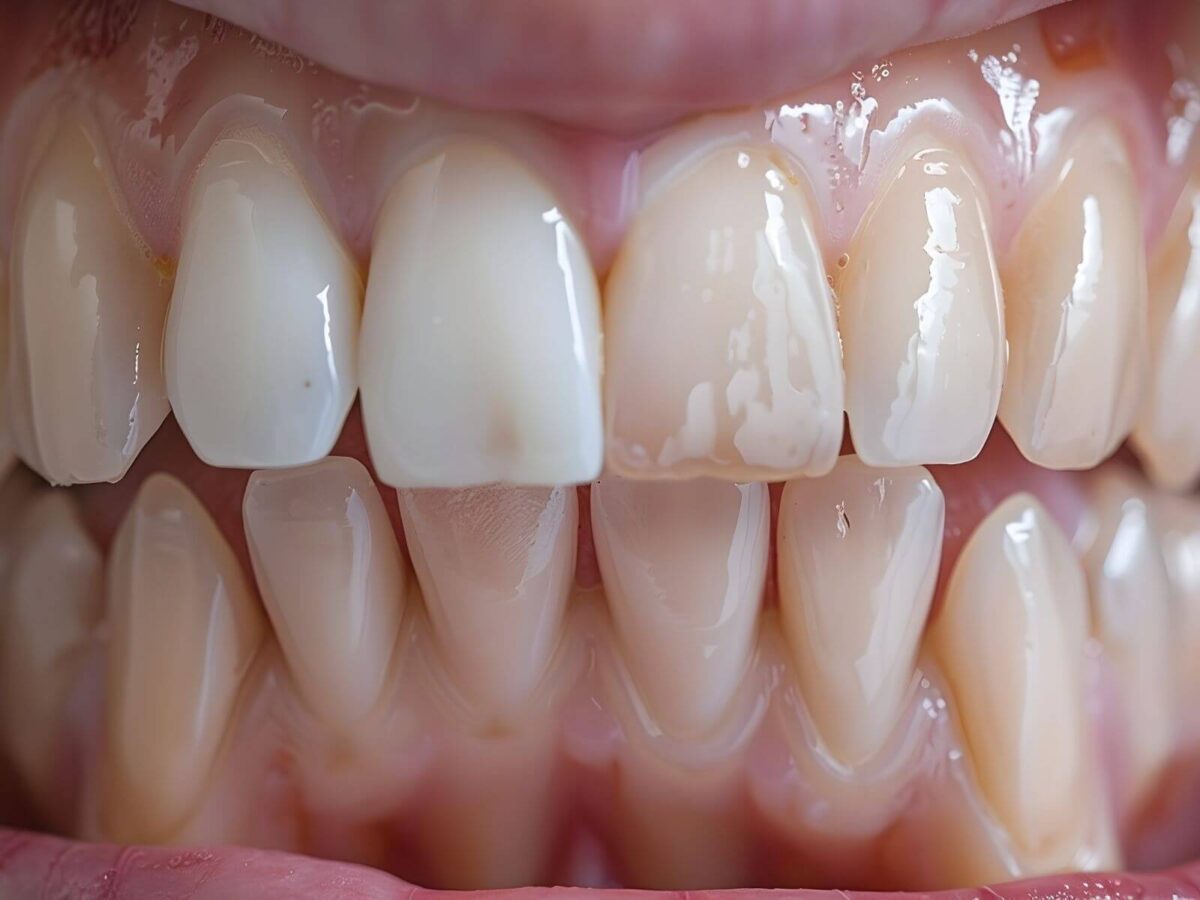
  1. The most favored approach for replacing missing teeth is through the use of dental implants. A metal post is inserted into the jawbone to fuse with the implant, resulting in a natural-looking and comfortable tooth replacement. Dental implants are a viable option for the replacement of one or more missing teeth. 
  2. Dentures are custom-made and are an excellent solution for multiple missing teeth. They fit perfectly in your mouth, providing a natural-looking smile. Dentures can also be made for an individual missing tooth.
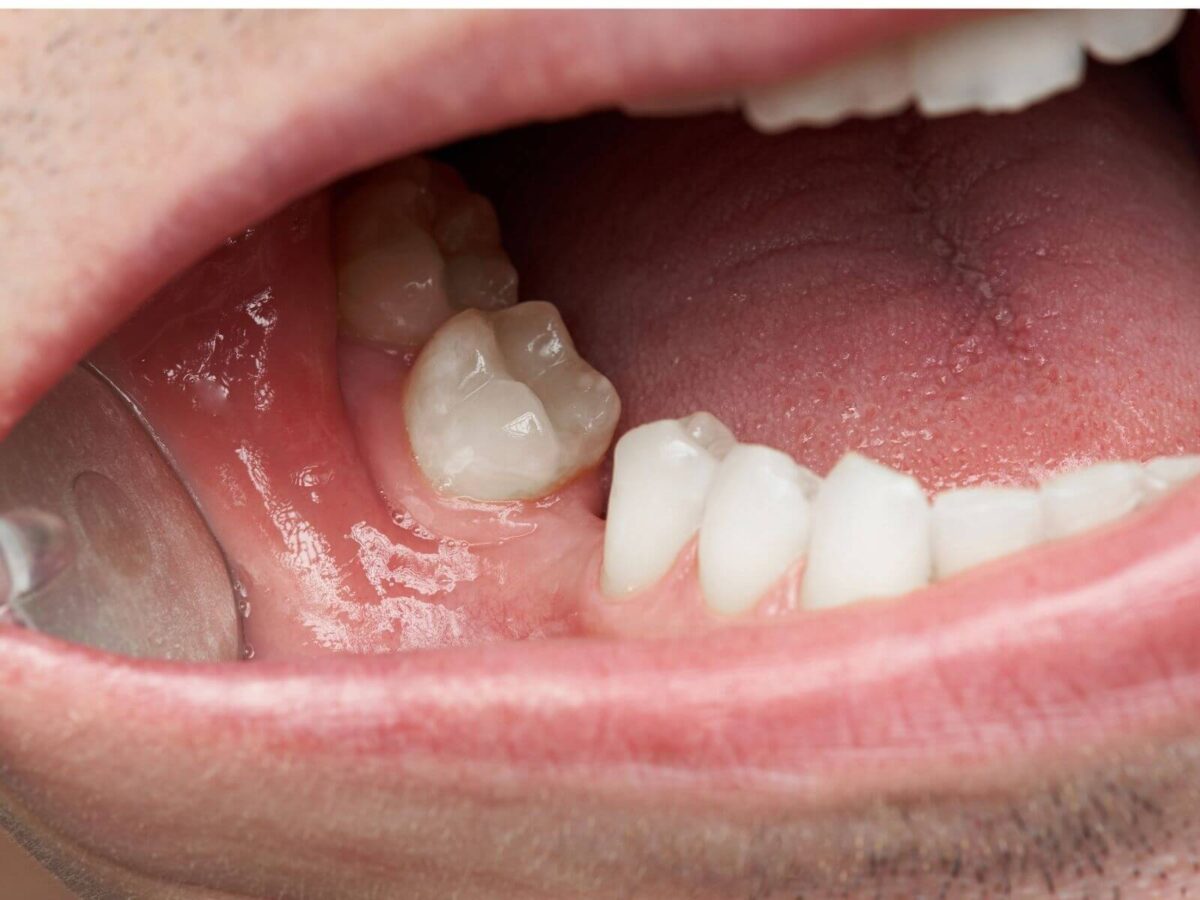
  3. Complete dentures can help replace an entire set of teeth, and partial dentures can replace only a few missing teeth. Partial dentures consist of replacement teeth attached to a pink base that matches your gums, with natural teeth stabilizing the plastic base. These dentures may have clasps for additional support and are a good option if you need to replace multiple teeth in one area. 
  4. Dental crowns and bridges are other options. Crowns are tooth-shaped caps that cover partially missing teeth or implants, while bridges use connected crowns to fill the gap left by completely missing teeth. There are various materials available for dental crowns and bridges.
  5. Bonding is a temporary but long-lasting solution that can fix partially missing teeth, such as chipped or cracked teeth. Bonding can be completed in a single visit and provides a natural look and feel at a lower price than porcelain veneers.
  6. Porcelain veneers are thin porcelain shells bonded to the front of a tooth to improve or match the existing smile. Porcelain veneers are customized and can last for decades with proper care. They are an excellent option for partially missing teeth.
  7. A flipper is a form of temporary partial denture that can be easily inserted and removed. Unlike traditional partial dentures, it lacks metal clasps and doesn’t rely on surrounding teeth. One advantage of using a flipper is that it offers an affordable and painless solution to replace a missing tooth.  

Numerous remarkable solutions exist for replacing a lost tooth, regardless of whether it was due to trauma, gum disease, or decay. These solutions come with their own set of advantages and disadvantages, which a dental expert can assist you in evaluating based on your individual requirements and financial plan.

A professional consultation with a licensed dentist is the best way to determine the optimal solution for tooth replacement. It is recommended that patients arrange for a consultation visit to receive personalized recommendations on how to restore their smile. During the consultation, the patient can ask questions and receive expert advice. 
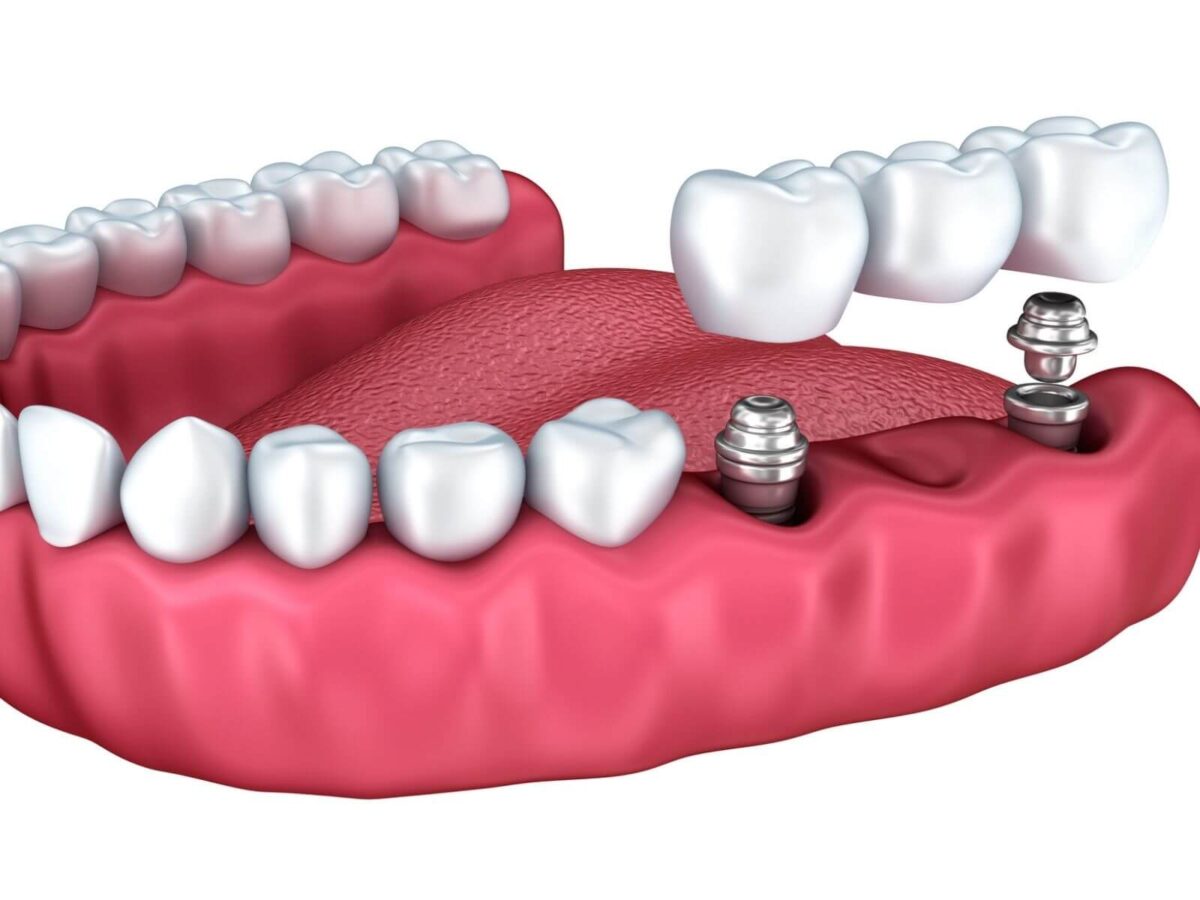
Regular dental checkups and cleanings are essential to prevent oral health issues such as missing teeth from arising. However, remember that maintaining oral hygiene is not limited to the dentist’s office alone. Adopt a healthy routine of brushing and flossing daily, and follow a nutritious diet to keep your teeth in robust shape. 

Categories
Dental care

How Important Is A Second Opinion For A Dental Diagnosis?

You visit your dentist and learn that there is an issue or issues with your teeth or gums which requires dental work. The dentist has explained the diagnosis and why you must undergo the treatment, yet you wonder if it is the best advice.

Dental work is not just invasive, which can scare people off, but it is also costly, and one has to be sure of whether to go for it. You might feel that you are being over-diagnosed or over-treated with complicated procedures for something that looks trivial.

Dentists have your best interest in mind, but if patients are concerned about the treatment’s cost or intensity, they are always better off taking a second opinion. This way, they can compare the recommendations of two (or more) dentists and then make an informed decision.

Is It Fine If I Get a Second Opinion

Yes, it is okay to get a second opinion if there are doubts in your mind, especially if it involves major oral work.

  • A good dentist is conscious of the fact that oral work is a crucial decision for your health, and they would want you to be confident enough to move forward with their recommended procedures.
  • Second opinions help you confirm the previous diagnosis and learn about a different course or treatment plan.
  • You can evaluate costs for expensive dental care such as implants, root canals, braces, veneers, etc.

When A Second Opinion Can Be Advantageous

Getting a second opinion for any and every dental work suggested by your dentist is unnecessary. For example, if you have a cavity, you need it filled, and most dentists would suggest you do the same. But if the procedure is extensive, lengthy, and costly, for instance, whether you should go for a tooth extraction or a root canal, you would benefit by getting opinions from a few professionals. Some situations where a second opinion is necessitated are:

  • Recommended treatment or dental diagnosis is unclear- If you are confused about your diagnosis and the suggested treatment, you surely need a second opinion. If you and your dentist are not on the same page, it could be overwhelming, and you might want to speak to someone else to understand the situation better.
  • If a myriad of dental work is thrown at you by your dentist- Most oral works are expensive, and if your dentist suggests a plethora of treatments, you might want to know what others say. You could even find alternative, cheaper treatments for your issue if you seek second opinions.
  • If you are unsure if the dentist has the expertise to perform the suggested procedure- Some dentists specialize in specific procedures or come with years of experience in that field, such as placing porcelain veneers, replacing missing teeth, etc. So if your dentist suggests an approach you suspect he does not specialize in, do not hesitate to get opinions from experts in that field. You can still have faith in your original dentist but get an opinion from a different dental professional with expertise or experience in the suggested treatment. 
  • If the patient is your child – When it comes to getting oral work done for your child, it is always best to get a second opinion. Children have unique dental needs, and some dentists specialize in working with kids. One should look at all options and weigh when your child is the one who is going to be treated.
  • Look at all available options if you need oral cosmetic services- Cosmetic dentistry deals with how your teeth look in shape, size, color, and alignment. So, various treatments are available if you’re looking to beautify your smile. The remedy encompasses braces, Invisalign, veneers, dental implants, tooth-colored fillings, teeth whitening, and more. You need to consult a few orthodontists to determine which of these is best suited for your oral setup.
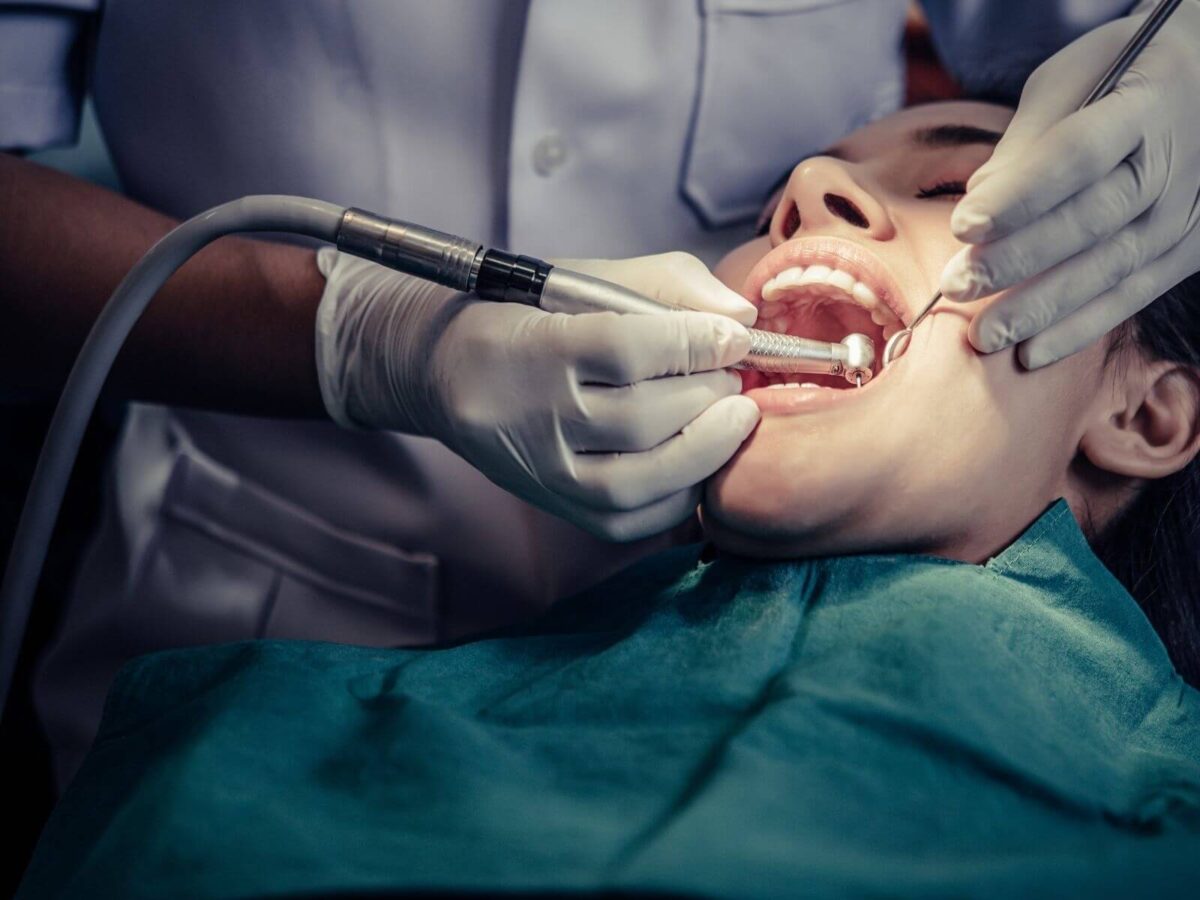
  • If the cost is inappropriate- Do not go for dental bargains. The price tag could sometimes hurt, but it should not be the deciding factor when caring for your teeth. When you look at the quote given, consider all aspects, including the dentist’s experience, location, etc. It would be good to ask for a detailed cost breakdown to compare different dentists’ charges.

How To Find a Trustable Second Opinion

Not all dentists are equally trained or operate similarly, and all oral professionals have unique backgrounds and levels of experience to offer their patients. When you are looking to get a second opinion, some of the best ways to find it are:

  • Ask friends and family for their opinion based on their experience with different dentists.
  • Browse online for reviews of dentists that you are planning to visit.
  • You could also contact a local or national dental society for recommendations.
  • You could also ask your current dentist to suggest a different dentist for a second opinion.
  • You could contact the local dental school and check their recommended offices.
  • Checking with your insurance provider is another option to get a second opinion. Many dental plans cover a second opinion, but you need to go through specific steps so that your insurance provider covers the cost of a second opinion. Calling your provider beforehand saves you time, and you also get a list of dental offices covered by your provider.

Getting a second opinion on invasive or costly dental work is not wrong. Instead, many dentists suggest you get a second opinion so that you are confident if you follow their recommendations.

Categories
Dental care

What are the main causes of tooth loss?

As an adult, experiencing the problem of tooth loss can be a costly and distressing experience that can affect your general health and confidence. You might be experiencing tooth loss for various reasons, ranging from harmful behaviors to poor eating habits. Many Americans suffer the problem of tooth loss due to poor oral hygiene and natural aging.

One of the best ways to prevent tooth loss is to understand its causes. Taking care of your oral health can help with the longevity of your teeth. One of the main advantages of good oral hygiene is that you have control over your tooth loss. 

Some common causes of tooth loss have been given below. It will help you to understand why it is so vital to maintaining an oral health routine:

Gum disease: Gum disease is the most important cause of tooth loss. It happens when the bacterias accumulate on the teeth’ surface, leading to inflammation in the gums. The first phase is Gingivitis. Gingivitis is common, as half of all adults experience it.

With proper care, it is something that can be reversed. If gingivitis is not treated, pockets between the gum and teeth can form and fill up with bacteria, and the gingivitis would transform into gum disease.

It becomes impossible to eliminate the bacteria in your mouth after the gingivitis transforms into gum disease, which may lead to tooth loss. An oral hygiene routine is your best bet to stem gum disease. Take dental help regularly.

Physical injury: Injuries due to outdoor activities, spots, or even an accident, can lead to tooth loss. The best way to protect yourself from injury is to wear a mouthguard when playing sports or doing any physical activity.

Poor Eating Habits: Everything that we eat affects our oral health. Foods that have high levels of sugar can contribute to decay. Oral bacteria feed on the sugars you eat to create acids that destroy the enamel. These cavities can quickly progress past the enamel into deeper layers, causing significant pain and tooth loss.

Regular consumption of drinks and foods that contain high acidity and sugar levels will increase the chances of cavities in your teeth. If the cavities are left untreated, these can progress. If you change your diet and consume more low-acidity and low-sugar foods such as milk, vegetables, water, whole grains, etc., your teeth can remain cavity free and strong. 

Regular visits to the dentist for teeth cleaning and checkups can also help to reduce your potential tooth loss and chances of decay.

Certain diseases: Some diseases can make you susceptible to tooth loss and gum diseases. For example, diabetes, hypertension, and arthritis are all diseases that can affect your oral health. To combat these diseases, regular trips to the dentist can work. Inform your dentist of any other health factor impacting your oral health.

Risk factors: Harmful behaviors like smoking, poor diet, and nutrition intake can impact the health of your gums and teeth, leading to tooth loss. Following a healthy lifestyle, attending dental appointments regularly, and maintaining good oral hygiene are vital to ensure your teeth stay intact.

Why is oral health important to prevent tooth loss?

Taking care of your oral health is essential for your teeth, gums, and overall health. Brush your teeth properly twice a day for 2 minutes. Use mouthwash and toothpaste with fluoride, which can help to protect against future cavities. Flossing can also help to prevent tooth loss.

Attending dental checkups every six months is vital to your oral health. It is essential to eat a balanced diet to avoid the problem of tooth loss. Limit candy intake, pastries, sugary drinks, coffee, and tea. These foods can mix with the deadly bacteria in your mouth and cause gum diseases.

If you suffer from the conditions that put you at risk of tooth loss, visit a periodontist and or a dental implant specialist who can help to preserve your teeth. Tooth loss can be a life-changing circumstance as it can negatively affect your psychological and physical well-being. Visit a dentist today to discuss how to live confidently and comfortably again.

Categories
Dental care

How Preventative Dentistry Saves Time And Money?

Maintaining good oral health is essential. In the long run, good oral care practices will save you both time and money. Long-term and short-term protection of your teeth is the focus of preventative dentistry.

A preventive dental care plan protects your teeth against cavities and decay, among other issues. It is possible to develop an abscess from cavities. Gum disease and gingivitis are other potentially serious issues. 

There are also links between poor dental health and ailments such as diabetes, heart disease, and cancer. Therefore, practicing preventive dentistry becomes vital. 

It is possible to prevent most problems from developing with preventive care routines. The earlier a health condition is treated, the easier it is to cure. Problems with the teeth are no different.

An overview of the preventative dentistry

Taking care of your teeth, gums, and mouth through preventative dentistry is a crucial part of dental health. Prevention of future dental problems is the aim of preventive dentistry.

It is possible to prevent tooth loss by preserving good oral health and adopting a balanced lifestyle. Gum disease and tooth erosion are two of the most common causes of tooth loss.

Your dentist can help prevent tooth decay and other serious oral health problems if you visit regularly, not just when these problems or dental issues become serious. 

This will not only help you save time and money but it is also crucial for maintaining your overall health. Preventative dentistry comes down to one thing which is regular oral check-ups and forming good dental care habits. 

Preventative dental care reduces the risk of various oral care issues including: 

  • Cavities in the teeth
  • An infection of the gums
  • Gingivitis
  • Sensitivity of teeth
  • Missing teeth
  • Heart disease and diabetes 
  • Mouth cancer

How can you save your time and money from preventive dentistry? 

As mentioned above preventative dental measures are all about taking regular oral check-ups. You always get a lot of useful items when you visit the dentist, such as a new toothbrush, floss, and more.
But these are not only for saving you money and time. These things are given to you as a reminder to take the time to take care of your oral health. Dental hygienists and dentists are trained to remind you how often and how long to brush as well as how to maximize your brushing time.
So, you must pay attention to that whenever you visit your dental clinic. Dental issues can be detected early by your dentist if you visit him/her at regular intervals. Not only will it reduce pain, but it will also save money.

What to expect at preventive dental visits?

The dentist will check your teeth and gums during your routine checkup or discuss preventative oral care practices with you.

Routine dental care is aimed at keeping your mouth healthy by preventing various dental care issues. Here is what you can expect to happen during your regular visits to your dentist:

  • Clean-ups: Plaque and tartar will be removed from your teeth by your dentist. In dentistry, this procedure is called a “scale and polish.” 
  • Products for oral hygiene: Your dentist will tell you which toothpaste, brushes, and mouthwashes will give you the best results.
  • A guide to brushing:  Your dentist will show you the most effective ways of brushing and flossing your teeth.
  • An overview of your diet: It is also important to discuss your lifestyle and how it affects your overall oral health with your dental professional. It is likely that they will ask you about your diet and if you smoke or drink alcohol.
  • An overall dental check-up: The dentist will inspect your existing fillings (if any) to ensure that no further treatment is necessary.

Lastly, you must make it a point to follow your oral care routine regularly to keep your teeth healthy. Children can also benefit from preventive dental care.

As a matter of fact, it’s essential that your child learns the importance of a healthy mouth at an early age and visits the dentist often.

Categories
Dental care

Can You Permanently Get Rid of Bad Breath?

Prior to purchasing commercial mouthwash and toothpaste, you need to know a few things. The first thing to remember is that there’s a big difference between masking bad breath with stronger scents and really getting rid of it.

It doesn’t matter how many mouthwashes you use and how many Altoids you suck on, you still have bad breath after some time. So what’s the best course of action? Would it be better to just give up and suffer forever, or would it be better to suck on fresh mint candies every half hour? 

Even though the candy part sounds good, it is not a permanent solution or a feasible option. So what should you do? Well, there are ways in which you can combat foul smells from your mouth. But first, it is important to know the cause of it.

So, in this article, we will be going to discuss whether it is possible to get rid of bad breath permanently. If yes, how?

What is the Cause of Bad Breath?

Before jumping to the solution, let us see the cause. Bacteria exist in our mouths, and we cannot get rid of them all, but the reason you have bad breath is that you are creating an environment that encourages them to overpopulate.

Bacteria can grow in and around your teeth as food particles break down, causing a foul odor. Your body must produce enough saliva, and you must follow your oral hygiene routine regularly to lower these odor-producing bacteria in your mouth.

Apart from above mentioned reason, there are various other  things that contribute to a foul smell in the mouth:

  • Onions and raw garlic, for example, can cause weird breath due to the substances they release after being broken down in the stomach and entering the lungs.
  • Foul breath and gum disease can be caused by smoking and chewing tobacco.
  • Nose or throat diseases like sinusitis, tonsillitis, and rhinitis cause post-nasal discharge, which can create bad breath. 
  • A dry mouth causes decreased salivation, and due to this salivary gland disorder, you can experience xerostomia or dry mouth, which contributes to foul breath.

How Can You Get Rid of Bad Breath Permanently?

It is possible to get rid of bad breath. You can easily take some precautionary measures to reduce and completely get rid of foul smell from your mouth. 

As mentioned above, there could be various reasons to experience a foul smell from the mouth, and let’s be honest, it does not make a good impression on others. So, here are a few tips that will help you always keep your breath fresh:

  • You must brush your teeth twice a day. In the morning, after getting out of bed, and after dinner at night, dentists recommend brushing your teeth twice daily.
  • When you floss, you remove food particles stuck between your teeth, so floss at least once a day.
  • Your tongue is home to thousands of bacteria so you must not forget to use a tongue cleaner. Tongue scrapers help clean the tongue and prevent bad breath. 
  • Clean your dental fittings if you wear any. A cleaning solution must be applied daily to dental implants and dentures before putting them in your mouth.
  • Use mouthwash. You can find over-the-counter mouthwashes that can fight and hide foul breath (such as mint-flavored ones).
  • You should replace your toothbrush frequently. Whenever the bristles on your old brush become frayed or after 3-4 months, you should replace them.
  • Having a foul smell is also linked to eating a lot of sugary foods. Choose sugar-free candy or chewing gum instead of sugary candies. As a result, you will be able to produce more saliva and prevent a bad odor from emanating from your mouth.

Lastly, apart from all these tips, it is necessary to see your dentist and get your dental checkup done if the bad breath is not going because it can lead to serious oral health issues. 

Categories
Dental care

How to Get Rid of Bad Breath?

Bad breath is an embarrassing problem many of us would have experienced in our lives. Whether you are going for an interview or having a party, talking to people gets hampered when your mouth has a foul smell, and your mind is preoccupied with that thought. That’s why you would find a plethora of mints, gums, mouthwashes, and many other products on store shelves that are designed to eliminate foul breath.

Bad breath is referred to as halitosis in medical language and is a condition that can arise due to varied reasons such as eating certain foods, specific health conditions, etc. In most cases, you should be able to get rid of foul breath by taking proper care of your teeth and gums, but if the problem persists, you need to investigate further the root cause of halitosis with the help of your dentist.

Most Common Causes:

Bad breath mostly occurs due to negligence of oral hygiene, which gives rise to odor-producing bacteria. If you are not brushing and flossing regularly, there are bits of food left in your mouth where bacteria accumulate and start feeding off. These bacteria release sulfur compounds that give a nasty smell. A few other reasons are:

  • Dry mouth – Also called xerostomia, a dry mouth occurs when there is less saliva production in our mouths. Saliva helps in self-cleaning our mouths and removing debris and food particles left behind, so if it is not produced sufficiently, our mouths are not getting cleaned around the clock.
  • Consuming tobacco products – Cigarettes, smokeless tobacco, cigars, etc., stain our teeth and also cause foul whiff.
  • Other body conditions – Certain health conditions such as respiratory infection, diabetes, gastric reflux, and liver, or kidney disease may also lead to bad breath.

Some Myths About Bad Breath

There are lots of myths people believe in when it comes to bad breath. Here are the top three myths about foul breath which are totally incorrect:

  • If you use mouthwash, the nasty smell will go – Mouthwash is just a temporary fix for bad breath. If you wish to use mouthwash, then you must find antiseptic and plaque-removing ones which can kill the bad breath-causing germs.
  • If you brush your teeth regularly, you will not get a bad breath – Though oral hygiene is essential for any kind of dental problem, the amount of time you spend is crucial. Most people would brush only for 30 to 45 seconds which does not sufficiently clean all the parts of your teeth. You should brush for a minimum of two minutes and twice a day, including your tongue, as bacteria also love to hang out on your tongue. Brushing alone does not cut it, so flossing is another vital step in good oral care, as teeth stuck between your teeth do not come out by brushing.
  • You can know if you have foul breath if you breathe on your hands – When you talk, you use your throat differently when you breathe on your hands. When you talk, odors from the back of your mouth also come out, so it is hard for a person to figure out about his or her own foul-smelling breath.

How to Get Rid of Bad Breath 

You can easily improve your smell and keep your gum and teeth healthy by following simple steps at home:

  • Brush and floss regularly – The sticky build-up in your teeth, called plaque, is what collects bacteria and causes a bad smell. If food is trapped in your teeth, then that aggravates the problem. Brushing twice and flossing at least once a day can take care of bad breath issues most of the time.
  • Drink lots of water – Your mouth has naturally occurring bacteria that prevent erosion of teeth. But it also contains harmful and foul-smelling bacteria. Drinking lots of water throughout the day would ensure these nasty bacteria are flushed away.
  • Use tongue scraper – Brushing can not remove all food particles accumulated inside your mouth and tongue. Food debris, dead cells, and bacteria can build up on your tongue, giving it a whitish color. You can quickly remove all this debris with the help of a tongue scraper.
  • Rinse mouth – Whenever you eat, food gets lodged within your gum lines and teeth. Waiting till bedtime to brush your teeth would mean stale food is sitting in your mouth for hours. This can cause serious foul-scented breath. Rinse your mouth after every meal and snack, even if you do not brush each time. 
  • Eat certain food – Having probiotics like yogurt in your meals promotes the growth of good bacteria, such as lactobacillus, which can combat bad bacteria in your mouth. Pineapple juice is also a good solution for foul breath. Many folks also recommend having parsley to stop bad breath owing to its fresh smell and high chlorophyll content. Eating apples can stimulate your gums as apples have a fibrous texture and also remove plaque formed between your teeth.

Despite maintaining oral hygiene habits and making lifestyle changes to stop foul breath, if the problem still persists, then you might need to visit your dentist, who can guide you better. Finding the root cause of halitosis is essential since bad breath might mean other parts of your body are affected, which would need a general practitioner’s help.

Categories
Dental care

Do regular dental cleaning improve dental health?

Cleaning your teeth regularly is one of the primary things everyone should do. Following a regular dental cleaning routine can help you keep your dental health in check. 

Everyone’s dental concerns are different, so following a specific oral care routine that targets your oral hygiene issues is a must. It goes without saying that your oral health also impacts your overall health, making it even more vital to take care of.

Regularly cleaning your teeth, brushing with the right toothpaste, and visiting your dentist are some of the most common things you can do to improve your oral health in the long run.

But to know more about how you can regularly keep your teeth clean and what you should do to improve your oral health, keep reading this article.

Importance of getting dental cleaning regularly.

Tooth cleaning is essential to maintain better oral hygiene. But dental hygiene is more than just removing plaque by scaling the tooth. Most dentists recommend getting oral cleaning done thrice every year or once in six months.

Below are some points that show why it is important to get dental cleaning done at regular intervals and how it works in favor of your oral hygiene: 

  • Enjoy a pearly white smile: Who doesn’t love beautiful-looking white teeth? And to get that, you must opt for oral cleaning. Eating artificially colored foods and drinks can impact the appearance of your teeth, making them look yellow and stained. But visiting your dentist and getting oral cleaning done will make your teeth look polished, and you can flaunt your beautiful smile.
  • Keep plaque build-up away: Plaque is one of the most common oral health issues people deal with, and if you do not pay attention, it can create a solid layer on your gum line, turning in tartar. But getting oral cleaning done regularly will help you keep your teeth clean and fresh without causing plaque build-up.
  • Fresh breath: Nobody likes bad breath, but let’s be honest, we all have struggled with the same at some point in our lives you can altogether avoid this oral care issue by visiting your dentist for complete dental cleaning. Apart from brushing, a dental cleaning will give you a fresher breath.
  • No cavities: Spotting tooth decay or cavity on your own is not easy, but getting dental cleaning done will help keep cavities/tooth decay at bay. When you get oral cleaning done, the dentist thoroughly examines your mouth, which makes it easier to spot any earlier signs of cavity or tooth decay; hence, it can be prevented. 
  • No bleeding gums: Bleeding gums are one of the many crucial oral care problems to cure. Bleeding gums can be caused due to many reasons like plaque build-up, infections, sensitivity, etc. And you can keep all these concerns away if you regularly visit your dentist and get dental cleaning done. 
  • Keep your overall health on track: Dental cleaning keeps your oral health on track and positively impacts your overall health. Dental cleaning will prevent many diseases like pneumonia, lung infection, inflammation, heart disease, diabetes, and more. In addition, your dentist can help in the early detection of such diseases at your oral cleaning appointment. 

Now that you know why dental cleaning is essential, you must not wait and book your appointments with your dentist for a complete dental cleaning procedure to ensure you have a beautiful white smile to flaunt every day. 

Categories
Dental care

Are plastic or metal retainers better?

Once you finish your Invisalign treatment, your dentist will give you the retainers. Retainers are used to keep your teeth in the perfect position after you are done with your Invisalign treatment. It is vital to wear a retainer because the teeth tend to move back to their original position, and retainers will help you prevent that. Your dentist will give you custom-made retainers to avoid any dental relapse. There are two types of retainers: metal retainer, and the other is plastic retainer. Both the retainers work similarly and prevent your teeth from shifting. It depends on you and your dentist which retainer you must wear after the Invisalign treatment. Both the retainers provide almost equal effectiveness in improving your teeth straightening process.

Both metal and plastic retainers are made using the patient’s teeth impression. Plastic retainers are made of clear plastic and are easily removable, whereas metal retainers consist of metal and acrylic parts that come in a permanent and removable form. In addition, it depends on your teeth condition for how long you have to wear retainers, and your dentist can guide you about that. In different cases, you can be told you wear your aligners at night only while sleeping or during the day several times a week.

Advantages of plastic and metal retainers

There are different advantages of both plastic and metal retainers. To make an informed choice see the benefits below, which will help you decide which of these retainers is better for you.

Metal retainers:

  • Metal retainers are cost-effective.
  • Metal retainers come in two different types: removable and permanent.
  • Metal retainers are stronger and more durable.
  • You can easily adjust the size of the metal retainer according to your teeth.

Plastic retainers:

  • Plastic retainers are less visible.
  • Easy to wear and remove.
  • You will get a new set of retainers every year.
  • Plastic retainers are less bulky.

Lastly, if you face any problem with your Invisalign treatment, you must consult your dentist for proper treatment.

Categories
Dental care

How obvious is Invisalign?

A lot of people decide against getting braces because they do not like the appearance of metal brackets and wire.

The good news is that Invisalign is also known to straighten your smile without getting obvious.

Can you notice Invisalign?

The Invisalign process uses clear aligners that gradually reposition your teeth over time. Since the flexible plastic is clear, it is a challenge for overlookers to see.Patients don’t need to stress over the visibility of their aligners at home or work.

However, clear material is not similar to invisible material. While Invisalign is generally hard to detect, in some situations people may still see them.

Taking care of Invisalign 

While Invisalign goes undetected in many situations, some conditions make them more noticeable.

This is why it is critical to emphasize the importance of taking care of your teeth and gums.

Regular brushing and flossing remove any obvious food particles and debris.

During follow-up appointments, dental professionals examine the aligners and let the patient know if your orthodontic treatment is working as planned. Moreover, they also discuss if your aligners have become discolored or stained.

Things to avoid that make Invisalign more obvious 

Some things determine whether your aligners stay clear over time.The following are some of the things to consider avoiding if you wish to keep your Invisalign clean and clear.

  • Staining food and drinks: Dentists ask patients to limit items like red wine, cola, tea, and coffee for the duration of their treatment. If you cannot avoid them, keep in mind to brush & floss your teeth before replacing your aligners.
  • Lipstick products: Just like staining drinks, lipstick is also known to discolor your aligners. You may want to temporarily avoid bright color lipsticks in case they accidentally transfer to the plastic.
  • Smoking: The nicotine and tar content of cigarettes isn’t only perilous for your overall health. Even smoking over a short period will cause your aligners to appear yellowish or brown.

Schedule your appointment with a dentist today and get the treatment on time!

Categories
Dental care

How long does it take to start seeing Invisalign results?

Invisalign is a popular appliance for people who want straight teeth. A better-looking and much more efficient alternative to traditional braces, Invisalign has taken the orthodontics world by storm. Though Invisalign has been around since the 1990s, the treatment is still considered innovative.

People who go for Invisalign have a lot of questions. The curiosity is genuine, and patients want answers- from their doctors and the internet. Most of the questions are focussed on the timeline of the treatment. People want to know how long it will take to start seeing the results, how long they need to wear the aligners, etc.

Timeline for Invisalign treatment

Every patient is different; their problems vary, and so does the treatment. For example, Invisalign treatment can be longer for some people and considerably short for others. The duration depends upon a lot of factors. For example, how crowded the teeth are, how much the gap is, the age of the patient, and more.

If you have just signed up for Invisalign, your treatment can be shorter or longer than other patients. However, the average treatment lasts anywhere between 12 to 18 months, but yes! Of course, there are exceptions to that as well.

When are you going to see the results?

Invisalign treatment is focused on gradually moving your teeth into a better alignment over time. Every patient receives various trays of the aligners, and each set will move your teeth closer than where they used to be. Each set is designed to make your teeth move closer a bit. So, it will be a while before you start noticing satisfactory results from the treatment.

Although it may take longer for most patients, some may see results from their Invisalign treatment in as little as two weeks. So while some may have to wait three months before their smile improves, others may have to wait at least five months before noticing any changes to their smile.

What if nothing happens?

Invisalign is known for its quick efficiency as a teeth alignment treatment. But If you’ve been in treatment for five months and haven’t seen any progress, you should see your Invisalign orthodontist or dentist. Your medical care provider can ensure that your Invisalign treatment is still on track to produce the long-term results you desire.

Schedule your appointment with a dentist today and get the treatment on time!

Categories
Dental care

Can Invisalign loosen teeth?

Not really! But your teeth might feel a little loose. Although Invisalign is normally painless, you may experience a feeling that your teeth are loose while wearing your aligners. That’s because the teeth are shifting, and the sensation is quite natural.

Mildly uneven or loose teeth could be a good indicator that your Invisalign treatment is working.

Invisalign works by gradually loosening your teeth and then gently guiding them into the proper position. As a result, teeth that are being straightened can become loose at times.

When Will The Looseness Go Away?

When the teeth are kept in their new position, the looseness goes away.

In the interim, patients may choose to eat softer foods while their teeth are loose. The loose teeth usually do not stay loose for long. The jaw and body tighten their grip on the tooth, and everything returns to normal.

What to do in case teeth feel extremely loose during Invisalign Treatment?

There could be an issue if the teeth are overly movable or the wobble lasts longer than expected. If you experience this issue, you should see your dentist right away!

The following are some of the most common causes of loose teeth after Invisalign treatment:

  • Too much grinding on the Invisalign tray
  • Gum disease
  • Resorption of the roots
  • Lack of Bony support
  • Occlusal trauma

Why Choose Invisalign?

You can replace traditional metal braces with Invisalign braces. Because they are made up of two clear aligners that are custom-fit to your mouth’s exact shape and size, they are almost unnoticeable. Invisalign isn’t for everyone, but it’s ideal for people who simply need minor tooth alignment, including mild to moderate misalignment, overbite, or underbite.

If you have substantial or concerning tooth wobbling, you should consult your dentist or orthodontist. It’s always preferable to be safe

Schedule your appointment with a dentist today and get the treatment on time!

Categories
Dental care

What Is The Purpose Of Dentures?

Dentures are removable appliances that can substitute for missing and help restore your precious smile. The primordial purpose of dentures, whether total or partial, is to replace missing teeth. There are various veritable benefits of dentures, such as improving aesthetics, restoring sagging facial muscles, fostering the eating and speaking process, and so forth. You will require dentures if you have lost your natural teeth due to tooth decay, periodontal diseases, injuries, and so on. Now that we know the primary purpose of dentures let us analyze their various types.

Types of Dentures

  1. Conventional Dentures: They are a removable set of artificial teeth that are placed in the mouth after the remaining teeth are removed, and the tissues have healed.
  2. Immediate Dentures: They are removable and can be fixed inside the mouth on the day of the appointment itself.
  3. Overdenture: they are used to save and preserve the jawbone and provide it with support and stability. An overdenture fits the minimal number of remaining teeth inside the mouth.

It is an undeniable fact that dentures are a marvel of modern dentistry. They have helped millions of people smile, eat, and speak better and more confidently. Nevertheless, it is essential to remember that dentures require a lot of care despite being artificial additives inside the mouth. To begin with, you should always rinse your dentures before brushing to remove any remnant of food. Likewise, make sure to opt for a soft-bristled toothbrush and non-abrasive toothpaste so that your dentures are not scratched. Also, when you are not wearing dentures, it is imperative that you keep them inside a safe place. Lastly, you can occasionally utilize adhesives that have an ADA seal.

In conclusion, the purpose of dentures is to substitute natural teeth and help people lead reasonably everyday lives.

Schedule your appointment with a dentist today and get the treatment on time!

Categories
Dental care

What To Do If A Filling Falls Out or A Tooth Breaks & You Can’t Get To Your Dentist

You are busy with your things; you bite down and suddenly feel something moving in your teeth. Whoa! Your dental filling has dislodged. You might feel panicky at this time but do not worry. Though falling off a dental filling is a serious matter, there are things you could do by yourself at home without having to rush to a dentist. The same applies to the chipping of a tooth.

Steps to Take When the Dental Filling Falls Off

  • Securely store the filling – The first thing you must do is store the lost filling, if you can find it, to show it to your dentist when you can visit them. Just clean it with water and store it in a Ziploc bag. Your dentist might or might not need to use it later.
  • Clean the affected area gently – The newly exposed material could hold food debris, so carefully brush that area to remove any residue. You need to be very gentle and also avoid brushing those areas that cause you pain.
  • Secure the hole with dental cement – Dental cement is available in many pharmacies. You would need to make a small ball of this cement and then place it in the hole created when the filling fell off. Then use a wet cotton ball to pack it down.
  • Mellow down your discomfort while you wait – A missing filling could at times cause immense pain as the nerve is exposed. Try to numb it with OTC medicines while you wait. A word of caution, even if there is no pain, you still need to avail treatment as soon as possible,
  • Do not apply any pressure on the damaged tooth – Putting pressure on the damaged tooth can worsen the situation. Avoid food that needs lots of chewing, like apples, and try your best to chew from the opposite side. If you bite or chew on the affected side, it could cause more chipping and weakening of the tooth.
  • Reach out if you feel signs of an emergency – With mild symptoms, you can wait for 2-3 days before seeking treatment. But if you experience symptoms like excruciating pain, bleeding, fluid discharge, or the appearance of cracks, then you must contact your dental professional immediately.

Steps to Take When a Tooth is Chipped

Sudden chipping or breaking of a tooth can cause an alarm. Such dental accidents can happen to anyone, even with perfect oral health. Mentioned below are certain things you can do to avoid further damage to your tooth:

  • Rinse your mouth with water immediately.
  • Apply pressure to curb the bleeding and call an emergency in case the bleeding does not stop.
  • If the tooth has lodged off, then preserve it in slime solution (you could use milk or water too).
  • For pain and swelling cold compress works wonders.
  • If there is inflammation and discomfort, then take OTC medicines.
  • You must see your dentist as soon as possible once you have taken these measures to avoid pain and further damage.

Despite all the at-home measures described, seeking immediate professional help is crucial. Even if your pain eases or bleeding stops, you cannot assume all is well since only a dentist can confirm the level of damage and the next course of action for you.

Book Appointment to find out which treatment might be best for you.

Categories
Dental care

Does removing tartar hurt?

Plaque that has solidified on the teeth is known as tartar or calculus. But, let us discuss what plaque is first. Despite regular brushing and flossing, bacteria buildup on our teeth is inevitable and entirely natural. The bacteria mix with the food remnants and other by-products to form a sticky biofilm or plaque layer. This slimy layer blankets the teeth, gum line and can also stick to fillings, braces, and other dental work. In addition, dental plaque is brimming with bacteria that may be destructive to the precious teeth enamel, thereby causing cavities. But, we must remember that removing plaque is possible, and we can keep permanent tooth decay and gum diseases at bay.

But, at times, dental plaque aggravates to its more lethal form that is tartar. If plaque stays on your teeth and gumline for more extended periods, it hardens into tartar. It can irritate gum tissues. Tartar on the teeth allows plaque to increase, resulting in cavities and gum diseases, and the vicious cycle of poor dental health continues. When tartar accumulates above the gum line, the adjacent tissue gets swollen and may bleed easily, leading to a condition known as gingivitis. Another under-the-radar problem associated with tartar is the displeasing look it gives off. Tartar absorbs stains quickly and can make your pearly whites look dull and discolored.

Tartar can give you foul breath, escalate bacteria buildup and destroy your enamel. It also fosters gum diseases like gingivitis and periodontitis.

Ways to prevent tartar formation

  1. We must remember that you can only professionally remove tartar. But, we can take proactive steps to control the amount of plaque in our mouth and prevent tartar buildup.
  2. The most crucial step in preventing tartar formation is to restrict the development of its precursor – plaque. Research shows that plaque can harden into tartar within hours. Thus, brushing daily and flossing are imperative to quell tartar.
  3. In addition to the essential brushing and flossing, using tartar-control toothpaste may prevent this unwarranted gunk from buildup on our teeth.
  4. Furthermore, using toothpaste with baking soda also helps in controlling tartar buildup. As baking soda is mildly abrasive, it can help remove plaque more effectively, thereby prohibiting tartar formation.

Is tartar removal painful?

As mentioned earlier, tartar can only be removed by a professional. During the procedure, the dentist uses an ultrasonic device with a small nozzle to remove tartar from areas or spots that are hard to reach. The process of tartar removal may or may not be painful and is dependent on several factors. If you have sensitive teeth or diseases like gingivitis or periodontitis, removing tartar will be somewhat painful. Overall oral health plays a big part in determining the amount of pain you will experience during any dental procedure. Also, the extent of tartar with buildup on the teeth is fundamental in determining the level of pain you may experience. More the tartar buildup, the greater is the pain, and vice-versa. Lastly, the dentist’s experience and the types of equipment used also ascertain the level of pain.

In a nutshell, although the process of tartar removal may be a little painful, the discomfort vanishes within a few days.

Book Appointment to find out which treatment might be best for you.

Categories
Dental care

Periodontal Disease Can Hinder Fertility

A new study out of the University of Helsinki found that one of the bacteria that cause periodontal disease may also affect a young woman’s fertility. This is the first study of its kind, and it really drives the point that taking care of your teeth is one of the most important things you can do for the health of yourself and your family.

The Study

The bacteria that cause periodontal disease have been making a lot of cautionary waves in dental studies. It’s been linked to diseases like Alzheimer’s, pancreatic cancer, kidney disease, cardiovascular disease, rheumatoid arthritis, and diabetes. Researchers at the University of Helsinki, Finland were curious how this disease affects young women’s odds of becoming pregnant. To test their hypothesis they studied 259 healthy women with a mean age of 29 years old whom had recently decided to become pregnant and ceased using birth control. Oral and gynecological exams were performed at the beginning of the study and the women’s saliva was tested for for periodontal bacteria. After 12 months the women then reported back to discuss whether or not they had become pregnant. After analyzing the data, they found that women who did not become pregnant had statistically significantly higher levels of Porphyromonas gingivalis, P. gingivalis, and higher levels of antibodies in their saliva. They acknowledge that this study does not question any other factors of infertility, but it does further the research into the far-reaching effects of periodontal disease. lt seems to add to the narrative of a systemic connection between periodontal disease and chronic conditions that affect the rest of the body.

A Note on Fertility

A woman’s reproductive years are very important if she desires to have children. A woman has the best odds of becoming pregnant between the ages of 20 and 35. After age 35, her fertility declines sharply. Unfortunately, a woman’s fertility is a very complicated biological rhythm. Many physical and hormonal factors must line up exactly right for a couple to conceive. These findings of periodontal disease’s effects only add to the stress of becoming pregnant. However, if we think about how detrimental low grade or chronic inflammation can be on the body, we can see that this disruption of the reproductive system makes sense. lf the body is constantly fighting off harmful bacteria like P. gingivalis, it may not have the physical energy to produce the exact cocktail of hormones necessary to facilitate ovulation and reproduction — which seems to be the case.

Preventing Periodontal Disease for Pregnancy

Although it must be mentioned that there is a lot of research to be done to discover the exact reason why the bacteria present in periodontal disease can affect the fertility of a young woman, taking care of your teeth is extremely important if you are looking to become pregnant. The presence of progesterone is powerful for women and can affect their teeth and bodies. It is within your power to protect yourself from developing gum disease and periodontal disease while your hormones are in flux. By brushing your teeth twice daily and flossing correctly every day you are effectively removing this bacteria before it has a chance to take hold of your immune system and cause chronic inflammation in your gums and elsewhere in your body. Speak with your dentist if you are trying to become pregnant and wish to keep your teeth as healthy as possible.

Source: https://www.artistictouchdentistry.com/general-dentistry/periodontal-disease-can-hinder-fertility/

Book Appointment to find out which treatment might be best for you.

Categories
Dental care

Midlife Tooth Loss May Compromise Heart Health

CVD is an umbrella term for diseases of the heart and blood vessels. This includes diseases of the blood vessels that supply: the brain (such as stroke and other cerebrovascular diseases); the heart muscle (coronary heart disease); and the arms and legs (peripheral arterial disease).

It also includes other conditions that can damage the heart (such as rheumatic heart disease and congenital heart disease), as well as conditions in which blood clots form and block the blood supply (such as deep vein thrombosis and pulmonary embolism).

CVD is the primary cause of death worldwide. In 2015, it claimed 17.7 million lives, including 7.4 million due to coronary head disease and 6.7 million due to stroke.

It was first thought that poor oral health might actually cause CVD, “through infection and inflammation.” However, more recently, scientists have concluded that poor oral health indicates the presence of— rather than causes — atherosclerosis and they therefore propose that it might serve as a risk marker of CVD.

For the investigation, Prof. Qi and his team focused on tooth loss and coronary heart disease. They pooled and analyzed data on thousands of men and women aged 45—69 who were followed in two large studies: the Nurses’ Health Study (NHS) and the Health Professionals Follow-Up Study (HPFS).

As the participants had been asked about their number of natural teeth when they enrolled, as well as about recent tooth loss in follow-up questionnaires, the researchers were able to assess tooth loss over a period of 8 years.

The team then compared this recent tooth loss pattern to incidence of coronary heart disease over a subsequent follow-up period of 12—18 years.

The scientists conclude that their results suggest “that among middle-aged adults, a higher number of teeth lost in the recent past may be associated with subsequent risk of [coronary heart disease], independent of the baseline number of natural teeth and traditional risk factors.”

Author: Catharine Paddock PhD

Book Appointment to find out which treatment might be best for you.

Categories
Dental care

What You Need To Know About Crossbites

Typically, when a parent brings a young child to the dentist, the last discussion they’re expecting to have is one centered on braces and orthodontic appliances. Yet, even at ages three and four, a talk about braces, sagittal expanders, and retainers can indeed be front and center when a child is diagnosed with a crossbite. The question then is what to do about it, how soon should intervention take place, and what the complications are that can arise if nothing is done at all. Let’s get some answers.

What Exactly Is a Crossbite?

Imagine for a moment you’re sitting in front of a nice soup bowl with a wide flat brim, and inside that bowl is hearty chowder you’d like to keep warm until you’re ready to devour it. So, you grab another bowl designed exactly like the first, and hover it upside-down over the bowl containing the soup. As you slowly lower it, you try to line up the brims so when they rest together they form a nice even seal. Unfortunately, given the soup is hot, you don’t quite get the brims to line up perfectly, and the edge of the top bowl ends up resting just slightly to the left of the lip on the bottom bowl. The way these two bowls now rest unevenly atop one another is exactly what you would see in a person with a crossbite. A crossbite can affect several teeth, or a single tooth, and can occur on either one side of the mouth or both. Simply put, if any one tooth (or several teeth) lies nearer the tongue or cheek instead of coming together evenly, you’re likely dealing with a crossbite.

So, What To Do About It And When?

The dental community is split on when to initiate treatment for a crossbite, with some suggest-ing treatment should begin as soon as it is noticed (sometimes as early as age three), while others suggest parents should wait until a child’s sixth year molars have arrived. Despite the difference of opinion as to when treatment should begin, dentists and orthodontist are in agreement that the condition cannot be left untreated. Doing so presents a host of complica-tions for the child later in life including gum and tooth wear, uneven jaw development that can lead to temporomandibular joint disorder (TMJ), and facial asymmetry – something no parent or child wants.

What Does Crossbite Treatment Look Like?

Crossbite treatment generally involves adjusting the spread of a child’s teeth with dental appliances so the bite pattern matches evenly on all sides. Depending on the type of crossbite a child has, this can be done with dental expanders that resemble orthodontic retainers, and include a screw that is tightened nightly to “spread” a child’s bite to the prescribed width. Additionally, dental facemasks, braces and clear aligners may be used – particularly when a single tooth is out of alignment.

Crossbites are generally regarded as genetic in nature, and they’re not overly common. It is, however, a condition that needs to be treated before permanent damage to a child’s facial and oral development occurs. So, if you find yourself at the other end of a discussion about having your little one wear a dental expander, be sure you listen and get however many opinions regarding that advice as you require. Your child, and your wallet, will thank you long into the future.

Book Appointment to find out which treatment might be best for you.

Categories
Dental care

Obesity and Periodontal Disease

The number of Americans that are overweight (having a weight 10%—20% above normal for your height) or obese (having a weight 50%—100% above normal for your height) has increased significantly throughout the past 20 years. According to the Center for Disease Control (CDC), 67 percent of U.S. adults are overweight or obese. Greater than 34 percent are obese. Childhood obesity has tripled since 1980. As of 2008, the prevalence of obesity among children (6—11 years) was 19.6 percent and adolescents (12—19 years) was 18.1 percent.

It is well known that obesity is associated with many medical problems, such as diabetes, heart disease, sleep apnea, elevated cholesterol, hypertension, arthritis, gastric reflux, infertility, gout and some types of cancer. In recent years, there has been research supporting a link between obesity and periodontal disease.

How Does Obesity Affect Periodontal Disease?

Overweight and obese adults have long been considered to be at high risk for many chronic inflammatory disease and conditions such as cardiovascular disease, diabetes and arthritis. Likewise, obesity appears to be an independent risk factor for the development of periodontal disease even after controlling other risk factors such as smoking, age and other medical problems. A recent study (Khader YS, et al.J Clin Periodontol 2009;36(1):18-24) showed that overweight individuals had double the incidence of periodontitis while obese individuals had triple the incidence.

Fat cells were once thought of as having limited function energy storage. It is now known that fat cells produce many chemical signals and hormones. Many of these substances are thought to increase overall inflammation in the body. This may lead to decreased immune status, which increases susceptibly to periodontal disease. The inflammation may also decrease blood flow to the gums and cause disease progression.

Prevention of Periodontal Disease

Diet is very important for overall health, including dental health. Eating a low-fat, reduced sodium balanced diet of whole grains, vegetables and fruits is recommended. Limiting the time sugar is in contact with the teeth is advised. Avoiding sugary beverages (sodas, fruit juices, sweetened tea) and candies (especially ones that stick to the teeth like taffy) is helpful. Eating sugary foods in between meals and before bed is also discouraged. Regular dental visits are recommended for teeth cleaning and inspection.

Understanding the relationship between obesity and the risk factors that lead to periodontal disease is very important. With the increasing rate of child and adolescent obesity, the prevalence of periodontal disease will follow. Keys to prevention of periodontal disease are through proper oral hygiene, a balanced diet and routine dental visits.

Author: Shannon McShea—Johansson, PA-C

Book Appointment to find out which treatment might be best for you.

Categories
Dental care

Increased Incidences of Oral Cavity and Oropharyngeal Squamous Cell Carcinoma in Young Adults

Squamous cell carcinoma of the head and neck (HNSCC) is primarily a disease of older adults, occurring most frequently in patients older than 45 years of age. Epidemiological studies over last 20 years have shown a steady rise in the incidence of these cancers in younger adults (age 18-45 years), especially in cancers of the oropharynx and oral cavity.

Numerous early reports of Squamous cell carcinoma (SCC) concluded that the disease was more aggressive and the prognosis poorer in young adults as compared to older adults. However, findings from more recent studies, such as those by Gilroy et al., Goldenberg et al. or Hafkamp et al. have not found any significant differences in outcomes between different age groups. Recently, superior survival of younger patients with oropharyngeal SCC was found to be related to a high-risk human papilloma vims (HPV) infection.

The global incidence and mortality rates for HNSCC are 540,000 and 271,000 annually, respectively. The increase of HNSCC has occurred concurrently with a decreasing prevalence of cigarette smoking in the general population; importantly, this observation would not be expected if the only primary risk factors for all HNSCC were alcohol and tobacco abuse. In fact, evidence suggests that oral cancer may now be considered a “new epidemic”. The majority of research on the changing epidemiology has focused on the HPV and its association with HNSCC, particularly in primary tumors of the oropharynx. Interestingly, although the rate of OCSCC is observed to be decreasing in young individuals, the incidence of oral tongue Squamous cell carcinoma (OTSCC) has been rising especially in young white women, age 18 44 years, what is more surprising given the fact that OCSCC, unlike OPSCC, are not typically associated with the HPV infection. Consequently, young white women form a unique subgroup of patients with no traditional risk factors of tobacco and alcohol abuse and who can not be associated with HPV infection.

Tobacco and alcohol have long been implicated as the traditional risk factors for HNSCC in adults, regardless of age. Interestingly, many patients under age 45 declare never having smoked or consumed alcohol excessively, as Kuriakose et al. reported.

The rising mortality and increasing incidence of cancer of the tongue amongst young patients in the U.S. has been attributed to the use of smokeless tobacco products. The first epidemiological study showing that marijuana smoking elevates the risk of head and neck cancers was published in 1999. Since that time, several case studies have been published that suggest an association between marijuana smoking and head and neck cancers, respiratory cancers and oral premalignant lesions.

It seems likely that there is a genetic predisposition for the cancer development at a young age, particularly in those patients with no recognized risk factors. It has been shown that patients younger than 30 years exhibit a significantly increased chromosome fragility following mutagen exposure when compared to older patients.

Even though Byers first suggested as far back as 1975 that HNSCC in young adults should be considered a distinct subgroup, the question as to whether age has a significant impact or not on treatment outcomes still remains unanswered. Nevertheless, one thing is clear. Although young people have a lower incidence rate for HNSCC, physicians need to be aware that the incidence is growing and these types of cancers must be suspected in any patient with worrying signs and symptoms, regardless of age.

Authors: Ewa Majchrzak, Bartosz Szybiak, Anna Wegner, Piotr Pienkowski, Jakub Pazdrowski, Lukasz Luczewski, Marcin Sowka, Pawel Golusinski, Julian Malicki, and Wojciech Golusinski.

Source: Oral cavity and oropharyngeal squamous cell carcinoma in young adults: a review of the literature

Book Appointment to find out which treatment might be best for you.