Sinton Dental

Categories
Dental care

Can You Get a Tooth Extracted and Implanted on the Same Day?

Tooth loss isn’t something people schedule into their lives. It tends to build up quietly, whether that’s a fracture that never quite stabilises or a lingering infection that keeps coming back. Eventually, saving the tooth just isn’t realistic anymore. Once extraction becomes part of the conversation, most people immediately wonder what happens next and whether they’ll be left waiting with a visible gap.

When extraction becomes part of the plan, conversations about same-day tooth extraction and implant treatment tend to follow. Most people don’t love the idea of a gap or a drawn-out timeline. If the tooth can be removed and replaced in the same appointment, it sounds more straightforward than spacing it out over several months.

Still, deciding on an implant same day as extraction isn’t just about convenience. A same-day extraction and implant depends heavily on the condition of the surrounding bone and tissue. The real deciding factor isn’t the calendar, but whether the body is ready to support it properly.

What Is “Same-Day Tooth Extraction and Implant”?

With a same-day tooth extraction and implant, the implant post is placed right after the tooth is removed. All of this happens within the same appointment. Instead of waiting months for healing before moving forward, the replacement process begins immediately while the area is still prepared.

The older approach involved taking the tooth out and pausing there. They waited to place the implant until the bone and gums had recovered. It was predictable, and for many years, it was considered the safest approach.

Over time, research began to show that in certain cases, immediate placement could be just as successful. According to studies summarised by the National Library of Medicine, immediate implants can have survival rates comparable to delayed placement when case selection is appropriate. [Source]

Why Would Someone Choose an Implant Same Day as Extraction?

The biggest reason is time. Healing after an extraction alone can take months before an implant is added. That stretches the overall process significantly. For many patients, that delay feels frustrating.
Bone changes are part of the picture too. Once a tooth is removed, the jawbone in that area doesn’t just stay the same. The American Dental Association has noted that bone loss can begin fairly quickly when the space is left empty. Sometimes, placing the implant at the same time gives the bone support before it has much chance to shift. [Source]

The emotional peace matters more than people admit. If the replacement starts the same day, you don’t walk out feeling like the story paused halfway through. It feels like progress, even if everything still needs time to heal properly.

Is Everyone a Candidate for Same-Day Extraction and Implant?

This is usually the point where timing becomes less about preference and more about what’s actually there. Some extraction sites are strong enough to handle an implant right away, and some simply aren’t. The bone has to be steady and intact enough to support it from the start.

There are situations where everything looks ready, and others where it simply doesn’t. Infection can linger. Bone can feel softer than expected. That’s usually when dentists pause instead of moving straight ahead, not because it’s impossible, but because timing matters more than speed.

It isn’t only the extraction site that matters. Smoking and uncontrolled diabetes can change how the body heals. The American Academy of Implant Dentistry has pointed out that careful evaluation becomes especially important when those factors are part of the picture. [Source]

How Does Healing Work After Same-Day Extraction and Implant?

Even though the implant is placed immediately, healing still takes time. The metal post must fuse with the jawbone in a process called osseointegration. That typically takes several months.

During this period, the visible crown is often placed later, once integration is confirmed. In some front-tooth cases, a temporary crown may be added for cosmetic reasons, but it isn’t usually the final restoration.

Healing isn’t rushed just because placement was immediate. The biology remains the same. The difference is simply when the implant post is inserted.

Are Success Rates Similar to Traditional Implants?

When properly planned, success rates for immediate implants are very high. Research in peer-reviewed journals has shown survival rates above 90 percent when patients are chosen carefully. The outcome tends to depend heavily on who qualifies and how suitable the site is from the beginning. [Source]

However, immediate placement requires precision. The implant must achieve strong primary stability at the time of placement. Without that stability, the risk of failure increases.

This is why a detailed examination, including imaging such as 3D scans, is usually done before recommending an implant on the same day as extraction. Planning determines outcome.

What Are the Benefits and Risks of Same-Day Extraction and Implants?

Some patients prefer the idea of getting it done in one appointment instead of spacing procedures out over months. It can feel less disruptive and easier to move past. There’s also the matter of bone changes after an extraction. The body begins adjusting almost immediately, and in some situations, placing the implant sooner may limit how much that area reshapes over time.

Still, the approach depends heavily on what the site looks like once the tooth is out. If there’s an infection or the bone doesn’t feel stable enough, waiting often makes more sense. The timing tends to follow what the body is showing rather than a fixed plan.

What Should You Expect During the Procedure?

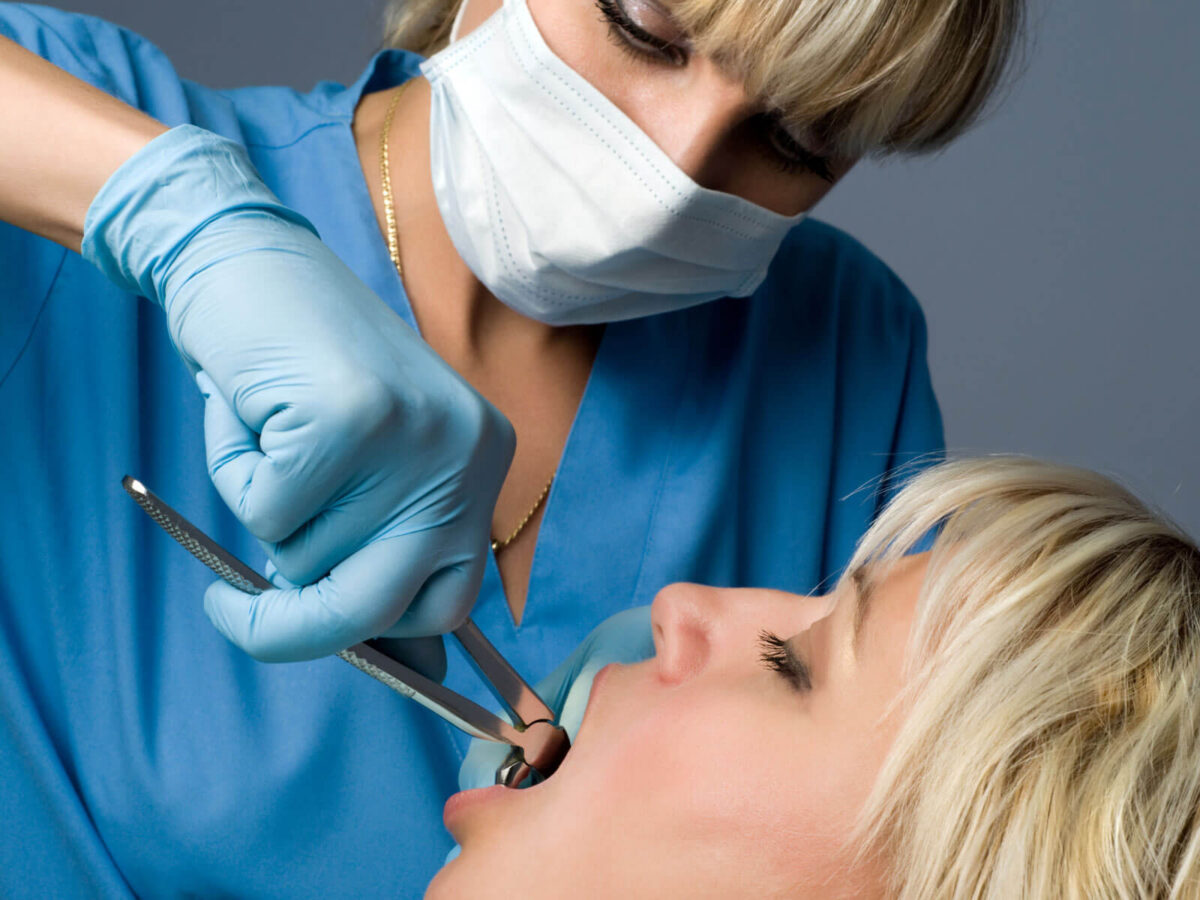
With a same-day tooth extraction and implant, the process doesn’t feel like separate chapters. The damaged tooth is taken out carefully. It is done with an effort to avoid disturbing more bone than necessary. After the tooth comes out, things don’t immediately jump to the next step. There’s a moment where the area is looked at more closely, because it can look different once everything is exposed. Sometimes the area looks ideal. Other times, it doesn’t feel quite as simple as it seemed earlier.

When the bone holds firm, the implant may be placed without much pause. If it doesn’t sit tightly everywhere, extra material can be used around it. After it’s closed, nothing suddenly feels different. Just some swelling and careful eating for a bit.

FAQs

Is same day tooth extraction and implant painful?

During the process, you’re numb. That surprises people. It can feel a bit sore afterwards. It is just part of the healing.

How long does healing take after?

While the implant is placed the same day, the bone takes its time. A few months isn’t unusual before it fully bonds and stabilizes.

Can any tooth be replaced?

Not automatically. Bone strength and infection control determine whether it’s possible.

Is same-day extraction and implant more expensive?

It can be. It may even balance out if fewer surgical appointments are needed. There isn’t one fixed answer.

Does it help you finish treatment sooner?

Yes. It may mean fewer months of waiting around.

Is waiting ever safer?

Sometimes. Stability matters more than speed.

Is Same-Day Tooth Extraction and Implant Right for You?

If you’re preparing for a tooth removal and hoping the replacement can happen immediately, it really comes down to what’s happening beneath the surface. Some situations allow for immediate placement, others don’t. It depends on what the bone looks like once everything is evaluated. A proper consultation with an experienced implant dentist is usually the next move. They’ll review imaging and check the site carefully before recommending a same-day tooth extraction and implant. Getting that clarity early simply makes the decision easier.
Categories
Dental care

Does Dental Insurance Cover Braces?

After an orthodontic consultation, attention tends to move from treatment details toward cost. The plan may feel solid, but financial questions naturally follow. Braces can offer real benefits, yet the expense alone can raise uncertainty.

That pause usually turns into one question: Does dental insurance cover braces? People ask it because they need to. The answer just isn’t straightforward. Sometimes coverage is there. Sometimes it isn’t. A lot of it comes down to details most people never see until later.

Why Braces And Insurance Feel Complicated

Dental insurance was originally designed around routine care. Cleanings, fillings, basic restorations. Orthodontic treatment doesn’t always fit neatly into that structure.

Braces are long-term. They’re planned. They’re often considered elective, even when alignment issues affect oral health. That classification alone shapes how coverage is handled.

This is why the question does dental insurance covers braces doesn’t have a universal answer.

How Orthodontic Coverage Usually Works

When braces are covered, insurance typically pays a percentage of the total cost rather than covering everything outright. There’s often a lifetime maximum, not an annual one.

That maximum can look reasonable on paper, but then feel small once treatment costs add up. When it’s reached, insurance usually steps back, even though treatment keeps going. It’s an easy thing to miss early on, especially if you expect coverage to carry more of the cost.

Waiting Periods Often Apply

A lot of dental plans don’t make orthodontic coverage available right away. There’s often a waiting period built into the policy, so benefits don’t necessarily start as soon as the plan becomes active. It can take some time before that part of the coverage actually kicks in.

This means braces recommended today might not be covered until months later. For families planning ahead, timing matters more than people expect.

A lot of confusion comes from waiting periods. People hear a positive answer to does dental insurance cover braces, then later realise there was more to it than they expected.

Coverage For Children Is More Common

Orthodontic benefits are more frequently included for children. Many plans define eligibility based on age, often covering treatment started before a certain birthday.

That’s generally why “does dental insurance cover braces for kids” sounds a bit more reassuring. Coverage for children is more commonly built into dental plans, which makes it feel less complicated.

That doesn’t mean coverage is generous. Limits still apply. But inclusion itself is more common.

Adult Coverage Exists, But It’s Less Predictable

Dental plans don’t handle adult orthodontics in a consistent way. One plan might offer some coverage, while another excludes adult treatment entirely. That’s why the question does dental insurance cover braces for adults comes up so often. The answer usually depends on the fine print. Even when coverage is available, it tends to come with lower limits and more restrictions than pediatric benefits. For many adults, that difference isn’t something they expect until they run into it themselves.

Medical Necessity Versus Cosmetic Classification

Insurance companies often separate orthodontic treatment into categories. Some cases are considered medically necessary. Others are labelled cosmetic.

More serious bite problems tend to be treated differently from small alignment issues. When chewing, speech, or jaw comfort is affected, insurance may look at the situation in another way. That difference can play a role in whether coverage applies.

Understanding how a plan defines necessity helps clarify “does dental insurance cover braces” in borderline cases.

Preauthorization Is Often Required

A lot of people assume insurance only comes into play after treatment is finished. With orthodontic care, that’s not always how it works. Many plans want to review the treatment plan first, before they decide how coverage applies. When that review doesn’t happen, problems tend to surface later, usually in the form of denied claims. Preauthorization isn’t a guarantee of payment, but it does help set expectations. This step often gets missed because attention is usually on starting treatment, not paperwork.

Payment Timing Can Feel Confusing

Insurance coverage doesn’t always work the way people picture it at the start. Even when braces are technically covered, the payments usually don’t come all at once. Instead, they’re spread out as treatment goes on. That can mean paying more out of pocket early and then seeing returns show up slowly over time. A lot of people don’t realise that until they’re already in the middle of treatment.

What Insurance Usually Does Not Cover

Insurance doesn’t usually go far beyond standard orthodontic care. Clear aligners, ceramic brackets, or faster treatment can still be options. But they’re often handled as extras rather than covered treatment.

Those choices can still be available, but they usually come with extra cost rather than replacing what insurance already covers. People don’t always expect that. It’s especially surprising for anyone who assumes newer or less noticeable options are handled the same way as traditional braces.

Why Coverage Varies So Widely

Dental insurance plans vary more than people expect. Orthodontic benefits aren’t the same everywhere. Who you work for, which company handles the plan, and where it’s based can all change what coverage actually includes. That’s why two people can have very different experiences with coverage. When people look up does dental insurance cover braces, the answers often conflict, even though both can be accurate based on the plan involved.

What To Ask Before Starting Treatment

Before committing to braces, it helps to ask specific questions. What percentage is covered? What is the lifetime maximum? Does coverage apply to adults? Is preauthorization required? These details matter more than general statements about coverage.

Why Orthodontic Offices Often Help With Insurance

Many orthodontic offices help sort through insurance details, including benefits and estimated costs. That support exists because insurance language is confusing, not because patients are expected to understand it. Using that help can make it clearer whether “does dental insurance cover braces” applies in a specific case.

Out Of Pocket Planning Matters Even With Coverage

Even with insurance, braces usually aren’t fully covered, which surprises a lot of people. It’s easy to assume insurance will take care of most of it, and then later realise there’s still money coming out of pocket. That’s when things can start to feel stressful if it wasn’t planned for. Most orthodontic offices are used to this and usually have ways to spread payments out. Financing, payment plans, or paying in stages come up pretty often once the conversation actually happens.

Insurance Is A Tool, Not The Decision Maker

Insurance often plays a role in the decision, mostly because cost is hard to ignore. Still, it usually shouldn’t be the only thing guiding whether braces make sense. Issues with function, bite stability, or long-term wear on the teeth don’t always line up neatly with what insurance covers. Coverage can help support treatment, but it doesn’t decide whether treatment is actually the right move.

Conclusion

When people ask does dental insurance cover braces, they’re usually hoping things stay simple. What they get instead is a mix of details tied to age, timing, and how plans are written. Definitions matter more than people expect, and small details can quietly change how coverage works.

That’s why confusion often shows up after decisions are already made. Insurance assumptions feel fine at the beginning, then start to feel shaky later on. Looking closer early doesn’t remove the complexity, but it keeps the process from feeling like a surprise.

When braces come up and “does dental insurance cover braces” starts circling around, people usually end up checking with both the orthodontic office and insurance. Getting that out of the way early keeps paperwork from becoming the main focus later.