Sinton Dental

Categories
Dental care

The Role of 3D Imaging In Planning Dental Implant Surgery

If you’ve ever thought about how dentists plan dental implant surgeries so precisely today, the secret lies in one incredible technology, and that is 3D imaging.

Gone are the days when implant placement was based on flat X-rays and educated guesswork. Now, dentists can literally see every contour of your jaw in three dimensions before even beginning the procedure.

A Sinton Dentist TX, will tell you that 3D imaging isn’t just a fancy tool. It’s the base for accuracy, safety, and long-term success in modern implant dentistry.

Why 3D Imaging Changed Everything

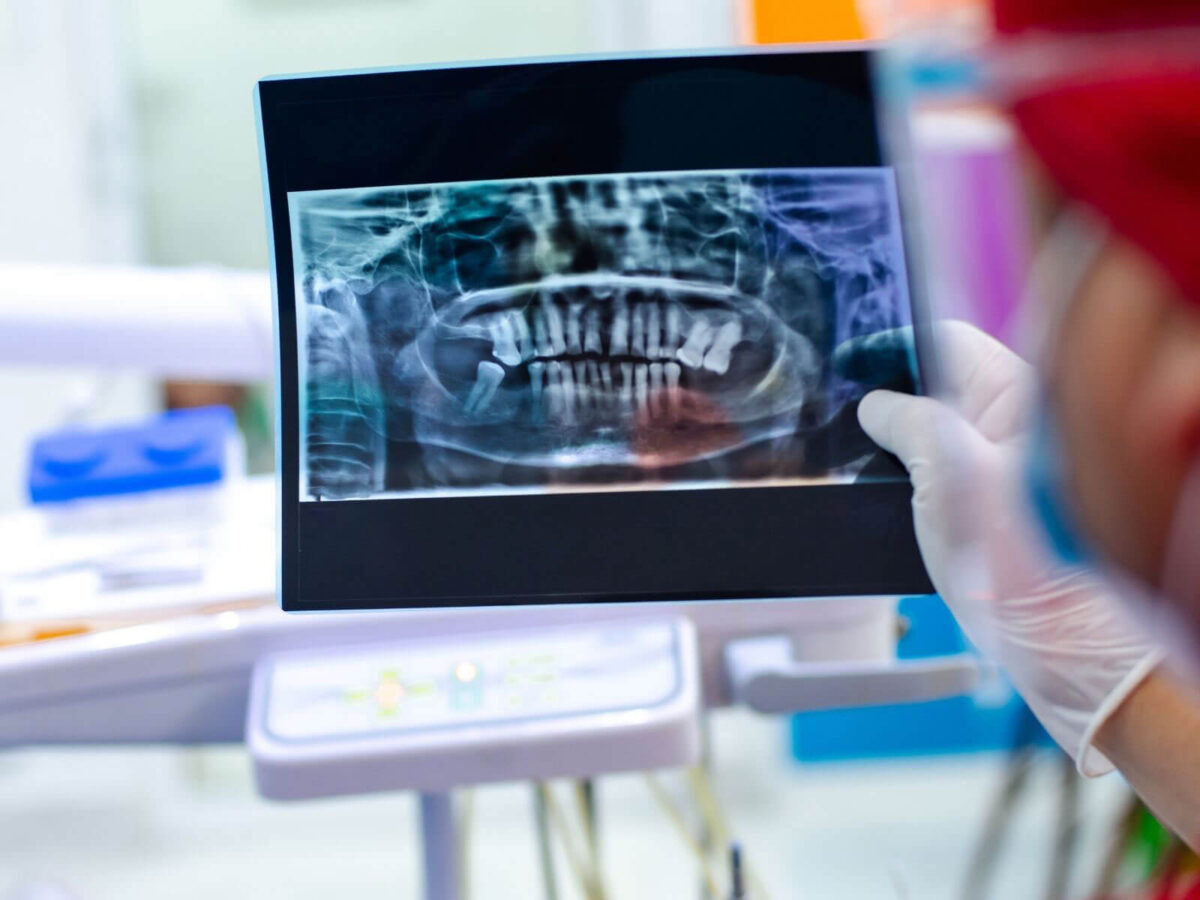
For years, traditional dental X-rays have done their job well, but they only show so much. You can see height and width, but not depth. And depth makes all the difference in implant surgery.

3D imaging for dental implants gives your dentist a full picture of what’s happening beneath the surface. They can see your bone, nerves, and surrounding tissue. When your dentist sees everything clearly from the start, the surgery flows easily and the results follow the plan.

Imagine trading your paper map for a GPS. You suddenly see the full landscape, not just the surface. That clarity allows your Sinton Dental Office TX, to plan your treatment with incredible precision.

How It Works

3D imaging uses a system called cone beam computed tomography, or CBCT. It works a lot like a regular CT scan, only it’s built for the smaller, detailed spaces of your mouth and jaw.

As the scan runs, the machine moves around your head. The scanner takes a series of quiet shots from all sides. When they’re merged, your dentist gets a complete 3D picture of your mouth and jaw.

The whole scan is over in under a minute, and you won’t feel a thing. What’s amazing is just how much detail it captures. Your dentist can zoom in on a single tooth or study your entire jawbone structure in full depth. For dental implant surgery planning, that kind of visibility is priceless.

The Power Of Precision

Every patient’s anatomy is different. Bone density, nerve position, and even sinus space can vary from person to person. That’s why implants can’t be placed with a one-size-fits-all approach.

With 3D imaging, a Sinton Dentist TX can map exactly where your implant should go, down to fractions of a millimeter. They can see the ideal angle, depth, and position before ever making an incision.

Having that 3D view makes placement safer and more accurate, keeping nerves and tissues protected. It also helps the implant lock in with the bone for strength that stays with you. Put simply, 3D imaging makes accuracy the norm, not the exception.

A Treatment You Can Trust

Implant surgery used to involve more guesswork. Even with skilled dentists, there was always a small margin of uncertainty. 3D imaging changes that completely.

Your Sinton Dental Office TX, can now plan your entire surgery virtually before it happens. They can visualize the bone height, width, and density. They can even simulate how the implant will fit.

That kind of detailed planning results in gentler surgery and a quicker recovery. It also gives patients peace of mind, knowing their dentist has every step mapped out. The best part? It dramatically lowers complications because everything has been measured and rehearsed in advance.

From Scan To Surgery

After your 3D scan, your dentist uses specialized software to analyze the images. They can place a digital “implant” inside the virtual model of your jaw and adjust its position until it’s perfect.

When the plan’s set, a custom guide helps your dentist place the implant in the exact spot mapped out on screen. It’s where technology meets true craftsmanship. The computer takes care of precision. The dentist gives skill and clarity. Together, they give a result that looks natural and feels stable. That’s the essence of dental implant surgery planning with 3D imaging.

Better Results That Last

When implants are placed with precision, everything else falls into place, quite literally. The crown fits better. The bite feels more natural. The bone heals more evenly
A Sinton Dentist, TX, knows that the secret to long-lasting implants isn’t just good materials. It’s a perfect placement. And that’s exactly what 3D imaging helps achieve.

Even years later, patients gain from this early attention to detail. A well-planned implant doesn’t just restore your smile. It supports your jawbone and helps your face keep its natural structure.

Know What to Expect

For many patients, the best part is the calmness of mind. A 3D model turns a complex process into something easy to visualize.

Your dentist can show exactly how the implant fits, why it’s placed there, and how the process keeps you safe from start to finish. That level of honesty helps form confidence. Instead of just being told what will happen, you can see every detail with your own eyes.

A Sinton Dental Office TX often uses these visualizations during consultations to explain every step of the process. Patients walk out feeling informed, not anxious.

Faster Recovery, Fewer Surprises

3D imaging lets your dentist plan every detail in advance. Because of that, surgeries become cleaner and more efficient. Your gums stay calm with little to no swelling.

You spend less time in the chair and get back to smiling sooner. It’s a quiet shift in dentistry where technology and simplicity work together beautifully.

Why Every Implant Should Start With 3D Imaging

3D imaging lays the groundwork for everything that follows.

Without it, even a skilled dentist is limited by what they can’t see. With it, every move is guided by precision and clarity.

A Sinton Dentist TX, will always recommend a 3D scan before any implant procedure, no matter how simple. It’s not a small add-on. It’s the blueprint behind the entire result.

A solid plan keeps everything on track. It prevents errors and makes sure the outcome meets your expectations.

Looking Ahead

Dentistry keeps evolving, but 3D imaging still leads the way. It is one of the biggest leaps the field has ever taken. What started as an advanced option is now becoming standard care.

In the coming years, these scans will connect seamlessly with digital impressions and 3D printing, making dental implant surgery planning even faster and more precise.

A Sinton Dental Office TX that embraces this technology isn’t just keeping up. It’s giving patients safer, smarter, and more predictable care. It’s a new kind of dentistry. One where science and artistry meet to bring every smile back to life.

Call To Action

If you’re thinking about dental implants, start your journey with a Sinton Dentist, TX, who uses 3D imaging for dental implants. It’s the key to accurate, safe, and long-lasting results.

Schedule your visit at a trusted Sinton Dental Office, TX, to see how new imaging can change dental implant surgery planning from unsure to exact. Your smile deserves precision. And technology has finally made it possible.

Categories
Dental care

Effects of Aging on Dental Health

People expect wrinkles and gray hair with age. But teeth and gums? They sometimes catch people by surprise. Aging does not spare the mouth. Aging changes how the teeth look, how the gums work, and how restful the jaw is. Oral health and aging remain deeply interconnected throughout life.

A Sinton Dentist TX will tell you this straight. Like the body, the mouth undergoes aging. Some changes are inevitable, while others result directly from daily practices and the degree of dental care received over the years.

Teeth Over Time

Enamel is the tough outer shell of your teeth, and it doesn’t disappear overnight. It wears down little by little. Chewing for decades, sipping coffee every morning, and clenching at night wears teeth down. Over time, it shows as cracks or chips that make them look older.

When someone gets to their 60s or 70s, their teeth have been through decades of daily use. They’ve chewed thousands of meals, ground through stressful nights, and sometimes endured cavities or fillings. A Sinton Dental Office TX sees it daily: teeth showing the story of years gone by.

Gum Shifts

Gums don’t stay put forever. With age, they recede a little, exposing more of the tooth. This makes teeth look longer. But it also makes them more sensitive. Hot tea, cold water, and even sweet food can sting.

Receding gums also increase the risk of root decay. Roots don’t have the strength of enamel, which makes them more at risk. That’s why senior care focuses on gums just as much as teeth. Because once the gums weaken, everything else follows.

Dry Mouth Trouble

Something many don’t expect with aging is dry mouth. Medications for blood pressure, diabetes, or even allergies can reduce saliva. Saliva is more than simple moisture. It works all day to protect your teeth and fight bacteria that can harm your smile over time.

Without enough saliva, cavities show up faster. Dentures rub more.

Talking and swallowing feel harder. A Sinton Dentist TX often checks medication lists before even looking at the teeth. Because the mouth and medicine cabinet are more connected than most realize.

Bone and Bite Changes

As bones lose density with age, the jaw is not spared. Teeth may shift. Bites feel different. After a while, dentures may not feel the same. Natural teeth can shift too, and those tiny spaces are perfect for trapping food.

These changes don’t happen overnight; they creep in quietly. A Sinton Dental Office TX might notice them before the patient does. That’s one reason regular visits matter so much, especially for seniors.

The Risk of Oral Disease

Aging raises the risk of gum disease and oral cancer. Not from neglect, but because tissues naturally weaken as the years pass. Healing slows. And decades of habits like smoking, drinking, or even just too much sugar, all add up.

Early detection becomes critical. Dentists trained in senior oral health care know what to look for. A small sore on the tongue. A red patch on the gum. Things that might seem harmless but aren’t.

Everyday Challenges

It’s not just the science of aging. It’s the daily reality. Arthritis makes holding a toothbrush tough. Poor eyesight means missed spots while brushing. Dentures need cleaning, but feel like a hassle.

That’s where family steps in. That’s where a supportive Sinton Dentist TX steps in too. With tools like electric brushes, easy flossers, and simple routines, seniors can stay independent while keeping their teeth healthy and protected.

Nutrition and Teeth

Chewing changes with age. Hard foods become harder to manage. When seniors lose teeth or dentures lose their fit, healthy options like fruits and vegetables are often avoided. Softer foods take their place, though they provide less nutritional value.

The result? Nutrition takes a hit. And nutrition and dental health are more connected than many think. Weak teeth limit diet. A poor diet weakens teeth. It’s a cycle. A Sinton Dental Office TX often reminds families that good food is part of senior oral health care, not separate from it.

The Emotional Side

Smiles change with age. Some seniors hide theirs. When teeth are stained, missing, or dentures slip at the wrong moment, it makes people embarrassed. That embarrassment grows over time, and pretty soon they don’t laugh the way they used to. For some, it even makes them pull back from people altogether.

It extends past chewing or brushing; maintaining oral health is equally about confidence. A Sinton Dentist TX often sees how a brighter, healthier smile lifts spirits. Seniors who feel comfortable with their teeth smile more. And smiling, as simple as it sounds, improves quality of life.

The Cost of Waiting

Sometimes older adults delay care. They think, “It’s just part of aging.” Or they don’t want to bother with appointments. But small issues turn big quickly. A cavity becomes an infection. A loose tooth leads to bone loss.

That’s why regular exams at a Sinton Dental Office TX matter. Even if nothing feels wrong. Even if it seems unnecessary. Prevention costs less, in money, in stress, and in health, than waiting until pain forces action.

Families and Support

Dental health for seniors isn’t just about the seniors. Families play a role, too. Adult children reminding parents of checkups. Caregivers helping with daily brushing or rinsing. Support makes the difference between neglected teeth and healthy ones.

Dentists often work closely with families. Offering children’s oral hygiene tips when kids are small, and senior oral health care guidance when parents grow older. The cycle of care runs both ways.

Technology Helps

Modern dentistry makes aging easier. Lightweight dentures. Stronger crowns. Implants that feel natural. Simple digital X-rays that catch hidden issues. These tools mean seniors don’t have to settle for “good enough.”

A Sinton Dentist TX combines these tools with personal care. Because at that age, comfort and trust matter as much as the treatment itself.

Looking Ahead

Aging is not the end of healthy teeth. It just means adjusting how care is given. It means staying aware of small changes and acting before they grow. It means blending routine, diet, checkups, and support.

And it means recognizing that smiles still matter, no matter the age. A Sinton Dental Office TX sees this every day; seniors walking out not just with healthier teeth, but with lighter hearts.

Final Thought

The effects of aging on the mouth are real. Teeth wear down. Gums recede. Saliva slows. But none of it means dental health is lost. For seniors, strong smiles last when there’s a steady routine, family support, and regular visits to a trusted Sinton Dentist TX.

So if you’re caring for a parent, or if you’re a senior yourself, don’t think it’s too late. Visit your dentist. Ask questions. Make small changes. Because the story of aging and dental health doesn’t have to be one of loss. It can be one of strength. And every smile, at every age, should get that care.